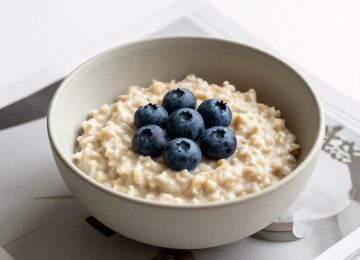
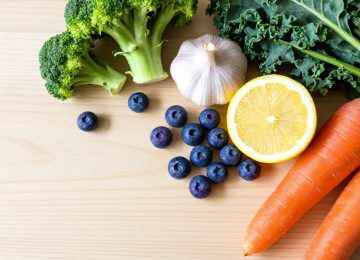
Clean eating relies on stocking your kitchen with whole foods and minimally processed ingredients to make healthy choices the path of least resistance. When you prioritize nutrient-dense options, you naturally crowd out the items that don’t serve your body well. This approach to a healthy diet isn’t about restriction or counting every single calorie, but rather about choosing quality fuel that supports your long-term wellness. By focusing on real, recognizable ingredients, you provide your system with the vitamins, minerals, and fiber it needs to function at its best.
Understanding the Basics of Clean Eating
At its core, clean eating is a philosophy centered on food nutrition. It encourages you to look at the ingredient label and choose items with shorter lists. If you can pronounce every ingredient and understand what it is, you are on the right track. This dietary journey is about returning to the basics of earth medicine—using plants, lean proteins, and healthy fats to nourish your cells. A registered dietitian would tell you that the goal is to minimize added sugars, refined grains, and artificial preservatives that often hide in packaged goods.
Sustainability plays a large role in this lifestyle as well. When you choose seasonal produce and locally sourced items, you reduce your environmental footprint while getting the freshest possible nutrients. This holistic health approach considers how your food is grown, processed, and prepared. Making small, consistent dietary changes is far more effective than attempting a radical overhaul that feels impossible to maintain. Think of this as a long-term commitment to your body rather than a temporary fix.
Meal planning is your best friend when you want to stick to a healthy eating plan. Spend one hour on Sunday chopping vegetables, cooking a batch of grains, or portioning out proteins. Having these healthy ingredients ready to go prevents the urge to order takeout when you are tired after a long day.

Building Your Pantry for Success
You cannot eat clean if your pantry is filled with items that tempt you to stray from your goals. Start by clearing out the processed snacks that contain high-fructose corn syrup or hydrogenated oils. Replace them with staples that offer genuine value. Keep canned beans, lentils, quinoa, brown rice, and rolled oats on hand for quick meals. These items are inexpensive, shelf-stable, and incredibly versatile.
Your freezer should be a secondary pantry. Frozen fruits and vegetables are picked at the peak of ripeness, meaning they often contain more nutrients than fresh produce that has traveled thousands of miles. Keep bags of frozen spinach, berries, peas, and wild-caught fish ready for those nights when you need a meal in under twenty minutes. This strategy ensures you always have the building blocks for a balanced diet, even when your schedule gets chaotic.
Thirty Days of Culinary Inspiration
Variety keeps you interested in your healthy recipes. If you eat the same chicken and broccoli every night, you will eventually burn out. Use this collection to explore different flavors, textures, and cooking methods. Each of these meals is designed to be approachable for the home cook while delivering high-quality nutrition.

Love these recipes? With MyRecipes, your personal home for recipes, easily save and organize your favorites, plus thousands more, in one convenient place.
Hearty Chickpea and Spinach Stew
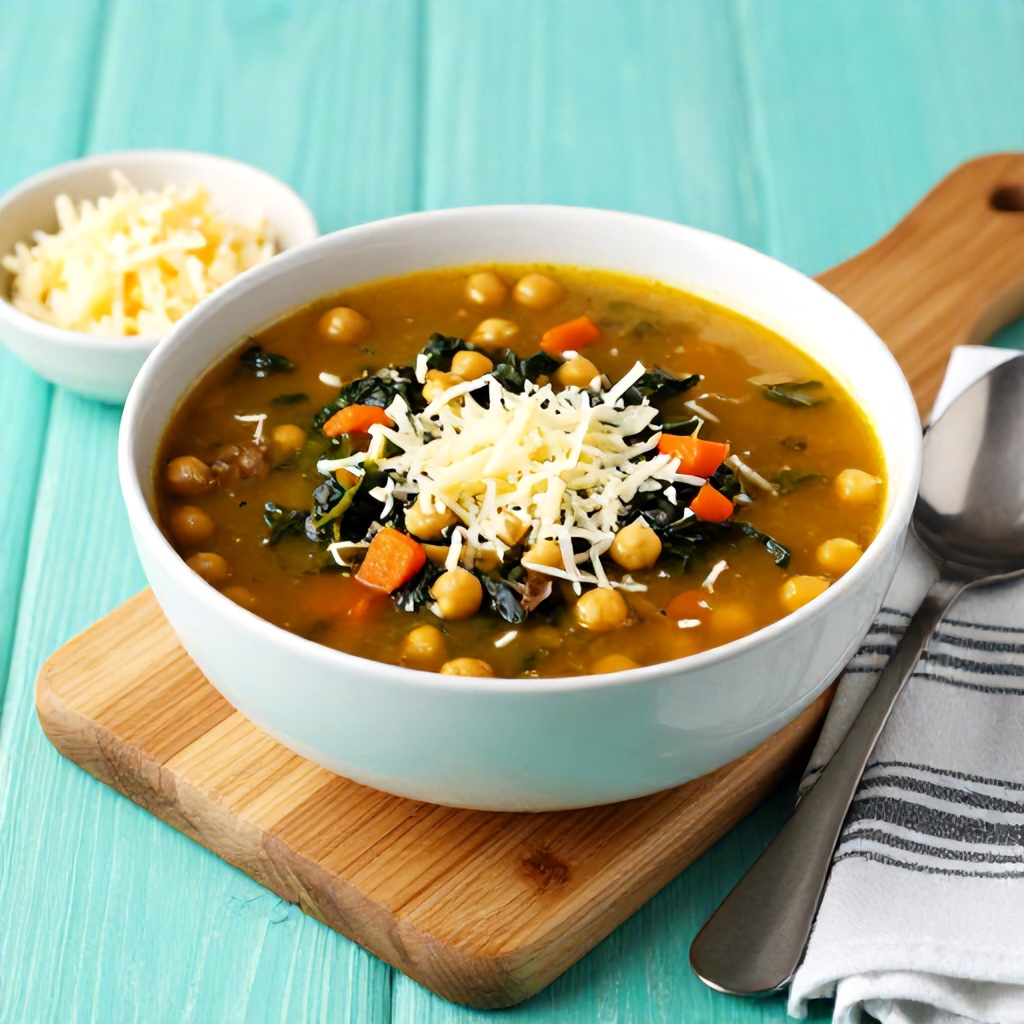
This dish is a masterclass in using pantry staples to create a filling meal. By mashing a portion of the chickpeas, you create a creamy, thick texture in the broth without needing heavy cream or butter. The spinach adds a boost of iron and folate, making this a fantastic option for a nutrient-dense dinner. It is a perfect example of how simple, minimally processed ingredients can come together to create something deeply satisfying.
Salmon Caesar Salad
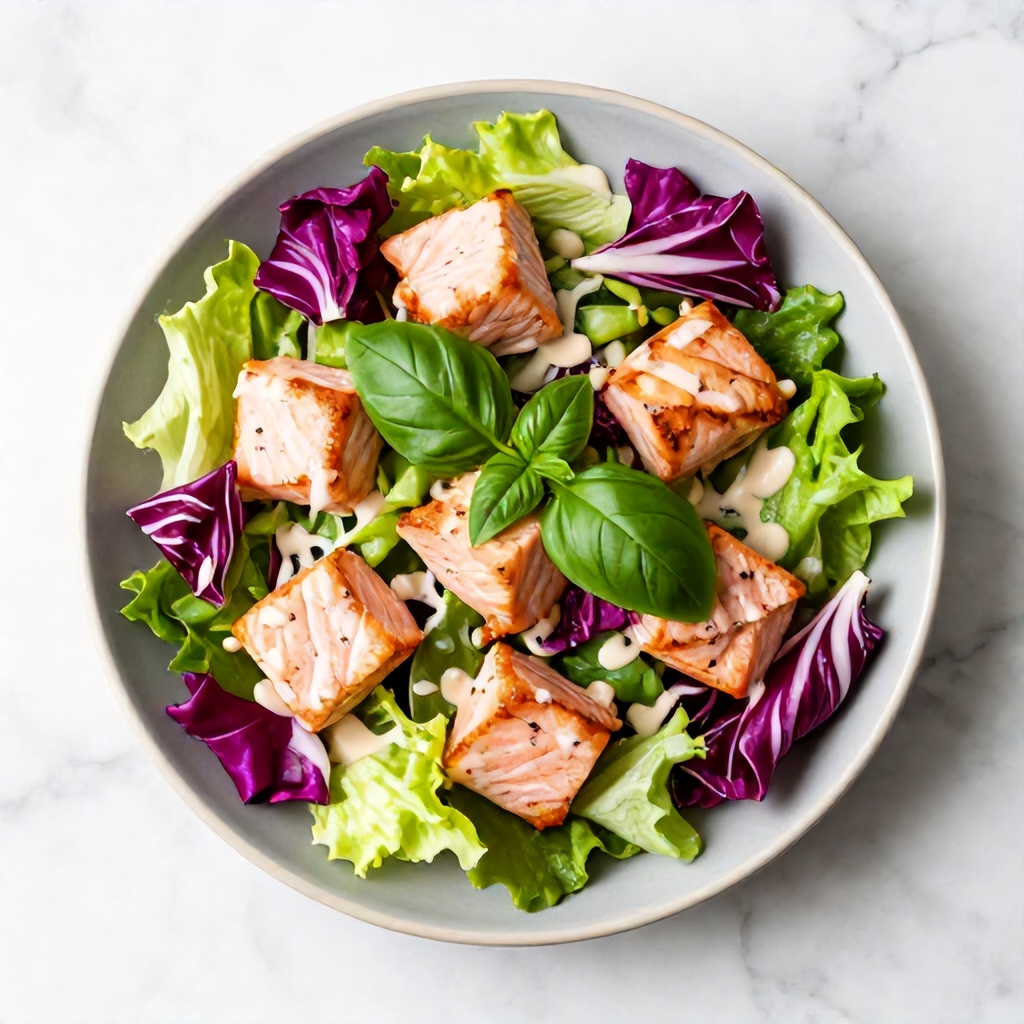
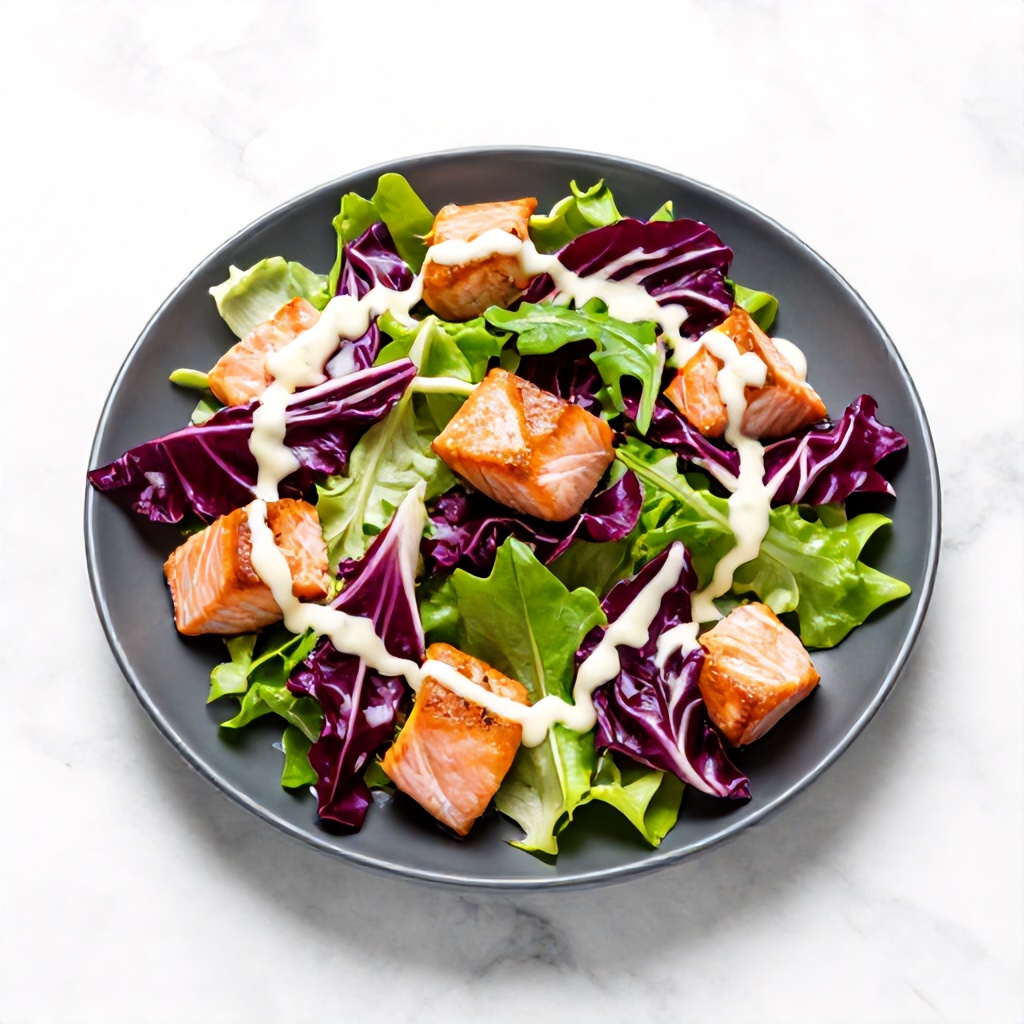
Traditional Caesar salads are often heavy on saturated fats due to the dressing. This version swaps out the standard egg yolk and oil base for a blend of Greek yogurt and buttermilk. You still get that signature tang and creaminess, but with a much better protein profile. Adding radicchio to the romaine provides a slightly bitter contrast that balances the richness of the salmon. It is a light yet filling meal that fits perfectly into a weight loss recipes rotation.
Black Bean Salad with Grilled Pork Cutlets
When you need a meal that feels substantial, this salad delivers. The combination of black beans, corn, bell peppers, and fresh herbs provides a rainbow of antioxidants. Pork cutlets are an underrated protein source; they cook in minutes and are very lean. By grilling an extra cutlet, you have a head start on lunch for the next day. This is the kind of efficiency that makes a healthy lifestyle sustainable over the long haul.
Roasted Salmon Caprese
Sheet-pan meals are the ultimate tool for busy people. By roasting salmon fillets alongside cherry tomatoes, you allow the juices from the tomatoes to create a natural sauce. A drizzle of balsamic glaze at the end ties the flavors together with a touch of sweetness and acidity. This recipe requires almost no cleanup, which is a major win for anyone trying to maintain a consistent routine.
Ginger-Dill Salmon with Cucumber and Avocado Salad
Healthy fats are essential for brain health and satiety. This recipe pairs omega-3-rich salmon with a refreshing salad of cucumber and avocado. The ginger and dill provide a bright, aromatic profile that wakes up your palate. It is a light, cooling meal that works well during warmer months or whenever you want something that feels clean and restorative.
Why Consistency Matters More Than Perfection
Many people fail because they view their dietary journey as a binary choice: either you are eating perfectly, or you have failed. This mindset is counterproductive. If you have a slice of cake at a birthday party or enjoy a meal out with friends, you haven’t ruined your progress. The goal is to make healthy choices the majority of your day, not the entirety of your life. Self-care involves being kind to yourself when you deviate from your plan.
Focus on the cumulative effect of your choices. One healthy meal provides a small boost, but a month of consistent, nutrient-dense eating changes how you feel, how you sleep, and how much energy you have. You might notice clearer skin, better digestion, or more stable moods. These internal shifts are the real rewards of clean eating. They are far more meaningful than any number on a scale.
Navigating Challenges in Your Dietary Journey
Social situations often present the biggest hurdles. When you are at a restaurant, look for items that are grilled, roasted, or steamed. Ask for dressings and sauces on the side so you can control the amount. If you are attending a potluck, bring a dish you know fits your goals, like a large quinoa salad or a platter of fresh vegetables with hummus. This ensures you have something delicious to eat regardless of what else is served.
Be wary of products labeled as “all-natural” or “healthy.” These terms are often used as marketing tools and are not strictly regulated. Always flip the package over and read the ingredient list. If the first three ingredients include sugar, refined flour, or hydrogenated oils, it is likely not a clean choice.
The Role of Nutrition Education
Understanding food nutrition is a skill that grows over time. You do not need to be a scientist to make good choices, but learning how different foods interact with your body is empowering. For instance, pairing a carbohydrate with a protein or a healthy fat helps slow down the absorption of sugar into your bloodstream. This prevents the energy crashes that often follow a high-carb snack. Simple tweaks like this make a massive difference in your daily energy levels.
If you feel overwhelmed, start by changing one meal at a time. Maybe you begin by upgrading your breakfast to include more fiber and protein. Once that becomes a habit, move on to your lunch routine. This gradual approach prevents the burnout that comes with trying to change everything at once. Remember that this is a healing journey for your body, and it deserves the time and patience you would give to any other important project.
Building a Sustainable Future
Eating well is an act of self-respect. When you choose foods that provide real nourishment, you are investing in your future self. You are reducing your risk of chronic disease and ensuring that you have the vitality to enjoy your life to the fullest. This is the essence of wellness—creating a lifestyle that supports your physical, mental, and emotional health simultaneously.
As you continue your journey, look for new ways to expand your culinary inspiration. Visit local farmers’ markets to see what is in season. Try a vegetable you have never cooked before. Experiment with fresh herbs instead of relying on salt for flavor. These small actions keep your interest high and your meals exciting. You are not just eating to survive; you are eating to thrive.
How do I handle cravings for processed snacks?
Cravings are often a sign that your body needs something specific. If you crave sugar, you might actually be dehydrated or lacking in complex carbohydrates. Try drinking a glass of water or eating a piece of fruit first. If you crave something salty, reach for nuts or seeds. Often, the craving passes once you provide your body with the nutrients it is actually asking for.
Is it expensive to eat clean?
It can be, but it doesn’t have to be. By focusing on whole foods like beans, lentils, seasonal vegetables, and eggs, you can keep costs down. Buying in bulk and choosing frozen produce are two of the most effective ways to save money while maintaining a high standard of nutrition. Avoid the expensive “health food” aisles that are filled with processed bars and snacks, and stick to the perimeter of the grocery store where the real food lives.
Your commitment to this process will pay dividends in how you feel every single day. Keep your focus on the quality of your ingredients, the joy of preparing your own meals, and the long-term benefits of a balanced diet. You have all the tools you need to succeed, one meal at a time.