
Beginner Yoga Poses Infographic: 9 Simple Stretches for Flexibility
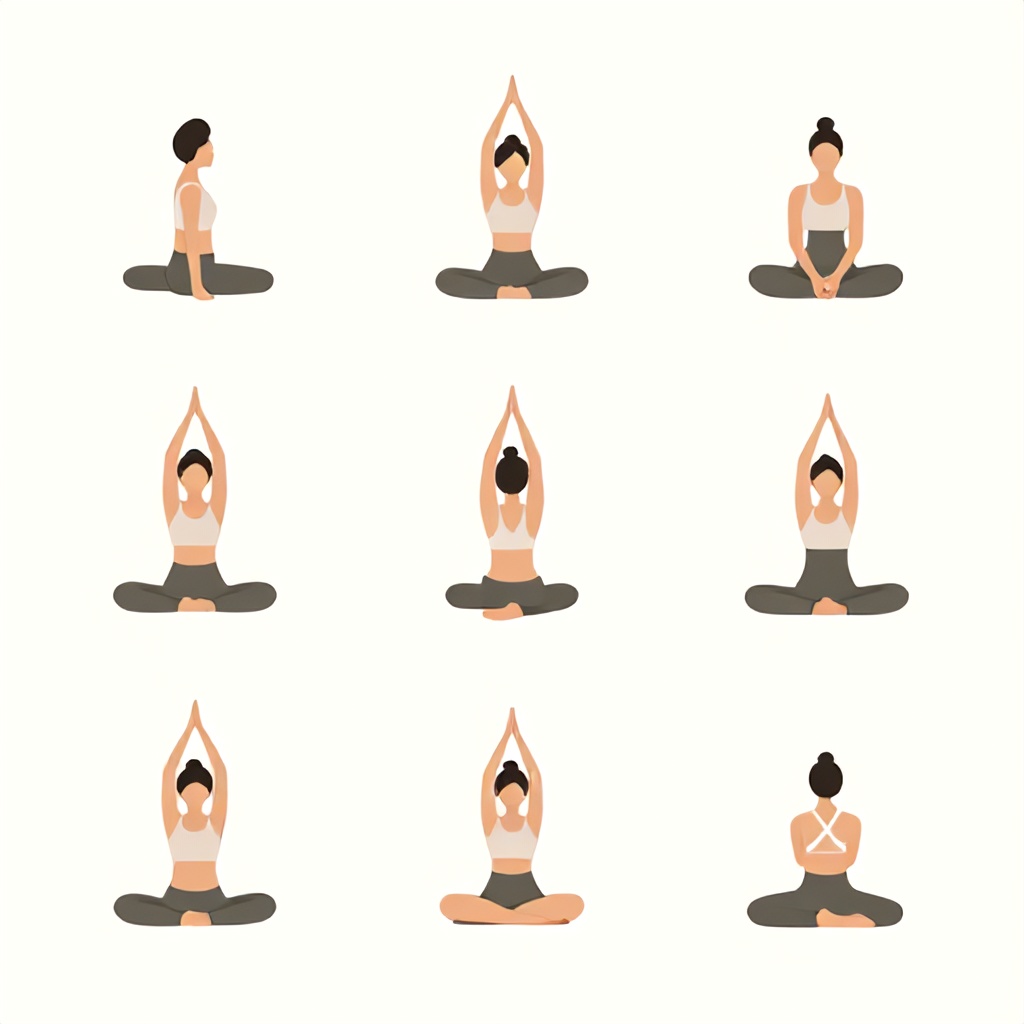
This visual guide presents nine fundamental yoga poses perfect for anyone starting their flexibility journey. These basic stretching exercises are designed to be approachable and effective, helping you build a foundation for better movement and posture. Think of this as your go-to resource for gentle yoga, offering clear body positioning for each of the stylized figures you’ll see.

Why Start with These Poses?
Getting started with yoga doesn’t require complex sequences or extreme flexibility. The beauty of beginner yoga lies in its simplicity and accessibility. These nine poses are chosen because they target major muscle groups, promote a sense of calm, and are relatively easy to learn. They are excellent for improving overall physical fitness and introducing your body to the benefits of regular physical activity and stretching.
The goal is not to achieve perfect form immediately, but to move with awareness and kindness towards your body. Each stretch offers a chance to connect with your breath and notice how your body feels. This mindful approach is key to sustainable wellness and building a consistent yoga practice.
Your Visual Guide to 9 Beginner Yoga Poses
Imagine a clean, modern aesthetic with a soft color palette, creating a calming mood. Each pose is illustrated with minimalist design, focusing on clear, stylized figures that make body positioning easy to understand. This infographic is designed to be easily skimmable, allowing you to quickly grasp the essence of each stretch.
1. Mountain Pose (Tadasana)
This is the foundational pose, the starting point for many other yoga sequences. It’s deceptively simple but incredibly powerful for establishing proper posture.
- Stand with your feet together or hip-width apart.
- Distribute your weight evenly across both feet.
- Engage your thigh muscles, lifting your kneecaps slightly.
- Tuck your tailbone under, lengthening your spine.
- Draw your shoulders down and back, away from your ears.
- Let your arms hang naturally by your sides, palms facing forward or towards your body.
- Gaze softly forward.
Mountain Pose teaches you to stand tall and grounded, connecting you to the earth while aligning your body. It’s a great way to check in with your alignment before moving into more dynamic stretches.
2. Downward-Facing Dog (Adho Mukha Svanasana)
A classic yoga pose that stretches the entire back of the body, from heels to fingertips. It’s invigorating and can help relieve tension.
- Start on your hands and knees, with your wrists directly under your shoulders and your knees under your hips.
- Spread your fingers wide, pressing firmly into your palms.
- Exhale as you lift your hips up and back, forming an inverted V-shape with your body.
- Keep your knees slightly bent initially, especially if your hamstrings feel tight. The focus is on lengthening the spine.
- Press your heels down towards the mat; it’s okay if they don’t touch.
- Let your head hang loosely between your arms.
- Gaze towards your feet or navel.
Downward-Facing Dog is a fantastic full-body stretch that builds strength in the arms and legs while improving flexibility in the shoulders, hamstrings, and calves. It’s a wonderful mat exercise for promoting circulation.
3. Cat-Cow Pose (Marjaryasana-Bitilasana)
This gentle flow synchronizes breath with movement, warming up the spine and improving its flexibility. It’s a wonderful way to release tension in the back.
- Begin on your hands and knees, wrists under shoulders, knees under hips.
- Inhale: Drop your belly towards the mat, arch your back, and lift your head and tailbone towards the ceiling (Cow Pose).
- Exhale: Round your spine towards the ceiling, tuck your chin towards your chest, and draw your navel towards your spine (Cat Pose).
- Repeat this flow for 5-10 breaths, moving with your breath.
The Cat-Cow sequence is excellent for spinal mobility and is a staple in introductory yoga. It cultivates a sense of fluidity and can be very therapeutic for the back.
4. Child’s Pose (Balasana)
A restorative pose that offers a moment of rest and gentle stretching for the back and hips. It’s a safe haven when you need to pause and recharge.
- Start on your hands and knees.
- Bring your big toes to touch and widen your knees to hip-width apart or wider for more hip opening.
- Exhale and sink your hips back towards your heels.
- Rest your torso between your thighs.
- Extend your arms forward on the mat, or rest them alongside your body with palms facing up.
- Rest your forehead on the mat.
Child’s Pose is a deeply calming pose that allows your body to relax and release tension. It’s a perfect way to transition between more active poses or to simply take a break during your practice.
5. Low Lunge (Anjaneyasana)
This pose opens up the hips and chest, while also stretching the quadriceps and hip flexors. It’s a great pose for building leg strength and flexibility.
- From Downward-Facing Dog or on your hands and knees, step your right foot forward between your hands.
- Lower your left knee to the mat. You can place a folded blanket under your knee for cushioning.
- Ensure your right knee is stacked directly over your right ankle.
- Slide your left leg back until you feel a gentle stretch in your left hip flexor.
- Press into your front foot and gently lift your torso upright. You can bring your hands to your front thigh or extend them overhead.
- Keep your shoulders relaxed.
Low Lunge is a dynamic stretch that improves hip mobility and can help alleviate tightness from prolonged sitting. It’s a fantastic pose for enhancing balance and building lower body strength.
6. Warrior II (Virabhadrasana II)
A powerful standing pose that builds strength and stamina while opening the hips and chest. It instills a sense of courage and focus.
- From Mountain Pose, step your feet about 3-4 feet apart.
- Turn your right foot out 90 degrees and your left foot in slightly (about 15 degrees).
- Align your front heel with the arch of your back foot.
- Inhale and raise your arms parallel to the floor, reaching them out to the sides, palms facing down.
- Exhale and bend your right knee until it’s directly over your right ankle. Keep your thigh parallel to the floor if possible.
- Gaze over your right fingertips.
- Keep your torso upright and your shoulders relaxed.
Warrior II is a cornerstone of beginner yoga for good reason. It strengthens the legs and ankles, opens the hips and chest, and improves stamina. It’s a pose that makes you feel grounded and strong.
7. Triangle Pose (Trikonasana)
This standing pose stretches the legs, torso, and hips, while also opening the chest and shoulders. It’s excellent for improving balance and spinal flexibility.
- From Warrior II, straighten your front (right) leg.
- Hinge at your right hip, reaching your right hand forward as far as possible.
- Lower your right hand to your shin, ankle, or a block outside your right foot.
- Extend your left arm straight up towards the ceiling, stacking your shoulders.
- Gaze upwards towards your left hand, or keep your gaze neutral if that’s more comfortable for your neck.
- Keep both legs engaged and press evenly through both feet.
Triangle Pose is a wonderful lateral stretch that helps lengthen the sides of the body and can relieve stiffness in the hamstrings and hips. It promotes a sense of openness and expansion.
8. Seated Forward Bend (Paschimottanasana)
A deeply relaxing pose that stretches the hamstrings, spine, and shoulders. It’s known for its calming effect on the mind.
- Sit on the mat with your legs extended straight in front of you.
- Flex your feet, drawing your toes towards your shins.
- Inhale and lengthen your spine, reaching your arms overhead.
- Exhale and hinge at your hips, folding your torso forward over your legs.
- Allow your hands to rest on your shins, ankles, or feet.
- Keep your back as straight as possible, avoiding rounding your shoulders excessively.
- Let your head relax.
Seated Forward Bend is a classic hamstring and spinal stretch. It’s a great way to wind down and release tension after a more active practice. The focus is on lengthening, not forcing the stretch.
9. Corpse Pose (Savasana)
Often considered the most important pose, Savasana is a period of deep relaxation that allows your body and mind to integrate the benefits of the practice. It’s where true rest happens.
- Lie down on your back on your mat.
- Extend your legs slightly apart, allowing your feet to fall open naturally.
- Rest your arms alongside your body, a little away from your torso, with your palms facing up.
- Close your eyes gently.
- Allow your body to feel heavy and completely supported by the mat.
- Release any tension you are holding.
- Simply breathe naturally and allow yourself to be still for 5-10 minutes.
Savasana is crucial for stress reduction and allowing the body to absorb the positive effects of the yoga poses. It cultivates a profound sense of peace and rejuvenation, making it an essential part of any yoga for beginners routine.
Making Flexibility a Habit
Consistency is key when it comes to improving flexibility. Aim to practice these poses regularly, even if it’s just for 10-15 minutes a few times a week. Listen to your body; some days you’ll feel more open than others. The journey of yoga is about progress, not perfection.
Remember to breathe deeply throughout each pose. Your breath is your guide and can help you deepen your stretches safely. This visual guide serves as a starting point, offering simple yet effective yoga poses to enhance your well-being and introduce you to the wonderful world of movement and flexibility.