
The Foundation of Morning Hydration
Applying a hydrating moisturizer every morning creates a protective seal over the skin barrier, preventing water loss and shielding the epidermis from environmental stressors. This single step serves as the foundation for a radiant complexion and ensures that your skin remains supple throughout your daily regimen. Without this layer, the skin often becomes vulnerable to irritation, dryness, and premature signs of aging caused by pollution and UV exposure. It is the most vital part of a morning ritual designed to maintain dermal health and achieve a dewy finish that lasts until evening.

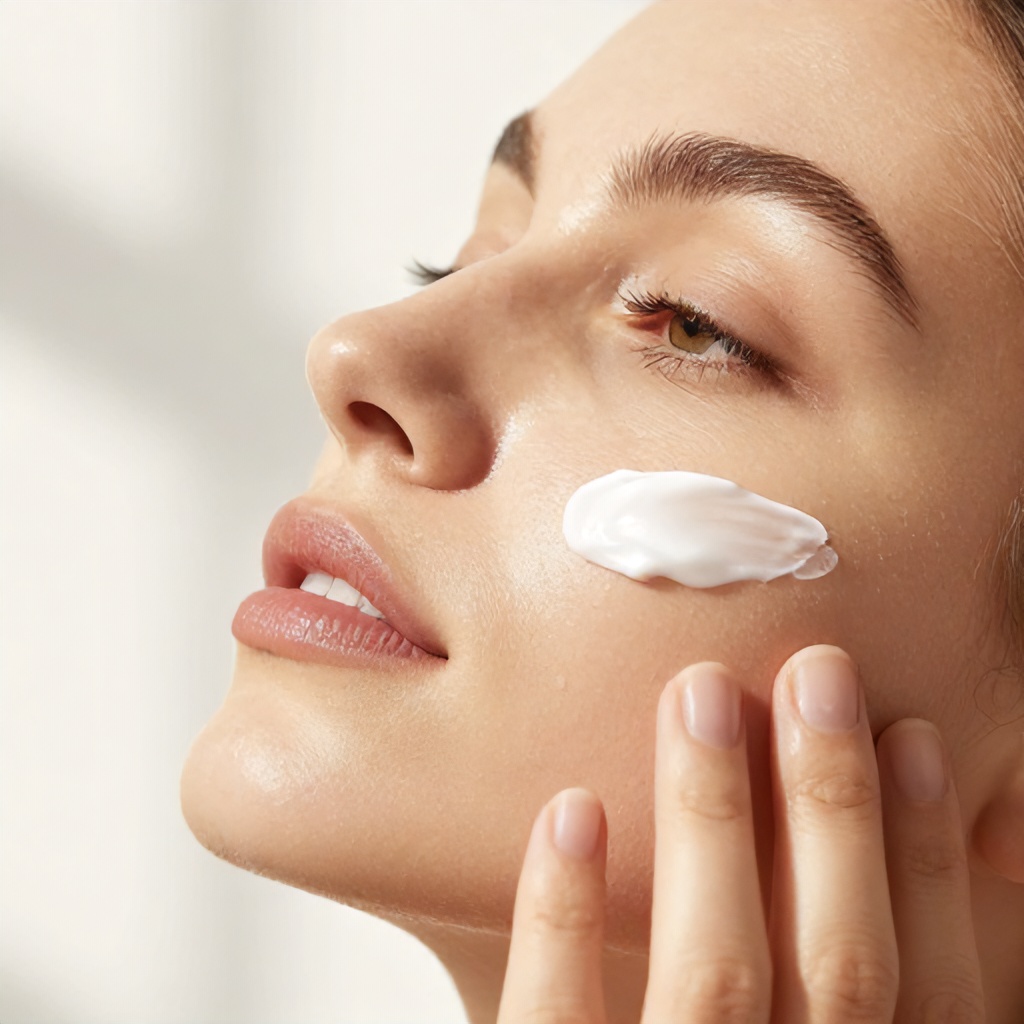
The skin acts as a living shield. Every day, it faces wind, dust, and fluctuating temperatures. A well-formulated facial cream provides the necessary lipids to keep the skin texture smooth and resilient. When you skip this step, your skin may overcompensate by producing excess oil, leading to breakouts or an uneven, dull appearance. Consistency matters more than the price tag of the product. Using a gentle formula tailored to your specific needs will yield better results than an expensive one used sporadically. Think of your moisturizer as a drink of water for your face. It refreshes, plumps, and prepares the surface for whatever comes next, whether that is a full cosmetic application or a bare-faced day at home.
Understanding the Skin Barrier and Epidermis
The skin barrier, or the stratum corneum, is the outermost layer of the epidermis. Its primary job is to keep moisture in and irritants out. When this barrier is healthy, your skin looks clear and feels soft. When it is compromised, you might notice redness, flaking, or a stinging sensation when applying products. Morning moisturizing is about maintenance. You are essentially reinforcing the “bricks and mortar” of your skin cells. Emollients fill in the gaps between skin cells, creating a smooth consistency that reflects light beautifully under aesthetic lighting.
Facial hydration is not just about adding water to the skin; it is about preventing that water from evaporating. This process is known as transepidermal water loss. By using a topical application of cream, you create an occlusive layer that traps the moisture already present in your skin from your morning wash. This is why timing is everything. Applying cream to bone-dry skin is less effective than applying it to skin that is still slightly damp. The goal is to lock in that hydration before it has a chance to vanish into the air.
Choosing the Right Moisturizer for Your Skin Type
Not all creams are created equal. Your skin type dictates the texture and ingredients you should look for in a daily regimen. If you have oily skin, you might feel tempted to skip moisturizer altogether. This is a mistake. Oily skin still needs hydration, but it requires lightweight, oil-free formulas like gels or water-based lotions. These provide a soft focus effect without clogging pores or adding unnecessary shine. Look for pore refinement properties that help balance sebum production while still delivering a healthy glow.
Dry skin requires a richer approach. Creams with a thick, emollient base are best for those who experience tightness or flaking. These formulas often contain ingredients like shea butter or ceramides that mimic the skin’s natural oils. For combination skin, the strategy involves balance. You might use a lighter lotion on your T-zone and a slightly heavier cream on your cheeks. Sensitive skin types should prioritize a gentle formula free from synthetic fragrances or harsh alcohols. Dermatological care often emphasizes simplicity for reactive skin, focusing on soothing agents that calm the epidermis rather than irritate it.
Key Ingredients to Look For
- Hyaluronic Acid: A humectant that pulls moisture from the air into the skin.
- Ceramides: Essential lipids that help repair and maintain the skin barrier.
- Glycerin: A classic ingredient that provides long-lasting facial hydration.
- Niacinamide: Helps with pore refinement and evens out skin tone.
- Squalane: A lightweight oil that mimics the skin’s natural moisture.
- Vitamin C: Often included in morning creams to provide antioxidant protection.
The Step-by-Step Morning Ritual
The way you apply your facial cream is just as important as the product itself. Start with a clean canvas. Use a mild cleanser to remove any sweat or oils that accumulated overnight. Pat your face with a soft towel, but leave it slightly moist. This is the prime time for cosmetic application. If you use serums, apply them first. Serums are usually thinner and carry concentrated ingredients deeper into the skin. Once the serum has settled for a minute, it is time for the moisturizer.
- Dispense a pea-sized amount of cream onto your fingertips. Using too much can lead to pilling, especially when layered under makeup.
- Warm the cream between your fingers for a second to help it spread more easily.
- Dot the cream onto your forehead, cheeks, nose, and chin.
- Use gentle, upward strokes to massage the product into your skin. Avoid pulling downward, as this can contribute to skin sagging over time.
- Do not forget your neck and chest. These areas have thinner skin and show signs of aging just as quickly as the face.
- Press your palms against your face gently. The warmth from your hands helps the product absorb for a luminous skin finish.
The Importance of the Neck and Decolletage
Many people stop their skincare ritual at the jawline. This is a common oversight. The skin on your neck and chest is delicate and often exposed to the same sun and pollution as your face. When applying your morning facial cream, always extend the application downward. This ensures a consistent skin texture across your entire upper body. It also prevents the “floating head” look where the face looks hydrated and youthful while the neck appears dry or wrinkled. Treating your neck as an extension of your face is a hallmark of good personal care.
Use the same upward motions on your neck. This lymphatic drainage technique can help reduce morning puffiness. By being mindful of these areas, you maintain a more cohesive and youthful appearance. It only takes an extra ten seconds, but the long-term benefits for your dermal health are significant. A radiant complexion should not end at the chin.
Layering with Sunscreen and Makeup
Moisturizer is the penultimate step in a morning skincare routine. The final, non-negotiable step is sunscreen. Even if your moisturizer contains SPF, it is rarely enough to provide full protection. Apply your moisturizer first, let it sink in for three to five minutes, and then follow with a dedicated sunscreen. This layering technique ensures that the hydrating ingredients are locked in while the UV filters sit on top to deflect sun damage. If you apply makeup, the moisturizer acts as a natural primer, creating a smooth surface for foundation or concealer.
Wait until your skin feels “set” before moving to makeup. If you apply foundation too quickly, it might slide around or become patchy. A well-moisturized face allows makeup to blend effortlessly, resulting in a more natural, soft focus look. For those who prefer a minimalist approach, a good moisturizer often provides enough of a dewy finish that foundation feels unnecessary. Luminous skin is often just the result of proper hydration and light-reflecting emollients.
Common Mistakes to Avoid
Rubbing the skin too vigorously is a frequent error. The skin on the face is thin, and constant friction can lead to micro-tears or irritation. Always use a light touch. Another mistake is using the same heavy cream for both day and night. Night creams are often designed to be thick and greasy because they have hours to soak in while you sleep. During the day, these can feel heavy and interfere with your cosmetic application. Stick to a lighter beauty treatment for the morning to keep your skin feeling fresh.
Using expired products is another pitfall. Most facial creams have a shelf life of six to twelve months once opened. If the consistency has changed, or if it smells different, it is time to toss it. Using old products can introduce bacteria to the epidermis, leading to breakouts or infections. Also, pay attention to the weather. Your skin’s needs change with the seasons. You might need a heavier emollient in the winter and a light, hydrating gel in the summer. Adjusting your daily regimen based on the environment is a smart way to maintain a healthy glow year-round.
Signs Your Moisturizer Isn’t Working
- Your skin feels tight or dry just an hour after application.
- You notice small bumps or breakouts that weren’t there before.
- The cream sits on top of the skin without ever fully absorbing.
- Your face feels excessively greasy or shiny by midday.
- You experience redness or a stinging sensation upon application.
The Role of Lifestyle in Dermal Health
Topical application is only half the battle. What you put into your body reflects on your face. Drinking plenty of water helps maintain facial hydration from the inside out. While a cream can lock moisture in, it cannot create hydration if your body is dehydrated. Diet also plays a role. Foods rich in omega-3 fatty acids, like salmon or walnuts, help support the skin barrier. Antioxidants found in berries and leafy greens protect the epidermis from oxidative stress.
Sleep is another factor. During the night, your skin goes into repair mode. If you are sleep-deprived, your skin may look sallow or dull regardless of how much cream you apply. A consistent morning ritual combined with a healthy lifestyle creates the best environment for a radiant complexion. Even the best beauty treatment cannot fully compensate for a lack of rest and poor nutrition. Balance is the key to long-term dermal health.
Advanced Tips for a Radiant Complexion
For those who want to take their morning ritual further, consider incorporating a facial massage or a jade roller. These tools can help with lymphatic drainage and ensure your moisturizer is distributed evenly. The cool temperature of a stone roller can also help depuff the eyes and tighten the appearance of pores. It turns a simple task into a luxurious personal care moment. Another tip is to look for products with “soft focus” technology. These contain tiny particles that scatter light, blurring imperfections and giving the skin an immediate healthy glow.
If you have specific concerns like redness or dullness, look for tinted moisturizers or those with color-correcting properties. These provide hydration while subtly evening out the skin tone. It is a great way to achieve a “no-makeup” look while still reaping the benefits of a hydrating moisturizer. Always remember that skincare is personal. What works for a friend might not work for you. Listen to your skin and be willing to experiment until you find the perfect smooth consistency for your face.
Seasonal Adjustments for Your Daily Regimen
As the leaves change or the temperature rises, your skin reacts. In the winter, the air is dry, and indoor heating strips moisture from the epidermis. This is the time to switch to a more intensive emollient. You might even add a face oil over your moisturizer to provide an extra layer of protection against the biting cold. In the summer, humidity levels are higher, and your skin may produce more oil. Switching to a lightweight, water-based formula prevents that heavy, suffocating feeling that some creams can cause in the heat.
Spring and autumn are transitional periods. During these months, focus on repair and preparation. If your skin suffered from dryness over the winter, use the spring to replenish the skin barrier with ceramides. If the summer sun left you with uneven skin texture, use the autumn to incorporate brightening ingredients like Vitamin C. Being proactive with these changes ensures that your radiant complexion remains stable throughout the year. A flexible daily regimen is the most effective way to handle the unpredictability of the environment.
Final Thoughts on Morning Skincare
Consistency is the most powerful tool in your beauty arsenal. Applying your moisturizing face cream every single morning might seem like a small task, but its cumulative effects are massive. Over time, you will notice improved skin texture, fewer fine lines, and a more resilient skin barrier. It is a simple act of self-care that sets a positive tone for the rest of your day. By choosing the right ingredients and applying them with intention, you are investing in the long-term health and appearance of your skin.
Your morning ritual does not need to be complicated or expensive. It just needs to be right for you. Focus on hydration, protection, and a gentle formula. Whether you are heading to a high-stakes meeting or just running errands, knowing your skin looks luminous and healthy provides a boost of confidence. Take those few minutes every morning to nourish your epidermis. Your future self will thank you for the glow.