
Effective skincare for acne-prone skin hinges on understanding what truly helps and what simply perpetuates common misconceptions, often making things worse.

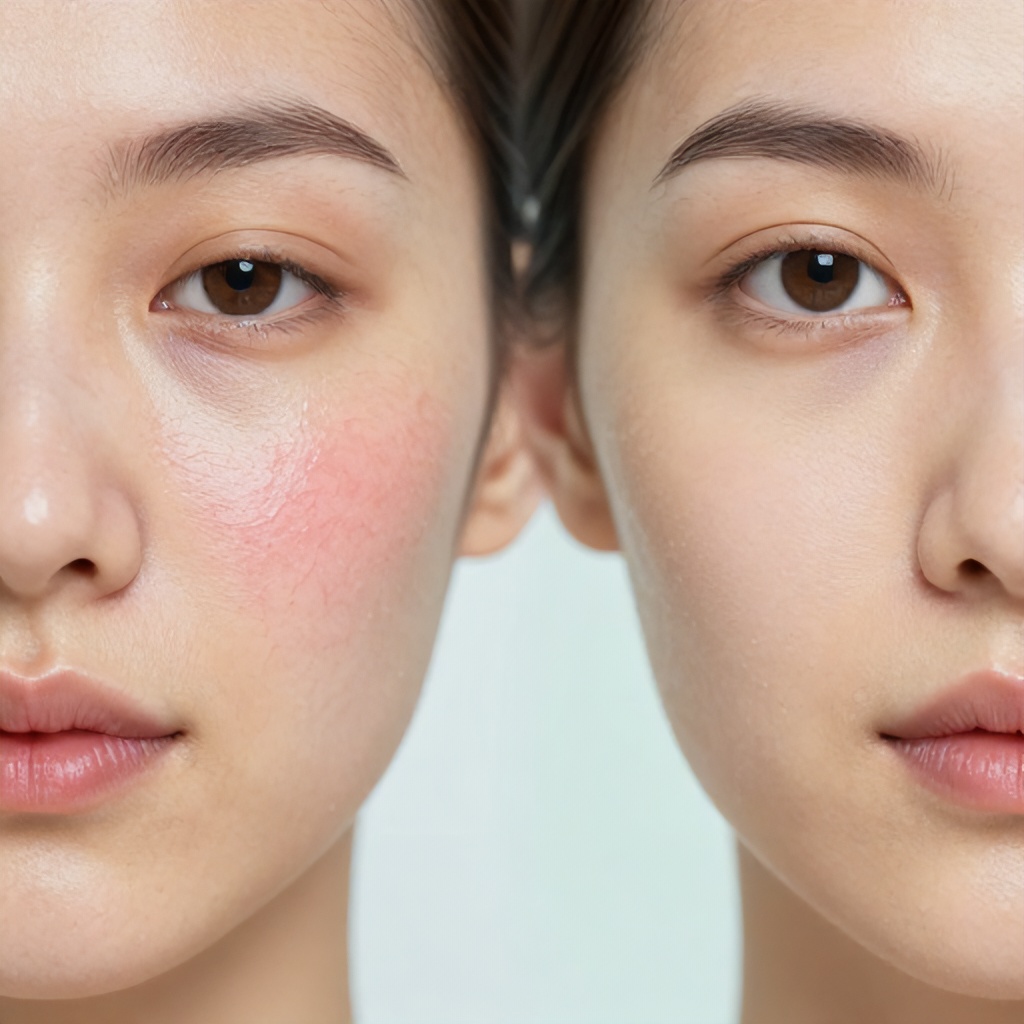
Cleansing Habits: Separating Truth from Trouble
Myth: You need to wash your face constantly to get rid of acne.
Many people believe that the more you wash your face, especially if it’s oily, the cleaner it will be and the less acne you’ll have. This idea often leads to excessive scrubbing and multiple washes throughout the day. The truth is, over-washing can strip your skin of its natural oils, leading to dryness and irritation. When skin becomes too dry, it can actually produce more oil to compensate, creating a vicious cycle that exacerbates breakouts.
Your skin has a delicate barrier. Repeatedly disturbing this barrier with harsh cleansers or too frequent washing compromises its ability to protect itself. This makes your skin more vulnerable to bacteria and inflammation, which are key players in acne formation.
Fact: Gentle cleansing twice a day is ideal.
For acne-prone skin, washing your face twice a day – once in the morning and once at night – is generally sufficient. Use a mild, pH-balanced cleanser that doesn’t contain harsh sulfates or strong fragrances. Look for ingredients like salicylic acid or benzoyl peroxide in your cleanser if you need targeted treatment, but even then, gentleness is paramount. Apply the cleanser with your fingertips, using light, circular motions, and rinse thoroughly with lukewarm water. Pat your skin dry with a clean, soft towel.
Consider your activity level. If you’ve just finished a sweaty workout, an extra cleanse is fine. However, for most daily routines, twice is enough to remove dirt, oil, and makeup without over-stripping your skin.
Diet and Acne: What You Eat and Your Skin
Myth: Chocolate and greasy foods directly cause acne.
This is one of the oldest and most persistent myths. For decades, dermatologists told patients that diet had no bearing on acne. While the link isn’t as simple as “eat a burger, get a pimple,” recent research suggests that certain dietary patterns can influence acne in some individuals. However, the direct cause-and-effect relationship between a single chocolate bar or a plate of fries and a sudden breakout is largely overblown for most people.
Acne is a complex condition influenced by hormones, genetics, bacteria, and inflammation. While a diet high in processed sugars and unhealthy fats can contribute to systemic inflammation in the body, which might indirectly impact skin health, it’s not usually the sole or primary cause of acne.
Fact: High glycemic index foods and dairy can be triggers for some.
While not universally true for everyone, studies indicate a potential connection between high glycemic index (GI) foods and acne. High-GI foods, like white bread, sugary drinks, and certain processed snacks, cause a rapid spike in blood sugar, which can lead to an increase in insulin and insulin-like growth factor 1 (IGF-1). These hormonal fluctuations can stimulate sebum production and inflammation, potentially worsening acne.
Similarly, dairy products have been implicated as a potential acne trigger for some individuals. The hormones present in milk, as well as its ability to increase IGF-1 levels, might contribute to acne development in sensitive individuals. It’s important to remember that these are not universal triggers. If you suspect a dietary link, consider keeping a food diary to identify personal patterns, and discuss it with a healthcare professional or dermatologist before making drastic dietary changes.
Product Choices: Smart Skincare for Clearer Skin
Myth: All acne products work the same way.
Walking down the skincare aisle can be overwhelming. There are countless products promising to clear acne, and it’s easy to assume they’re all interchangeable. This couldn’t be further from the truth. Different active ingredients target different aspects of acne formation, and what works for one person might not work for another.
Some products focus on exfoliation, others on killing bacteria, and some on reducing inflammation. Using the wrong product for your specific type of acne or combining too many potent ingredients can lead to irritation, dryness, and further breakouts.
Fact: Active ingredients like salicylic acid, benzoyl peroxide, and retinoids are key.
Understanding the active ingredients in your acne treatments is essential.
- Salicylic Acid (BHA): This oil-soluble exfoliant penetrates into pores to dissolve sebum and dead skin cells, making it excellent for blackheads and whiteheads. It also has anti-inflammatory properties.
- Benzoyl Peroxide: A powerful ingredient that kills acne-causing bacteria (P. acnes) and helps shed dead skin cells. It comes in various strengths, but even lower concentrations can be very effective. Be aware it can bleach fabrics.
- Retinoids (e.g., Adapalene, Tretinoin): These vitamin A derivatives normalize cell turnover, preventing pores from becoming clogged. They are highly effective for treating and preventing all types of acne, but can cause initial dryness and sensitivity. Over-the-counter options like adapalene are a great starting point.
- Azelaic Acid: Offers antibacterial, anti-inflammatory, and exfoliating benefits. It’s often well-tolerated and can help with post-inflammatory hyperpigmentation (red or dark spots left after pimples heal).
Start with one new active ingredient at a time to see how your skin reacts. Introduce new products slowly, perhaps every other day, to minimize irritation.
Myth: Moisturizer makes acne worse.
Many people with acne-prone skin skip moisturizer, fearing it will make their skin oilier or clog their pores. This is a common mistake that can actually worsen acne. When your skin is dry, it can feel tight and uncomfortable, and as mentioned earlier, it might overcompensate by producing more oil.
Furthermore, many acne treatments, especially retinoids and benzoyl peroxide, can be very drying. Skipping moisturizer while using these treatments can lead to excessive flaking, redness, and irritation, making it harder to stick with your routine.
Fact: Hydration is essential; choose a non-comedogenic moisturizer.
Moisturizing is a non-negotiable step for all skin types, including acne-prone skin. The key is to choose the right moisturizer. Look for products labeled “non-comedogenic,” “non-acnegenic,” or “oil-free.” These formulations are designed not to clog pores. Gel-based or lightweight lotions are often good choices.
A good moisturizer helps to repair and maintain your skin’s barrier function, keeping it healthy and less prone to irritation. Apply it after cleansing and any active treatments to lock in hydration and soothe your skin.
Myth: Toothpaste or lemon juice are quick fixes for pimples.
The internet is rife with home remedies for acne, and toothpaste and lemon juice are two of the most popular. The idea is that toothpaste dries out pimples and lemon juice brightens spots. While toothpaste might temporarily dry a spot due to ingredients like baking soda or alcohol, it also contains ingredients like fluoride, menthol, and fragrance that are incredibly irritating to facial skin. Lemon juice is highly acidic and photosensitizing, meaning it makes your skin more sensitive to the sun. Both can cause significant redness, dryness, chemical burns, and post-inflammatory hyperpigmentation, making the situation much worse than the original pimple.
Fact: Stick to proven spot treatments or leave pimples alone.
For individual pimples, a targeted spot treatment containing salicylic acid or benzoyl peroxide is a much safer and more effective option. Apply a small amount directly to the blemish and let it work its magic. Hydrocolloid patches are another excellent choice; they absorb fluid from the pimple, protect it from picking, and create a moist healing environment, often leading to faster resolution without irritation.
Sun Exposure and Acne: A Tricky Relationship
Myth: Sun exposure clears up acne.
Many people notice their acne seems to improve slightly after spending time in the sun. The sun’s UV rays can temporarily dry out pimples and make redness less noticeable due to tanning. This leads to the misconception that sun exposure is beneficial for acne. However, this “improvement” is superficial and fleeting.
The reality is that sun exposure causes damage to skin cells, increases inflammation, and can thicken the outer layer of the skin, which can actually trap more sebum and dead skin cells, leading to future breakouts. Furthermore, UV exposure significantly worsens post-inflammatory hyperpigmentation (PIH) – the red or dark spots left behind after acne heals – making them darker and longer-lasting.
Fact: Sunscreen is essential for acne-prone skin.
Protecting your skin from the sun is critical, especially when you have acne. Many acne treatments, particularly retinoids, make your skin more sensitive to the sun. Daily use of a broad-spectrum sunscreen with an SPF of 30 or higher is non-negotiable. Look for formulas that are “non-comedogenic” or “oil-free” to ensure they won’t clog your pores. Mineral sunscreens containing zinc oxide and titanium dioxide are often well-tolerated by sensitive and acne-prone skin.
Consistent sunscreen use helps prevent new breakouts by protecting the skin barrier, reduces inflammation, and minimizes the darkening of post-acne marks, allowing them to fade more quickly.
Picking and Popping: A Bad Habit
Myth: Popping pimples makes them go away faster.
The urge to pop a pimple is powerful, and it might seem like you’re speeding up the healing process by getting rid of the pus. In almost all cases, picking or popping pimples does more harm than good. When you squeeze a pimple, you risk pushing bacteria and debris deeper into the pore, spreading infection, and increasing inflammation. This can lead to larger, more painful breakouts.
Fact: Picking causes scarring and dark spots.
Aggressively picking at pimples significantly increases the risk of permanent scarring, including ice pick scars, boxcar scars, and rolling scars. It also makes post-inflammatory hyperpigmentation (PIH) much more likely and more severe. These dark spots can linger for months or even years. It’s always best to leave pimples alone or use a targeted spot treatment. If you have a particularly stubborn or painful cyst, a dermatologist can safely extract it or provide an injection to reduce inflammation.
Makeup and Acne: Can You Wear It?
Myth: Makeup always clogs pores and causes acne.
For a long time, makeup was considered a primary culprit for acne, leading many to believe they had to go barefaced to achieve clear skin. While certain types of makeup can indeed contribute to breakouts, the blanket statement that all makeup causes acne is inaccurate.
Heavy, oil-based foundations and concealers, especially if not removed properly, can certainly clog pores and exacerbate acne. However, modern cosmetic formulations offer many options suitable for acne-prone skin.
Fact: Choose non-comedogenic makeup and remove it thoroughly.
You absolutely can wear makeup with acne-prone skin, provided you make smart choices and follow a strict removal routine.
- Look for “Non-Comedogenic” Labels: This is the most important tip. These products are formulated not to clog pores.
- Opt for Lightweight Formulas: Mineral-based foundations or oil-free liquids are often good choices.
- Clean Your Tools: Regularly wash your makeup brushes and sponges to prevent the transfer of bacteria and old product onto your skin.
- Always Remove Makeup: Never go to bed with makeup on. Use a gentle makeup remover, micellar water, or an oil cleanser (followed by a water-based cleanser) to ensure all traces are gone.
Proper makeup hygiene and product selection allow you to enjoy cosmetics without compromising your skin health.
General Skincare Principles for Acne-Prone Skin
Beyond debunking myths, a few core principles underpin successful acne management:
- Consistency is Key: Skincare isn’t a quick fix. You need to consistently follow your routine, often for several weeks or months, to see significant improvement.
- Be Patient: Acne treatments take time to work. Don’t expect overnight miracles. Give new products at least 4-6 weeks before deciding if they are effective.
- Patch Test New Products: Before applying a new product all over your face, test a small amount on an inconspicuous area, like behind your ear or on your jawline, for a few days to check for irritation or allergic reactions.
- Don’t Overdo It: Resist the urge to use every acne-fighting ingredient at once. This can lead to irritation and damage your skin barrier. Introduce one active ingredient at a time and build up slowly.
- Consult a Dermatologist: If over-the-counter products aren’t yielding results, or if your acne is severe, painful, or causing scarring, seek professional help. A dermatologist can prescribe stronger topical medications, oral medications, or recommend in-office procedures tailored to your specific needs.
Understanding the facts about acne and adopting a gentle, consistent, and informed skincare routine is the most effective path to clearer, healthier skin.