
A white coated tongue often signals an imbalance in your oral health, ranging from simple dehydration to more complex underlying conditions that require attention. It’s a common observation during a routine mouth examination and understanding its causes helps you maintain better overall well-being.

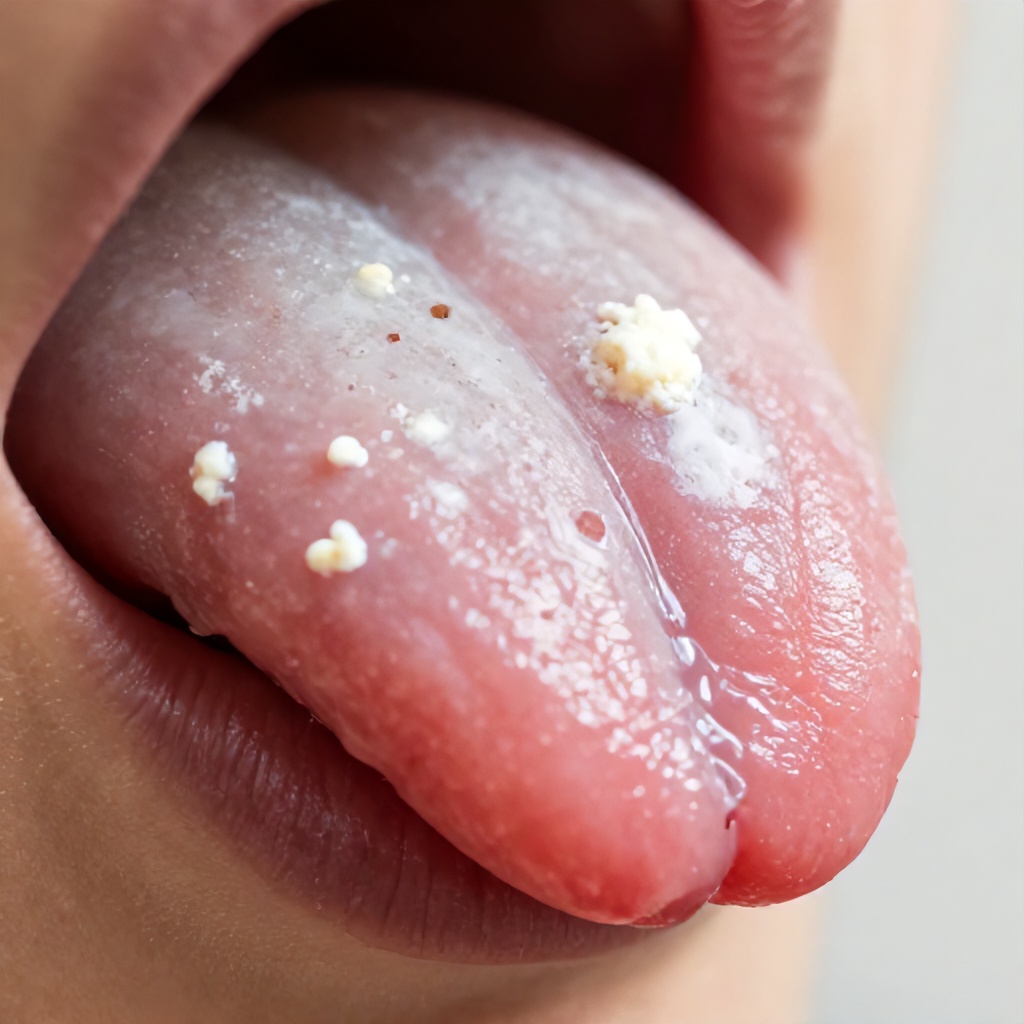
What Exactly is a White Coated Tongue?
Your tongue’s surface isn’t perfectly smooth; it’s covered in tiny bumps called lingual papillae. Normally, these papillae are pinkish-red and allow you to taste and feel textures. A white coated tongue occurs when food debris, dead skin cells, bacteria, and sometimes fungi get trapped between these papillae, creating a visible white layer or film. This coating can vary in thickness and texture, appearing as a thin, milky film or a thicker, cottage-cheese-like layer.
While a light, transient coating might be a normal part of your oral cavity’s daily activity, a persistent or unusually thick white coating often points to a specific issue. It’s a key oral symptom that dental professionals look for during a clinical examination because it can offer clues about your general health, not just your oral hygiene habits.
Why Does Your Tongue Get a Coating?
The tongue’s unique anatomy makes it a perfect breeding ground for microorganisms and cellular debris. The filiform papillae, which are the most numerous and smallest papillae, are particularly good at trapping particles. When saliva flow is reduced, or when there’s an overgrowth of certain microbes, this accumulation becomes more pronounced, leading to a visible tongue coating.
Think of it as a build-up on a carpet that hasn’t been vacuumed. The surface of your tongue, with its intricate structure, can easily hold onto these particles. This accumulation is a natural process, but when it becomes excessive or changes in appearance, it’s time to investigate further.
Common Causes of a White Coated Tongue
Many factors can contribute to a white coated tongue, some benign and easily resolved, others requiring medical or dental intervention. Identifying the cause is a crucial step in patient assessment and proper oral diagnosis.
Poor Oral Hygiene
This is perhaps the most straightforward cause. If you’re not regularly brushing your teeth and, importantly, cleaning your tongue, bacteria, food particles, and dead cells will accumulate. This neglect creates an ideal environment for a white coating to form, often accompanied by halitosis (bad breath) due to bacterial activity on the tongue surface.
Dehydration
When your body lacks sufficient fluids, saliva production can decrease. Saliva acts as a natural cleanser, washing away debris and bacteria. Without adequate hydration, these particles can linger on the tongue, contributing to a white appearance. This is a common occurrence after waking up or during periods of illness.
Oral Thrush (Candidiasis)
Oral thrush is a fungal infection caused by an overgrowth of Candida albicans, a yeast that naturally lives in your mouth. While normally kept in check by your immune system and other oral bacteria, certain conditions can allow it to proliferate. This results in thick, creamy white patches on the tongue, inner cheeks, roof of the mouth, and throat. These patches can often be scraped away, sometimes revealing red, tender areas underneath. It’s more common in infants, the elderly, people with weakened immune systems, those taking certain medications (like antibiotics or corticosteroids), or individuals with diabetes.
Geographic Tongue
Also known as benign migratory glossitis, geographic tongue is a harmless condition where parts of your tongue are missing papillae, appearing as smooth, red patches. These patches are often surrounded by raised white borders, giving the tongue a map-like appearance. While not strictly a “white coated tongue,” the white borders can sometimes be mistaken for a coating. It tends to shift location over days or weeks and is usually asymptomatic, though some people report sensitivity to certain foods.
Oral Lichen Planus
This is a chronic inflammatory condition that can affect the skin and mucous membranes, including the oral mucosa. When it affects the mouth, it often presents as white, lacy patterns (Wickham’s striae) on the inside of the cheeks, gums, or tongue. It can also appear as red, swollen patches or open sores. The white patterns on the tongue can resemble a coating. The exact cause is unknown, but it’s thought to be an autoimmune response.
Leukoplakia
Leukoplakia refers to thick, white patches on the tongue, inside of the cheeks, or on the floor of the mouth that cannot be scraped off. Unlike oral thrush, these patches are typically firm and don’t cause pain. While most leukoplakia patches are benign, some can show precancerous changes. Smoking and heavy alcohol use are significant risk factors. Any persistent white patch that doesn’t resolve should be examined by a dental professional promptly.
Smoking and Alcohol Use
Tobacco smoke and alcohol can irritate the oral tissues, leading to inflammation and an accumulation of dead cells on the tongue surface. Smoking, in particular, can cause a condition called “hairy tongue,” where the filiform papillae become elongated and discolored, often appearing white, yellow, brown, or even black. This is due to a failure of the normal shedding process of the papillae.
Certain Medications
Some medications, particularly broad-spectrum antibiotics, can disrupt the natural balance of bacteria in the mouth, leading to an overgrowth of yeast and subsequent oral thrush. Other medications might cause dry mouth (xerostomia), which, as mentioned, can contribute to tongue coating.
Fever or Illness
During a fever or general illness, the body can become dehydrated, and oral hygiene might be neglected, both contributing to a white tongue. Additionally, some systemic illnesses can manifest with oral symptoms, including changes in tongue appearance.
When to Be Concerned: Red Flags
While many causes of a white coated tongue are harmless, certain signs warrant a visit to your dentist or doctor. Pay attention to these indicators:
- The white coating persists for more than a few weeks.
- You experience pain or burning sensations on your tongue.
- You have difficulty eating, swallowing, or speaking.
- The white patches are accompanied by other oral symptoms like red lesions, sores, or lumps.
- You develop a fever or other systemic symptoms alongside the white tongue.
- The white patches cannot be scraped off.
These signs suggest that the white coating might be more than just a simple hygiene issue and could indicate a more serious underlying condition that requires a proper medical examination.
The Oral Health Examination: What Your Dental Professional Looks For
During a dental examination, your dental professional performs a thorough patient assessment, which includes a comprehensive visual inspection of your entire oral cavity. Identifying a white coated tongue is just one part of this detailed check-up.
Visual Inspection and Diagnostic Tools
Your dentist will use a dental mirror and a good light source to carefully examine your tongue surface. They will look at the color, texture, and pattern of the lingual coating. They’ll note its thickness, location, and whether it extends to other parts of the oral mucosa. Sometimes, a piece of gauze is used to gently hold the tongue for better visualization and to check if the coating can be easily scraped away. This simple test helps differentiate between conditions like oral thrush (which often scrapes off) and leukoplakia (which typically does not).
They will also assess the overall health of your lingual papillae and look for any signs of inflammation, lesions, or other tongue discoloration. The examination isn’t limited to the tongue; the lips, cheeks, gums, palate, and throat are all carefully inspected for any abnormalities.
Patient Assessment and Medical History
Beyond the visual check, your dental professional will ask about your medical history, including any current medications, chronic conditions (like diabetes or autoimmune diseases), and lifestyle habits (smoking, alcohol consumption). They’ll inquire about your oral hygiene routine, recent illnesses, and any other oral symptoms you might be experiencing, such as pain, burning, or changes in taste. This comprehensive approach helps them piece together the puzzle and arrive at an accurate oral diagnosis.
Differential Diagnosis
Based on their findings, your dentist will consider several possibilities, a process known as differential diagnosis. They’ll weigh the likelihood of common causes like poor oral hygiene or dehydration against more specific conditions like oral thrush, geographic tongue, or leukoplakia. In some cases, if a suspicious lesion is identified, they might recommend further diagnostic tools, such as a biopsy, to rule out more serious conditions. This clinical examination is crucial for ensuring proper oral care and timely intervention.
How to Examine Your Own Tongue
While a dental professional provides the most thorough assessment, you can perform a quick self-examination at home to monitor your tongue health. This simple mouth examination can help you spot changes early.
- Stand in front of a well-lit mirror.
- Open your mouth wide and stick out your tongue as far as comfortable.
- Look at the top surface of your tongue. Note its color, texture, and any unusual patches or coatings.
- Use your fingers to gently pull your tongue to one side, then the other, to examine the sides.
- Lift your tongue to the roof of your mouth to inspect the underside.
- Look for any changes in color, bumps, sores, or white patches that don’t go away.
- Repeat this self-check regularly, perhaps once a week, to become familiar with your normal tongue appearance.
If you notice anything concerning or persistent, don’t hesitate to schedule an appointment with your dental professional. Early detection is key for many oral health issues.
Treatment and Management for a White Coated Tongue
The treatment for a white coated tongue depends entirely on its underlying cause. Once a dental professional has performed a thorough dental examination and made an oral diagnosis, they can recommend the appropriate course of action.
Improved Oral Hygiene
For coatings caused by poor oral hygiene, the solution is straightforward: step up your oral care routine. This includes brushing your teeth thoroughly twice a day, flossing daily, and crucially, cleaning your tongue. Tongue scraping or brushing can remove the accumulated debris, bacteria, and dead cells from the tongue surface, significantly reducing the white coating and improving halitosis. There are various dental instruments designed for tongue cleaning, from simple tongue scrapers to specialized toothbrushes with tongue cleaners on the back.
Hydration
If dehydration is a factor, increasing your fluid intake is essential. Drinking plenty of water throughout the day helps maintain adequate saliva flow, which naturally cleanses the oral cavity and reduces the likelihood of tongue coating.
Addressing Oral Thrush
For oral thrush caused by Candida albicans, antifungal medications are typically prescribed. These can come in the form of lozenges, rinses, or oral tablets, depending on the severity and extent of the infection. It’s also important to identify and manage any underlying conditions that might predispose you to thrush, such as poorly controlled diabetes or medication side effects.
Managing Underlying Conditions
When the white coated tongue is a symptom of a more complex issue like oral lichen planus, leukoplakia, or even certain systemic diseases, the treatment will focus on managing that specific condition. This might involve topical medications, lifestyle changes (like quitting smoking for leukoplakia), or referral to a specialist for further evaluation and care. Your dental professional plays a vital role in coordinating this care.
Prevention Tips for a Healthy Tongue
Maintaining good oral health is your best defense against a white coated tongue and many other oral symptoms. Simple, consistent habits make a big difference.
- Brush and Floss Regularly: Commit to brushing your teeth twice a day and flossing once a day to remove plaque and food particles from all surfaces of your teeth and gums.
- Clean Your Tongue Daily: Incorporate tongue cleaning into your daily oral hygiene routine. Use a tongue scraper or a toothbrush with a tongue cleaner to gently remove the lingual coating. Start from the back of your tongue and move forward, rinsing the scraper after each pass.
- Stay Hydrated: Drink plenty of water throughout the day to keep your mouth moist and support healthy saliva production.
- Eat a Balanced Diet: A diet rich in fruits, vegetables, and whole grains supports overall health, including oral health. Limit sugary and acidic foods and drinks that can contribute to bacterial overgrowth.
- Avoid Tobacco and Limit Alcohol: Smoking and excessive alcohol consumption are detrimental to oral health and can contribute to various tongue conditions, including persistent white coatings and more serious lesions.
- Schedule Regular Dental Check-ups: Visit your dental professional for routine dental examinations and cleanings. These appointments allow for early detection of potential issues, including changes in your tongue’s appearance, and provide an opportunity for professional oral care advice.
By adopting these practices, you can significantly reduce the chances of developing a white coated tongue and ensure your oral cavity remains healthy and vibrant. Remember, your tongue is a window to your overall health, so pay attention to its signals.