
Why Do Blackheads and Congested Pores Happen?
Blackheads and the general feeling of congested pores are incredibly common skin concerns, affecting people of all ages and skin types. They’re those tiny, dark bumps that often appear on the nose, chin, and forehead, and while not typically painful or inflamed like pimples, they can certainly be frustrating and impact skin texture. Understanding the root causes is the first, and most important, step toward clearer, smoother skin. It all boils down to what’s happening deep within your skin’s pores.

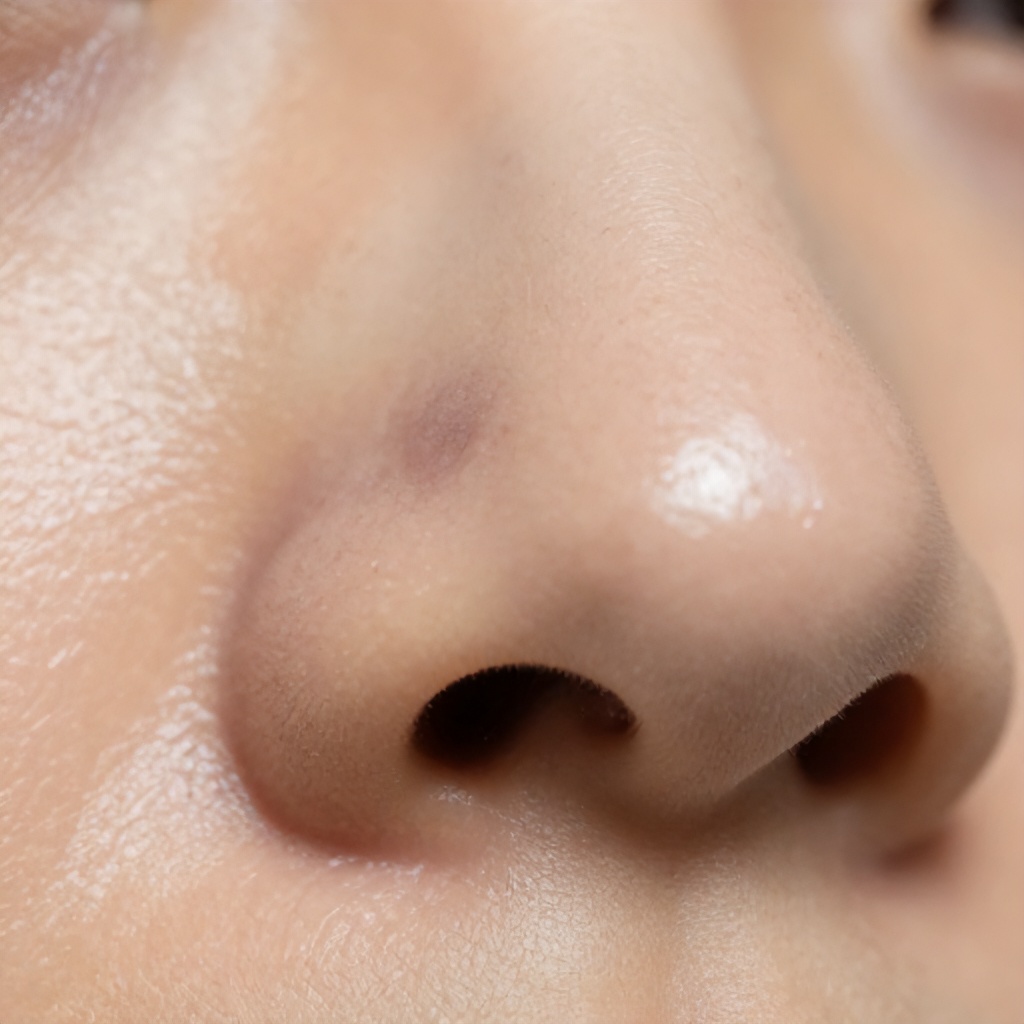
The Anatomy of a Pore
To really grasp why blackheads form, we need a quick peek at the basic structure of our skin. Each pore, or follicular ostium, is essentially an opening for a hair follicle. Within this follicle, you’ll find a hair and, crucially, a sebaceous gland. These oil glands are responsible for producing sebum, a natural oil that lubricates and protects our skin and hair. This is a good thing! Sebum keeps our skin from drying out and acts as a natural barrier. The problem arises when this natural process goes a little haywire, leading to pore blockage.
Think of your pores not as little holes that need to be shrunk, but as tiny factories. Each factory has a conveyor belt (the hair) and a production line (the sebaceous gland making sebum). When everything is running smoothly, sebum travels up the hair shaft and onto the skin surface, doing its job. However, sometimes the production line gets overloaded, or the conveyor belt gets clogged, and that’s where the trouble starts. This is the fundamental mechanism behind many forms of epidermal congestion.
Sebum Production: The Double-Edged Sword
Sebum production is a natural and necessary bodily function. It’s influenced by a variety of factors, including genetics, hormones, and even diet. When sebum production is balanced, it contributes to healthy, supple skin. However, when the oil glands go into overdrive, a condition known as hyperseborrhea, it can lead to an excess of sebum on the skin’s surface. This excess oil is a primary ingredient in the recipe for clogged pores.
Hormonal fluctuations are a major player here. During puberty, pregnancy, menstruation, and periods of stress, hormone levels can surge, particularly androgens. These hormones stimulate the sebaceous glands to produce more sebum. This is why acne and blackheads are so prevalent during teenage years and can flare up at different times in adulthood. It’s not just about having oily skin; it’s about the rate at which your skin is producing oil.
Genetics also play a significant role. Some individuals are simply predisposed to having more active sebaceous glands or producing a thicker, more viscous type of sebum. This can make their pores more prone to congestion, regardless of external factors. Dermatological studies have consistently shown a genetic component to acne vulgaris and related conditions like comedones.
Keratin Buildup: The Other Major Culprit
Beyond excess oil, another key component in pore congestion is keratin. Keratin is a protein that makes up our hair, skin, and nails. Our skin is constantly shedding dead skin cells, a process called desquamation. Normally, these dead cells slough off unnoticed. However, sometimes this shedding process doesn’t happen as efficiently as it should. This can be due to a variety of reasons, including dehydration, lack of exfoliation, or even certain skin conditions. When dead skin cells don’t shed properly, they can accumulate within the hair follicle.
This accumulation of dead skin cells, combined with excess sebum, creates a sticky plug. This plug forms inside the pore, preventing sebum from reaching the skin’s surface. This is the essence of follicular hyperkeratosis – the abnormal buildup of keratin within the hair follicle. This plug is what we commonly refer to as a comedone. The pore blockage is now complete.
The Blackhead Phenomenon: Oxidation is Key
So, what makes a blackhead black? This is where the term “comedone” comes into play. When that plug of sebum and dead skin cells is trapped within the pore, it’s initially a whitish or yellowish color. However, the opening of the pore is exposed to the air. When the sebum and other components within the plug come into contact with oxygen, they undergo a process called oxidation. This is very similar to how a cut apple turns brown when left out.
This oxidation causes the melanin (pigment) in the sebum and skin cells to darken, giving the blackhead its characteristic dark appearance. It’s important to understand that the black color is not dirt. This is a common misconception. Dermatological imaging techniques can clearly show the internal structure of these lesions, confirming that the dark color is due to oxidation, not external grime. The presence of sebaceous filaments, which are naturally occurring structures in pores that can appear as tiny dark dots, can sometimes be mistaken for blackheads, but they are a normal part of skin anatomy and don’t typically lead to inflammation.
Factors Contributing to Pore Congestion
While excess sebum and keratin buildup are the primary mechanisms, several external and internal factors can exacerbate pore congestion and contribute to the formation of blackheads and other skin impurities:
Skincare Habits and Product Choices
The products you use on your skin can have a significant impact. Heavy, occlusive moisturizers or makeup can contribute to pore blockage by trapping oil and dead skin cells. Ingredients like certain silicones, mineral oils, and even some natural butters can be comedogenic for some individuals, meaning they are more likely to clog pores. This is why understanding your skin type and choosing non-comedogenic products is so important for maintaining good cutaneous health.
Conversely, not cleansing your skin thoroughly can also be a problem. If you don’t remove makeup, sunscreen, and daily grime effectively, these impurities can mix with sebum and dead skin cells, creating a breeding ground for congestion. This doesn’t mean you need to strip your skin; harsh scrubbing or over-cleansing can actually damage the skin barrier health, leading to further issues.
Environmental Factors
Living in a polluted environment can expose your skin to dirt, debris, and other particles that can contribute to pore blockage. High humidity and heat can also increase sebum production, making your skin more prone to congestion. Even touching your face frequently with unwashed hands can transfer bacteria and dirt, potentially worsening existing issues or creating new ones.
Diet and Lifestyle
While the link between diet and acne is complex and still debated, some studies suggest that high-glycemic index foods (foods that cause rapid spikes in blood sugar) and certain dairy products might exacerbate breakouts for some individuals. Stress is another significant factor. When you’re stressed, your body releases cortisol, a hormone that can increase sebum production. This can lead to increased pore congestion and the appearance of more skin surface irregularities.
Hormonal Imbalances
As mentioned earlier, hormonal shifts are a major driver of increased sebum production. This is why conditions like Polycystic Ovary Syndrome (PCOS) can be associated with significant skin congestion and acne. Fluctuations related to the menstrual cycle can also cause temporary flare-ups of blackheads and other non-inflammatory acne lesions.
Genetics and Skin Type
Some people are genetically predisposed to having larger pores or producing more sebum. This doesn’t mean you’re doomed to a life of congested skin, but it does mean you might need to be more diligent with your skincare routine. Individuals with oily or combination skin types are generally more susceptible to blackheads and pore congestion than those with dry skin.
Understanding Sebaceous Filaments vs. Blackheads
It’s worth taking a moment to differentiate between blackheads and sebaceous filaments, as they are often confused. Sebaceous filaments are a normal part of the pilosebaceous unit (the hair follicle and sebaceous gland). They are the tiny, yellowish or grayish lines that you might see on your nose or chin. They are essentially a collection of sebum and dead skin cells that line the pore wall and help sebum travel to the skin’s surface. They are not a blockage and do not typically lead to inflammation or pimples. They are a natural part of facial skin anatomy.
Blackheads, on the other hand, are a form of non-inflammatory acne. They are a true blockage within the pore. The key difference is that the follicular ostium of a blackhead is open and exposed to the air, leading to oxidation and the dark color, whereas sebaceous filaments are more of a lining within the pore. While you can’t eliminate sebaceous filaments entirely (they are normal!), you can manage their appearance and prevent them from contributing to more significant pore blockage.
The Impact on Skin Texture
Persistent blackheads and general pore congestion can significantly affect your skin texture. The buildup of sebum and dead skin cells can make the skin feel rough, uneven, and dull. Pores that are consistently filled can also appear larger and more prominent, contributing to what many describe as “enlarged pores.” This is because the constant stretching and filling of the pore can lead to a loss of elasticity over time. Addressing the underlying causes of congestion is therefore essential for achieving smoother, more refined skin texture.
When to Seek Professional Advice
While many cases of blackheads and pore congestion can be managed with a consistent at-home skincare routine, there are times when consulting a dermatologist is beneficial. If you experience persistent, severe, or inflammatory acne, or if your skin concerns are significantly impacting your self-confidence, a dermatological professional can offer personalized advice and prescription treatments. They can also help rule out any underlying medical conditions that might be contributing to your skin issues. They have access to advanced diagnostic tools, including dermatological imaging, to assess the depth and severity of pore blockage and follicular hyperkeratosis.
Understanding the intricate interplay of sebum production, keratin buildup, and external factors is the foundation for effectively managing blackheads and congested pores. By adopting a consistent and informed skincare approach, you can work towards clearer, healthier-looking skin.