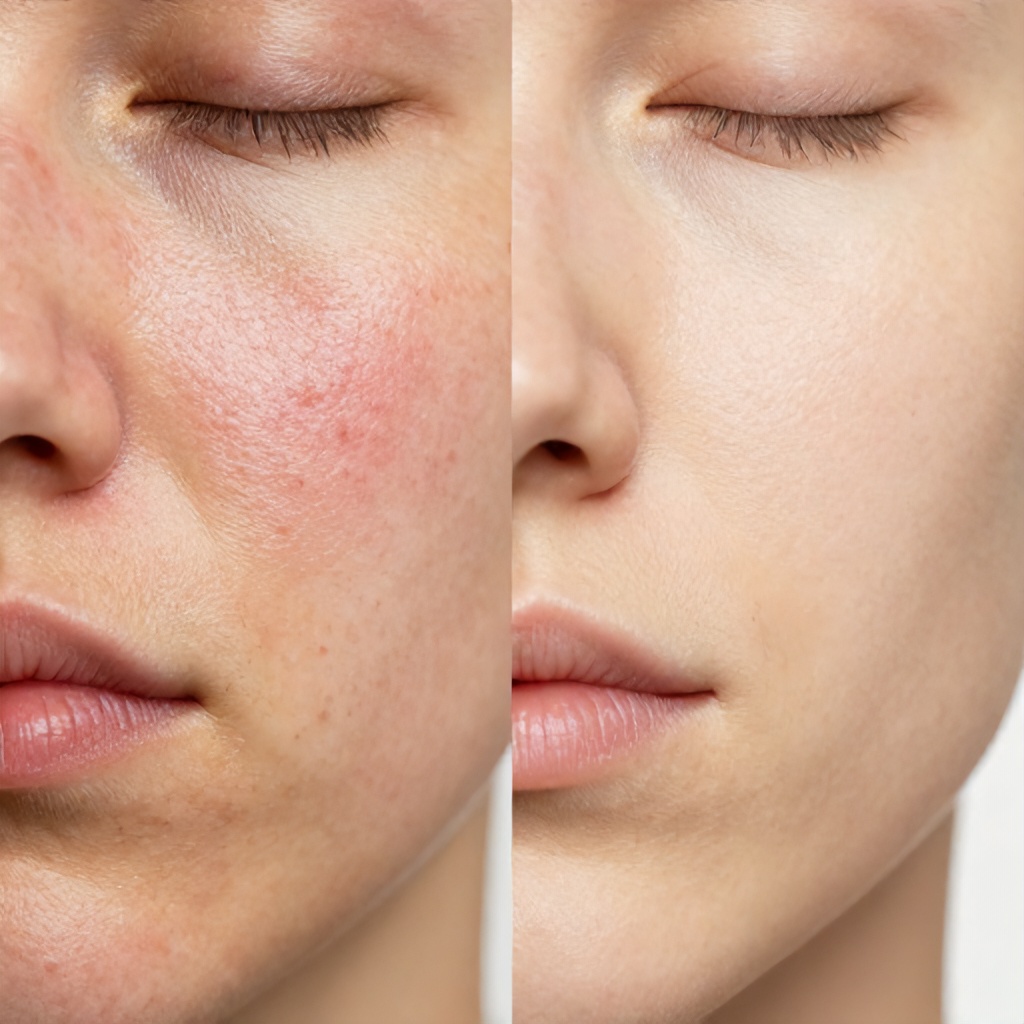
Acne treatment before and after comparisons offer compelling visual proof of how effective a targeted skincare regimen can be, revealing significant skin transformation from congested skin to a clear complexion. These side-by-side comparisons often highlight the journey from inflamed skin riddled with breakouts and blemishes to smooth, healthy skin with improved skin texture.
Understanding Acne: What’s Happening Under Your Skin?
Acne is more than just a few pimples; it’s a common skin condition that affects millions, stemming from a complex interplay of factors beneath the skin’s surface. Understanding these underlying mechanisms is the first step toward finding an effective dermatological solution. When we talk about clear skin, we’re aiming to address these root causes directly.
The Root Causes of Breakouts
Several factors contribute to the development of acne. Primarily, it begins when hair follicles become clogged with oil (sebum) and dead skin cells. Our skin naturally produces sebum to keep it moisturized, but sometimes glands produce too much. This excess oil, combined with dead skin cells, creates a perfect environment for bacteria, particularly Propionibacterium acnes (P. acnes), to multiply rapidly. This bacterial growth then triggers skin inflammation, leading to redness and swelling. Hormonal fluctuations, especially during puberty, menstruation, or pregnancy, can also increase sebum production, intensifying the problem. Genetics play a role too; if your parents had acne, you’re more likely to experience it. Stress doesn’t directly cause acne, but it can worsen existing breakouts by influencing hormone levels.
Types of Acne and What They Look Like
Acne manifests in various forms, each requiring a slightly different approach to treatment. Understanding what you’re dealing with can guide your choice of skincare product.
- Blackheads and Whiteheads (Comedones): These are non-inflammatory lesions. Blackheads are open clogged pores where the surface melanin oxidizes, making them appear dark. Whiteheads are closed clogged pores, appearing as small, flesh-colored bumps.
- Papules: Small, red, tender bumps that lack a white head. These indicate mild inflammation.
- Pustules: Similar to papules but with a visible center of pus. These are often what people refer to as “pimples.”
- Nodules: Large, solid, painful lumps deep within the skin. They result from severe inflammation and can persist for weeks or months.
- Cysts: Large, painful, pus-filled lesions deep under the skin. Cysts are the most severe form of acne and can lead to significant scarring.
Each type contributes to congested skin and requires a targeted acne treatment plan to achieve truly blemish-free skin.
The Power of Before and After: Seeing Real Skin Transformation
Few things are as motivating as seeing tangible results, and this is where before and after photos shine. They provide undeniable evidence of progress and inspire hope for those struggling with persistent skin issues.
Why Visual Evidence Matters
Before and after results offer a powerful narrative of skin health improvement. They allow individuals to track the effectiveness of their skincare regimen over time, noting changes that might be subtle day-to-day but dramatic when viewed side-by-side. For many, these images are not just about aesthetics; they represent a journey towards greater confidence and comfort in their own skin. They validate the effort and patience invested in consistent acne treatment. When you’re feeling discouraged by slow progress, looking back at where you started can be an incredible boost. It reminds you that the visible improvement is real, even if it feels gradual.
What to Look For in a Side-by-side Comparison
When evaluating before and after photos, look beyond just the absence of large blemishes. A successful skin transformation involves several key indicators:
- Reduced Redness and Inflammation: The “before” photo often shows widespread redness, particularly around active breakouts. The “after” should display a significant reduction in overall facial skin redness and irritation.
- Fewer Active Breakouts: This is the most obvious change. Count the number of active pimples, papules, or pustules. The “after” should show a dramatic decrease.
- Improved Skin Texture: Congested skin often looks uneven and bumpy. Look for smoother skin in the “after” picture, with a more refined and even surface.
- Fading of Post-Inflammatory Marks: Acne often leaves behind red or dark spots (post-inflammatory erythema or hyperpigmentation). The “after” should show these marks fading, contributing to a more uniform clear complexion.
- Reduced Pore Size: While pores can’t truly shrink, effective treatment can make them appear smaller by keeping them clean and unclogged.
- Overall Radiance: Healthy skin has a natural glow. The “after” photo should reflect a more vibrant and healthy appearance.
These detailed observations help confirm that the acne treatment has truly worked to restore skin health.
Effective Acne Treatment Options and Their Impact
The path to blemish-free skin involves a range of treatment options, from over-the-counter topical solutions to prescription medications and professional procedures. The right choice depends on the severity and type of acne.
Topical Treatments: Your First Line of Defense
For mild to moderate acne, topical treatments are often the first recommendation. These products are applied directly to the facial skin and work to target specific issues like excess oil, bacteria, and clogged pores.
- Benzoyl Peroxide: This ingredient is a powerful antibacterial agent. It kills acne-causing bacteria and helps to shed dead skin cells from pores. Before and after results often show a reduction in inflammatory lesions (papules and pustules) and overall redness. It’s widely available in various strengths and forms, from washes to creams.
- Salicylic Acid: A beta-hydroxy acid (BHA), salicylic acid is oil-soluble, meaning it can penetrate deep into pores to dissolve sebum and dead skin cells. It’s excellent for treating blackheads and whiteheads and preventing new clogged pores. Visible improvement includes smoother skin texture and fewer non-inflammatory bumps.
- Retinoids (Retinol, Tretinoin, Adapalene): These vitamin A derivatives are incredibly effective at normalizing cell turnover, preventing follicles from becoming clogged. They also have anti-inflammatory properties. Topical retinoids are often a cornerstone of an acne treatment regimen, leading to significant skin transformation over several months. You might see a glass dropper bottle for some retinoid serums. The “before” might show widespread congestion, while the “after” reveals a much clearer, more even facial complexion.
Consistent application of these topical treatments is crucial for seeing the desired before and after results.
Oral Medications: When Topicals Aren’t Enough
When topical treatments don’t provide sufficient improvement, or for more severe, widespread acne, dermatologists may prescribe oral medications.
- Antibiotics: Oral antibiotics work by reducing acne-causing bacteria and decreasing inflammation throughout the body. They are typically used for a limited time to get severe breakouts under control, often alongside topical treatments. Before and after photos often show a dramatic reduction in skin inflammation and painful cystic lesions.
- Isotretinoin (formerly Accutane): This powerful medication is reserved for severe, persistent cystic acne that hasn’t responded to other treatments. It works by significantly reducing oil gland size and sebum production, preventing clogged pores, and reducing inflammation. The skin transformation from isotretinoin is often profound, leading to long-term blemish-free skin for many individuals. However, it comes with significant side effects and requires close medical supervision.
- Hormonal Therapies: For women whose acne is linked to hormonal fluctuations, oral contraceptives or anti-androgen medications can be effective. They work by regulating hormones that contribute to excess sebum production. Over several months, these treatments can lead to a clearer complexion and fewer hormonal breakouts.
These systemic treatments target acne from within, often providing a more comprehensive solution for widespread or deeply rooted issues.
In-Office Procedures: Professional Help for Persistent Acne
For stubborn acne or to address acne scars and marks, dermatologists offer various in-office procedures that can dramatically enhance before and after results.
- Chemical Peels: A chemical solution is applied to the skin to exfoliate the top layers, reducing clogged pores, improving skin texture, and fading post-inflammatory marks. A series of peels can lead to noticeably smoother skin and a more even facial complexion.
- Laser and Light Therapies: These treatments can target acne-causing bacteria, reduce oil production, and minimize redness and inflammation. Certain lasers also help improve the appearance of acne scars. The visible improvement can be substantial, especially for persistent redness and uneven texture.
- Acne Extractions: A dermatologist can safely remove blackheads and whiteheads using sterile tools. While not a long-term solution, extractions can quickly clear congested skin and improve the immediate appearance of the skin.
- Corticosteroid Injections: For large, painful cysts, a diluted corticosteroid can be injected directly into the lesion to reduce inflammation and pain rapidly, preventing potential scarring.
These professional interventions can significantly accelerate the journey to clear skin, especially when combined with a consistent home skincare regimen.
Building Your Skincare Regimen for Clear Skin
Achieving and maintaining blemish-free skin isn’t just about one miracle product; it’s about a consistent, well-thought-out skincare regimen tailored to your skin’s needs.
Essential Steps for Daily Skin Health
A foundational routine is key to supporting any acne treatment.
- Gentle Cleansing: Wash your face twice daily with a mild, pH-balanced cleanser. Avoid harsh scrubbing, which can irritate inflamed skin and worsen breakouts.
- Targeted Treatment: Apply your prescribed or recommended topical acne treatment. This might be a serum from a glass dropper bottle or a cream. Give it time to absorb.
- Moisturize: Even oily or acne-prone skin needs moisture. Choose a non-comedogenic (won’t clog pores) moisturizer to prevent dryness and support the skin barrier.
- Sun Protection: Daily use of a broad-spectrum SPF 30+ sunscreen is non-negotiable, especially when using retinoids, which can increase sun sensitivity. Sun protection also helps prevent the darkening of post-inflammatory marks.
This simple yet effective routine lays the groundwork for improved skin texture and a clearer complexion.
Consistency is Key for Blemish-free Skin
Patience and consistency are paramount when it comes to acne treatment. Skin transformation doesn’t happen overnight. Many treatments take weeks, if not months, to show significant before and after results. Sticking to your skincare regimen every single day, even when you don’t see immediate changes, is essential. Skipping applications or constantly switching products can irritate your skin and prevent any single product from working effectively. Think of it as a marathon, not a sprint, towards healthy skin. The cumulative effect of consistent care is what ultimately leads to visible improvement and a truly clear complexion.
Realistic Expectations and Maintaining Your Clear Complexion
While before and after photos can be incredibly inspiring, it’s important to set realistic expectations for your own skin health journey. Everyone’s skin responds differently, and progress isn’t always linear.
The Journey to Smooth Skin Takes Time
Expect to see initial improvements within 4-6 weeks of starting a new acne treatment, but full results can take 3-4 months or even longer, especially for severe cases. There might be periods where your skin seems to get worse before it gets better, often referred to as “purging,” especially with retinoids. This is a sign that the product is working to bring underlying congestion to the surface. It’s a temporary phase on the path to smoother skin. Remember that achieving blemish-free skin is a process, and celebrating small victories along the way can keep you motivated.
Preventing Future Breakouts and Clogged Pores
Once you’ve achieved a clear complexion, the work isn’t over. Maintaining healthy skin requires ongoing effort. Continue with your effective skincare regimen, even if your acne has cleared. Regular cleansing, targeted treatments (perhaps at a reduced frequency), moisturizing, and sun protection are still vital. Pay attention to lifestyle factors: a balanced diet, adequate sleep, and stress management can all contribute to overall skin health. Avoid picking or squeezing blemishes, as this can worsen inflammation, spread bacteria, and lead to scarring. Regular exfoliation, using gentle chemical exfoliants like salicylic acid, can help prevent new clogged pores from forming.
When to Seek Dermatological Solution
If over-the-counter products aren’t yielding the desired before and after results after several weeks, or if you’re experiencing severe, painful, or cystic acne, it’s time to consult a dermatologist. A professional can accurately diagnose your acne type, recommend prescription-strength medications, or suggest in-office procedures. They can also help manage potential side effects and guide you through the process of achieving and maintaining blemish-free skin. A dermatologist offers a personalized dermatological solution, ensuring your treatment plan is safe and effective for your unique facial skin concerns.