Decoding the Dots: A Close-Up Look at Numbered Facial Markings
Numbered facial markings, often appearing as small circles or dots, can be found on various parts of the face, including the forehead, cheeks, and nose, and understanding their presence offers a unique visual study of skin features.
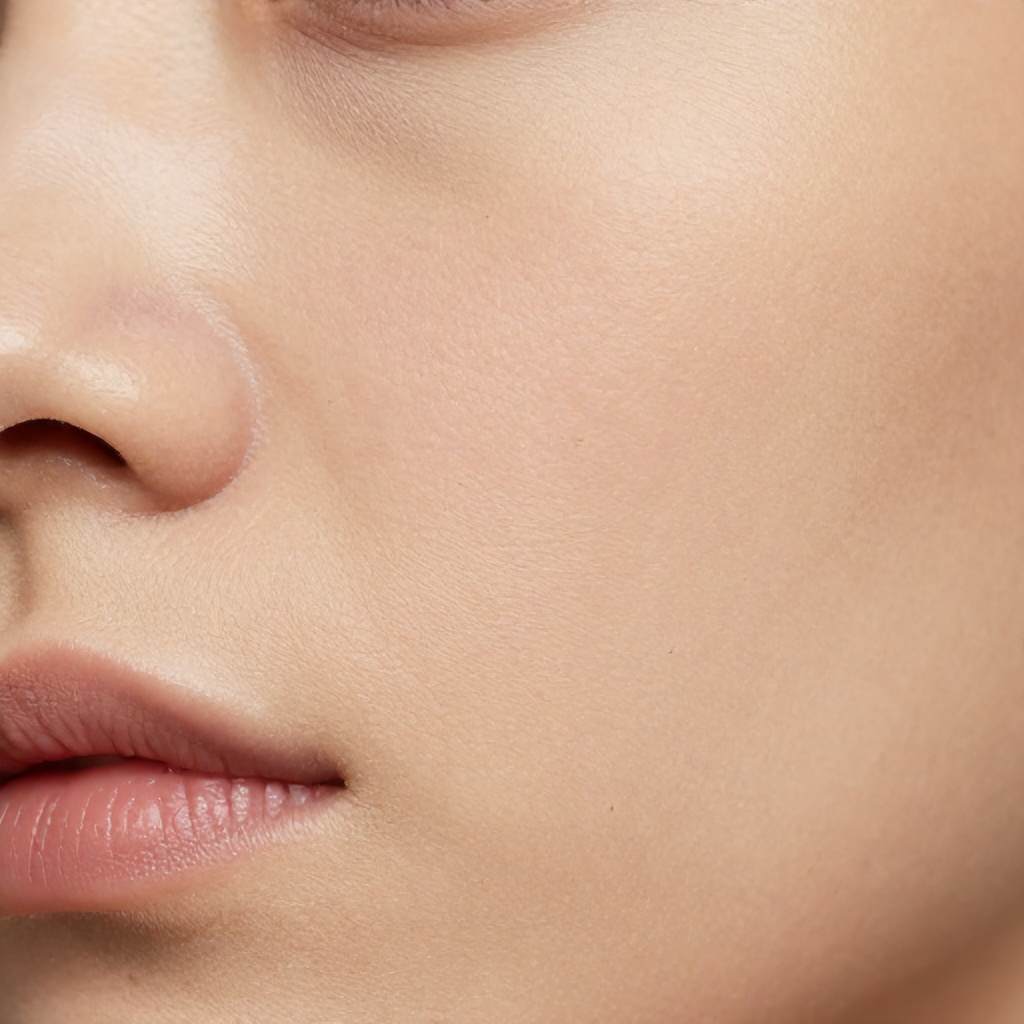
What Are These Markings?
These aren’t random splatters of ink or accidental smudges. Numbered facial markings, in the context of a close-up portrait or a detailed visual study, typically refer to specific, deliberate marks used for various purposes, most commonly in cosmetic application or for anatomical reference. Think of them as tiny, precise indicators on the canvas of the face.
Cosmetic Applications: Precision for Beauty
In the world of makeup artistry and cosmetic procedures, these numbered circles are invaluable tools. They act as precise guides for achieving symmetry and balance. A makeup artist might use a tiny dot or a numbered circle on the forehead to indicate the exact placement for contouring or highlighting. Similarly, on the cheeks, these marks can guide the application of blush for a perfectly even flush, or mark spots for facial fillers to ensure symmetrical results.
For example, when applying contour, a makeup artist might place a small numbered dot on the hollow of the cheekbone. This dot isn’t meant to be seen by the naked eye once the makeup is blended; it’s a temporary roadmap. The numbering itself can denote a sequence of application or a specific depth of color to be applied. This level of detail is what separates a good makeup job from a truly flawless one, especially in close-up portrait photography where every detail is magnified.
Even in the realm of permanent makeup, such as microblading or cosmetic tattooing, these numbered markings play a role. They help artists map out precise areas for pigment application, ensuring that eyebrows are perfectly even or that lip liner is applied with absolute symmetry. The goal is always to enhance natural facial contours, not to create artificial ones, and these little guides are essential for that precision.
Dermatological and Anatomical Reference
Beyond cosmetics, these markings can also appear in dermatological contexts or for anatomical illustration. A dermatologist might use a temporary marker to denote a specific skin blemish or a lesion for tracking its progress or for precise removal. In medical illustrations or anatomical diagrams, numbered dots can pinpoint specific structures or areas of interest on the face, aiding in educational or diagnostic purposes. This offers a topical depth to understanding facial topography.
Imagine a study on pigmentation variations across different facial areas. Numbered circles could be used to highlight specific spots for measurement or comparison. This provides an illustrative and informative way to present complex skin features. It’s a visual language that speaks directly to anatomical features, making them easier to understand and discuss.
The Visual Study: What We See Up Close
When we talk about a close-up study of these numbered facial markings, we’re looking at the skin’s surface with an almost microscopic intensity. The skin itself, with its natural variations in texture, pores, and even subtle pigmentation, becomes the backdrop for these deliberate additions. The neutral skin tone provides a clean slate, allowing the markings to stand out clearly.
Forehead Markings: Mapping the Brow and Beyond
On the forehead, numbered markings might be used to guide the application of brow products, ensuring they are symmetrical and at the ideal height. They can also indicate points for forehead contouring, helping to sculpt the brow bone or the hairline. A skilled artist understands that the forehead is a broad canvas, and precise points are needed to create definition and shape. Brown eyes, with their depth and warmth, often benefit from subtle contouring around the brow area, and these markings ensure that the application is spot-on.
Consider the subtle nuances of forehead topography. A marking might be placed to indicate the highest point of the brow arch, or the outer edge of the brow where it tapers. This level of detail is crucial for achieving a polished look, particularly in high-definition photography or film. The soft lighting often used in portraiture further emphasizes these carefully placed marks, even as they are blended away.
Cheek Markings: Sculpting and Highlighting
The cheeks are prime real estate for cosmetic artistry. Numbered circles here are often used to define the cheekbones, whether through contouring or highlighting. A dot placed just below the cheekbone can guide the application of a darker shade to create a shadow, making the cheekbone appear more prominent. Conversely, a mark on the apex of the cheekbone can indicate where to apply highlighter for a radiant glow.
The symmetry of the cheeks is paramount to facial harmony. These markings ensure that blush is applied evenly on both sides, creating a natural, healthy flush. They can also be used in more advanced techniques, like facial sculpting for special effects makeup, where precise anatomical features need to be exaggerated or altered. The goal is to work with the natural facial contours, enhancing what’s already there.
Nose Markings: Refining the Profile
The nose is notoriously tricky to contour. Numbered markings on the bridge and sides of the nose can be incredibly helpful for creating a more refined appearance. A dot on either side of the bridge can guide the application of a darker shade to narrow the nose, while a dot down the center of the bridge can indicate where to apply a highlight to make it appear straighter or more prominent.
These markings also help in achieving symmetry, ensuring that the nose appears balanced from all angles. For individuals looking to subtly alter the perceived shape of their nose, these precise guides are indispensable. The texture of the skin on the nose, often with larger pores, requires careful product application, and these marks ensure that the blending is done correctly. Even subtle skin blemishes on the nose can be worked around using these precise guides.
Lips and Beyond
While the focus is often on the forehead, cheeks, and nose, numbered markings can extend to other facial areas. For instance, they might be used to guide the application of lip liner or lipstick, ensuring perfect symmetry and a clean edge. They can also be used to mark areas for specialized treatments or to guide the application of freckles or beauty marks for a desired aesthetic.
The study of facial topography is complex, and these simple numbered markings are sophisticated tools within that study. They allow for a detailed examination of how light and shadow interact with the face, and how subtle changes in application can dramatically alter perception. It’s a testament to the power of precision in visual arts and sciences.
The Science and Art Behind the Marks
The use of numbered facial markings bridges the gap between art and science. In cosmetic application, it’s the art of illusion and enhancement, guided by scientific principles of proportion and symmetry. In dermatological or anatomical contexts, it’s the science of observation and documentation, aided by visual clarity.
Dermatoglyphics and Facial Patterns
While not directly related to dermatoglyphics (the study of skin patterns like fingerprints), the concept of precise markings on the skin touches upon the idea of detailed examination of skin features. Dermatoglyphics itself is a complex field, but the principle of using specific points on the skin for identification or study is a common thread. The numbered circles are a more superficial, often temporary, form of such precise marking, serving immediate practical purposes.
Pigmentation and Skin Surface Details
When examining these markings up close, one also becomes acutely aware of the natural pigmentation of the skin. The subtle variations in tone, the presence of freckles, or even minor skin blemishes become apparent. The numbered markings stand in stark contrast to these natural skin surface details, highlighting the intentionality of their placement. The goal is often to work with or around these natural features to create a desired effect.
The Role of Lighting and Neutral Skin Tone
The effectiveness of these numbered markings is greatly enhanced by proper lighting and a neutral skin tone. Soft lighting minimizes harsh shadows and allows for a clearer view of the precise placement of the marks. A neutral skin tone acts as an ideal canvas, ensuring that the markings are easily visible without being obscured by strong undertones. This combination is crucial for both the application process and for any subsequent visual study or close-up portrait.
Conclusion: Precision as a Foundation
Numbered facial markings, whether for cosmetic enhancement, anatomical reference, or artistic illustration, underscore the importance of precision. They are not mere decorations but functional tools that enable artists and professionals to achieve accuracy, symmetry, and desired effects. This close-up study reveals how these seemingly small details contribute significantly to the overall appearance and understanding of facial topography, skin features, and the art of cosmetic application.