
Easy Grilled Chicken Breast for Simple Dinners and Meal Prep
The secret to achieving tender and juicy chicken every single time lies in a combination of proper marination and controlled heat. Whether you are looking for quick dinner solutions or reliable high-protein meal prep, mastering the art of the boneless skinless chicken breast is a fundamental skill for any home cook. This recipe relies on basic pantry staple ingredients to create a flavorful, versatile protein that fits perfectly into gluten-free dinner ideas and dairy-free protein sources alike.

Skip to content
Join my May Reset! →
Home Recipe Index

4.50 from 2 votes
Easy Grilled Chicken Breast
Brittany Mullins
Updated May 14, 2025
GF Gluten-Free
DF Dairy Free
HP High-Protein
Jump to Recipe ▼
2 Comments
Servings: 2 -3
1 hr 15 mins
This post may include affiliate links. Thank you for your support.
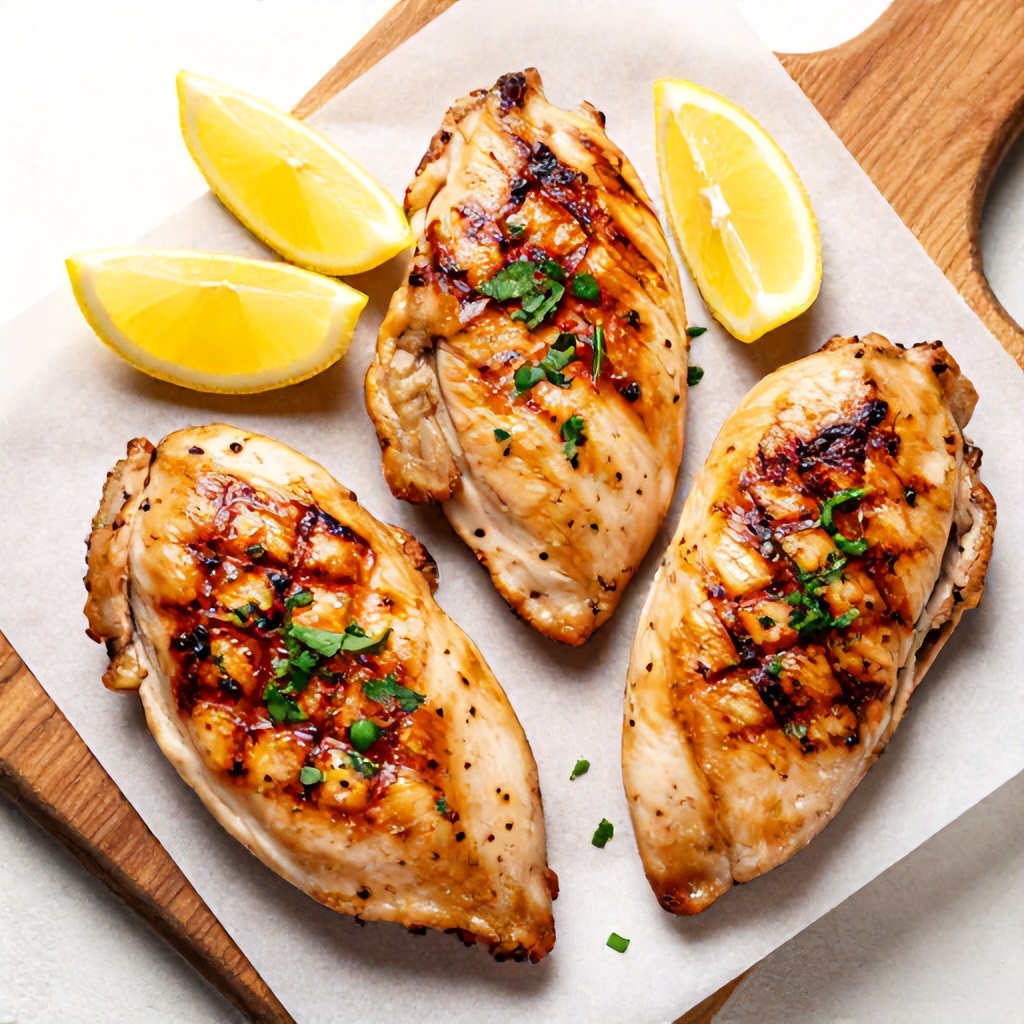
Over the last few weeks, we have made chicken on the grill a few times and it got me thinking about how often people struggle with dry, rubbery meat. I have never shared my go-to recipe for simple grilled chicken breasts until now. While I love experimenting with complex sauces, everyone needs a basic, reliable grilled chicken recipe in their back pocket. With a simple marinade made from items you likely already have in your kitchen and a quick grilling time, this chicken is incredibly flavorful and versatile. Say goodbye to dry and bland poultry, and hello to a lean protein that actually tastes good.
Why You Will Love This Recipe
Consistency is the biggest challenge when working with lean meats. This method ensures you get perfectly tender and moist results without needing fancy equipment. It is a highly versatile recipe that can be served in countless ways. You might pair it with grilled sweet potatoes or roasted broccoli for a balanced plate. It works beautifully in salads, wraps, or tossed into pasta primavera. Because it is so neutral yet savory, it adapts to whatever side dishes you happen to have on hand.
If you are into meal planning, this is a lifesaver. Making a large batch of this grilled chicken allows you to have a ready-to-eat protein source throughout the week. It saves you from the mid-week scramble when you are tired and tempted to order takeout. The process is straightforward, requiring minimal cleanup and very little active time in the kitchen.
Ingredients Needed
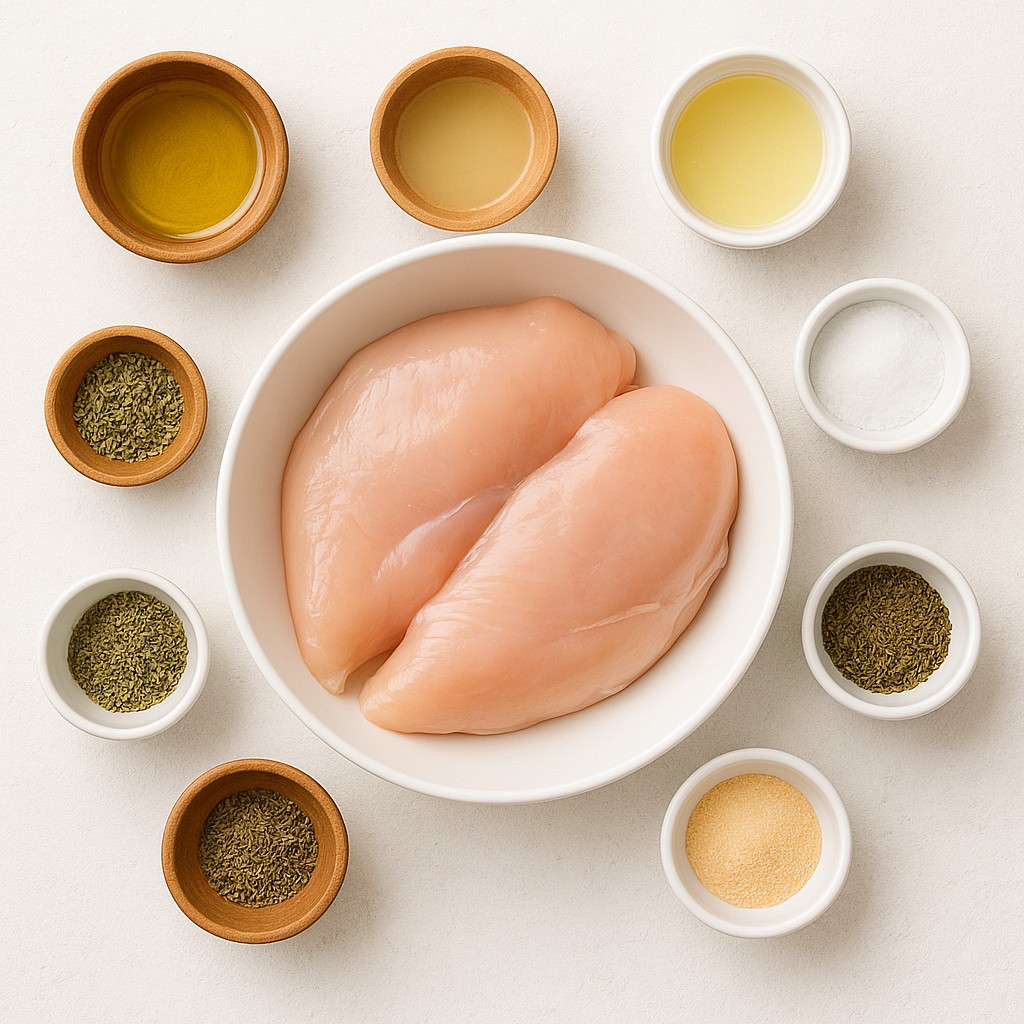
- Boneless skinless chicken breasts: Aim for about 1 to 1 1/4 pounds. Using boneless cuts significantly reduces cooking time and makes for easy slicing once the meat is rested.
- Lemon juice: This acidic marinade component is essential. It helps with meat tenderization by breaking down tough fibers while adding a bright, tangy flavor profile.
- Olive oil: A healthy fat that coats the meat, preventing it from sticking to the grates and helping to conduct heat for a beautiful, golden-brown sear.
- Poultry seasoning blend: Garlic powder, dried thyme, and dried oregano provide a classic, earthy base.
- Salt and black pepper: The most important pantry staples for enhancing the natural flavor of the meat.
How to Make Easy Grilled Chicken Breast
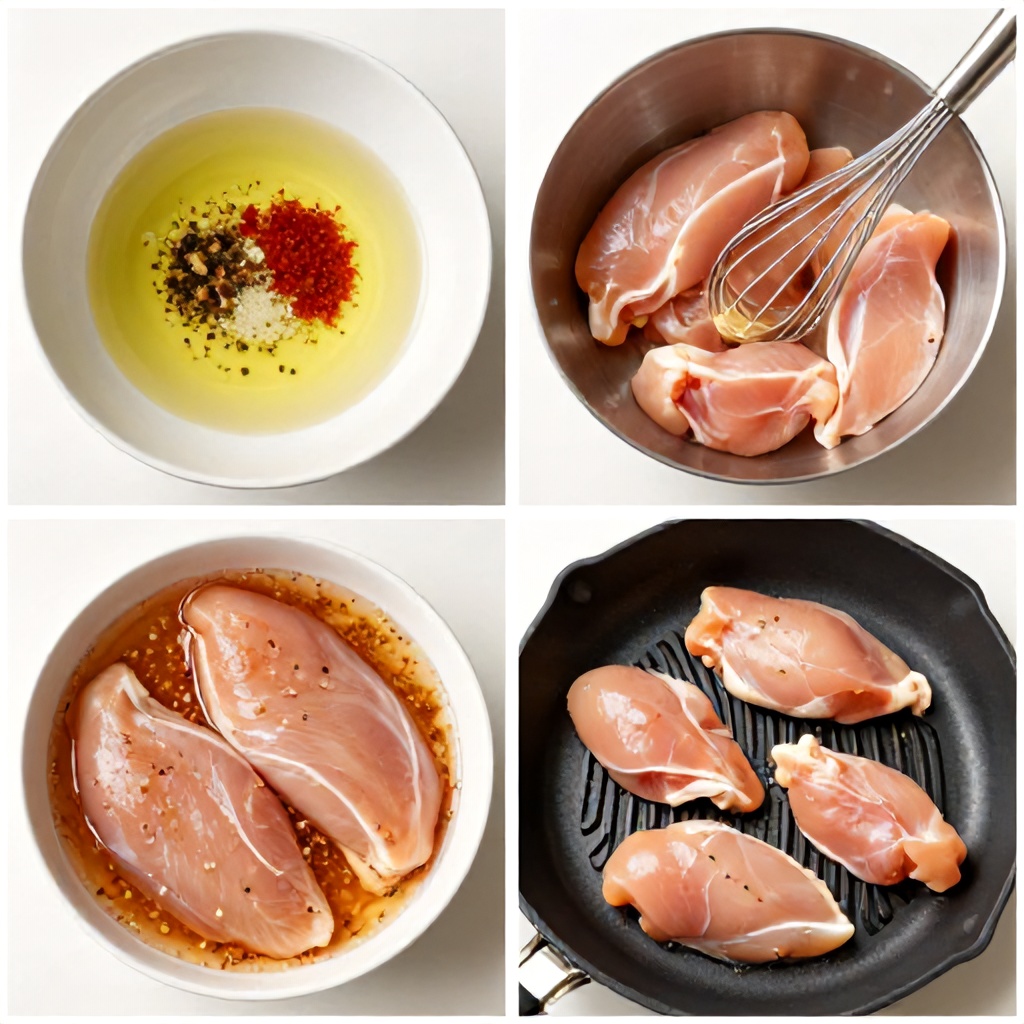
- Make the marinade: Whisk together the lemon juice, olive oil, garlic powder, thyme, oregano, salt, and pepper in a small bowl. Ensure the salt is fully dissolved so it distributes evenly across the chicken.
- Marinate the chicken: Place your chicken in a shallow glass dish or a sealable plastic bag. Pour the marinade over the chicken, ensuring that every surface is well coated. Place the chicken in the refrigerator and let it sit for at least one hour. If you have the time, let it marinate for up to 12 hours for even deeper flavor penetration.
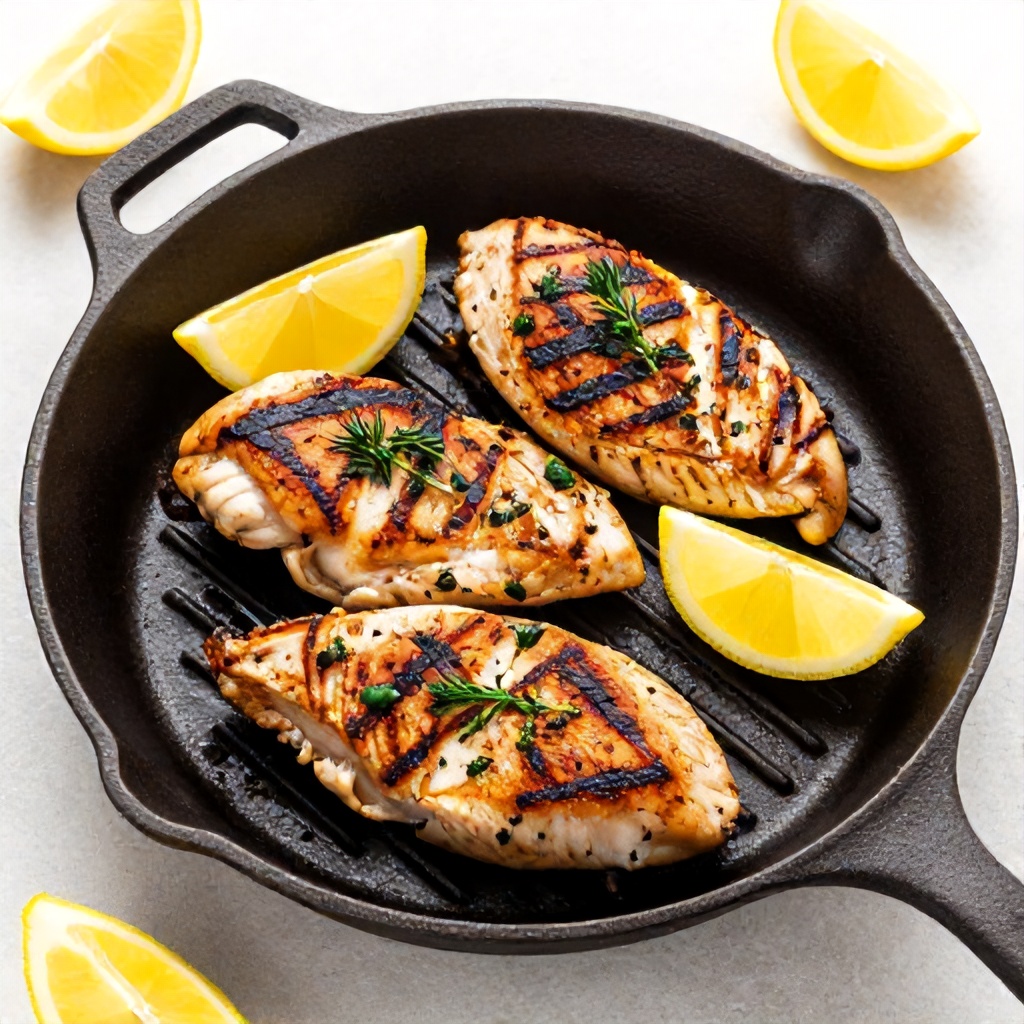
- Grill: When you are ready to cook, remove the chicken from the marinade, shaking off any excess liquid. Heat up your outdoor grill or a stovetop grill pan. Once the surface is hot, add the chicken. Grill for approximately five minutes on each side, flipping with grill-safe tongs. You will know the chicken is done when the internal temperature reaches 165°F.
The Science of Healthy Grilling Techniques
Understanding why we use an acidic marinade is key to improving your culinary techniques. Acid, such as lemon juice or vinegar, begins to denature the proteins on the surface of the meat. This process makes the chicken more tender and allows the herbs and spices to adhere better. However, do not leave the chicken in the acid for more than 24 hours, or the texture can become mushy rather than firm and juicy.
Healthy cooking methods often get a bad reputation for being flavorless, but grilling is the exception. By using high heat, you create a Maillard reaction—the chemical process that gives browned food its distinctive flavor. This is why a good sear is so important. It locks in moisture and provides a savory crust that makes the chicken taste like it came from a restaurant kitchen.
Meal Planning and Storage Tips
Food preparation is the cornerstone of healthy eating habits. When you grill a large batch of chicken, store it in an airtight container in the refrigerator for up to four days. If you find yourself with extra, you can freeze the cooked chicken for up to three months. To reheat, simply slice it and warm it gently in a pan with a splash of water or broth to keep it from drying out.
For those who struggle with meal planning, try shredding the leftovers. Shredded grilled chicken is perfect for tacos, grain bowls, or a quick chicken salad. By having this lean protein ready, you ensure that your lunches and dinners are always packed with the nutrients your body needs to stay energized.
Grilled Chicken FAQ’s
Can I make this chicken without a grill?
Certainly! If you don’t have an outdoor grill or indoor grill pan, you can still prepare this chicken using your stovetop or oven. While these methods won’t have the smoky flavor of grilling, they’ll still yield a tasty and juicy chicken breast. Stovetop: On the stovetop, heat a skillet (I prefer to use a cast iron pan) and cook the chicken, adjusting the cooking time as necessary. Oven: Preheat your oven to 400°F. Add oil to a cast iron skillet and turn heat on medium/medium-high heat. Add chicken breasts to the skillet and sear for 4-5 minutes on each side. Move the skillet from the stovetop to the oven to finish cooking if the breasts are particularly thick.
How long should I marinate chicken?
The longer you marinate the chicken, the more flavorful it will be. If possible, try to let the chicken marinate for at least 1 hour, but if you have more time, let it marinate for 12 hours. If you’re pressed for time, even 30 minutes of marinating can make a difference in the flavor of your chicken breast.
Pro Tip: Always use a meat thermometer. It is the only way to ensure your chicken is safe to eat without overcooking it. Aim for 165°F at the thickest part of the breast.
Safety Warning: Never reuse the marinade that held raw chicken unless you boil it thoroughly first. It is safer to discard the leftover marinade or make a fresh batch for basting.
Expanding Your Flavor Profiles
Once you master this base recipe, you can start experimenting with different flavor profiles. If you want a Mediterranean vibe, add a teaspoon of dried basil and a pinch of red pepper flakes to the marinade. For a more southwestern flavor, swap the thyme and oregano for cumin and chili powder. The beauty of this recipe is its flexibility. Because the base is so simple, it acts as a blank canvas for whatever spices you have in your pantry.
Consider the quality of your olive oil as well. A high-quality extra virgin olive oil adds a subtle fruitiness that complements the lemon juice perfectly. If you are strictly dairy-free, this recipe is already safe for you, as it relies on oil rather than butter for fat. It is also naturally gluten-free, provided your seasonings are certified gluten-free, making it a safe bet for guests with dietary restrictions.
The Importance of Resting the Meat
Many home cooks make the mistake of slicing into their chicken the second it comes off the grill. This is a mistake. Resting your meat for five to ten minutes allows the juices to redistribute throughout the fibers. If you cut too soon, all that moisture runs out onto the cutting board, leaving you with dry meat. Patience is a virtue in the kitchen, and in this case, it pays off with a much better dining experience.
When you are ready to serve, slice the chicken against the grain. This shortens the muscle fibers, making each bite feel more tender. This technique is especially helpful if you are serving the chicken to children or anyone who might find tougher meat difficult to chew. It is a small detail that makes a massive difference in the final presentation and texture of your meal.
Integrating Chicken into Your Lifestyle
Incorporating this recipe into your weekly routine is about more than just food; it is about building sustainable habits. When you have a reliable, healthy protein source ready, you are less likely to rely on processed snacks or high-sodium convenience foods. This grilled chicken is a cornerstone of a balanced diet, providing the amino acids necessary for muscle repair and satiety.
Think about your upcoming week. If you know you have a busy Tuesday, grill a double batch on Sunday. Use half for dinner that night and save the other half for Tuesday’s lunch. This kind of intentional food preparation reduces mental fatigue and ensures that you are fueling your body with high-quality ingredients. It is a simple shift that creates a ripple effect of positive health outcomes over time.
Troubleshooting Common Issues
If your chicken is sticking to the grill, it usually means one of two things: the grill is not hot enough, or the meat is not ready to be flipped. Never force the chicken off the grates. If it is sticking, give it another minute or two. As the proteins sear, the meat will naturally release from the metal. If you are using a stovetop grill pan, make sure to lightly oil the pan before heating to create a non-stick surface.
If you find that your chicken is browning too quickly on the outside but remains raw in the middle, your heat is too high. Lower the flame to medium. This allows the heat to penetrate the center of the breast without burning the exterior. Remember that chicken breasts vary in thickness. If you have a particularly thick breast, consider pounding it to an even thickness with a meat mallet before marinating. This ensures that the entire piece cooks at the same rate, preventing the thinner edges from drying out while the center catches up.
Final Thoughts on Simple Cooking
Cooking does not have to be an elaborate production to be delicious. By focusing on high-quality ingredients and basic techniques, you can create meals that are both healthy and satisfying. This grilled chicken breast recipe is a testament to the idea that simple is often better. It provides a reliable foundation for your weekly meals, allowing you to spend less time in the kitchen and more time enjoying your food with family and friends.
As you continue to refine your skills, remember that every kitchen is different. Your grill might run hotter than mine, or your stove might have different heat settings. Use this recipe as a guide, but trust your senses. Look for the golden-brown sear, listen for the sizzle, and use your thermometer to confirm the internal temperature. With a little practice, you will be able to grill the perfect chicken breast without even thinking about it.