
Blackheads form when pores become clogged with a combination of dead skin cells and excess sebum, turning dark as they oxidize upon contact with air. Removing them requires a consistent approach focused on chemical exfoliation and oil control rather than physical extraction, which often leads to scarring or broken capillaries. Managing these stubborn spots is about patience and choosing the right ingredients that dissolve debris from within the pore lining.

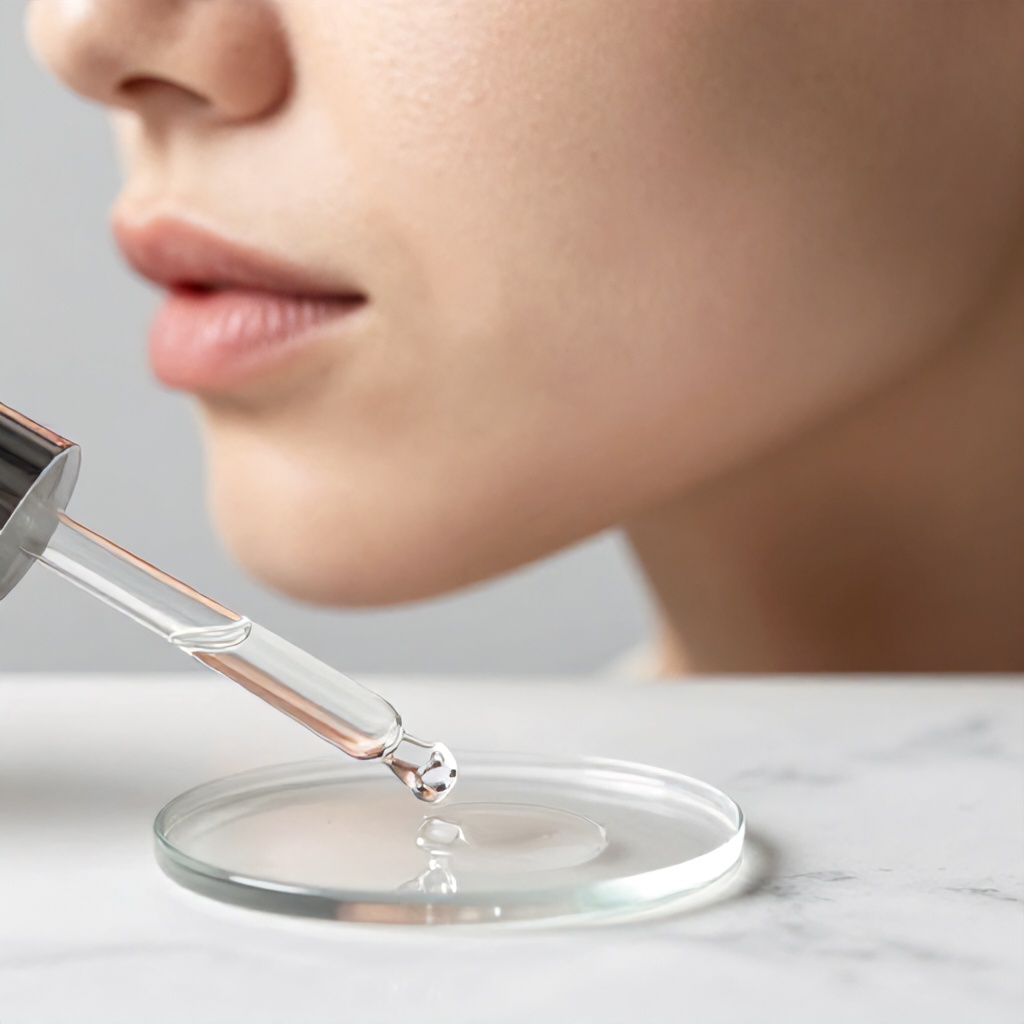
The Science of Pore Clearance
Pores are not doors that open and close. They are the openings of hair follicles that house oil glands. When that oil gets trapped alongside skin cells that did not shed properly, a plug forms. If the top of that plug remains open to the air, it oxidizes and turns black. Squeezing these spots often pushes the debris deeper or damages the surrounding tissue, which is why dermatologists consistently advise against manual extraction.
Effective home treatment relies on ingredients that penetrate the oil. Salicylic acid is the gold standard here. Because it is oil-soluble, it dives straight into the pore to break down the bonds holding the gunk together. Think of it as a dissolver rather than a scrub. Using a gentle BHA (beta hydroxy acid) treatment a few times a week creates a clearer complexion without the irritation caused by harsh physical scrubs.
Top Ingredients for a Clearer Complexion
Building a routine that prevents blackheads starts with selecting the right topical agents. You do not need a ten-step process, but you do need products that target oil production and cell turnover.
Salicylic Acid
This ingredient works by exfoliating inside the pore. Start with a two percent concentration. Apply it to the nose, chin, and forehead where blackheads congregate. If you have sensitive skin, begin by using it every other night to monitor how your moisture barrier reacts.
Retinoids
Retinoids increase the rate of skin cell turnover. By encouraging your skin to shed cells more efficiently, you prevent the buildup that causes blockages in the first place. Over-the-counter retinol or adapalene gel are excellent options for long-term maintenance. These are best applied at night, as they can make the skin more sensitive to sunlight.
Niacinamide
Niacinamide helps regulate oil production. When your skin produces less excess sebum, there is less material available to clog your pores. It also has a soothing effect, which helps if your skin tends to get red or inflamed after using stronger actives like acids or retinoids.
Routine Steps for Best Results
Consistency matters more than intensity. A simple, effective routine keeps pores clear without stripping the skin of its necessary moisture.
- Cleanse with a gentle, pH-balanced wash to remove surface dirt.
- Apply a BHA liquid exfoliant to dry skin, focusing on congested areas.
- Follow with a lightweight, oil-free moisturizer to keep the skin barrier healthy.
- Apply sunscreen every morning, as exfoliated skin is more susceptible to UV damage.
What to Avoid
Many common skincare habits actually make blackheads worse. Pore strips are a frequent culprit. While they provide immediate gratification by pulling out the top layer of debris, they do not address the root cause and can stretch the pore, making it look larger over time. They also strip away healthy skin cells, which can lead to irritation.
Avoid heavy, occlusive creams if you are prone to congestion. Look for labels that say non-comedogenic, which indicates the product is less likely to clog pores. Stay away from physical scrubs with large, jagged particles like walnut shells. These create micro-tears in the skin, leading to inflammation that makes pores look worse and increases the risk of breakouts.
When to Consult a Professional
Sometimes, what looks like a blackhead is actually a sebaceous filament. These are small, flat, gray, or tan spots that are a normal part of human skin. They are not acne; they are simply channels that allow oil to flow to the surface. You cannot permanently remove them because they will naturally refill with oil. If you find that your blackheads are deep, painful, or do not respond to over-the-counter treatments after three months, a visit to a dermatologist is the best next step. They can perform professional extractions or suggest prescription-strength treatments like tretinoin or azelaic acid.
Lifestyle Factors and Skin Health
Skin health is not just about what you apply topically. Your environment and daily habits play a role in how your pores behave. Changing your pillowcase at least once a week prevents the buildup of oils and bacteria from transferring back onto your face while you sleep. If you wear makeup, ensure you are double cleansing at night. Use an oil-based cleanser first to break down sunscreen and foundation, followed by a water-based cleanser to wash everything away.
Dietary changes are often debated in skincare circles. While there is no single food that causes blackheads, some people find that reducing high-glycemic foods helps manage overall oil production. Staying hydrated and getting enough sleep supports the skin’s natural repair processes. When the skin is well-rested and hydrated, it is better at shedding dead cells, which keeps the pores functioning correctly.
Selecting the Right Products
When shopping for skincare, look for simplicity. You do not need a product for every single concern. Focus on one or two active ingredients and stick with them for at least six to eight weeks. This is the time required for a full skin cycle to complete. If you switch products every few days, you will never know what is actually working and you risk overwhelming your skin.
- Check ingredient lists for alcohol denat, which can dry out the skin and trigger more oil production as a defense mechanism.
- Prioritize fragrance-free options to minimize the risk of contact dermatitis.
- Look for gel-based moisturizers rather than heavy creams if you have oily or combination skin.
- Keep your routine minimal to avoid product piling, which can trap debris on the surface of the skin.
Patience is the hardest part of any skincare routine. You might feel the urge to pick at your skin when you do not see immediate results. Resist this. Every time you squeeze, you risk pushing bacteria deeper into the follicle, which can turn a simple blackhead into a painful, inflamed pimple. Trust the chemistry of your products. BHA and retinoids work slowly, but they work by changing the behavior of your skin cells rather than just masking the symptoms. Over time, you will notice fewer blackheads and a more refined texture.
The goal is to maintain a healthy barrier. If your skin feels tight, red, or itchy, you are likely over-treating. Scale back on the actives and focus on hydration for a few days. Once the skin feels calm, reintroduce the BHA or retinoid slowly. There is a balance to be found, and it looks different for everyone. Listen to what your skin is telling you, and adjust your frequency accordingly.
Finally, remember that perfection is not the goal. Everyone has pores, and everyone has some level of oil production. The aim is to keep your skin clear and comfortable, not to erase the natural features of your face. With a consistent, gentle, and evidence-based approach, you can manage blackheads effectively and keep your skin looking its best.