
Mastering Your Skincare Routine: Morning and Night Essentials
Getting your skincare routine right, both morning and night, is the cornerstone of healthy, glowing skin. The order you apply your cosmetic products and how often you use them makes a huge difference. It’s not just about slathering on creams; it’s a strategic approach to feeding your skin what it needs, when it needs it.

Why Sequence Matters in Your Skincare Regimen
Think of your skincare routine as building a beautiful house. You wouldn’t put the roof on before the foundation, right? The same principle applies to your beauty regimen. Product sequence is everything. Applying products in the wrong order can prevent them from working effectively or even cause irritation. Lighter, water-based formulas should always come before heavier, oil-based ones. This allows the thinner products to penetrate the skin first, delivering their active ingredients deep within. Thicker creams and oils then act as occlusives, sealing in all that goodness and providing a barrier.
This careful layering ensures that your skin can absorb the maximum benefits from each of your essential skincare items. It’s a simple concept, but one that many people overlook in their daily skincare. Understanding this basic rule of thumb will instantly upgrade your product application.
Your Essential Morning Skincare Routine Steps
The morning is all about protection. Your skin has been through a night of repair and regeneration, and now it needs to be shielded from the day’s aggressors: pollution, UV rays, and environmental damage. A good morning routine sets the stage for a fresh, protected complexion.
Step 1: Cleanse (Gently!)
You might be tempted to skip cleansing in the morning, especially if you have dry skin. However, a gentle cleanse is important to remove any sweat, oil, or residual product from your night routine. Opt for a mild cleanser, like a cream or gel formula, that won’t strip your skin of its natural moisture. If your skin is particularly sensitive, a splash of cool water might suffice. This initial step in your daily beauty routine preps your skin for the products to come.
Step 2: Tone (Optional, but Beneficial)
Toners have come a long way from the alcohol-heavy astringents of the past. Modern toners are designed to balance your skin’s pH, provide hydration, and sometimes offer a boost of antioxidants or mild exfoliation. Look for hydrating toners with ingredients like hyaluronic acid or rose water. Apply with a cotton pad or pat directly onto your skin with clean hands. This is a great opportunity to introduce beneficial ingredients early in your routine.
Step 3: Antioxidant Serum
This is where the real protection begins. An antioxidant serum, typically containing Vitamin C, is your skin’s best friend against free radical damage. Vitamin C brightens the complexion, helps fade dark spots, and boosts the effectiveness of your sunscreen. Apply a few drops from its dropper bottle onto your face and neck, gently patting it in. This is a non-negotiable step for many skincare enthusiasts looking for a robust topical regimen.
Step 4: Eye Cream
The skin around your eyes is thinner and more delicate, making it prone to dryness and early signs of aging. A dedicated eye cream can help hydrate, firm, and protect this area. Gently tap a small amount around your orbital bone using your ring finger. Don’t pull or tug at the skin.
Step 5: Moisturize
Even oily skin needs hydration. Moisturizer locks in all the previous steps and keeps your skin supple. Choose a moisturizer suited to your skin type: a lightweight gel for oily or acne-prone skin, a richer cream for dry skin, and a balanced lotion for normal or combination skin. This step in your skincare steps is vital for maintaining a healthy skin barrier.
Step 6: Sunscreen (The Most Important Step!)
This is the absolute non-negotiable king of your morning routine. Sunscreen protects your skin from harmful UV rays, which are the primary cause of premature aging, dark spots, and skin cancer. Aim for an SPF of 30 or higher, and make sure it’s broad-spectrum. Apply generously to your face, neck, and any other exposed areas. Don’t skimp on this! It’s the ultimate defense in your daily skincare.
Your Essential Night Skincare Routine Steps
The night is for repair and rejuvenation. While you sleep, your skin is busy working to heal itself. Your night routine should focus on removing the day’s grime and applying potent ingredients that support this restorative process.
Step 1: Double Cleanse
This is crucial for effectively removing makeup, sunscreen, pollution, and excess oil. Start with an oil-based cleanser or micellar water to break down makeup and SPF. Follow this with a water-based cleanser (your morning cleanser is usually fine) to wash away any remaining impurities. This thorough cleansing ensures a clean canvas for your treatment products.
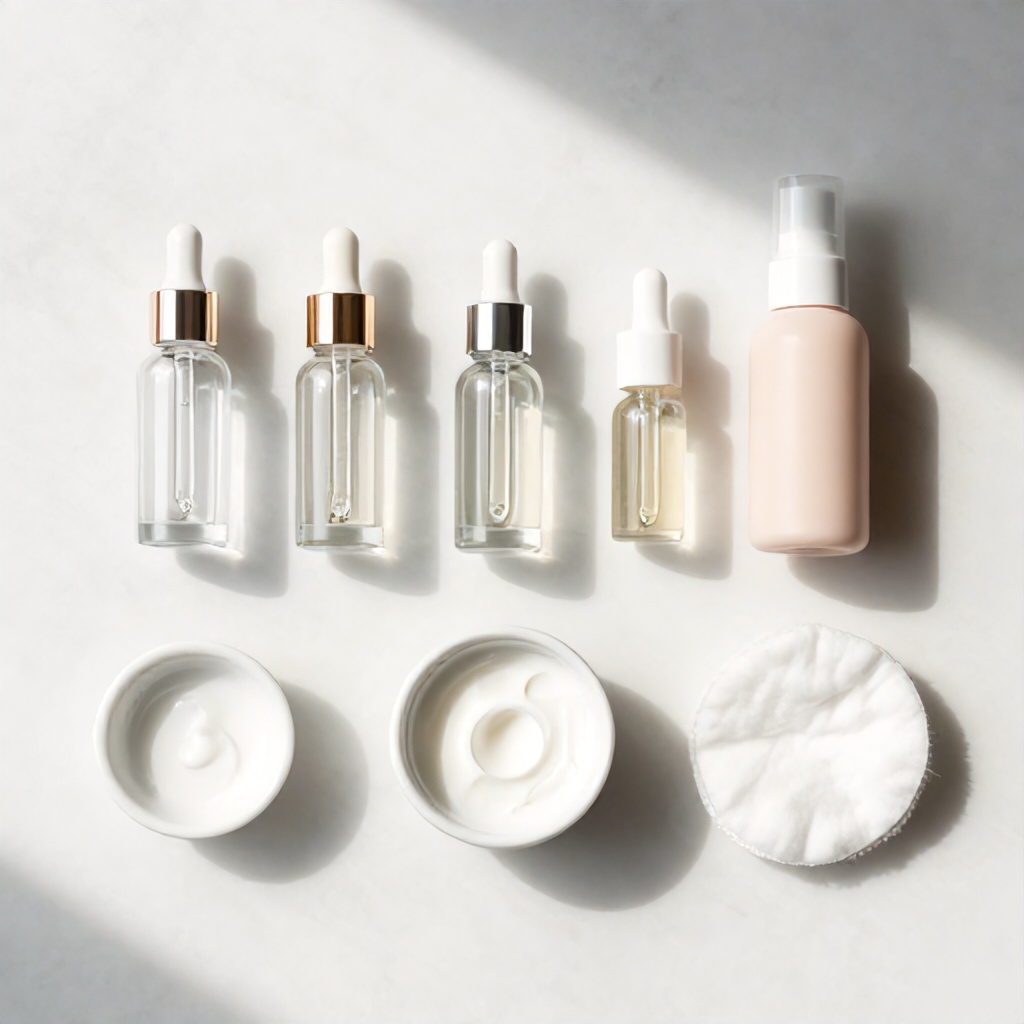
For many, seeing their cosmetic products neatly arranged, perhaps with squeeze tubes and dropper bottles in their designated spots, makes the evening routine feel more ritualistic and less like a chore. Good skincare organization can be a motivator.
Step 2: Exfoliate (Frequency Varies)
Exfoliation removes dead skin cells, revealing brighter, smoother skin underneath. This can be done with chemical exfoliants (like AHAs or BHAs) or gentle physical scrubs. However, over-exfoliation can damage your skin barrier. For most people, exfoliating 2-3 times a week is sufficient. If you’re using potent active ingredients in your serums, you might exfoliate less often. Pay attention to how your skin feels.
Step 3: Tone (Optional, but Beneficial)
Similar to the morning, a toner can rebalance your skin’s pH and prep it for subsequent treatments. You might choose a hydrating toner or one with mild exfoliating properties if you’re not exfoliating separately that night.
Step 4: Treatment Serums (Targeted Care)
This is where you can really target specific skin concerns. Think retinoids for anti-aging and acne, niacinamide for redness and pores, or hyaluronic acid for extra hydration. Apply these potent serums after cleansing and toning, allowing them to sink in before the next step. These are the powerhouses of your topical regimen.
Step 5: Eye Cream
Just like in the morning, apply your eye cream to hydrate and treat the delicate eye area.
Step 6: Moisturize (Potentially Richer)
Your night moisturizer can often be richer and more emollient than your daytime one, as you don’t need to worry about it interacting with sunscreen or makeup. This provides deep hydration and supports skin repair overnight. If you’re using a retinoid, some people prefer to apply moisturizer first to buffer its effects, while others apply it afterward to seal it in.
Step 7: Face Oil (Optional, for Extra Hydration)
If you have very dry or mature skin, a face oil can be a wonderful final step. After your moisturizer has had a moment to absorb, gently press a few drops of oil into your skin. This adds an extra layer of nourishment and helps seal everything in.
Frequency of Use: Knowing When and How Often
Not all products are meant for daily application. Understanding the frequency of use for different types of cosmetic products is key to a successful skincare regimen.
- Cleansers: Daily, morning and night.
- Toners: Daily, morning and night, or as needed.
- Antioxidant Serums (e.g., Vitamin C): Daily, morning.
- Hydrating Serums (e.g., Hyaluronic Acid): Daily, morning and night.
- Retinoids: Start 2-3 times per week at night, gradually increasing frequency as tolerated.
- Exfoliants (AHAs/BHAs): 2-3 times per week, typically at night. Avoid using on the same night as retinoids initially.
- Eye Cream: Daily, morning and night.
- Moisturizer: Daily, morning and night.
- Sunscreen: Daily, morning. Reapply if exposed to prolonged sun.
- Face Oils: Daily or as needed, typically at night.
It’s essential to listen to your skin. If you experience redness, peeling, or irritation, scale back on active ingredients like exfoliants and retinoids. Building up to more frequent use is often possible over time.
Tailoring Your Skincare Routine to Your Skin Type
Your unique skin type dictates the types of products and their formulations you should use. A minimalist skincare approach can still be highly effective if you choose the right products for your needs.
- Oily/Acne-Prone Skin: Opt for lightweight, oil-free, non-comedogenic products. Gel cleansers, water-based serums, and light lotions are ideal. Avoid heavy creams that can clog pores.
- Dry Skin: Focus on hydration. Creamy cleansers, hydrating toners, richer moisturizers, and face oils can be very beneficial. Look for ingredients like hyaluronic acid, ceramides, and glycerin.
- Combination Skin: You might need different products for different areas of your face. Use lighter products on your T-zone and richer ones on drier patches.
- Sensitive Skin: Choose fragrance-free, hypoallergenic products. Patch test new products before applying them all over your face. Gentle formulations are key.
- Mature Skin: Focus on hydration, collagen support, and cell turnover. Retinoids, peptides, antioxidants, and rich moisturizers are excellent choices.
Building a consistent skincare routine, whether it’s a simple 3-step regimen or a more elaborate multi-step process, is about understanding your skin’s needs and providing it with the right care at the right time. The product sequence and frequency of use are your tools for achieving that healthy, radiant complexion you desire.