
Prenatal Fitness: Moving Your Way to a Healthy Pregnancy
Staying active during pregnancy offers significant benefits for both you and your developing baby, making prenatal fitness exercises a cornerstone of a healthy pregnancy journey. It’s not about pushing your limits; it’s about smart, safe movement tailored to your changing body.

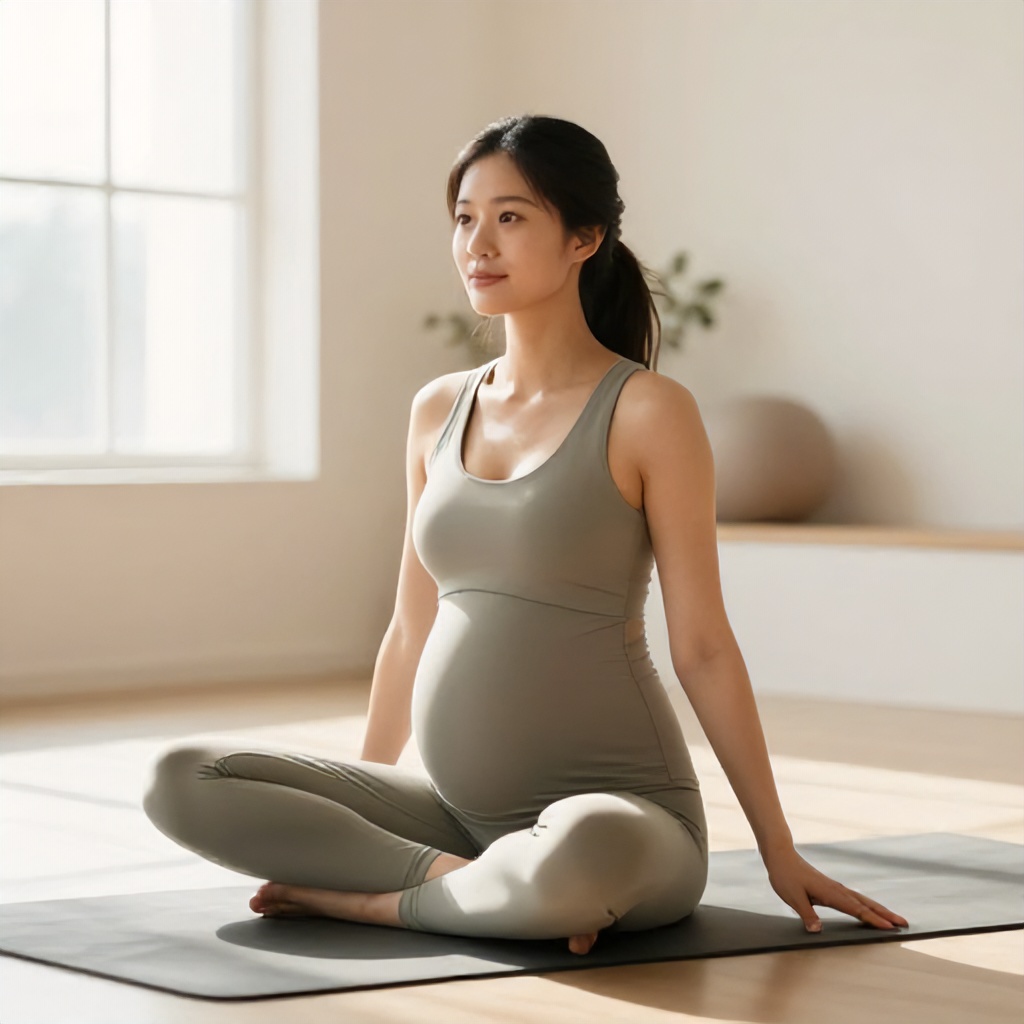
Why Exercise Matters When You’re Expecting
Pregnancy brings a cascade of physical and hormonal changes. Regular, appropriate exercise can help manage many of these, from easing common discomforts to preparing your body for labor and recovery. Expectant women who maintain an active pregnancy lifestyle often report better sleep, improved mood, and reduced back pain. It’s about fostering maternal fitness and overall pregnancy well-being.
Think of it as building resilience. Your body is doing incredible work, and supporting it with gentle prenatal exercise can make this demanding period feel more manageable. It’s about enhancing your body’s natural capabilities, not about achieving peak athletic performance. This focus on safe pregnancy workouts is paramount.
Getting Started: Safety First
Before you begin any new fitness routine, especially during pregnancy, a chat with your healthcare provider is essential. They can offer personalized advice based on your health history and the specifics of your pregnancy. This ensures your chosen antenatal exercises are suitable and beneficial for you.
Listen to your body. Pregnancy is not the time to set new personal bests. Instead, focus on consistency and moderation. If something feels wrong, stop. Pain is a signal, and it’s crucial to respect it. Hydration is also key; drink plenty of water before, during, and after your workouts.
Avoid activities with a high risk of falling or abdominal trauma. This includes contact sports, activities with sudden stops and starts, and anything that could lead to a significant jolt. Your safety and your baby’s safety are the top priorities.
Core Stability in Pregnancy: The Foundation
As your belly grows, your center of gravity shifts, and your abdominal muscles stretch. Strengthening your core, including your deep abdominal muscles and pelvic floor, is vital for support and preventing back pain. These exercises are fundamental for maintaining good posture in pregnancy.
The pelvic floor, a group of muscles that supports the uterus, bladder, and bowels, plays a critical role. Strengthening these muscles can help with bladder control during pregnancy and prepare for labor and postpartum recovery. Many gentle prenatal exercises naturally engage these muscles.
Gentle Prenatal Exercise: Building Strength and Stamina
A well-rounded pregnancy workout routine incorporates several types of movement: cardiovascular exercise, strength training, and flexibility work. The goal is to create a healthy active pregnancy that supports your body’s needs.
Cardiovascular Workouts
Low-impact aerobic activities are excellent for maintaining cardiovascular health, improving circulation, and managing weight gain. Aim for at least 150 minutes of moderate-intensity aerobic activity per week, spread across most days of the week.
- Walking: This is one of the most accessible and effective forms of prenatal exercise. Start with shorter walks and gradually increase the duration and pace as you feel comfortable.
- Swimming and Water Aerobics: The buoyancy of water reduces stress on your joints, making it a fantastic option, especially as your pregnancy progresses. Water aerobics classes designed for expectant women are a great way to get a full-body workout.
- Stationary Cycling: Riding a stationary bike allows you to control the intensity and avoids the risk of falling. Ensure the handlebars are adjusted for comfort as your belly grows.
- Prenatal Yoga: Many yoga studios offer specialized prenatal yoga classes. These focus on gentle movements, breathing techniques, and relaxation, all while building strength and flexibility.
Strength Training for Expectant Mothers
Building and maintaining muscle strength is important for supporting your changing body and preparing for the physical demands of motherhood. Focus on controlled movements and lighter weights or resistance bands.
Light dumbbell workouts can be very effective. Choose weights that allow you to complete 10-15 repetitions with good form. If you feel strain or can’t maintain proper posture, the weight is too heavy.
- Squats: Stand with your feet hip-width apart. Lower your hips as if sitting back into a chair, keeping your chest up and back straight. Ensure your knees track over your toes. You can hold onto a sturdy chair for balance.
- Lunges: Step forward with one leg, lowering your hips until both knees are bent at approximately a 90-degree angle. Keep your front knee aligned over your ankle and your torso upright.
- Bicep Curls: Holding dumbbells in each hand, palms facing forward, curl the weights up towards your shoulders, keeping your elbows tucked in.
- Overhead Press: With dumbbells at shoulder height, palms facing forward, press the weights straight up overhead.
- Rows: Hinge at your hips, keeping your back straight. Let the dumbbells hang down, then pull them up towards your chest, squeezing your shoulder blades together.
Remember to engage your core throughout these exercises. Avoid holding your breath; exhale on exertion.
Flexibility for Pregnant Women
Maintaining flexibility can help alleviate muscle stiffness and improve range of motion. Gentle stretching is key here.
- Cat-Cow Stretch: Start on your hands and knees. Inhale as you drop your belly, arch your back, and look up (Cow pose). Exhale as you round your spine, tuck your chin to your chest, and draw your navel towards your spine (Cat pose).
- Child’s Pose (modified): Kneel on the floor with your knees wide apart to accommodate your belly. Sink your hips back towards your heels and rest your torso between your thighs. Extend your arms forward or rest them alongside your body.
- Hamstring Stretches: Sit on the floor with one leg extended and the other bent. Gently lean forward from your hips, keeping your back straight, until you feel a stretch in the back of your extended thigh.
- Hip Flexor Stretch: Kneel on one knee with the other foot flat on the floor in front of you. Gently push your hips forward, keeping your torso upright, until you feel a stretch in the front of your hip.
Hold each stretch for 20-30 seconds, breathing deeply. Never force a stretch or bounce.
Using Exercise Balls for Pregnancy
Exercise balls, also known as stability balls or Swiss balls, are fantastic tools for prenatal fitness. They can be used for a variety of exercises that improve core strength, balance, and posture.
- Sitting and Pelvic Tilts: Simply sitting on the ball and gently rocking your hips can help relieve lower back pressure and engage your core.
- Ball Squats: Lean against a wall with the ball between your back and the wall. Perform squats, allowing the ball to roll up and down your back.
- Ball Bridges: Lie on your back with your feet on the ball. Lift your hips off the floor, engaging your glutes and hamstrings.
The instability of the ball encourages deeper muscle engagement, making exercises more effective. Ensure the ball is properly inflated and you have a stable surface to work on.
Trimester Specific Workouts: Adapting as You Grow
Your body’s needs change throughout pregnancy, so it’s beneficial to adjust your workout routine accordingly.
First Trimester
Many women can continue their regular exercise routine, provided it’s safe and they feel well. Focus on maintaining energy levels and managing early pregnancy symptoms like fatigue and nausea. Gentle cardio and light strength training are good options.
Second Trimester
This is often the most comfortable trimester for exercise. Your energy levels may increase, and nausea may subside. You can continue with your established routine, perhaps increasing intensity slightly if you feel up to it. Be mindful of your growing belly and adjust exercises as needed. Avoid lying flat on your back for extended periods, as this can put pressure on a major vein.
Third Trimester
As your pregnancy advances, focus shifts to comfort, balance, and preparing for labor. Reduce intensity and duration. Low-impact activities like walking, swimming, and prenatal yoga are ideal. Focus on exercises that promote pelvic mobility and relaxation. Core stability exercises remain important for supporting your back.
Beyond the Workout: Embracing an Active Pregnancy Lifestyle
Fitness for pregnant women isn’t just about structured exercise sessions. It’s about integrating movement into your daily life.
- Take the stairs instead of the elevator when possible.
- Park further away from your destination and walk the rest of the way.
- Incorporate short walks throughout your day.
- Stretch regularly, even when you’re not doing a formal workout.
An active pregnancy lifestyle contributes significantly to maternal health benefits and can make your entire pregnancy well-being a more positive experience. It’s about feeling strong, capable, and connected to your body as it prepares for the amazing journey of childbirth and motherhood.
Consider visiting a pregnancy exercise studio if available in your area. These specialized facilities often offer classes and guidance tailored specifically for expectant women, providing a supportive and knowledgeable environment for your fitness journey. This can be a wonderful way to connect with other expectant mothers and share experiences.
Remember, the goal of prenatal fitness exercises is to support your body, manage discomforts, and prepare you for the incredible experience of childbirth and beyond. It’s a journey of mindful movement, celebrating the strength and resilience of your pregnant body.