Snack Your Way to Feeling Better: 24 Anti-Inflammatory Bites
When you’re looking to feel your best, what you eat between meals matters. These 24 snacks are packed with anti-inflammatory ingredients that can help calm your body down, easing things like stiff joints and digestive troubles. Think of them as little helpers for your body’s natural healing journey.

Why Anti-Inflammatory Foods Matter
Chronic inflammation is like a low-grade fire constantly smoldering inside your body. It’s linked to a whole host of issues, from achy joints to digestive troubles and even impacting your mood. The good news? You have a lot of power to influence it with your fork. Focusing on anti-inflammatory ingredients in your diet is a cornerstone of holistic health and natural healing. These aren’t magic cures, but they are powerful tools in your wellness arsenal.
These snacks are designed to be both delicious and beneficial. They use everyday ingredients that are known for their ability to fight inflammation, making healthy eating feel less like a chore and more like a treat. We’re talking about vibrant berries, creamy nut butters, hearty oats, and protein-packed legumes. It’s about nourishing yourself with food that works for you.
Savory Bites to Soothe and Satisfy
Sometimes, you just crave something savory. These options are perfect for when that craving hits, offering satisfying crunch and flavor without derailing your wellness goals.

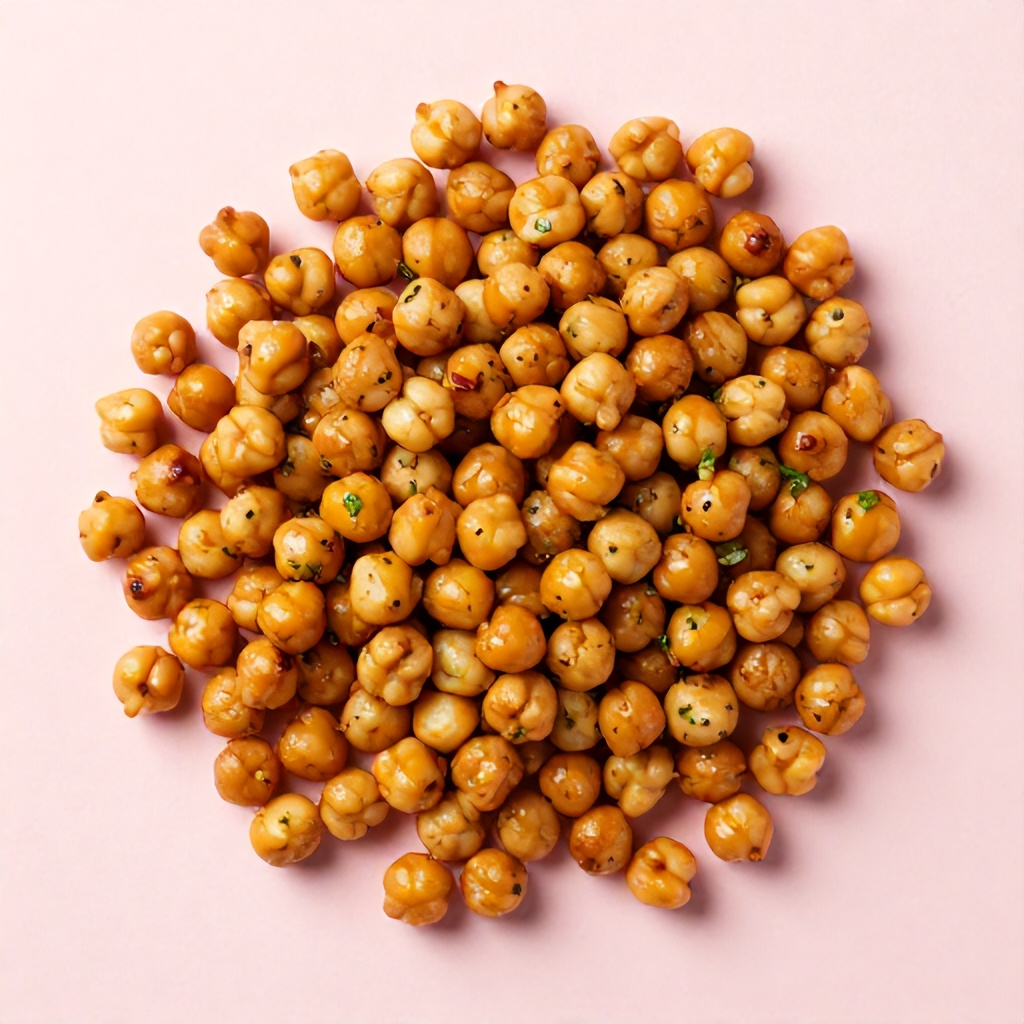
Ranch Roasted Chickpeas
These aren’t your average chickpeas. Roasted until perfectly crisp, they’re seasoned with classic ranch flavors like garlic powder, onion powder, and dried herbs. They offer a satisfying crunch and a familiar, comforting taste. Chickpeas themselves are nutritional powerhouses, providing fiber and plant-based protein, both excellent for sustained energy and digestive health.
Spiced Roasted Chickpeas
A simple twist on roasted chickpeas, these get a flavor boost from warming spices like cumin and paprika. They’re incredibly easy to make and provide a satisfying, savory crunch. This is a fantastic way to get more legumes into your diet, which are rich in antioxidants and fiber.

Everything Bagel Seasoning Roasted Chickpeas
For lovers of that iconic everything bagel flavor, this snack is a winner. Roasted chickpeas tossed with everything bagel seasoning deliver a punch of savory, herby goodness. It’s a simple yet incredibly effective way to transform a humble chickpea into an exciting, anti-inflammatory snack.
Savory Trail Mix
Forget the sugary versions. This savory trail mix combines nuts, seeds, and maybe some dried herbs for a crunchy, satisfying blend. It’s a great way to get healthy fats and protein, keeping you full and energized. Focus on unsalted nuts and seeds for the biggest benefit.
Black Bean Brownies
Yes, you read that right! Black beans form the base of these surprisingly decadent brownies. They add moisture, plant-based protein, and fiber, making them a much more nutritious treat. The beans are blended so smoothly you won’t even know they’re there, but your body will thank you for the added goodness.
Black Bean and Corn Salsa with Veggies
A vibrant and fresh snack, this salsa is loaded with anti-inflammatory ingredients. Black beans and corn provide fiber and protein, while tomatoes, onions, and cilantro add a burst of flavor and nutrients. Serve it with cucumber slices or bell pepper strips for dipping. It’s a refreshing way to incorporate more plant-based protein and vegetables into your day.
Sweet Treats with a Healthy Twist
Who says healthy snacks can’t be sweet? These options satisfy your sweet tooth while packing in anti-inflammatory goodness.
High-Protein Energy Bars
These aren’t your average store-bought energy bars. Made with wholesome ingredients like tahini, oats, apricots, and figs, they provide sustained energy thanks to a good balance of complex carbohydrates, healthy fats, and plant-based protein. Tahini offers a creamy base, while dried fruits add natural sweetness, all held together with a touch of maple syrup. They’re perfect for busy days or pre-workout fuel.
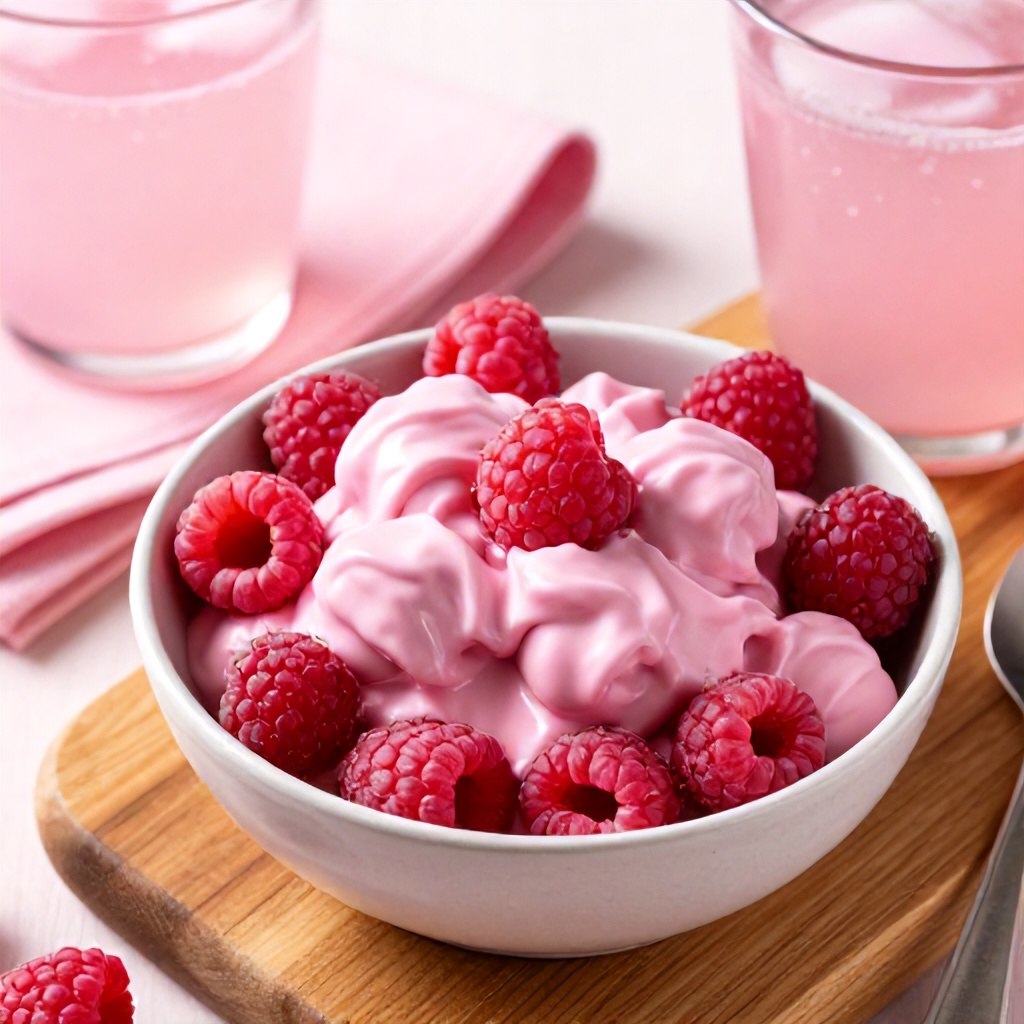
Lemon-Raspberry Frozen Yogurt Bites
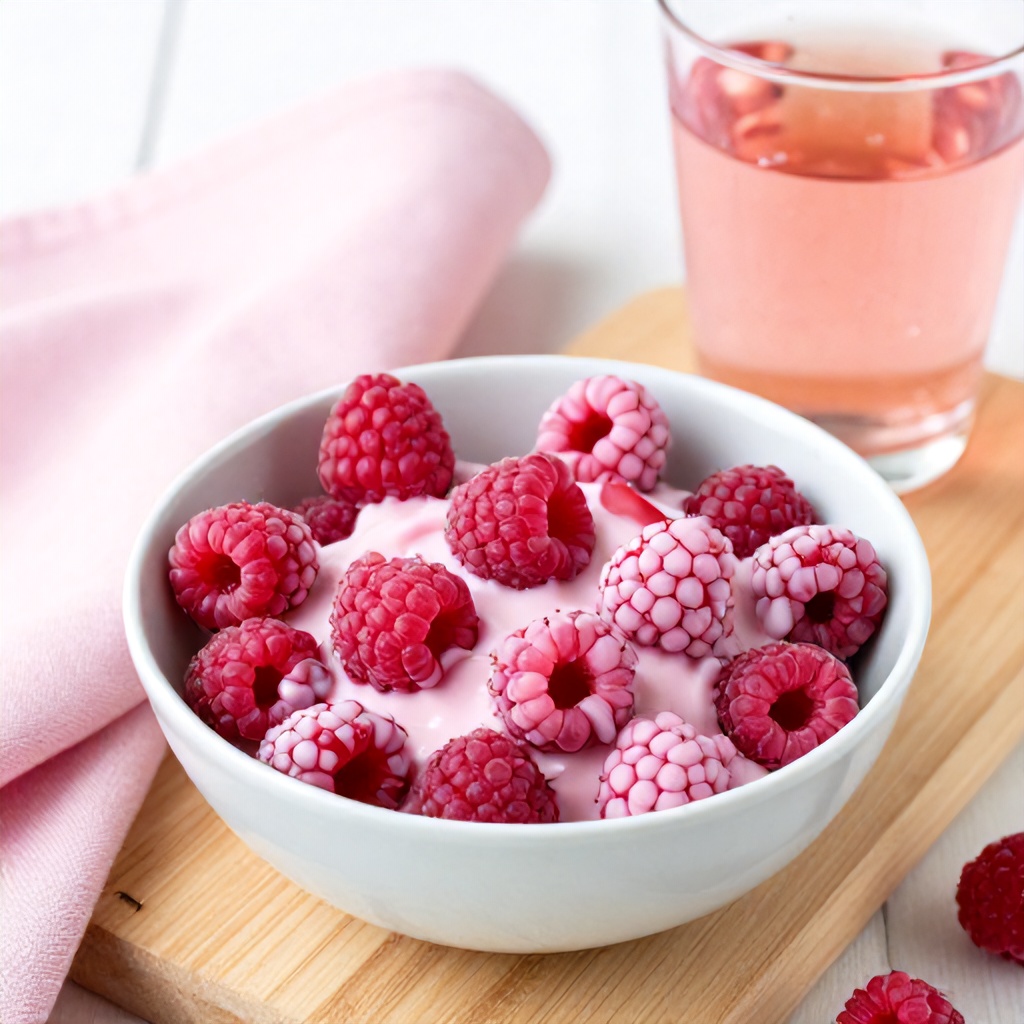
Imagine a cool, tangy burst of flavor. These frozen yogurt bites are made by coating fresh raspberries in a mixture of Greek-style yogurt, lemon zest, and a touch of vanilla, then freezing them. They are incredibly refreshing, customizable with your favorite berries, and a delightful way to enjoy a sweet treat that’s also packed with probiotics from the yogurt and antioxidants from the berries.
Trail Mix Energy Bites
These little powerhouses are a fantastic alternative to sugary snacks. Made with ingredients like oats, nut butter, and seeds, they offer a good source of fiber and healthy fats. The addition of black beans provides an unexpected boost of plant-based protein, making these bites incredibly satisfying and energizing. They’re easy to make ahead and grab on the go.
No-Bake Apricot-Almond Energy Balls
These no-bake delights are a perfect blend of chewy and sweet. Dried apricots provide natural sweetness and fiber, while almonds offer healthy fats and a satisfying crunch. Rolled oats add substance, and a touch of honey or maple syrup binds it all together. They are simple to assemble and a great way to keep energy levels stable.
Baked Apple Chips
Thinly sliced apples baked until crisp make for a wonderfully simple and naturally sweet snack. You can sprinkle them with cinnamon for an extra flavor boost. Apples are rich in fiber and antioxidants, making these chips a guilt-free way to satisfy a craving for something crunchy and sweet.
Frozen Yogurt Bark with Berries and Granola
This visually appealing snack is as fun to make as it is to eat. Spread Greek-style yogurt onto a baking sheet, sprinkle generously with fresh berries, a sprinkle of granola, and maybe some chopped nuts, then freeze until solid. Break it into pieces for a refreshing, customizable treat. It’s a fantastic source of protein and probiotics.
Date and Nut Energy Bites
Dates are nature’s candy, providing natural sweetness and fiber. When blended with nuts like almonds or walnuts and perhaps some oats or seeds, they form delicious, chewy energy bites. These are incredibly satisfying and provide sustained energy without a sugar crash. They’re also a great source of healthy fats and minerals.
Sweet Potato Bites
Roasted sweet potato cubes, perhaps tossed with a touch of cinnamon or a drizzle of maple syrup, make for a naturally sweet and nutrient-dense snack. Sweet potatoes are packed with vitamins, minerals, and antioxidants that support overall health and can help reduce inflammation. They offer a comforting, earthy sweetness.
Baked Pear Slices with Cinnamon
Similar to apple chips, baked pear slices offer a soft, sweet, and comforting snack. Pears are a good source of fiber and contain various antioxidants. A sprinkle of cinnamon not only adds flavor but also has its own anti-inflammatory properties. This is a gentle, warming snack perfect for cooler days.
Creamy & Satisfying Snacks
When you need something smooth and filling, these options hit the spot, providing healthy fats and protein to keep you going.
Avocado Toast with Everything Bagel Seasoning
A classic for a reason. Creamy avocado on whole-grain toast provides healthy monounsaturated fats and fiber. The everything bagel seasoning adds a savory kick. Avocado is rich in antioxidants and compounds that help combat inflammation, making this a truly nourishing snack. You can even add a sprinkle of red pepper flakes for a little heat.
Greek Yogurt with Berries and Nuts
This is a powerhouse snack. Greek-style yogurt is packed with protein and probiotics, which are great for gut health. Top it with antioxidant-rich berries (like raspberries or blueberries) and a handful of nuts or seeds for healthy fats and crunch. It’s simple, versatile, and incredibly filling.
Nut Butter Stuffed Dates
Sweet, chewy dates stuffed with your favorite nut butter (almond, peanut, or cashew) create a decadent yet healthy treat. Dates provide natural sweetness and fiber, while nut butters offer protein and healthy fats. This combination is incredibly satisfying and helps stabilize blood sugar levels. A sprinkle of chia seeds or a drizzle of dark chocolate can make them even more special.
Tahini Yogurt Dip with Veggies
A creamy and savory dip made from tahini (sesame paste), lemon juice, garlic, and a little water. It’s delicious served with a colorful array of raw vegetables like carrots, bell peppers, cucumbers, and broccoli. Tahini is a good source of healthy fats and minerals, and this dip offers a flavorful alternative to heavier options.
Chia Seed Pudding
Chia seeds are tiny but mighty. When mixed with milk (dairy or non-dairy) and a touch of sweetener, they form a pudding-like consistency. Chia seeds are loaded with omega-3 fatty acids, fiber, and antioxidants, all of which are beneficial for reducing inflammation. Top with fruit or a sprinkle of nuts for added flavor and texture.
Cottage Cheese with Pineapple
A simple yet effective snack. Cottage cheese is high in protein, which helps with satiety. Pairing it with pineapple adds a touch of natural sweetness and vitamin C. This combination is easy to prepare and provides a good balance of macronutrients to keep you feeling full and satisfied.
Tips for Making Anti-Inflammatory Snacking a Habit
Integrating these healthy snacks into your routine doesn’t have to be complicated. It’s about small, consistent steps.
Prep Ahead for Success
Spend a little time on the weekend chopping veggies, roasting chickpeas, or making a batch of energy balls. Having these ready to grab makes healthy choices easy when hunger strikes.
Keep it Simple
Not every snack needs to be elaborate. A handful of almonds, an apple with nut butter, or a piece of fruit can be just as effective and much quicker.
Listen to Your Body
Pay attention to how different foods make you feel. Some anti-inflammatory ingredients might work better for you than others. This is part of your personal wellness journey.
Hydration is Key
Sometimes thirst can be mistaken for hunger. Make sure you’re drinking plenty of water throughout the day. Herbal teas can also be a comforting, hydrating snack alternative.
What are the best anti-inflammatory ingredients to look for?
Focus on colorful fruits and vegetables (berries, leafy greens), fatty fish (if you eat fish), nuts and seeds, olive oil, whole grains, and spices like turmeric and ginger. Ingredients like berries, nut butters, tahini, oats, and chickpeas are excellent additions to snacks.
Can snacks really help with chronic inflammation?
Yes, by consistently choosing snacks made with anti-inflammatory ingredients, you can help reduce the overall inflammatory load on your body. This can contribute to alleviating symptoms like stiff joints and digestive troubles over time.
Are these snacks suitable for people with digestive troubles?
Many of these snacks are designed to be gentle on the digestive system. Ingredients like fiber-rich oats, prebiotics in certain fruits and vegetables, and probiotics in Greek yogurt can be very beneficial. However, individual sensitivities vary, so it’s always wise to introduce new foods slowly and observe your body’s response.
Be Mindful of Added Sugars
While some recipes use natural sweeteners like maple syrup or dates, it’s important to consume them in moderation. Always check ingredient labels for hidden sugars in store-bought items. Excessive sugar intake can counteract the benefits of anti-inflammatory foods.
Making mindful snack choices is a powerful way to support your body’s natural healing processes. By incorporating these anti-inflammatory snacks, you’re not just eating; you’re actively contributing to your overall wellness and feeling better from the inside out.
[Callout] Love any of these recipes?
Join MyRecipes
to save, search and organize your EatingWell recipes all in one place. It’s free!