The Mental Health Benefits of Morning Nature Photography
Engaging with nature through a camera lens before the day begins lowers cortisol levels and sharpens your focus. This practice combines the physiological benefits of early morning light with the cognitive demands of creative observation. When you step outside to capture botanical photography, you move from a state of passive observation to active engagement. The brain shifts away from ruminative thought patterns, focusing instead on the immediate technical and aesthetic requirements of capturing natural beauty.
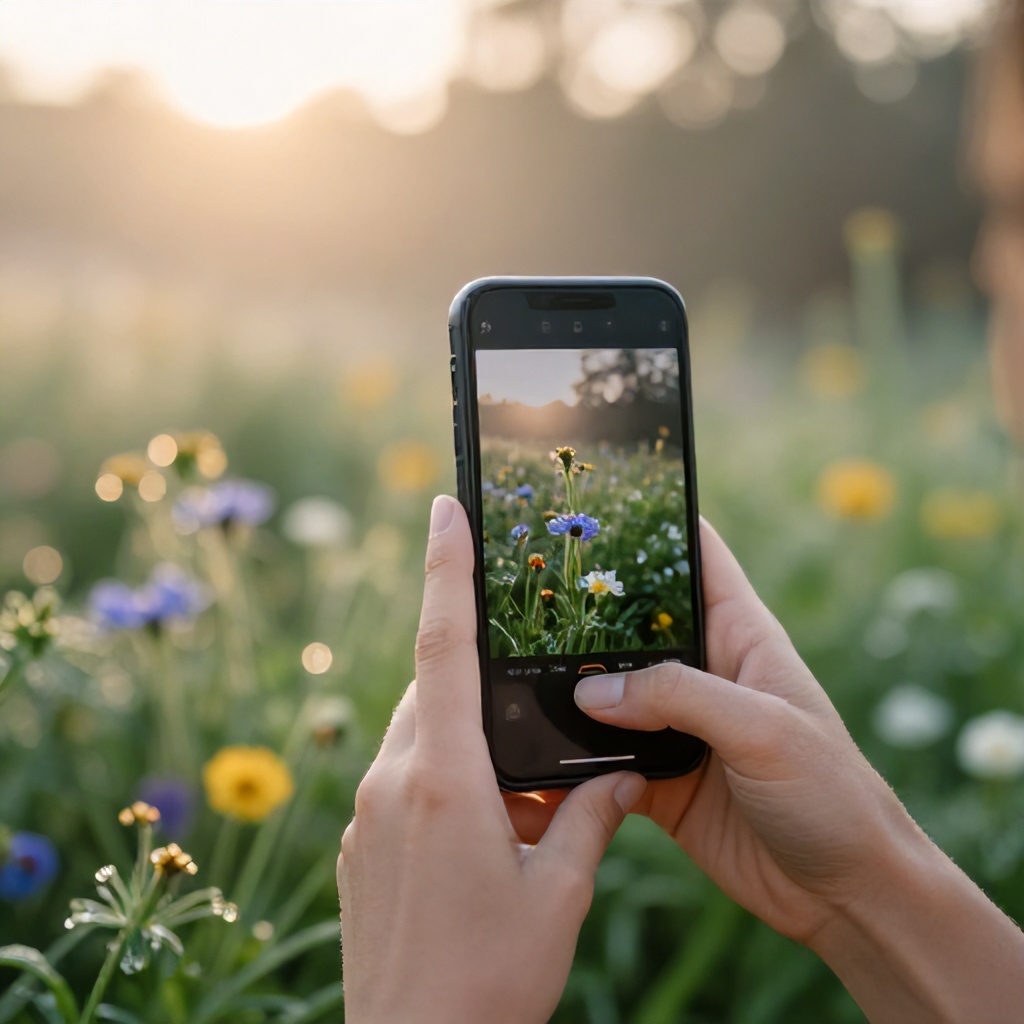
Morning wellness routines often focus on movement or meditation, but photography adds a layer of visual mindfulness. By framing a shot, you force your eyes to scan for details like texture, color, and light. This process, known as soft fascination, allows your attention to rest on the environment without the drain of directed concentration. It is a quiet, deliberate way to reset your nervous system before the pressures of the day take hold.
Establishing a Mindful Morning Ritual
Consistency matters more than technical perfection when using nature therapy for mental well-being. You do not need a professional camera to reap these rewards. A smartphone is often enough to capture the soft lighting of dawn and the delicate details of local flora. The goal is to spend twenty minutes outside, moving slowly through your yard or a nearby park.
Practical Steps for Your First Outing
- Set your alarm for fifteen minutes before sunrise to catch the most forgiving light.
- Leave your phone on airplane mode to prevent distractions from incoming notifications.
- Walk without a destination, allowing your curiosity to dictate your path.
- Pause at the first plant or landscape feature that catches your eye.
- Take three deep breaths before you even lift your camera to your eye.
The soft lighting found during the golden hour reduces harsh shadows and creates a sense of visual tranquility. This environment is ideal for practicing patience. If a flower is swaying in the breeze, wait for it to settle. This act of waiting is a form of meditation in itself. It teaches you to accept the rhythm of the natural world rather than trying to force your own pace upon it.
Techniques for Capturing Environmental Harmony
Composition is the bridge between seeing and feeling. When you look through the viewfinder, you are making choices about what to include and what to leave out. This process mirrors the way we manage our mental space. By choosing to frame a single spring tulip against a blurred background, you are effectively decluttering your mental field of view.
Refining Your Visual Approach
- Use a low-angle perspective to make small plants feel like grand subjects.
- Look for patterns in leaves or petals to create a sense of order and balance.
- Focus on the space around the subject to emphasize the feeling of environmental harmony.
- Experiment with macro settings to highlight the intricate textures of vibrant flora.
Landscape composition does not have to be complex to be effective. Rely on the rule of thirds by placing your subject slightly off-center to create a more dynamic image. This technique provides a sense of movement and depth. When you focus on the details of a garden, you are engaging in a form of sensory grounding. You notice the dew on the grass, the temperature of the air, and the specific shades of green that exist in the morning light.
The Connection Between Photography and Emotional Upliftment
Nature-inspired serenity is not just a temporary feeling. It is a cumulative practice that builds emotional resilience over time. Reviewing the images you have captured acts as a journal of your personal growth. When you look back at your gallery, you are reminded of the moments of stillness you carved out for yourself. This visual record serves as a tangible reminder that you can find peace even in the middle of a busy week.
Building a Habit of Reflection
After you return indoors, spend five minutes reviewing your photos. Do not judge the quality of the image. Instead, ask yourself why you chose to photograph that specific subject. Did the color bring you joy? Was the symmetry calming? This simple act of reflection bridges the gap between the outdoor experience and your internal state.
Avoid the temptation to edit your photos immediately. The goal is to capture the essence of the moment, not to create a polished product for social media. If you feel the urge to share your work, do so with the intention of spreading beauty rather than seeking validation. The primary beneficiary of this practice should always be you.
Safe and Sustainable Practices
To keep this practice sustainable, keep your gear simple. Carrying heavy equipment can create physical tension that detracts from the experience. If you find yourself getting frustrated by settings or lighting, stop and put the camera down. The photography is a tool for wellness, not a source of stress. If the process starts to feel like a chore, switch to a simple walk without the camera for a few days.
Respect the environment you are documenting. Stay on marked paths to protect delicate ground cover and avoid disturbing local wildlife. When you practice floral aesthetics in public spaces, leave the area exactly as you found it. This respect for nature deepens your connection to the ecosystem and reinforces the idea that you are a visitor in a shared, living space.
Integrating Nature Therapy into Your Lifestyle
Mental well-being is not a destination but a series of small, intentional choices. By dedicating time to morning photography, you are prioritizing your own peace. The benefits extend beyond the time you spend outside. You will likely find that your ability to concentrate on tasks improves throughout the day. You may also notice that you become more observant of the small, beautiful details in your everyday life, even when you do not have a camera in your hand.
Start small. Even a ten-minute session on your balcony or in a small corner of your garden can provide the necessary reset. The key is to be present. When you focus on the vibrant flora, you are giving your brain a break from the analytical, problem-solving mode that dominates most of our waking hours. This is the essence of nature therapy: a gentle, consistent return to the present moment through the lens of appreciation.
As you continue this practice, you will develop a unique visual language. You might find that you are drawn to specific types of light or certain patterns in nature. This is a reflection of your own internal preferences and a sign of your developing mindfulness. Trust your instincts. If a particular scene brings you a sense of calm, that is the right subject for you. Nature is a vast resource for emotional upliftment, and your camera is simply the key to unlocking that potential in a way that is personal, creative, and profoundly grounding.