
Your Simple, Natural Path to Radiant Skin and Fading Acne Scars
Achieving glowing, healthy skin while tackling stubborn acne scars is absolutely within reach using a thoughtful, natural skincare routine. Forget harsh chemicals and complicated steps; we’re focusing on gentle, effective ingredients that work with your skin, not against it. This approach not only nurtures your complexion but also promotes long-term skin health, making those post-acne marks a distant memory.

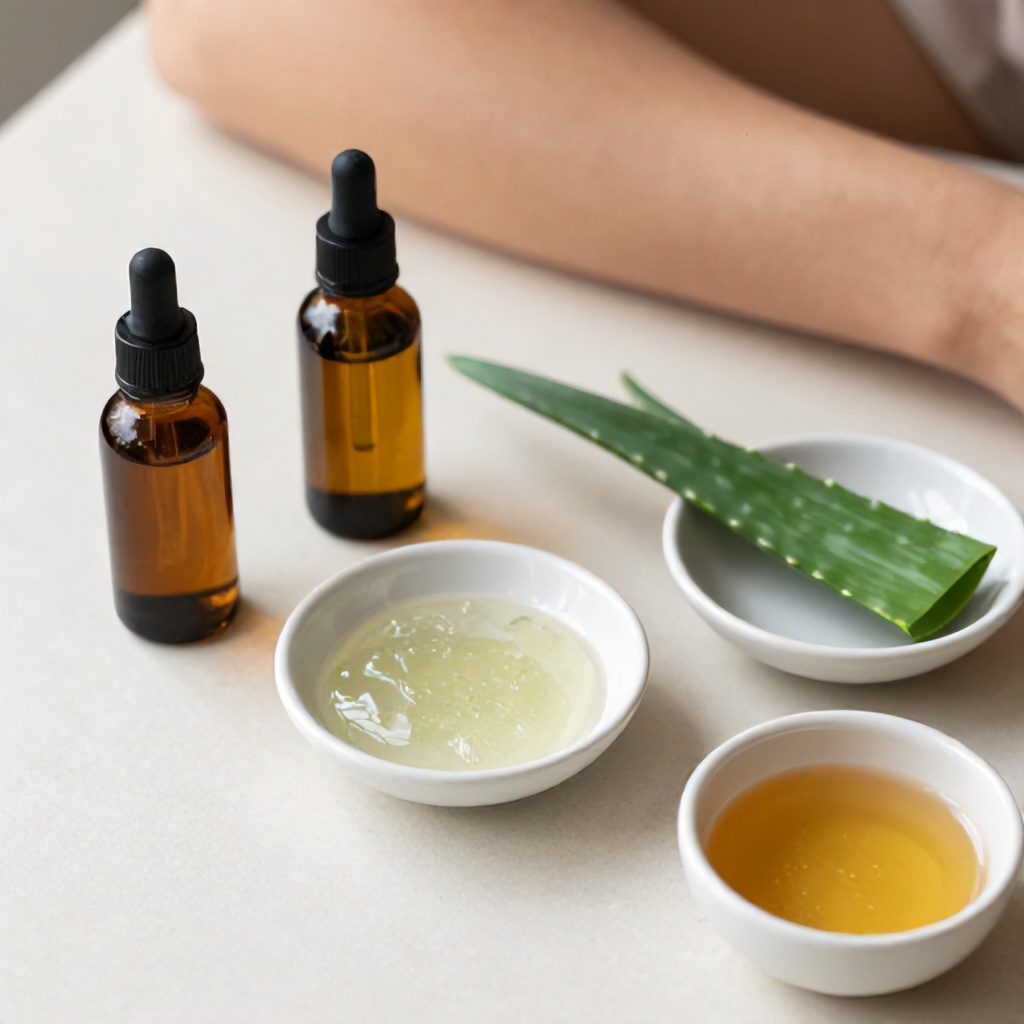
Understanding Your Skin’s Needs
Before diving into specific products or routines, it’s vital to understand what your skin is telling you. Is it dry and flaky? Oily and prone to breakouts? Sensitive and easily irritated? Knowing your skin type is the foundation for choosing the right natural ingredients. A personalized approach ensures you’re not over- or under-treating your skin, which can exacerbate issues like acne and scarring.
Acne scars, in particular, are a result of inflammation and the skin’s healing process. When the skin produces too much or too little collagen during healing, it can leave behind marks ranging from dark spots (hyperpigmentation) to indented or raised scars. Natural ingredients often work by supporting cell turnover, reducing inflammation, and providing essential nutrients to aid in this repair process.
The Core Natural Skincare Routine
A solid natural skincare routine doesn’t need to be a lengthy production. Three fundamental steps form the backbone: cleansing, moisturizing, and sun protection. Everything else builds upon this essential framework.
1. Gentle Cleansing
Cleansing is paramount to remove impurities, excess oil, and makeup without stripping your skin’s natural moisture barrier. Harsh cleansers can lead to dryness and irritation, potentially triggering more breakouts and hindering scar healing. Opt for natural cleansers that are mild and nourishing.
Cleanser Options for Every Skin Type
For dry or sensitive skin, look for creamy or oil-based cleansers. Ingredients like jojoba oil, almond oil, or shea butter gently lift away dirt and makeup. A simple oil cleansing method, using a carrier oil like sunflower or grapeseed oil, can be incredibly effective. Massage the oil onto dry skin, then gently wipe away with a warm, damp washcloth.
Oily or acne-prone skin can benefit from foaming cleansers, but ensure they are sulfate-free. Castile soap-based cleansers, diluted with water, can be a good option. Ingredients like green tea extract or chamomile can offer soothing and antioxidant benefits, while a touch of raw honey can provide antibacterial properties without over-drying.
For combination skin, you might use different cleansers on different areas or opt for a balanced formula that caters to both oiliness and dryness. A gentle gel cleanser with ingredients like aloe vera can be a good all-rounder.
2. Nourishing Moisturization
Moisturizing is not just for dry skin; it’s essential for all skin types. Well-hydrated skin functions better, heals more effectively, and appears plumper and more radiant. When your skin is properly moisturized, it’s less likely to overproduce oil to compensate for dryness, which can lead to breakouts.
Choosing the Right Natural Moisturizer
For dry skin, rich creams and balms containing shea butter, cocoa butter, or plant-based oils like avocado oil or rosehip seed oil are excellent. These ingredients are packed with fatty acids and vitamins that deeply hydrate and repair the skin barrier.
Oily skin often benefits from lightweight, non-comedogenic moisturizers. Look for gel-based formulas or lotions with ingredients like hyaluronic acid (which draws moisture from the air into the skin), aloe vera, or jojoba oil. Jojoba oil is particularly good because it mimics the skin’s natural sebum, helping to balance oil production.
Sensitive skin requires simple, fragrance-free formulas. Ingredients like calendula extract, chamomile, and oatmeal are known for their calming properties. Always patch-test new moisturizers on a small area of your skin before applying them to your entire face.
3. Daily Sun Protection
This is arguably the most critical step for both preventing future acne and treating existing scars. Sun exposure can darken acne scars, making them more noticeable and prolonging their appearance. It also accelerates skin aging and increases the risk of skin cancer. A natural sunscreen is your best defense.
Mineral Sunscreens: Your Natural Choice
Mineral sunscreens, which use zinc oxide and titanium dioxide as their active ingredients, are generally considered the most natural and reef-safe options. They work by creating a physical barrier on the skin that blocks UV rays. Look for formulas that are non-comedogenic and suitable for sensitive skin.
Applying sunscreen daily, even on cloudy days, is non-negotiable. Reapply every two hours when you’re outdoors for extended periods. Protecting your skin from the sun is one of the most effective ways to prevent hyperpigmentation and allow your skin to heal properly.
Targeted Treatments for Acne Scar Improvement
Once you have your core routine in place, you can introduce targeted treatments to specifically address acne scars and enhance skin radiance. These are often applied after cleansing and before moisturizing.
Exfoliation: The Key to Cell Turnover
Exfoliation helps to slough off dead skin cells, revealing newer, healthier skin underneath. This process is crucial for fading dark spots and improving the texture of scarred skin. Natural exfoliants can be physical (like finely ground oats or sugar) or chemical (using fruit enzymes or mild acids).
Natural Exfoliation Methods
Physical Exfoliants: For a gentle scrub, mix finely ground oatmeal or almond flour with a little water or honey to form a paste. Gently massage onto damp skin in circular motions, avoiding the eye area. Rinse thoroughly. Use this type of exfoliant 1-2 times per week at most.
Enzyme Exfoliants: Papaya and pineapple enzymes are fantastic natural exfoliants. You can find masks or serums containing these extracts. They work by breaking down the protein bonds that hold dead skin cells together, offering a gentler alternative to harsh physical scrubs.
Mild Acids: While often found in more potent formulations, some natural ingredients contain mild acids that aid exfoliation. For instance, yogurt contains lactic acid, and can be used as a gentle mask. Be cautious and always start with less frequent application.
Targeting Hyperpigmentation (Dark Spots)
Hyperpigmentation is a common concern with acne scars. Certain natural ingredients are known for their brightening and skin-evening properties.
Brightening Natural Ingredients
Vitamin C: A powerful antioxidant, Vitamin C can help to inhibit melanin production, which is responsible for dark spots. Look for serums containing L-Ascorbic Acid (the most potent form) derived from natural sources. Apply in the morning before sunscreen for an extra boost of protection and brightening.
Licorice Root Extract: This ingredient contains glabridin, which has skin-lightening properties and can help to reduce the appearance of dark spots. It’s also anti-inflammatory, making it beneficial for calming irritated skin.
Niacinamide (Vitamin B3): While often synthesized, it’s a naturally occurring vitamin that is excellent for improving skin tone, reducing redness, and minimizing the appearance of pores. It also helps to strengthen the skin barrier.
Hydration Boosters for Plumpness
Hydrated skin looks fuller, which can make indented scars appear less noticeable. Ingredients that attract and retain moisture are key.
Moisture-Locking Natural Ingredients
Hyaluronic Acid: Naturally found in the skin, hyaluronic acid can hold up to 1,000 times its weight in water. In skincare, it plumps the skin by drawing moisture from the environment, making fine lines and scars less visible.
Glycerin: A humectant derived from vegetable oils, glycerin draws moisture into the skin, keeping it hydrated and supple. It’s a common and effective ingredient in many natural moisturizers.
Aloe Vera: Known for its soothing and hydrating properties, aloe vera gel is rich in vitamins, minerals, and amino acids that can help to repair and moisturize the skin.
Soothing and Healing Agents
When dealing with active breakouts or healing scars, anti-inflammatory and reparative ingredients are essential.
Calming Natural Ingredients
Centella Asiatica (Gotu Kola): This herb is a powerhouse for skin healing. It’s known to boost collagen production, improve circulation, and reduce inflammation, making it excellent for scar repair and overall skin regeneration.
Chamomile: Renowned for its anti-inflammatory and antioxidant properties, chamomile can help to calm redness and irritation, promoting a more even complexion.
Calendula: Derived from marigold flowers, calendula has potent anti-inflammatory and wound-healing properties. It can help to soothe irritated skin and speed up the recovery of damaged tissue.
Lifestyle Factors for Healthy, Glowing Skin
Skincare products are only part of the equation. Your diet, sleep, and stress levels play a significant role in your skin’s health and its ability to heal.
Diet and Hydration
What you eat directly impacts your skin. Focus on a diet rich in antioxidants, vitamins, and minerals. Load up on fruits, vegetables, lean proteins, and healthy fats like those found in avocados, nuts, and seeds. These provide the building blocks for healthy skin and fight inflammation.
Stay well-hydrated by drinking plenty of water throughout the day. Proper hydration helps your skin cells function optimally and contributes to a plump, radiant complexion. Limit processed foods, excessive sugar, and dairy if you find they trigger breakouts.
Sleep and Stress Management
Your skin repairs itself while you sleep. Aim for 7-9 hours of quality sleep each night. During this time, your body regenerates cells and clears out toxins. Lack of sleep can lead to dull skin, increased inflammation, and slower healing of acne scars.
Chronic stress can wreak havoc on your skin, triggering breakouts and hindering the healing process. Incorporate stress-reducing activities into your routine, such as yoga, meditation, deep breathing exercises, or spending time in nature. Finding healthy ways to manage stress is a vital component of achieving and maintaining healthy skin.
Putting It All Together: A Sample Natural Routine
Here’s a sample routine incorporating these principles. Remember to adjust based on your skin’s specific needs.
Morning Routine
- Cleanse: Gently rinse your face with lukewarm water or use a mild natural cleanser if needed.
- Tone (Optional): Apply a hydrating toner like rose water or one with aloe vera to balance pH.
- Serum: Apply a Vitamin C serum to brighten and protect.
- Moisturize: Use a lightweight, natural moisturizer suited to your skin type.
- Sunscreen: Apply a broad-spectrum mineral sunscreen (SPF 30 or higher).
Evening Routine
- Cleanse: Use your preferred natural cleanser to remove makeup and impurities. If you wear heavy makeup, consider a double cleanse, starting with an oil cleanser followed by a water-based one.
- Exfoliate (1-3 times per week): Use a gentle natural exfoliant or an enzyme mask.
- Treatment Serum (Optional): Apply a serum with hyaluronic acid for hydration or niacinamide for tone correction. For scar treatment, a serum with Centella Asiatica can be beneficial.
- Moisturize: Apply a slightly richer natural moisturizer to support overnight repair.
Patience and Consistency are Key
Natural skincare is a marathon, not a sprint. Seeing significant improvements in acne scars takes time and consistent effort. Be patient with your skin and stick to your routine. You’ll likely notice an improvement in your skin’s overall health and radiance long before the scars fully fade. Celebrate the small wins – smoother texture, reduced redness, and a more even tone – as you work towards your glowing skin goals.