
Professional skin blemish treatment using specialized spatulas offers a precise and hygienic way to address various skin imperfections, helping to clear and smooth the epidermal surface under expert care. This dermatological procedure focuses on safely extracting blockages and removing certain types of superficial skin lesions without causing undue trauma to the surrounding skin.

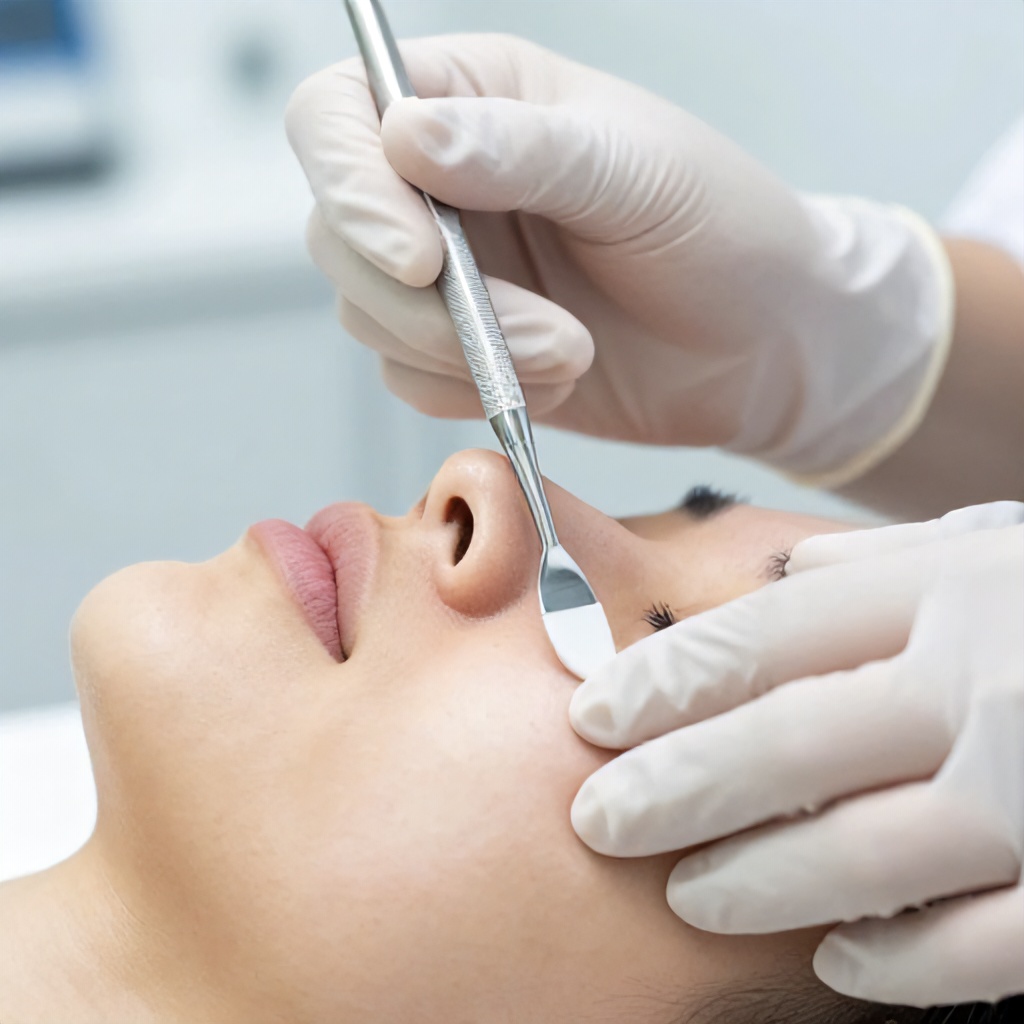
Understanding Medical Spatulas in Skin Care
When we talk about medical spatulas in the context of skin care, we aren’t referring to kitchen tools. These are highly specialized medical instruments designed for delicate skin surface manipulation. They come in various shapes and sizes, each crafted for a specific purpose in a clinical setting.
Types of Spatulas and Their Uses
The most common types you might encounter during a professional skin treatment include:
- Comedone Extractors: These often feature a small loop or a spoon-like end with a central opening. They are expertly used to apply gentle, even pressure around a blackhead or whitehead, helping to dislodge the trapped sebum and dead skin cells without tearing the skin.
- Lancets: Sometimes, a very fine, sterile lancet is used by a practitioner to create a tiny opening in the skin, particularly for stubborn whiteheads or milia, before extraction. This minimizes damage and facilitates removal.
- Curettes: These have a small, sharp, spoon-shaped end and are used for gently scraping away certain superficial skin anomalies or lesions, like skin tags or specific types of benign growths, always with extreme precision.
- Spatula-Ended Tools: Some tools feature a flat, thin spatula end, useful for applying product, gently lifting skin, or carefully maneuvering around delicate areas during a procedure.
These medical instruments are typically made from surgical-grade stainless steel, ensuring they can be properly sterilized before each use. This commitment to a sterile environment is absolutely fundamental for patient safety and effective skin health intervention.
Why Opt for Professional Blemish Treatment?
While it might be tempting to tackle skin imperfections at home, professional skin blemish treatment provides unparalleled benefits in terms of safety, hygiene, and efficacy. An experienced practitioner possesses the knowledge and tools to perform skin lesion removal correctly, minimizing risks that often accompany DIY attempts.
Safety and Hygiene First
The primary reason to seek professional help is safety. A trained esthetician or dermatologist works within a clinical setting, adhering to strict sterilization protocols. They wear practitioner gloves, use disinfected or single-use medical spatulas, and ensure the treatment area is clean. This drastically reduces the risk of infection, inflammation, and scarring that can result from improper at-home extractions. Attempting to extract blemishes yourself can push bacteria deeper into the pore, leading to more severe breakouts or even permanent marks.
Precision and Effectiveness
Professionals have a keen eye and steady hand, coupled with a deep understanding of the integumentary system care. They can accurately identify the type of blemish, assess its depth, and choose the most appropriate medical spatulas and techniques for blemish extraction. This precision ensures that only the targeted skin anomaly is addressed, preserving the integrity of the surrounding skin. The result is a more thorough and effective skin spot removal, often leading to clearer skin with fewer complications.
Common Skin Imperfections Addressed
A professional skin blemish treatment using spatulas is effective for a range of superficial skin issues. It’s an excellent option for improving overall skin texture and achieving cosmetic correction.
Targeting Specific Blemishes
- Blackheads (Open Comedones): These are pores clogged with sebum and dead skin cells that have oxidized, giving them a dark appearance. Spatulas, particularly comedone extractors, are highly effective for gently pushing out these blockages.
- Whiteheads (Closed Comedones): Similar to blackheads, but the pore opening is covered by a layer of skin. A professional might use a fine lancet to create a tiny opening before using an extractor to remove the contents.
- Milia: These are tiny, pearly white cysts that form when keratin gets trapped beneath the skin’s surface. They are notoriously difficult to remove at home. A practitioner can safely nick the surface with a sterile lancet and then use a specialized spatula to extract the milia.
- Non-Inflamed Cysts and Pustules: For certain non-inflamed, superficial cysts or pustules, careful extraction can be performed to release the trapped material, promoting healing and preventing further irritation.
- Certain Surface Hyperpigmentation: While spatulas don’t directly treat pigment, by clearing congested pores and preventing inflammation, they can indirectly help in managing certain types of hyperpigmentation treatment that arise from post-inflammatory issues.
This aesthetic procedure is not typically for deep, inflamed acne cysts or nodules, which require different dermatological procedures and often medical intervention beyond manual extraction.
The Professional Skin Blemish Treatment Procedure
Understanding the steps involved can help you feel more comfortable and prepared for your professional skin treatment. Each stage is designed to ensure safety, efficacy, and comfort.
1. Consultation and Skin Surface Examination
Your session begins with a thorough skin surface examination. The practitioner will assess your skin type, identify specific skin imperfections, and discuss your concerns and skin history. This initial skin texture analysis helps them determine the most appropriate approach and confirm you are a suitable candidate for the procedure. They will look for any contraindications, such as active infections or highly inflamed lesions.
2. Preparation of the Skin
Before any extraction begins, your skin will be meticulously cleansed to remove makeup, dirt, and oils. This step is crucial for preventing bacteria from entering open pores during the blemish extraction. Often, a warm steam treatment is applied to soften the skin and open up the pores, making extractions easier and less traumatic. Sometimes, an exfoliating solution might be used to further prepare the epidermal surface.
3. The Spatula Work: Precision Extraction
Wearing sterile practitioner gloves, the professional will carefully begin the extraction process. Using the appropriate medical spatulas, they will apply gentle, targeted pressure around the identified blemishes. This is where their skill truly shines. They understand the correct angle and amount of pressure needed for effective skin surface manipulation without causing damage. For stubborn whiteheads or milia, a tiny, precise prick with a sterile lancet might precede the extraction. The goal is to remove the blockage completely while minimizing trauma to the surrounding tissue.
4. Post-Treatment Care and Soothing
Once all necessary blemish extraction is complete, the skin is treated to calm and soothe any redness or irritation. This often involves applying antiseptic solutions, calming masks, or high-frequency treatments to kill surface bacteria and reduce inflammation. A hydrating serum and a broad-spectrum sunscreen are typically applied as the final steps, protecting the skin and aiding in recovery.
Benefits of This Clinical Skin Care Approach
Choosing a professional for skin spot removal and blemish treatment yields several advantages beyond just clearer skin. It’s a proactive step in comprehensive skin health intervention.
- Reduced Scarring and Post-Inflammatory Hyperpigmentation: Professional extraction significantly lowers the risk of scarring and dark spots (post-inflammatory hyperpigmentation) compared to self-extraction. The precise technique avoids tearing the skin or pushing debris deeper, which are common causes of lasting marks.
- Improved Skin Texture and Clarity: By clearing congested pores and removing superficial skin anomalies, the procedure contributes to a smoother, more refined skin texture. Your skin will feel softer and look more even.
- Enhanced Product Absorption: With pores free from blockages, your skincare products can penetrate more effectively. Serums and moisturizers can deliver their active ingredients deeper into the skin, maximizing their benefits.
- Immediate Visible Results: Many people notice an immediate improvement in their skin’s appearance after a professional session. Blackheads and whiteheads are gone, and the skin looks cleaner and brighter.
- Expert Guidance: Beyond the procedure itself, a professional offers valuable advice on maintaining your skin health. They can recommend appropriate at-home clinical skin care routines and products tailored to your specific needs.
Who is a Good Candidate?
This type of professional skin treatment is ideal for individuals experiencing non-inflammatory blemishes such as blackheads, whiteheads, and milia. People looking to improve their overall skin clarity and texture, or those seeking targeted skin spot removal for specific superficial issues, often benefit greatly.
Considerations and Contraindications
However, it’s not suitable for everyone. If you have highly sensitive skin, active cystic acne, open sores, sunburn, or certain skin conditions like eczema or psoriasis in the treatment area, your practitioner might recommend alternative dermatological procedures or advise against manual extractions until your skin has healed or your condition is managed. Always disclose your full skin history and any medications you are taking during the consultation.
What to Expect After Your Session
After your professional skin blemish treatment, it’s normal to experience some mild side effects. Your skin has just undergone a targeted skin health intervention, and it needs a little time to recover.
- Redness and Sensitivity: Expect some redness, especially in areas where extractions were performed. This usually subsides within a few hours to a day. Your skin might also feel a bit sensitive to touch.
- Mild Swelling: In some cases, slight swelling might occur around treated areas, which is temporary.
- Small Scabs or Pinpoint Bruises: For deeper or more stubborn blemishes, tiny scabs or pinpoint bruises might form. These are typically very small and heal quickly, provided you don’t pick at them.
Your practitioner will provide specific aftercare instructions, which usually include avoiding harsh products, excessive sun exposure, and picking at your skin. Gentle cleansing and moisturizing are key during the healing phase.
Maintaining Your Clear Skin
A single professional skin treatment can make a significant difference, but consistent care is essential for long-term results. Think of it as an ongoing partnership with your skin.
Your At-Home Skincare Routine
Following a consistent and appropriate at-home skincare routine is paramount. This should include gentle cleansing, regular exfoliation (as advised by your professional), and moisturizing. Ingredients like salicylic acid or retinoids, when used correctly, can help prevent future blockages and maintain a clear epidermal surface. Always remember to use broad-spectrum sun protection daily to prevent hyperpigmentation and protect your skin’s health.
Regular Professional Check-ups
Scheduling regular follow-up sessions for professional skin treatment can help keep new skin imperfections at bay. The frequency will depend on your skin type and concerns, but often a session every 4-6 weeks is beneficial for maintaining optimal skin health. These appointments allow for ongoing skin texture analysis and proactive blemish extraction before issues become more pronounced. It’s a continuous investment in your skin’s clarity and overall vitality.