
Achieving clearer, smoother skin is entirely possible with a consistent and targeted facial care routine that directly addresses blackheads, acne, and the appearance of enlarged pores.

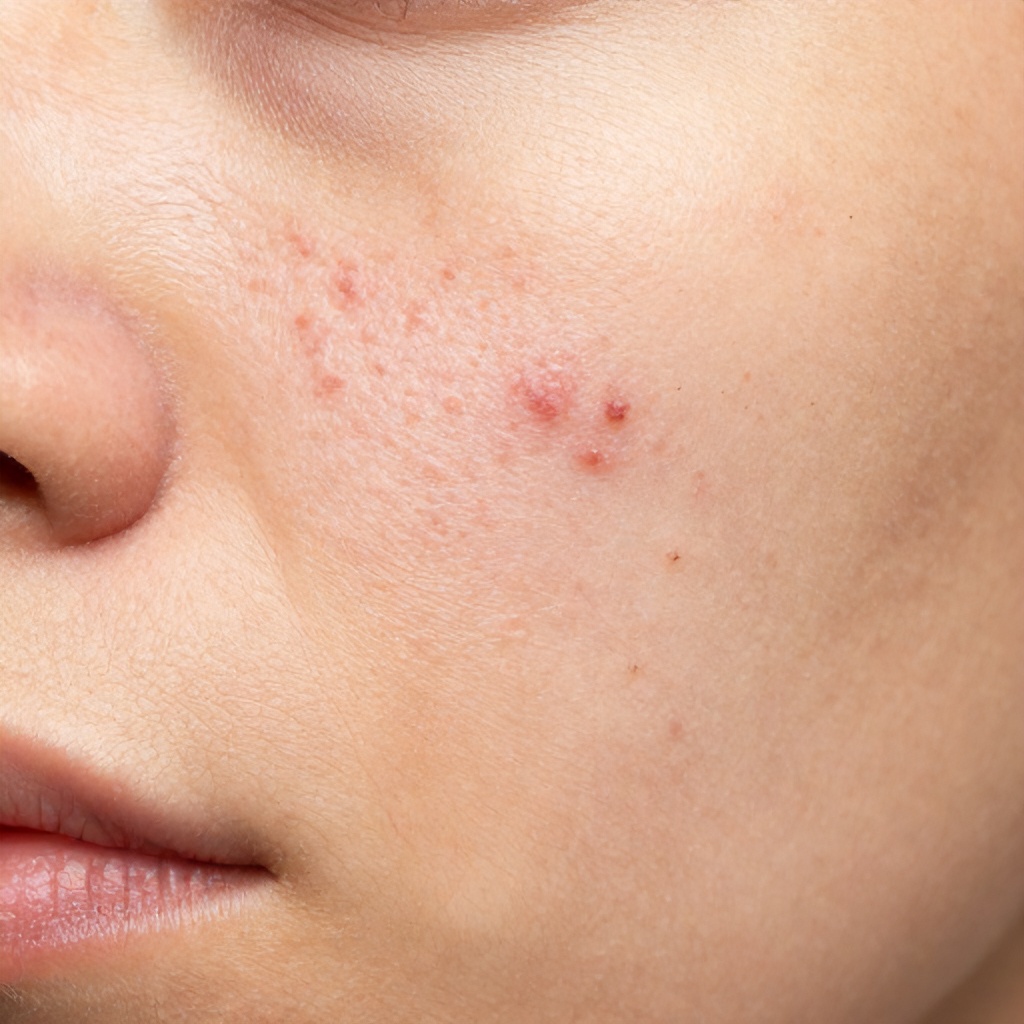
Understanding Your Skin’s Challenges
Before you can effectively treat skin concerns, it helps to know what you’re up against. Blackheads, acne, and visible pores are common, but they each have distinct characteristics and underlying causes.
What Are Blackheads?
Blackheads, scientifically known as open comedones, are small, dark bumps that appear on the skin. They form when hair follicles become clogged with sebum (your skin’s natural oil) and dead skin cells. The “black” color isn’t dirt; it’s the result of the trapped material oxidizing when exposed to air, turning dark.
What Is Acne?
Acne is a broader term encompassing various types of lesions that occur when hair follicles become clogged with oil and dead skin cells, often leading to inflammation. This can manifest as:
- Whiteheads (closed comedones): Small, flesh-colored bumps that are closed at the surface.
- Papules: Small, red, tender bumps without a pus-filled head.
- Pustules: Red, tender bumps with a white or yellow pus-filled center.
- Nodules: Large, solid, painful lumps beneath the surface of the skin.
- Cysts: Large, painful, pus-filled lesions deep under the skin, which can cause scarring.
Bacteria, specifically Propionibacterium acnes (P. acnes), also plays a significant role in inflammatory acne, thriving in clogged follicles and causing redness and swelling.
What Causes Enlarged Pores?
Pores are tiny openings on your skin that allow oil and sweat to reach the surface. Their size is largely determined by genetics; some people naturally have more visible pores than others. However, several factors can make them appear larger:
- Excessive sebum production: Oily skin types often have more noticeable pores.
- Decreased skin elasticity: As skin ages, it loses firmness, causing pores to stretch and appear larger.
- Sun damage: UV exposure can thicken skin and weaken collagen, making pores more prominent.
- Clogged pores: When pores are clogged with oil and dead skin cells, they can stretch and look bigger.
The Foundation: A Consistent Daily Facial Care Routine
A solid routine is the bedrock of clear skin. Consistency is far more important than any single product. Building good habits ensures your skin gets what it needs every day.
Gentle Cleansing
Washing your face twice a day is non-negotiable. It removes dirt, oil, makeup, and pollutants that can clog pores. Choose a cleanser appropriate for your skin type.
- For oily or acne-prone skin: Look for cleansers containing salicylic acid (a BHA) or benzoyl peroxide. Salicylic acid penetrates oil to exfoliate inside the pore, while benzoyl peroxide kills acne-causing bacteria.
- For sensitive or dry skin: Opt for a gentle, hydrating, non-foaming cleanser. Harsh cleansers can strip your skin, leading to irritation and potentially even more oil production as your skin tries to compensate.
Use lukewarm water, not hot, and cleanse with your fingertips, massaging gently for about 30-60 seconds. Rinse thoroughly and pat your face dry with a clean towel.
Targeted Toning
Toners are no longer just alcohol-laden astringents. Modern toners can help balance skin pH, remove residual impurities, and deliver active ingredients. They prepare your skin for subsequent treatments.
- For blackheads and enlarged pores: An exfoliating toner with AHAs (like glycolic or lactic acid) or BHAs (salicylic acid) can help shed dead skin cells and keep pores clear.
- For sensitive or dry skin: A hydrating toner with ingredients like hyaluronic acid or rose water can add a layer of moisture without irritation.
Apply toner to a cotton pad and gently swipe it across your face, or simply press it into your skin with clean hands.
Specific Treatments and Serums
This is where you bring in the heavy hitters for your specific concerns. Serums are concentrated formulas designed to deliver active ingredients deep into the skin.
- For acne: Spot treatments with benzoyl peroxide or salicylic acid can target individual blemishes. Serums containing niacinamide can help reduce inflammation and improve skin barrier function.
- For blackheads and pore minimization: Retinoids (vitamin A derivatives) are incredibly effective. Over-the-counter options like retinol can accelerate cell turnover, preventing clogs and refining skin texture. Prescription retinoids are stronger and often recommended for more stubborn issues.
Apply serums to clean, toned skin before moisturizing. Start with a small amount and introduce new products slowly to avoid irritation.
Hydrating with Moisturizer
Even oily and acne-prone skin needs moisture. Skipping moisturizer can signal your skin to produce more oil, exacerbating breakouts. A good moisturizer helps maintain the skin barrier, keeping it healthy and resilient.
Choose a non-comedogenic (won’t clog pores) and oil-free moisturizer. Gel-based or lightweight lotions are often suitable for oilier skin types. If you’re using active ingredients like retinoids or acids, a slightly richer moisturizer can help counteract potential dryness or flakiness.
Non-Negotiable Sun Protection
Sunscreen is the final, and arguably most important, step in your morning routine. UV radiation damages skin cells, breaks down collagen, and can worsen hyperpigmentation from acne. It also contributes to the appearance of enlarged pores over time.
Use a broad-spectrum sunscreen with at least SPF 30 every single day, rain or shine. Look for formulas labeled “non-comedogenic” or “oil-free” to avoid clogging pores.
Targeting Blackheads Effectively
Blackheads respond well to consistent exfoliation and ingredients that can penetrate oil.
Chemical Exfoliation
This is your best friend for blackheads. AHAs and BHAs work by dissolving the bonds between dead skin cells, allowing them to shed more easily.
- Salicylic Acid (BHA): This is a star ingredient. It’s oil-soluble, meaning it can penetrate through sebum into the pore lining to dissolve the clog. Use it in a cleanser, toner, or serum.
- Glycolic Acid (AHA): While primarily water-soluble, glycolic acid helps exfoliate the skin’s surface, preventing dead cells from accumulating and contributing to clogs.
Start with lower concentrations and use them a few times a week, gradually increasing frequency if your skin tolerates it.
Topical Retinoids
Retinoids, including retinol and retinaldehyde, are excellent for preventing blackheads. They normalize cell turnover within the follicle, making it less likely for dead skin cells and oil to accumulate and form a clog. They also help to reduce the size of pores over time.
Clay Masks
Once or twice a week, a clay mask can be beneficial. Clays like bentonite or kaolin absorb excess oil and impurities from the skin, helping to draw out congestion from pores. Apply to clean skin, leave on for the recommended time, then rinse thoroughly.
Professional Extractions
For stubborn blackheads, a trained esthetician or dermatologist can perform professional extractions. They use sterile tools and techniques to safely remove comedones without damaging the surrounding skin. Attempting to squeeze blackheads yourself often leads to inflammation, scarring, or pushing the clog deeper.
Managing Acne Breakouts
Acne treatment often requires a multi-pronged approach, addressing bacteria, inflammation, and excess oil.
Benzoyl Peroxide
This ingredient is highly effective at killing acne-causing bacteria (P. acnes) and helping to shed dead skin cells. It comes in various concentrations, from 2.5% to 10%. Start with a lower concentration to minimize irritation, as it can be drying.
Apply it as a spot treatment or a thin layer over affected areas. Remember that benzoyl peroxide can bleach fabrics, so be careful with towels and pillowcases.
Topical Retinoids for Acne
Beyond blackheads, retinoids are also powerful tools against various forms of acne. They reduce inflammation, prevent new breakouts by regulating cell turnover, and can even improve the appearance of acne scars over time. Adapalene, an over-the-counter retinoid, is particularly well-tolerated and effective for acne.
Azelaic Acid
This gentle but effective acid has antibacterial, anti-inflammatory, and exfoliating properties. It’s a great option for those with sensitive skin who might find other acne treatments too harsh. Azelaic acid also helps to fade post-inflammatory hyperpigmentation (dark spots left after acne heals).
When to See a Dermatologist
If your acne is persistent, severe, cystic, or causing significant scarring, it’s time to consult a dermatologist. They can prescribe stronger topical medications, oral antibiotics, hormonal therapies, or even isotretinoin (Accutane) for severe cases. Early intervention can prevent permanent scarring.
Lifestyle Considerations for Acne
- Diet: While direct links are complex, some people find that reducing dairy or high-glycemic foods can help manage breakouts. Pay attention to your body.
- Stress: Stress can trigger hormonal fluctuations that worsen acne. Finding healthy ways to manage stress is beneficial for skin and overall health.
- Pillowcases: Change your pillowcase frequently (every 2-3 days) to avoid reintroducing bacteria and oil to your skin.
- Hands off: Resist the urge to pick, pop, or squeeze pimples. This often pushes bacteria deeper, causes more inflammation, and increases the risk of scarring.
Minimizing the Appearance of Pores
While you can’t permanently shrink your pores, you can definitely make them appear smaller and less noticeable by keeping them clear and supporting skin elasticity.
Consistent Cleansing and Exfoliation
This is fundamental. When pores are clean and free of debris, they naturally appear smaller. Regular use of BHAs (salicylic acid) is particularly effective for this, as it dissolves the oil and dead cells that stretch pores.
Niacinamide (Vitamin B3)
Niacinamide is a powerhouse ingredient for pore appearance. It helps to regulate oil production, which can make pores look less prominent. It also improves skin elasticity and strengthens the skin barrier, contributing to a smoother, more refined texture.
Retinoids
As mentioned, retinoids are excellent for pore refinement. By boosting cell turnover and stimulating collagen production, they help to firm the skin around the pores, making them less visible.
Hydration is Key
Well-hydrated skin appears plumper and smoother, which can make pores seem smaller. Ensure you’re using a good moisturizer and drinking enough water. Dehydrated skin can sometimes make pores more noticeable.
Professional Treatments
For more significant pore concerns, professional treatments can offer dramatic improvement. Microneedling stimulates collagen production, which can tighten the skin and reduce pore size. Laser treatments, such as fractional lasers, can also resurface the skin and minimize pore appearance. These are more intensive options that require consultation with a dermatologist.
Common Mistakes to Avoid
Even with the best intentions, some habits can hinder your progress.
- Over-exfoliating: Using too many exfoliating acids or scrubbing too harshly can damage your skin barrier, leading to irritation, redness, and even more breakouts. Less is often more.
- Picking and squeezing: This is a direct route to inflammation, infection, and permanent scarring. Leave extractions to professionals.
- Using harsh, stripping products: Alcohol-heavy toners or aggressive cleansers can disrupt your skin’s natural balance, leading to dryness, irritation, and compensatory oil production.
- Skipping moisturizer or sunscreen: These steps are vital for skin health, even for oily skin. Skipping them can worsen issues.
- Expecting instant results: Skin takes time to respond to new products and routines. Give any new regimen at least 4-6 weeks to show noticeable improvement. Patience is truly a virtue in skincare.
Building Your Personalized Routine
Everyone’s skin is unique. What works for one person might not work for another. It takes some experimentation to find your perfect routine.
- Start simple: Begin with a gentle cleanser, moisturizer, and sunscreen.
- Introduce one new active ingredient at a time: This allows you to see how your skin reacts and identify any potential irritants. Wait at least a few weeks before adding another.
- Patch test: Before applying a new product all over your face, test a small amount on an inconspicuous area, like behind your ear or on your jawline, for a few days to check for adverse reactions.
- Listen to your skin: If your skin feels tight, red, itchy, or excessively dry, scale back on active ingredients or switch to gentler products.
- Be consistent: The most effective routine is the one you can stick to every single day.
Achieving clearer skin with minimized pores is a journey, not a sprint. By understanding your skin, choosing the right ingredients, and committing to a consistent, gentle routine, you can make significant, lasting improvements to your complexion.