Effective Treatments and Prevention for Razor Burn and Ingrown Hairs

Soothe Your Skin: Taming Razor Burn and Banish Ingrown Hairs

Razor burn and ingrown hairs are common skin irritations that can turn a smooth shave into a painful ordeal. Understanding why they happen is the first step to preventing them and finding effective remedies.

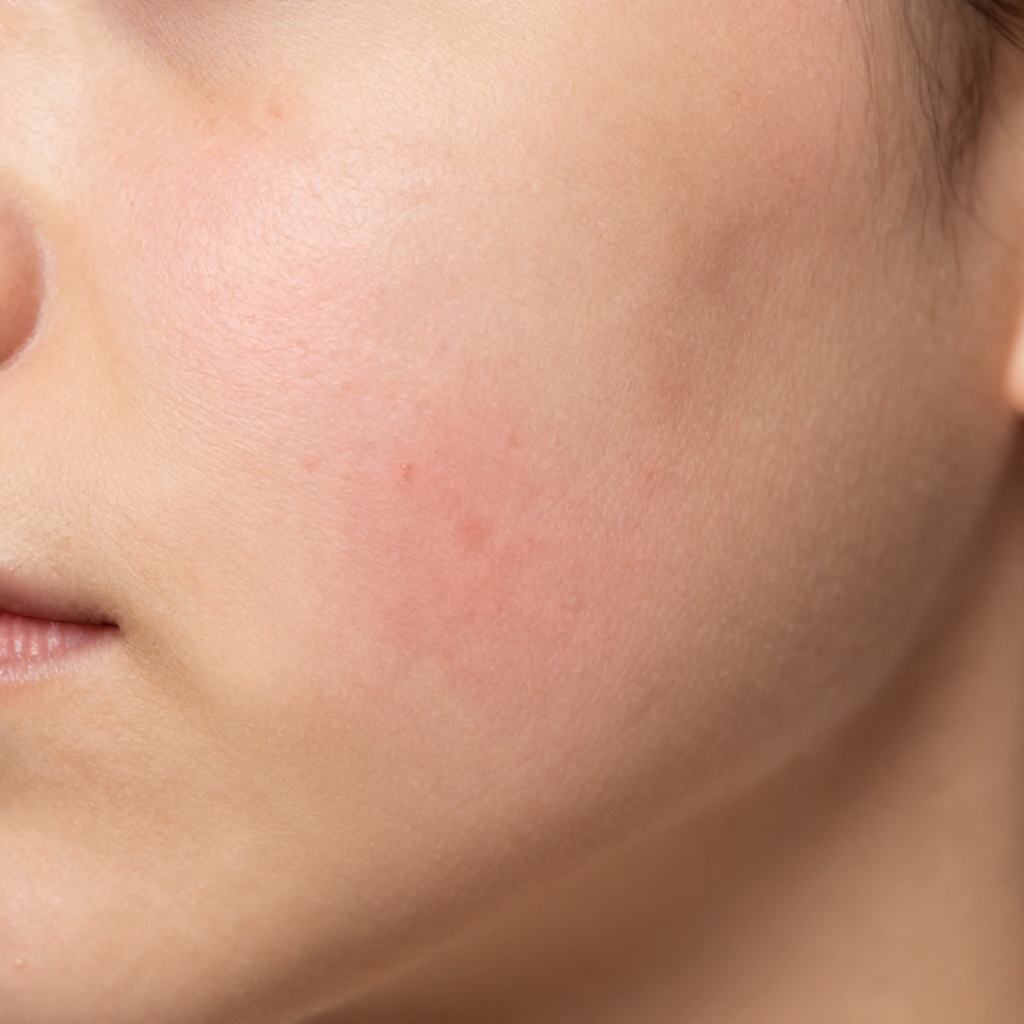
Understanding the Culprits: Razor Burn vs. Ingrown Hairs

Razor burn often appears as redness and a burning sensation immediately after shaving. It’s essentially a mild form of skin inflammation caused by the friction of the razor blade against the skin, especially when the skin is dry or the blade is dull.

Ingrown hairs, on the other hand, are hairs that curl back or grow sideways into the skin instead of rising out of the hair follicle. This can lead to small, red, inflamed bumps that might resemble pimples, and sometimes they can become infected, causing more significant discomfort and even pus. This particular skin concern is often seen with stubble growth.

Prevention is Key: Strategies for a Smoother Shave

The best approach to dealing with razor burn and ingrown hairs is to prevent them from occurring in the first place. Implementing a few simple changes to your shaving routine can make a world of difference.

Prep Your Skin for Success

Don’t just jump straight to the razor. Your skin needs preparation.

  1. Warm Water is Your Friend: Before you even pick up a razor, spend a few minutes in a warm shower or apply a warm, damp cloth to the area you plan to shave. This softens the hair and opens up the pores, making hair removal easier and reducing the chance of the hair being pulled or cut unevenly below the skin’s surface.
  2. Exfoliate Gently: A gentle exfoliation before shaving can help lift hairs away from the skin and remove dead skin cells that might trap hairs. You can use a soft washcloth, a gentle scrub, or an exfoliating brush. Be careful not to overdo it, as too much scrubbing can also cause irritation.

Choose the Right Tools and Techniques

Your razor and shaving cream play a significant role.

  • Sharp Blade, Happy Skin: Always use a sharp, clean razor blade. A dull blade tugs at the hair and skin, increasing the likelihood of razor burn and ingrown hairs. Change your razor blades frequently – typically every 5-10 shaves, or as soon as you notice any pulling or tugging.
  • Shaving Cream or Gel: Never shave dry. Use a good quality shaving cream, gel, or oil. These products create a slick barrier between the razor and your skin, allowing the blade to glide smoothly and reducing friction. Look for formulas designed for sensitive skin if you’re prone to irritation.
  • Shave with the Grain: This is a big one for preventing ingrown hairs. Shave in the direction that your hair grows. Shaving against the grain might give you a closer shave initially, but it’s a major contributor to ingrown hairs and irritation because it can cut the hair too close to the follicle, allowing it to curl back into the skin. If you need a closer shave, go over the area a second time, but always try to follow the direction of hair growth.
  • Rinse Frequently: Rinse your razor blade under hot water after every stroke or two. This prevents hair clippings and shaving cream from clogging the blade, ensuring a cleaner, more efficient shave.
  • Avoid Over-Shaving: Don’t go over the same spot repeatedly. If you’ve shaved an area and need a little more, reapply shaving cream and shave gently.

Post-Shave Care Matters

The work isn’t done once the razor is put away.

  • Rinse with Cool Water: After you’ve finished shaving, rinse your skin thoroughly with cool water. This helps to close the pores and soothe any immediate redness or irritation.
  • Pat Dry, Don’t Rub: Gently pat your skin dry with a clean, soft towel. Rubbing can further irritate sensitive skin.
  • Moisturize: Apply a gentle, fragrance-free moisturizer or a post-shave balm. This helps to rehydrate the skin and create a protective barrier. Look for ingredients like aloe vera, chamomile, or hyaluronic acid, which are known for their soothing and hydrating properties.

Effective Treatments for Existing Razor Burn and Ingrown Hairs

Despite your best efforts, you might still experience razor burn or ingrown hairs. Fortunately, there are several effective remedies to help calm your skin and get rid of those pesky bumps.

Calming Razor Burn

Razor burn often resolves on its own within a day or two, but these steps can speed up the healing process and provide immediate relief.

  • Cool Compresses: Apply a cool, damp cloth or an ice pack wrapped in a thin towel to the affected area for 10-15 minutes at a time. This can help reduce redness and inflammation.
  • Aloe Vera Gel: Pure aloe vera gel is a natural anti-inflammatory and can be incredibly soothing for irritated skin. Apply it liberally to the burned areas.
  • Oatmeal Baths: For larger areas of irritation, an oatmeal bath can be very beneficial. Colloidal oatmeal has anti-inflammatory and skin-soothing properties.
  • Hydrocortisone Cream: Over-the-counter hydrocortisone cream (0.5% or 1%) can help reduce redness and itching associated with razor burn. Use it sparingly for a few days.
  • Avoid Further Irritation: Stay away from shaving, tight clothing, and harsh skincare products on the affected areas until the skin has healed.

Tackling Ingrown Hairs

Ingrown hairs can be more stubborn, but with patience and the right approach, you can help them resolve and prevent future occurrences.

  • Warm Compresses: Similar to razor burn, applying warm compresses can help soften the skin and encourage the ingrown hair to surface. Do this several times a day.
  • Gentle Exfoliation: Once the inflammation has subsided a bit, gentle exfoliation can help release the trapped hair. You can use a soft washcloth, a gentle scrub, or a chemical exfoliant containing salicylic acid or glycolic acid. These ingredients are particularly effective at breaking down the debris that can trap hairs.
  • Tweezers (with Caution): If the ingrown hair has surfaced and you can clearly see the hair loop, you can carefully try to lift it out with a sterile pair of tweezers. Sterilize the tweezers with rubbing alcohol first. Do NOT dig into your skin. If you can’t easily access the hair, leave it alone and let it resolve on its own or seek professional help. Attempting to dig out a deeply embedded hair can lead to infection and scarring.
  • Topical Treatments: Products containing salicylic acid or benzoyl peroxide can help unclog pores and reduce inflammation. They can be applied directly to the ingrown hair bump.
  • Prevent Re-occurrence: Once the ingrown hair has resolved, continue with your preventative measures, especially shaving with the grain and exfoliating regularly.

When to Seek Professional Help

While most cases of razor burn and ingrown hairs can be managed at home, there are times when you should consult a healthcare professional, such as a dermatologist.

  • Signs of Infection: If an ingrown hair becomes very painful, swollen, filled with pus, or if you develop a fever, it could be infected. This requires medical attention.
  • Persistent or Severe Issues: If you experience frequent, severe ingrown hairs or razor burn that doesn’t improve with home care, a dermatologist can offer stronger prescription treatments or discuss alternative hair removal methods.
  • Scarring: If you are concerned about scarring from ingrown hairs, a dermatologist can recommend treatments to minimize their appearance.

Beyond the Razor: Alternative Hair Removal Methods

For some individuals, the best way to avoid razor burn and ingrown hairs altogether is to explore alternative hair removal methods. While each has its own pros and cons, they might offer a solution to persistent skin concerns.

  • Waxing: This method removes hair from the root. While it can sometimes cause temporary irritation or ingrown hairs if not done correctly, many find it leads to smoother skin for longer periods and can reduce the incidence of ingrown hairs over time compared to shaving.
  • Sugaring: Similar to waxing, sugaring removes hair from the root. It’s often considered gentler on the skin and can be a good option for sensitive individuals.
  • Epilating: Epilators are devices that pull multiple hairs out from the root. Like waxing, it can cause initial irritation but may lead to fewer ingrown hairs with regular use.
  • Laser Hair Removal/IPL: These are longer-term solutions that target hair follicles to reduce hair growth. They require multiple sessions and are an investment, but many find them highly effective in preventing ingrown hairs and razor burn permanently or for extended periods.
  • Depilatory Creams: These creams dissolve hair at the skin’s surface. While they can be convenient, some people experience allergic reactions or irritation. Always patch-test first.

Managing razor burn and ingrown hairs is largely about adopting a mindful approach to hair removal and skincare. By understanding your skin, preparing it properly, using the right tools, and following up with consistent care, you can significantly reduce these common skin irritations and enjoy smoother, more comfortable skin.

How to Treat Hyperpigmentation and Blackheads on Your Neck

Addressing Hyperpigmentation and Blackheads on the Neck

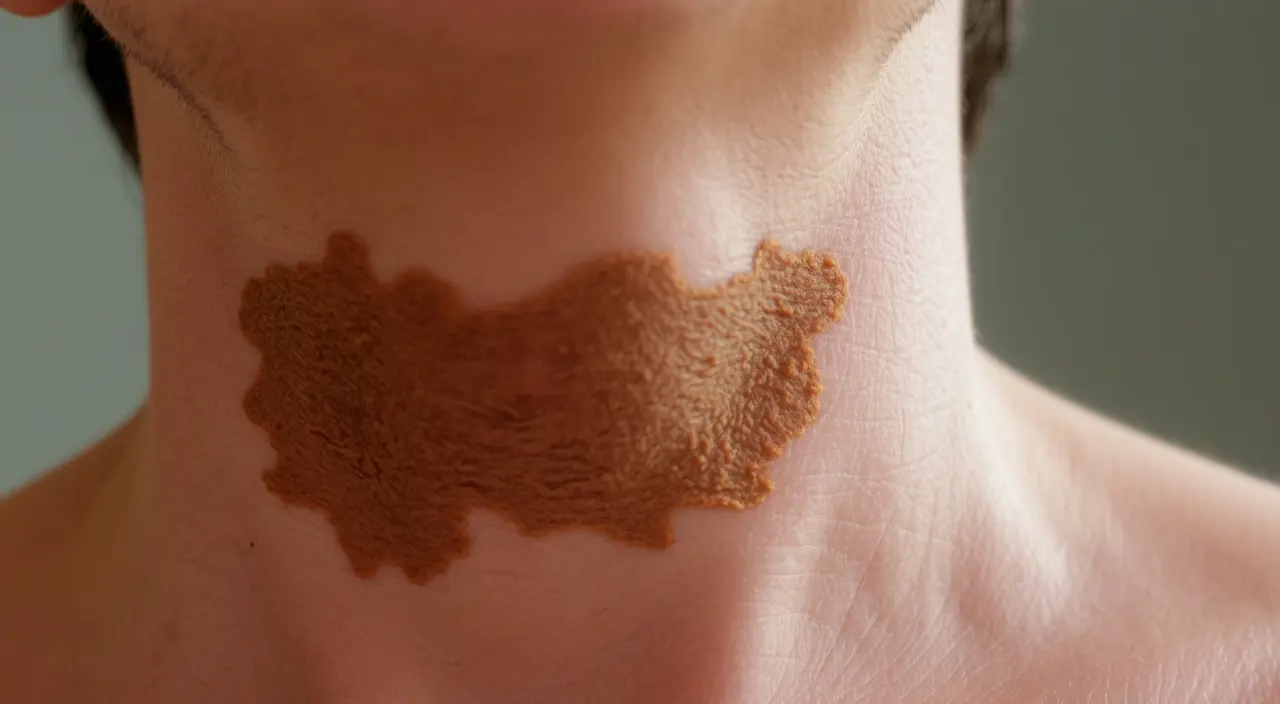
Darkening of the neck, often referred to as acanthosis nigricans, and the presence of blackheads are distinct dermatological concerns that require targeted approaches for management and treatment. While both can affect the appearance of the neck, their underlying causes and recommended interventions differ significantly.

Understanding Neck Hyperpigmentation

Neck hyperpigmentation, characterized by a darkening of the skin, is frequently associated with acanthosis nigricans. This condition is not a disease in itself but rather a sign of an underlying metabolic issue. The skin in the affected areas, typically the neck, armpits, and groin, develops a thickened, velvety texture and a darker hue.

Causes of Neck Hyperpigmentation

The primary driver of acanthosis nigricans is insulin resistance. Elevated insulin levels can stimulate the growth of skin cells, leading to the characteristic thickening and darkening. Several factors contribute to insulin resistance:

  • Obesity: Excess body weight is a leading cause of insulin resistance.
  • Type 2 Diabetes: This metabolic disorder is closely linked to impaired insulin function.
  • Polycystic Ovary Syndrome (PCOS): Hormonal imbalances in PCOS can lead to insulin resistance.
  • Certain Medications: Some drugs, including corticosteroids and oral contraceptives, can influence insulin sensitivity.
  • Genetic Predisposition: A family history of diabetes or insulin resistance can increase susceptibility.
  • Rare Conditions: In less common instances, acanthosis nigricans can be a symptom of certain cancers, particularly adenocarcinoma of the gastrointestinal tract.

Medical Evaluation for Hyperpigmentation

Individuals experiencing significant neck darkening should consult a healthcare professional. A medical evaluation is crucial to identify the underlying cause. This typically involves:

  1. Medical History Review: Discussing symptoms, lifestyle, and family medical history.
  2. Physical Examination: Assessing the affected skin areas and overall health.
  3. Blood Tests: Measuring blood glucose levels, HbA1c (a measure of long-term blood sugar control), and insulin levels to diagnose or rule out diabetes and insulin resistance.
  4. Hormone Level Tests: In cases of suspected PCOS, hormone levels may be checked.
  5. Further Investigations: If malignancy is suspected, imaging studies or other diagnostic procedures may be recommended.

Treatment and Management of Hyperpigmentation

Treatment focuses on addressing the root cause:

  • Lifestyle Modifications: For obesity-related insulin resistance, weight loss through diet and exercise is paramount.
  • Diabetes Management: Strict adherence to prescribed diabetes treatment plans is essential.
  • PCOS Treatment: Medical management of PCOS may involve hormonal therapies and lifestyle changes.
  • Medication Review: If medications are contributing, a physician may adjust dosages or suggest alternatives.
  • Topical Treatments: While not curative for acanthosis nigricans, topical agents like retinoids or alpha-hydroxy acids (AHAs) may help to lighten the skin and improve texture over time. These should be used under medical supervision due to potential irritation.

Addressing Blackheads on the Neck

Blackheads, also known as open comedones, are a common form of acne. They occur when hair follicles become clogged with sebum (skin oil) and dead skin cells. When this plug is exposed to air, it oxidizes and turns black, giving it its characteristic appearance. Blackheads can appear on the neck, similar to other areas prone to acne, such as the face and chest.

Causes of Blackheads

Several factors contribute to the formation of blackheads:

  • Excess Sebum Production: Hormonal fluctuations, particularly during puberty, menstruation, or periods of stress, can increase sebum production.
  • Dead Skin Cell Buildup: Inadequate exfoliation allows dead skin cells to accumulate and mix with sebum.
  • Bacterial Activity: While not the primary cause of blackheads themselves, bacteria like Cutibacterium acnes can contribute to inflammation in acne lesions.
  • Genetics: A predisposition to acne can be inherited.
  • Certain Products: Comedogenic (pore-clogging) skincare or hair products can exacerbate blackhead formation.
  • Friction: Tight clothing or accessories that rub against the neck can irritate follicles and contribute to blockages.

Skincare Habits for Blackhead Prevention and Treatment

A consistent and appropriate skincare routine is fundamental for managing blackheads on the neck. This involves:

Cleansing

Regular cleansing removes excess oil, dirt, and dead skin cells that can contribute to pore blockages. It is advisable to use a gentle, non-comedogenic cleanser twice daily.

  • Morning Cleansing: To remove accumulated oil and impurities overnight.
  • Evening Cleansing: To remove makeup, sunscreen, environmental pollutants, and excess sebum from the day.

Exfoliation

Exfoliation is critical for removing dead skin cells and preventing them from clogging pores. Two main types of exfoliation are beneficial:

  • Chemical Exfoliation: This involves using ingredients that dissolve the bonds between dead skin cells. Common chemical exfoliants include:
    • Salicylic Acid (BHA): This oil-soluble acid can penetrate pores and help to break down sebum and dead skin cells. It is particularly effective for blackheads.
    • Alpha-Hydroxy Acids (AHAs): Glycolic acid and lactic acid are examples of AHAs that work on the skin’s surface to remove dead cells.
  • Physical Exfoliation: This involves using scrubs or brushes to manually remove dead skin cells. Care must be taken to avoid over-exfoliation, which can lead to irritation and micro-tears in the skin. Gentle, finely-grained scrubs are preferable.

It is important to introduce exfoliating products gradually, starting with a few times per week, to assess skin tolerance. Over-exfoliation can compromise the skin barrier, leading to increased sensitivity and potential breakouts.

Topical Treatments

Several over-the-counter and prescription topical treatments can effectively target blackheads:

  • Retinoids: Topical retinoids, such as adapalene (available over-the-counter) and prescription-strength tretinoin, are highly effective. They work by increasing cell turnover, preventing the buildup of dead skin cells, and helping to unclog pores. Retinoids can cause initial dryness and peeling, so starting with a low concentration and applying them a few times a week is recommended.
  • Benzoyl Peroxide: This ingredient has antibacterial properties and can also help to unclog pores. It is available in various strengths and can be used as a spot treatment or a wash.
  • Niacinamide: This form of vitamin B3 can help to regulate sebum production and reduce inflammation, making it beneficial for acne-prone skin.

Moisturization

Even oily or acne-prone skin requires hydration. Using a lightweight, non-comedogenic moisturizer helps to maintain the skin barrier and prevent the skin from overcompensating by producing more oil. Look for oil-free or gel-based formulations.

Sun Protection

Sun exposure can worsen post-inflammatory hyperpigmentation (dark spots left after acne lesions heal) and can also irritate the skin, potentially exacerbating acne. Daily application of a broad-spectrum SPF 30 or higher sunscreen is essential, especially when using exfoliating treatments or retinoids, which can increase photosensitivity.

Professional Treatments for Blackheads

For persistent or severe blackheads, professional dermatological interventions may be necessary:

  • Professional Extractions: Dermatologists or trained aestheticians can safely extract blackheads using sterile instruments. This should not be attempted at home to avoid infection and scarring.
  • Chemical Peels: Stronger chemical peels can be performed in a clinical setting to deeply exfoliate the skin and improve pore clarity.
  • Microdermabrasion: This procedure uses a device to gently abrade the outer layer of skin, removing dead cells and improving texture.
  • Prescription Medications: In some cases, oral medications like isotretinoin may be prescribed for severe or recalcitrant acne, including blackheads.

Differentiating and Managing Both Conditions

It is crucial to distinguish between neck hyperpigmentation (often acanthosis nigricans) and blackheads, as their management strategies are different. While a person may experience both conditions concurrently, treating one will not resolve the other.

Integrated Approach

An integrated approach is necessary when both hyperpigmentation and blackheads are present:

  • Medical Consultation: A dermatologist can accurately diagnose the cause of hyperpigmentation and assess the severity of blackheads.
  • Addressing Underlying Causes: For hyperpigmentation, prioritizing medical management of insulin resistance or other underlying conditions is paramount.
  • Targeted Skincare: Implementing a consistent skincare routine that addresses blackheads, including gentle cleansing, appropriate exfoliation, and the use of targeted topical treatments, is essential.
  • Patience and Consistency: Both conditions require time and consistent effort to manage. Visible improvements may take weeks or months.

It is important to note that aggressive treatments for hyperpigmentation, such as harsh scrubbing or strong bleaching agents, can irritate the skin and potentially worsen acne or cause further dermatological issues. Similarly, treatments for blackheads should be approached with care to avoid exacerbating any underlying hyperpigmentation.

Lifestyle Considerations

Beyond specific treatments, certain lifestyle choices can support skin health and contribute to the management of both conditions:

  • Diet: A balanced diet rich in fruits, vegetables, and whole grains can support overall metabolic health, which is relevant for insulin resistance. Limiting processed foods and excessive sugar intake is advisable.
  • Hydration: Adequate water intake is crucial for maintaining skin health and overall bodily function.
  • Stress Management: Chronic stress can impact hormonal balance and skin health. Employing stress-reduction techniques can be beneficial.
  • Clothing Choices: Opting for breathable fabrics and avoiding tight-fitting garments that cause friction on the neck can help prevent irritation and potential breakouts.

By understanding the distinct nature of neck hyperpigmentation and blackheads, and by adopting a comprehensive, evidence-based approach that addresses both underlying causes and symptomatic treatment, individuals can effectively manage these common dermatological concerns and improve the clarity and appearance of their neck skin.

Exit mobile version