
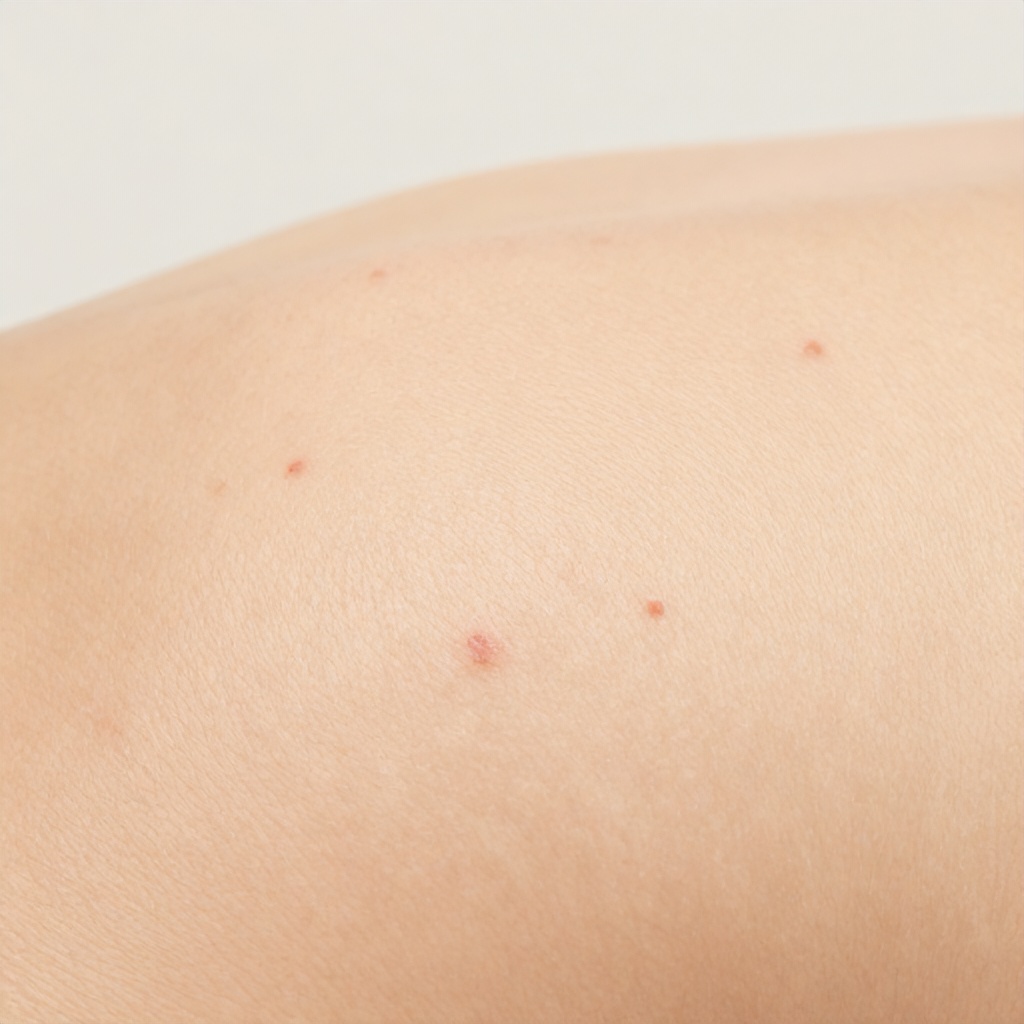
Visible acne blemishes and red bumps on the forehead skin are a common dermatological concern for many people, often impacting their skin appearance and overall confidence. These uneven spots and facial blemishes are not just a teenage problem; adults frequently experience these skin issues, presenting a challenge to maintaining clear skin texture and a smooth skin surface.

Understanding Forehead Acne: What’s Really Happening?
When you take a close-up view of your forehead skin and notice those unwelcome red bumps or other skin imperfections, it’s usually a sign of acne. Acne forms when your skin’s pores, tiny openings that release oil and sweat, become clogged. This common skin condition can manifest in various ways, from small, barely noticeable bumps to larger, more inflamed lesions.
The Core Causes of Forehead Blemishes
Several factors contribute to the development of acne on the forehead. It’s a complex interplay of biology and external influences, leading to those visible skin irregularities.
- Excess Sebum Production: Your skin has sebaceous glands that produce an oily substance called sebum. The forehead, part of the T-zone, often has a higher concentration of these glands, making it prone to excessive oiliness. Too much sebum can easily clog pores.
- Dead Skin Cells: Our skin constantly sheds dead cells. If these cells don’t shed properly, they can mix with sebum and get trapped inside the hair follicles, creating a blockage. This is a primary driver of many dermatological problems.
- Bacteria: A common bacterium called Propionibacterium acnes (P. acnes) lives harmlessly on the skin. However, in a clogged, oxygen-deprived pore, it can multiply rapidly, leading to skin inflammation and those characteristic red bumps.
- Hormonal Fluctuations: Androgens, a type of hormone, stimulate sebum production. Hormonal shifts during puberty, menstruation, pregnancy, or stress can trigger increased oiliness and subsequent acne breakouts on the facial skin.
- Inflammation: Once bacteria multiply and the pore is clogged, the body’s immune system responds by sending inflammatory cells to the area. This results in the redness, swelling, and tenderness associated with acne lesions.
Common Types of Forehead Acne Blemishes
Acne on the forehead isn’t a one-size-fits-all problem. Different types of blemishes can appear, each requiring a slightly different approach to treatment. Identifying what you’re dealing with is the first step toward achieving better skin clarity.
Non-Inflammatory Lesions
These are often the earliest forms of acne and typically don’t involve significant redness or pain.
- Blackheads (Open Comedones): These appear as small, dark spots on the skin surface. They’re pores clogged with sebum and dead skin cells, but because the pore opening is wide, the trapped material oxidizes when exposed to air, turning dark.
- Whiteheads (Closed Comedones): These are small, flesh-colored or whitish bumps. The pore is completely blocked beneath the skin’s surface, preventing the trapped sebum and cells from oxidizing.
Inflammatory Lesions
These are the red, often painful bumps that signify deeper skin inflammation.
- Papules: Small, solid, red bumps that are tender to the touch. They don’t have a head of pus and develop when a clogged follicle becomes inflamed. These are very common red bumps seen on the forehead.
- Pustules: Similar to papules but contain a visible center of white or yellow pus. They are often surrounded by a red base and can be quite tender.
- Nodules: Larger, solid, painful lumps that develop deep beneath the skin’s surface. They result from deeper inflammation and can persist for weeks or months, potentially causing scarring.
- Cysts: These are large, painful, pus-filled lesions that are even deeper than nodules. Cysts are the most severe form of acne and carry a high risk of scarring, significantly impacting skin texture.
Fungal Acne (Malassezia Folliculitis)
Sometimes, what looks like typical acne on the forehead is actually fungal acne. This skin condition is caused by an overgrowth of yeast (Malassezia) in the hair follicles, not bacteria. It often presents as small, uniform red bumps or pustules that are itchy and don’t respond to traditional acne treatments like benzoyl peroxide. A proper skin analysis can differentiate this from bacterial acne.
Factors That Can Worsen Forehead Acne
While the root causes are internal, several external and lifestyle factors can exacerbate existing forehead skin issues or trigger new breakouts.
Hair Products and Habits
What you put in your hair can directly affect your forehead skin. Heavy conditioners, styling gels, mousses, and hairsprays often contain oils, silicones, and other ingredients that can migrate onto the forehead. These can clog pores and irritate the epidermal layer, leading to breakouts, sometimes referred to as “pomade acne.” Keeping hair clean and off the forehead, especially during exercise or sleep, is important for skin health.
Hats, Headbands, and Helmets
Any item that repeatedly rubs against or covers your forehead can trap sweat, oil, and bacteria against the skin surface. This creates a warm, moist environment perfect for acne-causing bacteria to thrive, leading to friction-induced breakouts. This is a common cause of visible skin imperfections along the hairline.
Sweat and Friction
Intense workouts or hot weather lead to increased sweating. If sweat is left on the forehead skin for too long, it can mix with sebum and dead skin cells, contributing to clogged pores. The friction from wiping sweat away can also irritate the skin and spread bacteria.
Touching Your Face
Resting your hand on your forehead, picking at blemishes, or even just habitually touching your facial skin can transfer dirt, oil, and bacteria from your hands to your face. This simple habit can worsen existing acne blemishes and introduce new ones.
Stress
While stress doesn’t directly cause acne, it can certainly make it worse. When you’re stressed, your body releases hormones like cortisol, which can stimulate oil glands to produce more sebum. This increased oil production can lead to more clogged pores and more visible skin issues.
Dietary Considerations
The link between diet and acne is complex and varies greatly among individuals. However, some research suggests that high glycemic index foods (like refined carbohydrates and sugars) and dairy products might trigger or worsen acne in some people. Paying attention to your own body’s reactions can be helpful for improving skin clarity.
Effective Strategies for Clearer Forehead Skin
Addressing forehead acne requires a consistent and multi-faceted approach. Patience is key, as it takes time for skin cells to turn over and for treatments to show results.
Gentle and Consistent Cleansing
Washing your face twice daily with a mild, non-comedogenic cleanser is fundamental. Avoid harsh scrubbing, which can irritate the skin and worsen inflammation. Look for cleansers specifically formulated for acne-prone skin that won’t strip your skin of its natural moisture.
- Use lukewarm water. Hot water can strip skin oils, and cold water might not effectively cleanse.
- Gently massage the cleanser onto your forehead skin with your fingertips for about 30 seconds.
- Rinse thoroughly and pat dry with a clean towel.
Targeted Topical Treatments
Over-the-counter (OTC) treatments contain active ingredients that can effectively combat acne blemishes.
- Salicylic Acid (BHA): This ingredient is oil-soluble, meaning it can penetrate deep into pores to dissolve sebum and dead skin cells. It’s excellent for blackheads and whiteheads, helping to improve overall skin texture.
- Benzoyl Peroxide: An effective ingredient that kills acne-causing bacteria and helps to shed dead skin cells. It comes in various strengths; start with a lower concentration to minimize irritation.
- Retinoids (Topical): Derivatives of Vitamin A, such as adapalene (available OTC), help normalize cell turnover and prevent pores from clogging. They are powerful for improving skin clarity and reducing the formation of new lesions.
- Azelaic Acid: This acid has antibacterial and anti-inflammatory properties, making it effective for reducing redness and treating various types of acne and post-inflammatory hyperpigmentation.
Moisturizing is Non-Negotiable
Even if your forehead skin is oily, moisturizing is crucial. Acne treatments can be drying, and dehydrated skin can actually produce more oil to compensate, leading to more breakouts. Choose a lightweight, non-comedogenic, oil-free moisturizer.
Sun Protection
Sun exposure can temporarily mask acne, but it often leads to post-inflammatory hyperpigmentation (dark spots) once blemishes heal. Always use a broad-spectrum sunscreen with an SPF of 30 or higher, especially if you’re using retinoids or other exfoliating treatments that make your skin more sun-sensitive. Look for formulas labeled “non-comedogenic” to avoid clogging pores.
Smart Hair Care Habits
Keep your hair clean and consider washing it daily if you have oily hair or use a lot of styling products. When applying hair products, try to keep them away from your forehead. If you use hats or headbands, ensure they are clean and not too tight, reducing friction and trapped sweat against your facial skin.
Lifestyle Adjustments for Skin Health
- Manage Stress: Incorporate stress-reducing activities into your routine, such as meditation, yoga, exercise, or spending time in nature.
- Avoid Picking: Resist the urge to pick, squeeze, or pop blemishes. This can push bacteria deeper into the skin, worsen inflammation, lead to scarring, and prolong healing time.
- Clean Your Environment: Regularly clean pillowcases, phone screens, and anything else that frequently touches your forehead skin.
- Stay Hydrated: Drinking enough water supports overall skin health and function.
When to Seek Professional Help for Dermatological Concerns
Sometimes, over-the-counter products and lifestyle changes aren’t enough to manage persistent or severe forehead acne. That’s when it’s time to consult a dermatologist. A professional can provide a thorough skin analysis and recommend stronger treatments or diagnose underlying dermatological problems.
Signs It’s Time to See a Dermatologist:
- No Improvement: If your acne blemishes haven’t improved after several weeks or months of consistent OTC treatment.
- Severe Acne: If you have numerous painful cysts or nodules that are deep beneath the skin surface.
- Scarring: If you notice that your acne is leaving behind scars or dark spots (post-inflammatory hyperpigmentation).
- Impact on Quality of Life: If your skin condition is causing significant emotional distress or affecting your self-esteem.
- Suspected Fungal Acne: If your “acne” is very itchy and doesn’t respond to typical acne treatments, it might be fungal acne requiring specific antifungal medication.
Prescription Treatments a Dermatologist Might Recommend:
- Topical Prescription Medications: Stronger retinoids (like tretinoin), topical antibiotics, or dapsone.
- Oral Medications: Oral antibiotics to reduce bacteria and inflammation, hormonal therapies (like spironolactone for women), or isotretinoin (for severe, stubborn acne).
- In-Office Procedures: Chemical peels, extractions, or laser therapy for stubborn lesions or scarring.
Dispelling Common Myths About Forehead Acne
Misinformation can hinder effective treatment and worsen skin issues. Let’s clear up some common misconceptions about acne.
- Myth: Acne is only for teenagers. Fact: Adult acne, particularly on the forehead and jawline, is very common. Hormonal fluctuations, stress, and product choices can trigger it at any age.
- Myth: Popping pimples makes them go away faster. Fact: Popping pimples almost always makes them worse. It can push bacteria deeper, cause more inflammation, lead to infection, and increase the risk of scarring and post-inflammatory hyperpigmentation.
- Myth: Acne is caused by poor hygiene. Fact: While cleanliness helps, acne isn’t solely a result of dirty skin. Over-washing or harsh scrubbing can actually irritate the skin and worsen breakouts.
- Myth: Sun exposure dries up acne. Fact: While a tan might temporarily mask redness, sun exposure can damage skin, increase inflammation, and lead to more severe post-acne marks. It does not improve skin health in the long run.
Maintaining Long-Term Skin Health and Clarity
Achieving clear forehead skin is a journey, not a destination. Consistency and patience are your best allies in managing acne blemishes and maintaining a healthy skin complexion.
Stick to a regular skincare routine, even when your skin looks clear. Be mindful of new products and how your skin reacts to them. Pay attention to your body’s signals and adjust your routine as needed. With the right approach, you can significantly improve the appearance of your forehead skin and enjoy greater skin clarity and confidence.