
The Reality of Nose Pores and Blackhead Formation
Nose pores and blackheads result from a combination of excess sebum, dead skin cell buildup, and the natural oxidation process that occurs when these materials meet the air. This specific area of the face contains a higher density of sebaceous glands compared to the cheeks or forehead. Because these glands are more active, the likelihood of congestion increases significantly. When a pore becomes blocked, the trapped oil and skin cells form a plug. If the pore remains open at the surface, the oxygen in the atmosphere reacts with the melanin and oil, turning the plug dark. This is why they are called open comedones. They are not signs of poor hygiene or trapped dirt. They are simply the result of biological processes happening within the skin follicle.

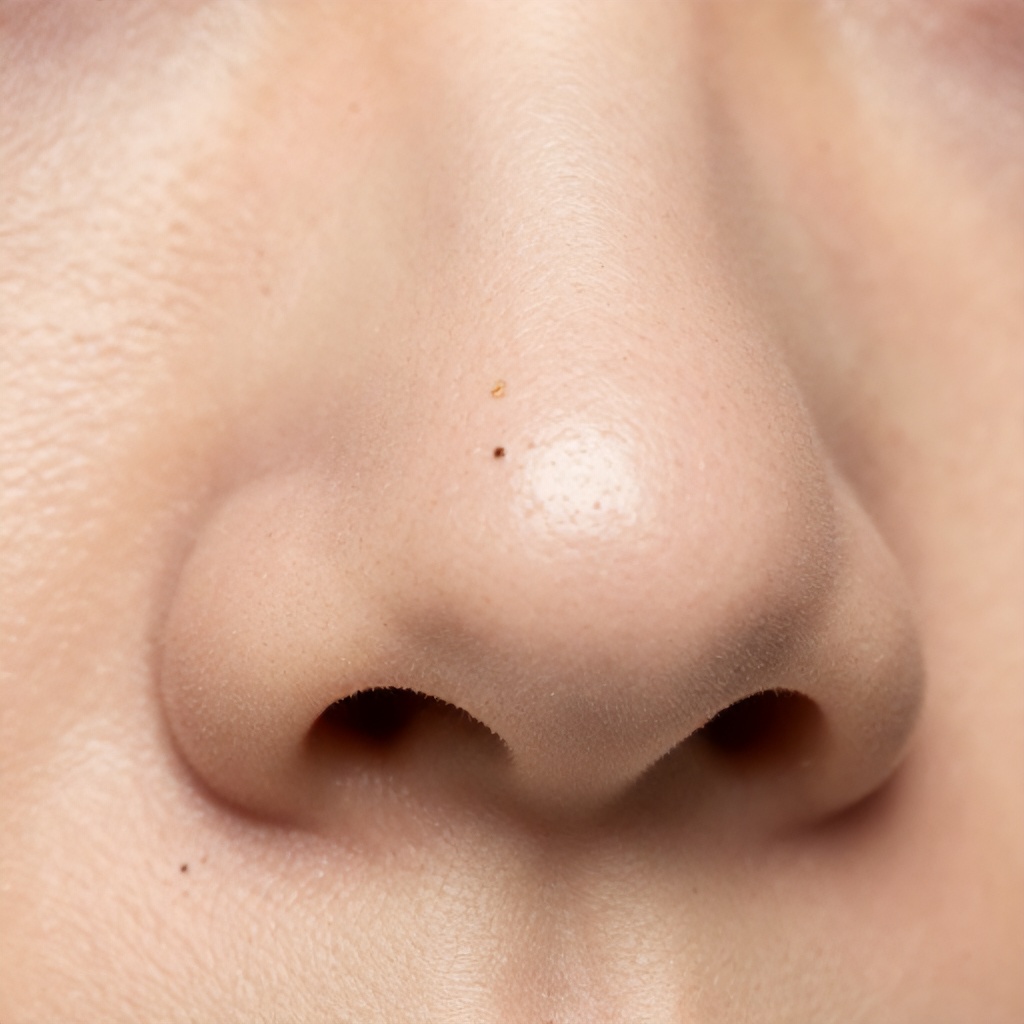
Managing these concerns requires a consistent approach rather than a one-time fix. Many people mistake sebaceous filaments for blackheads, leading to over-cleansing or aggressive scrubbing. Sebaceous filaments are normal, functional parts of the skin that help channel oil to the surface. They usually appear as small, flat, tan or greyish dots. Real blackheads are raised, darker, and represent a true blockage. Distinguishing between the two is the first step toward achieving a clearer complexion without causing unnecessary irritation or inflammation.
Common Causes of Congestion on the Nose
Genetics play a massive role in how your pores behave. Some individuals naturally produce more oil, which leads to more frequent clogs. If your parents dealt with large pores or oily skin, you likely will too. This is not something you can change, but you can manage it. Hormonal fluctuations also trigger the sebaceous glands to go into overdrive. This is common during puberty, pregnancy, or different phases of the menstrual cycle. When oil production spikes, the skin cannot always shed dead cells fast enough to keep up. The result is a traffic jam inside the pore.
Environmental factors contribute heavily to skin texture. Humidity and heat can make oil feel thinner and more prone to spreading, while pollution can deposit microscopic particles on the skin surface. These particles mix with your natural oils to create a sticky film that traps debris. Diet is often debated, but some evidence suggests that high-glycemic foods may influence oil production in certain individuals. However, topical factors are usually more immediate. Using heavy, occlusive skincare products or comedogenic makeup can physically block the pore opening. This prevents the natural flow of sebum and leads to the formation of blackheads over time.
The Impact of Aging and Sun Damage
Pore size often appears to increase as we get older. This happens because the skin loses collagen and elastin, the proteins responsible for keeping the skin firm and bouncy. When the structure around a pore weakens, the pore sags and looks more visible. Sun damage accelerates this process. UV rays break down collagen fibers, leading to a loss of structural integrity. Protecting your skin from the sun is not just about preventing wrinkles; it is about maintaining the tightness of your pores. A damaged pore is more likely to collect debris and turn into a blackhead because it lacks the tension to keep itself clear.
Effective Ingredients for Clearer Skin
Salicylic acid is the gold standard for treating nose pores. It is a beta-hydroxy acid, or BHA, which means it is oil-soluble. Unlike alpha-hydroxy acids that work on the surface, salicylic acid can travel deep into the pore to dissolve the “glue” holding the clog together. It breaks down the mixture of oil and skin cells. Regular use of a BHA liquid or toner can significantly reduce the appearance of blackheads. Start slowly to avoid dryness. Using it two or three times a week is often enough for most skin types to see a difference without causing a compromised skin barrier.
Retinoids are another powerhouse for pore health. These vitamin A derivatives speed up cell turnover. By encouraging the skin to shed dead cells more efficiently, retinoids prevent the initial blockage from forming. They also help build collagen over time, which improves the overall texture and firmness of the skin. While often associated with anti-aging, retinoids are highly effective for acne-prone skin. They require patience, as results often take several weeks or months to become visible. Consistency is the most important factor when using these active ingredients.
Niacinamide and Clay
Niacinamide, also known as vitamin B3, is excellent for oil control. It helps regulate the amount of sebum the glands produce. It also has anti-inflammatory properties that soothe the redness often associated with congested skin. It works well with almost every other skincare ingredient, making it an easy addition to any routine. On the other hand, kaolin and bentonite clay masks offer a more immediate, temporary solution. These clays act like a vacuum, pulling excess oil from the surface of the skin. They are perfect for a weekly deep clean, especially if you have an oily T-zone. Just be sure not to let the mask dry until it cracks, as this can strip the skin of essential moisture and cause rebound oiliness.
A Practical Cleaning Routine
Facial cleansing is the foundation of any skincare routine. For those struggling with nose pores, double cleansing in the evening is a highly effective technique. Start with an oil-based cleanser or a cleansing balm. It might sound counterintuitive to put oil on oily skin, but oil dissolves oil. The balm breaks down makeup, water-resistant sunscreen, and the hardened sebum sitting in your pores. Massage it onto dry skin for at least sixty seconds, focusing on the sides of the nose. Rinse it off, then follow with a gentle, water-based gel or foam cleanser to remove any remaining residue. This ensures the skin is perfectly clean without being stripped of its natural moisture.
- Apply a cleansing oil to dry skin and massage gently for one minute.
- Emulsify the oil with a little warm water, then rinse thoroughly.
- Use a gentle pH-balanced cleanser to wash away any remaining impurities.
- Pat the skin dry with a clean towel; never rub harshly.
- Apply a BHA exfoliant to the nose area or the entire face.
- Follow with a lightweight, non-comedogenic moisturizer to seal in hydration.
Exfoliation should not be a daily ritual if you are using strong acids. Over-exfoliating can lead to a damaged skin barrier, which actually makes pores look worse. When the skin is irritated, it can become inflamed and swollen, making the pore openings appear larger. Balance is key. If your skin feels tight, red, or itchy, scale back on the actives. Focus on hydration with ingredients like hyaluronic acid or glycerin. Healthy, hydrated skin is more elastic and better at regulating its own oil production.
What to Avoid When Treating Pores
Pore strips are a popular but often damaging choice. These adhesive strips rip the top layer of sebaceous filaments and blackheads out of the skin. While the immediate result is satisfying, the effect is temporary. More importantly, the physical force can cause micro-tears in the skin and even lead to broken capillaries. The pores usually fill back up within a few days because the underlying cause of the oil production has not been addressed. Long-term use of pore strips can actually make pores appear larger by stretching them out or causing scarring around the follicle opening.
Picking and squeezing at home is another habit to break. Your fingers and nails carry bacteria that can easily turn a simple blackhead into a painful, inflamed pimple. The pressure applied during a DIY extraction can damage the pore wall, leading to permanent enlargement or scarring. If a blackhead is particularly stubborn, it is best to leave it to a professional esthetician or dermatologist. They use specialized tools and techniques to remove the clog without damaging the surrounding tissue. If you must do it at home, use a warm compress first to soften the skin and use very light pressure with clean cotton swabs, but even this carries risks.
The Myth of Shrinking Pores
It is a common misconception that you can permanently shrink your pores. Pore size is largely determined by genetics and skin structure. You cannot make them disappear, nor can you change their physical size with a single product. However, you can make them look smaller. When a pore is clear of debris and the surrounding skin is firm and hydrated, it reflects light more evenly. This creates the illusion of a smoother surface. Focus on “pore refinement” rather than “pore removal.” Using a primer with silicone or blurring ingredients can also help disguise the appearance of pores under makeup, but this is a cosmetic fix rather than a structural one.
Maintaining Results Long-Term
Consistency beats intensity every time. You do not need the strongest peel or the most expensive serum to see results. You need a routine that you can stick to every single day. Sunscreen is the most important part of this routine. By protecting your collagen, you are protecting the “scaffolding” that keeps your pores tight. Look for “non-comedogenic” labels on your sunscreens and moisturizers. This term means the product has been tested and is less likely to clog pores. While not a guarantee, it is a helpful guideline for those with congestion-prone skin.
Pay attention to how your skin changes with the seasons. You might need a more robust exfoliation routine in the humid summer months and a more hydrating, gentle approach in the winter. Skin is a living organ that reacts to its environment. If you notice an increase in blackheads, evaluate if you have introduced a new heavy cream or if you have been skipping your evening cleanse. Small adjustments often yield the best results. Clear skin is a marathon, not a sprint. By understanding the biology of your nose pores and treating them with gentle, effective ingredients, you can maintain a clear and healthy complexion.
- Wash your face every night to remove the day’s buildup.
- Use a BHA exfoliant 2-3 times per week.
- Apply sunscreen daily to prevent collagen loss.
- Avoid heavy, oil-based makeup if you are prone to clogs.
- Keep your pillowcases clean to reduce bacteria transfer.
- Hydrate from the inside out and use lightweight moisturizers.
Professional treatments like chemical peels or hydrafacials can provide a deeper level of cleaning than at-home routines. These treatments often use professional-grade acids and suction technology to clear out pores. They are excellent for a “reset” every few months. However, the work you do at home every morning and night is what truly sustains those results. Treat your skin with kindness. Aggression usually leads to more problems, while a steady, thoughtful routine leads to the smooth, clear skin you are looking for. Focus on the health of your skin barrier, and the appearance of your pores will naturally improve as a result.
Nose pores are a natural part of your anatomy. They serve a purpose by allowing oil to reach the surface and keep your skin lubricated. While they can be frustrating when they become visible or clogged, they are manageable. By using the right ingredients like salicylic acid and retinoids, and avoiding damaging habits like picking or using harsh strips, you can keep your skin looking its best. Clearer skin is achievable through patience, the right products, and a bit of scientific understanding.