Effectively addressing forehead acne and soothing skin irritation hinges on the precise application of your chosen skincare cream, a step often underestimated in its impact on results.
Understanding Forehead Acne and Irritation
Forehead breakouts are a common skin concern, impacting many individuals regardless of age or skin type. These persistent forehead blemishes can range from tiny bumps to inflamed, painful cysts, often accompanied by redness and discomfort. Understanding why these facial imperfections appear is the first step toward effective forehead acne treatment.
Why Forehead Breakouts Happen
Several factors contribute to acne breakouts on the forehead. Hormonal fluctuations, especially during puberty, menstruation, or stress, can trigger increased oil production in the sebaceous glands. This excess sebum, combined with dead skin cells, clogs pores, creating a breeding ground for acne-causing bacteria.
Hair products are another frequent culprit. Ingredients like oils, silicones, and fragrances from shampoos, conditioners, hairsprays, or styling gels can migrate onto the forehead. These substances often irritate the skin or directly clog pores, leading to breakouts and skin irritation along the hairline and forehead.
Physical friction and occlusion also play a role. Wearing hats, headbands, or even helmets can trap sweat and oil against the skin, fostering an environment ripe for pimple treatment. Sweat itself, especially after exercise, can mix with bacteria and debris, exacerbating existing skin concerns.
Dietary factors and stress are also widely discussed. While direct links are still being researched, some individuals notice a correlation between certain foods (like high glycemic index foods or dairy) and their acne. Stress, meanwhile, doesn’t directly cause acne but can worsen it by increasing hormone production that stimulates oil glands.
Identifying Your Skin Concerns
Not all bumps on your forehead are the same, and identifying the specific type of acne or irritation you’re experiencing helps in selecting the right topical acne solution. Comedones, such as blackheads (open comedones) and whiteheads (closed comedones), are non-inflammatory lesions. Papules are small, red, tender bumps, while pustules are papules with a white center of pus.
More severe forms include nodules, which are large, solid, painful lumps beneath the skin’s surface, and cysts, which are large, painful, pus-filled lesions. These deeper forms of acne can lead to scarring and require more intensive dermatological cream or intervention.
Skin irritation, on the other hand, might manifest as redness, flaking, dryness, itching, or a burning sensation without obvious pimples. This could be a reaction to a product, environmental factors, or an underlying skin condition. Distinguishing between acne and irritation is key for sensitive skin relief and effective skin remedy.
Choosing the Right Skincare Cream for Your Forehead
Selecting an appropriate skincare cream is paramount for successful forehead acne treatment. The market offers a vast array of products, from over-the-counter options to prescription-strength dermatological cream. Your choice should align with your skin type, the severity of your acne, and any accompanying skin irritation.
Ingredients to Look For
When searching for an anti-acne cream, certain active ingredients are widely recognized for their efficacy:
- Salicylic Acid: A beta-hydroxy acid (BHA) that exfoliates inside the pore, helping to unclog it and reduce inflammation. It’s particularly effective for blackheads and whiteheads, improving overall skin texture.
- Benzoyl Peroxide: An antibacterial agent that kills acne-causing bacteria and helps shed dead skin cells. It comes in various strengths and is potent for inflamed skin, including papules and pustules.
- Retinoids (Retinol, Adapalene, Tretinoin): These vitamin A derivatives promote cell turnover, preventing clogged pores and reducing inflammation. Adapalene is available over-the-counter and is a good starting point for many.
- Azelaic Acid: A gentle acid with antibacterial and anti-inflammatory properties. It helps reduce redness and is often well-tolerated by sensitive skin.
- Niacinamide: A form of vitamin B3 that reduces inflammation, minimizes pore appearance, and improves skin barrier function, offering sensitive skin relief.
- Ceramides and Hyaluronic Acid: While not directly anti-acne, these ingredients are crucial for maintaining skin hydration and barrier health, which is vital when using drying acne treatments. They prevent excessive skin irritation.
Formulations for Sensitive Skin
If your skin is prone to irritation, choosing products specifically designed for sensitive skin is essential. Look for labels that state “non-comedogenic,” meaning the product won’t clog pores. “Fragrance-free” and “hypoallergenic” formulations reduce the risk of allergic reactions and skin irritation. Opt for lighter textures, like gels or lotions, over heavy creams that might feel occlusive.
Sometimes, the best therapeutic cream for problematic skin is one that balances potent active ingredients with soothing, hydrating components. A good facial cream should address forehead blemishes without causing undue dryness or redness.
When to See a Dermatologist
While many mild to moderate acne breakouts can be managed with over-the-counter solutions, there are times when professional guidance is necessary. If your acne is severe, painful, cystic, or covers a large area, or if over-the-counter products haven’t yielded results after several weeks, it’s time to consult a dermatologist. They can prescribe stronger topical acne solution, oral medications, or suggest in-office procedures for comprehensive dermatological issues.
Preparing Your Skin for Topical Acne Solution Application
Proper skin preparation is a non-negotiable step before applying any anti-acne cream. It ensures the product can penetrate effectively and reduces the risk of further irritation or contamination. This foundational step is critical for a successful skin health regimen.
Gentle Cleansing is Key
Always start with a clean face. Use a mild, pH-balanced cleanser to remove dirt, oil, makeup, and any impurities that have accumulated on your skin. Avoid harsh scrubs or abrasive cleansers, especially if you have inflamed skin or active breakouts, as these can worsen irritation and spread bacteria.
Wash your face with lukewarm water, as hot water can strip your skin of its natural oils, leading to dryness and potential irritation. Gently massage the cleanser onto your forehead and other facial imperfections for about 30-60 seconds. Rinse thoroughly until no residue remains. Pat your skin dry with a clean, soft towel. Do not rub, as this can cause friction and exacerbate skin irritation.
The Importance of Clean Hands
Before you even touch your face or your skincare cream, ensure your hands are thoroughly clean. Wash them with soap and water for at least 20 seconds. This simple step prevents the transfer of bacteria, dirt, and oils from your hands to your face, which could otherwise worsen existing acne breakouts or introduce new ones. Clean hands are fundamental for any cosmetic product application, especially when dealing with problematic skin.
The Precise Art of Applying Your Anti-Acne Cream
Applying your anti-acne cream isn’t just about putting it on; it’s about applying it correctly for maximum efficacy and minimal side effects. This careful cosmetic product application can significantly impact your forehead acne treatment journey.
Dosage Matters
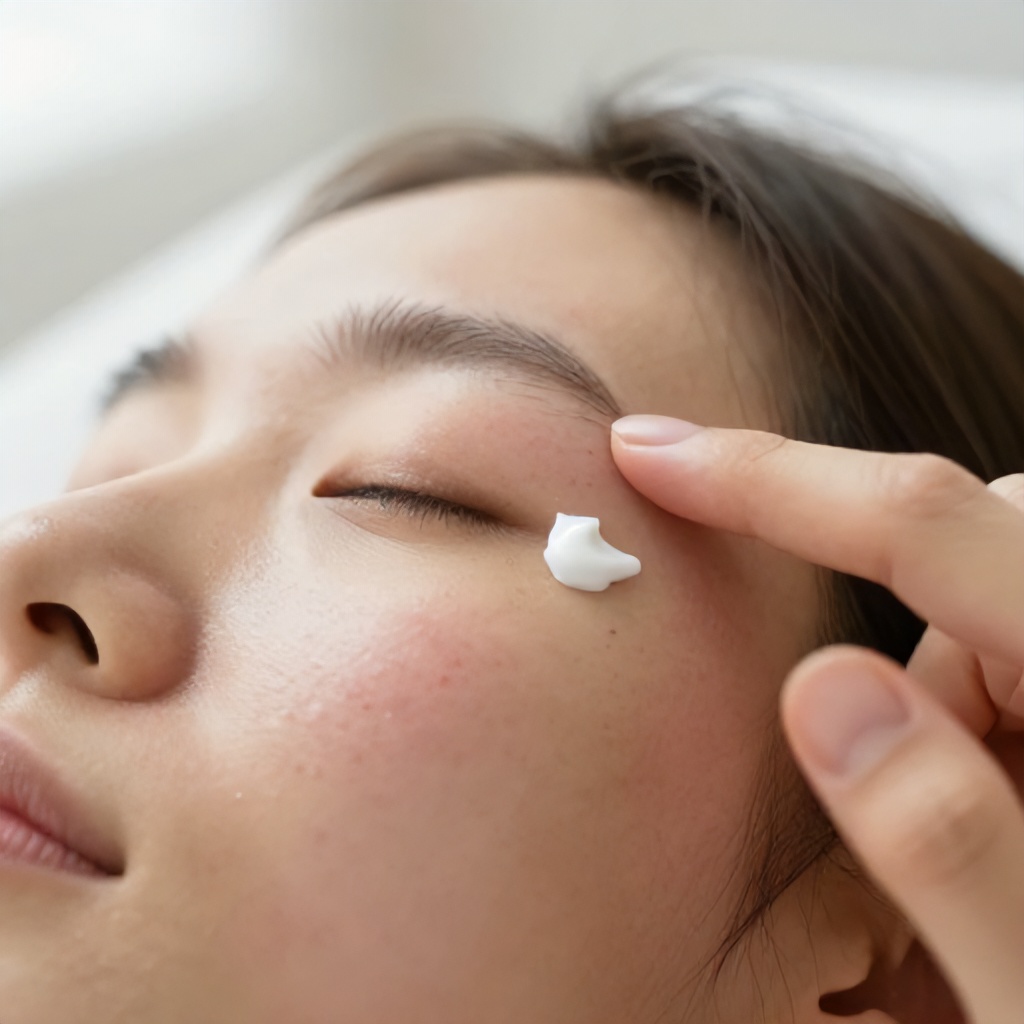
When it comes to many topical acne solutions, less is often more. A common mistake is to over-apply, thinking more product will yield faster results. This usually leads to increased dryness, redness, and skin irritation without improving effectiveness. For most anti-acne creams, a pea-sized amount is sufficient for the entire forehead area. If you’re spot treating, an even smaller amount, just enough to cover the blemish, is appropriate.
Targeting Forehead Blemishes
Decide whether you need to apply the skincare cream all over your forehead or just to specific forehead blemishes. If you have widespread breakouts and the product is designed for general application (like a retinoid), spread the pea-sized amount thinly and evenly across the entire forehead. If you’re using a targeted spot treatment for individual pimples, apply a tiny dab directly onto each blemish, avoiding surrounding clear skin to prevent unnecessary dryness.
The Gentle Touch
With clean fingertips, gently dab the skincare cream onto your forehead. Use light, upward strokes to spread it evenly. Avoid rubbing or tugging at your skin, especially if it’s inflamed. Your skin is delicate, and harsh movements can worsen irritation or even damage the skin barrier. Allow the product to absorb naturally for a minute or two before moving on to the next step in your routine. This gentle approach is crucial for sensitive skin relief and overall skin health.
Layering Other Products
If your skin health regimen involves multiple products, the order of application matters. Generally, apply thinner, active treatments first, allowing them to absorb fully. For example, if you use a serum, apply it before your anti-acne cream. After your therapeutic cream has absorbed, follow up with a moisturizer. Always apply sunscreen as the last step in your morning routine, especially since many acne treatments can increase sun sensitivity.
Post-Application Care and Routine Maintenance
Applying the cream is just one part of the equation. What you do afterward, and how consistently you maintain your routine, are equally important for achieving lasting results and managing skin concerns.
Allowing Absorption Time
After applying your topical acne solution, give it adequate time to fully absorb into your skin. This usually takes a few minutes. Rushing to apply other products or makeup immediately can dilute the active ingredients or cause them to pill, reducing their effectiveness. Patience here pays off for optimal blemish treatment.
Moisturizing for Skin Health
Many anti-acne creams, particularly those containing ingredients like benzoyl peroxide or retinoids, can be drying. Counteracting this dryness with a good, non-comedogenic moisturizer is vital. Moisturizing helps maintain your skin’s barrier function, prevents excessive skin irritation, and can actually help your skin tolerate active ingredients better. Look for a facial cream that provides hydration without feeling heavy or greasy. This step is a cornerstone of any effective skin health regimen.
Consistency is Your Ally
Forehead acne treatment is a marathon, not a sprint. Consistency is perhaps the most important factor in seeing results. Apply your skincare cream as directed, typically once or twice daily, without skipping days. It can take several weeks, sometimes even months, to notice significant improvement in skin texture and a reduction in acne breakouts. Don’t get discouraged if you don’t see immediate changes; stick with your routine.
Protecting Your Skin from Further Irritation
While undergoing forehead acne treatment, protecting your skin from external aggressors is paramount. Sun protection is non-negotiable, as many acne treatments increase sensitivity to UV radiation. Use a broad-spectrum sunscreen with an SPF of 30 or higher every morning, even on cloudy days. Reapply as needed.
Avoid harsh physical exfoliants or brushes, especially on inflamed skin. These can worsen irritation and potentially spread bacteria. Be cautious when introducing new products into your routine; patch test them first on a small, inconspicuous area of skin to check for adverse reactions or sensitive skin relief issues. This mindful approach helps prevent new dermatological issues and supports your skin’s healing process.
Common Mistakes to Avoid
Even with the best intentions, certain practices can hinder your forehead acne treatment progress or worsen skin concerns. Being aware of these common pitfalls can save you time and frustration.
One major mistake is over-applying your skincare cream. As mentioned, more product does not equate to faster results. It often leads to excessive dryness, redness, and peeling, making your skin feel worse and potentially causing you to abandon the treatment prematurely. Stick to the recommended pea-sized amount.
Picking, squeezing, or popping pimples is another detrimental habit. This can push bacteria deeper into the skin, leading to more severe inflammation, larger breakouts, and permanent scarring. Keep your hands off your face as much as possible.
Skipping moisturizer, especially when using drying anti-acne creams, is a common error. This can compromise your skin’s barrier, making it more susceptible to irritation and less able to heal. A well-hydrated skin barrier is essential for comfortable and effective blemish treatment.
Using too many active ingredients at once can overwhelm your skin. Combining multiple potent exfoliants or acne treatments without careful consideration can lead to severe skin irritation, redness, and sensitivity. Introduce new products one at a time, and consider alternating active ingredients (e.g., retinoid one night, salicylic acid the next) rather than layering them all at once. Consult with a dermatologist if you’re unsure about combining different therapeutic cream options for your problematic skin.