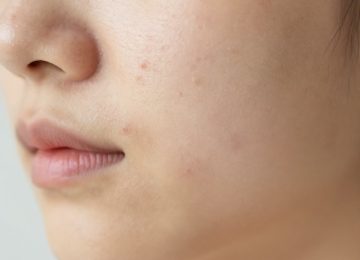
Effectively managing inflamed skin on your back often involves a combination of targeted treatments and consistent daily habits, addressing underlying causes like acne, folliculitis, or general irritation. Many people experience red spots, papules, or other skin lesions on their upper back skin, which can lead to discomfort and uneven pigmentation if not properly cared for.
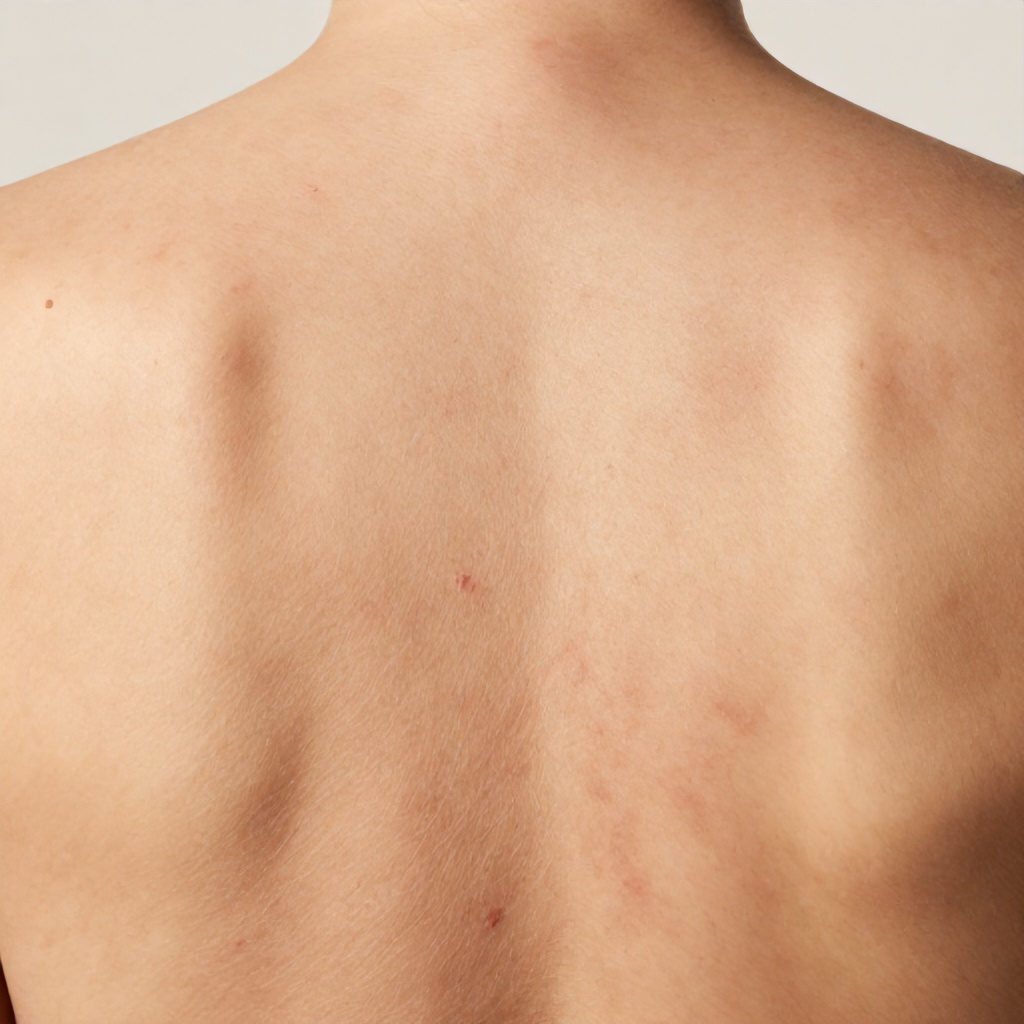
Understanding Inflamed Skin on Your Back
Inflamed skin on the back isn’t a single condition; it’s a symptom that can point to various underlying dermatological issues. Recognizing the specific type of skin inflammation you’re dealing with is the first step toward finding effective solutions. The skin texture and clinical appearance can vary significantly, from small bumps to widespread redness or even pustules.
Common Causes of Back Skin Inflammation
Several factors can contribute to skin problems on the back, leading to discomfort and visible skin discoloration. Pinpointing the cause helps tailor your approach.
- Back Acne (Bacne): This is perhaps the most common culprit. Like facial acne, back acne occurs when hair follicles become clogged with excess oil (sebum), dead skin cells, and bacteria. This leads to inflammatory skin conditions like blackheads, whiteheads, papules, pustules, and sometimes deeper cysts.
- Folliculitis: This condition involves inflammation of the hair follicles, often appearing as small, red bumps or pus-filled pimples around hair follicles. It’s frequently caused by bacterial or fungal infections, or irritation from shaving or tight clothing.
- Heat Rash (Miliaria): Also known as prickly heat, this happens when sweat ducts become blocked, trapping sweat beneath the skin. It results in tiny, itchy red bumps, especially in hot, humid conditions.
- Contact Dermatitis: An allergic reaction or irritation from something touching your skin, such as certain laundry detergents, soaps, lotions, or fabrics. This can cause widespread skin redness, itching, and sometimes a rash or skin eruptions.
- Eczema (Atopic Dermatitis): While less common on the back than other areas, eczema can manifest as dry, itchy, inflamed patches of skin. It’s often linked to genetics and environmental triggers.
- Psoriasis: This chronic autoimmune condition can also affect the back, causing thick, red patches covered with silvery scales. It’s an inflammatory skin condition that requires specific medical management.
General Skincare Principles for Back Skin Health
Regardless of the specific cause of your skin lesions on the back, some fundamental skincare practices can significantly improve skin health and reduce irritation. These steps are crucial for maintaining a healthy skin surface and preventing further dermatosis.
Gentle Cleansing is Key
Washing your back properly is more challenging than washing your face, but it’s essential. Use a long-handled brush or loofah to reach all areas. Opt for a mild, pH-balanced cleanser that doesn’t strip your skin of its natural oils. Harsh soaps can exacerbate skin irritation and dryness, potentially worsening inflammatory skin conditions.
- Choose a cleanser free of harsh sulfates and artificial fragrances.
- Shower immediately after sweating or exercising to prevent clogged pores.
- Use lukewarm water, not hot, as hot water can dry out and irritate the skin.
Moisturize Regularly
Even oily or acne-prone skin needs moisture. A lightweight, non-comedogenic moisturizer helps maintain the skin’s barrier function, which is vital for reducing inflammation and promoting healing. Look for ingredients like hyaluronic acid or ceramides.
- Apply moisturizer to slightly damp skin after showering to lock in hydration.
- Ensure your moisturizer is labeled “non-comedogenic” to avoid clogging pores.
Protect Your Skin from the Sun
Sun exposure can worsen hyperpigmentation from past lesions and increase inflammation. Always use a broad-spectrum sunscreen with an SPF of 30 or higher, even on your back, especially if you have active skin lesions or uneven pigmentation.
- Choose a non-comedogenic, lightweight sunscreen that won’t feel heavy or greasy.
- Reapply sunscreen every two hours, or more often if swimming or sweating.
Targeted Solutions for Specific Back Skin Conditions
Once you have a better idea of what might be causing your inflamed skin, you can choose more specific treatments. A dermatological assessment can provide clarity if you’re unsure.
Managing Back Acne (Bacne)
Bacne often requires a multi-pronged approach to tackle excess oil, bacteria, and inflammation. Addressing these aspects can significantly improve the skin texture and reduce the appearance of red spots.
Topical Treatments
These are often the first line of defense for mild to moderate back acne. Consistency is paramount for seeing results.
- Salicylic Acid: This beta-hydroxy acid (BHA) penetrates oil and exfoliates inside the pore, helping to unclog them. Look for body washes or sprays containing 1-2% salicylic acid. It’s excellent for blackheads and whiteheads.
- Benzoyl Peroxide: An effective ingredient that kills acne-causing bacteria and helps shed dead skin cells. Available in various strengths (2.5-10%), it can be found in washes or spot treatments. Be aware that it can bleach fabrics, so use with caution.
- Topical Retinoids (e.g., Adapalene): These vitamin A derivatives help to normalize cell turnover, preventing new breakouts and improving skin texture. They can be drying initially, so start slowly. Adapalene gel (0.1%) is available over-the-counter.
Lifestyle Adjustments for Bacne
Simple changes in your daily routine can make a big difference in preventing new breakouts and managing existing skin eruptions.
- Shower Immediately After Sweating: Don’t let sweat and bacteria linger on your skin.
- Wear Breathable Fabrics: Opt for loose-fitting clothing made from cotton or moisture-wicking materials, especially during exercise.
- Use Non-Comedogenic Products: Check your body lotions, sunscreens, and even hair conditioners to ensure they won’t clog pores. Rinse conditioner thoroughly from your hair and off your back.
Treating Folliculitis
Folliculitis often presents as itchy, red spots or small pustules centered around hair follicles. The goal is to clear the infection and reduce irritation.
- Antimicrobial Washes: Cleansers containing benzoyl peroxide, chlorhexidine, or tea tree oil can help reduce bacterial or fungal load.
- Warm Compresses: Applying a warm, moist cloth to the affected area several times a day can help soothe inflammation and bring pus to the surface.
- Avoid Irritation: Refrain from shaving the affected area if possible. If you must shave, use a clean, sharp razor and shave in the direction of hair growth. Avoid tight clothing that rubs against the skin.
- Topical Antibiotics/Antifungals: For persistent cases, a doctor might prescribe topical antibiotics (like clindamycin) or antifungals (like ketoconazole) depending on the cause.
Relieving Heat Rash (Miliaria)
Heat rash is usually self-limiting and improves once the skin cools down. The key is to alleviate the trapped sweat and reduce skin redness.
- Cool the Skin: Move to a cooler environment, take a cool shower or bath, and apply cool compresses.
- Wear Loose Clothing: Choose lightweight, breathable fabrics like cotton to allow air circulation.
- Calamine Lotion: This can help soothe the itching and discomfort.
- Avoid Oily Products: Heavy creams or lotions can further block sweat ducts.
Addressing Contact Dermatitis
The primary solution for contact dermatitis is to identify and eliminate the irritant or allergen. This can sometimes require careful detective work.
- Identify and Remove the Trigger: Common culprits include fragrances in soaps, detergents, lotions, nickel in jewelry, or certain fabrics.
- Mild Cleansers: Use very gentle, fragrance-free cleansers.
- Topical Corticosteroids: Over-the-counter hydrocortisone cream (1%) can help reduce itching and inflammation for mild cases. For more severe reactions, a doctor may prescribe stronger topical steroids.
- Antihistamines: Oral antihistamines can help alleviate severe itching.
Lifestyle and Home Care Strategies for Overall Skin Health
Beyond specific treatments, your daily habits significantly influence your skin’s ability to heal and remain clear. These broader strategies contribute to better skin health and can prevent various skin disorders.
Clothing Choices Matter
The fabrics you wear directly impact your skin. Tight, synthetic materials can trap sweat and heat, creating an ideal environment for bacteria and irritation, leading to more inflammatory skin conditions.
- Opt for Natural Fibers: Cotton, linen, and bamboo are breathable and allow your skin to “breathe.”
- Loose-Fitting Apparel: Avoid tight clothing, especially during exercise or in hot weather, to minimize friction and sweat accumulation.
Shower Habits for a Healthier Back
How you shower can either help or hinder your skin’s recovery. Small adjustments can make a big difference in reducing skin irritation.
- Rinse Thoroughly: Ensure all shampoo, conditioner, and body wash residue is completely rinsed off your back. Leftover products can clog pores and irritate the skin surface.
- Gentle Drying: Pat your skin dry with a clean towel instead of vigorous rubbing, which can cause friction and irritation.
Laundry Detergent Awareness
Residues from laundry detergents can be a common cause of skin problems, especially for sensitive skin. This is a frequent, overlooked trigger for dermatological issues.
- Hypoallergenic Options: Choose detergents labeled “free and clear” or “hypoallergenic” that are free of dyes and fragrances.
- Double Rinse: Consider running an extra rinse cycle for your clothes to ensure all detergent is washed away.
Consider Your Diet and Hydration
While diet isn’t a direct cause of most back skin inflammation, some evidence suggests that certain foods can influence overall inflammatory responses in the body. Staying hydrated is also universally beneficial for skin health.
- Anti-Inflammatory Foods: Incorporate foods rich in antioxidants and omega-3 fatty acids, such as leafy greens, berries, fatty fish, and nuts.
- Limit Processed Foods and Sugars: Some studies suggest a link between high glycemic index foods and acne flare-ups.
- Drink Plenty of Water: Adequate hydration helps maintain skin elasticity and overall function.
Stress Management Techniques
Stress is a known trigger for various skin disorders, including acne and eczema. When you’re stressed, your body releases hormones that can increase oil production and inflammation.
- Mindfulness and Relaxation: Practices like meditation, yoga, or deep breathing can help manage stress levels.
- Adequate Sleep: Prioritize 7-9 hours of quality sleep each night to support your body’s healing processes.
When to Seek Professional Help
While many cases of inflamed skin on the back can be managed with over-the-counter products and lifestyle changes, some situations warrant a visit to a dermatologist. A professional dermatological assessment can provide an accurate diagnosis and more potent treatments for persistent or severe skin disorders.
- Persistent or Worsening Condition: If your skin inflammation doesn’t improve after several weeks of consistent home care, or if it’s getting worse.
- Severe Symptoms: If you experience large, painful cysts, excessive skin redness, pus, or signs of infection (fever, chills).
- Significant Hyperpigmentation or Scarring: If you’re concerned about dark spots (post-inflammatory hyperpigmentation) or scarring left behind by lesions.
- Uncertain Diagnosis: If you’re unsure what’s causing your skin problems or if your current treatments aren’t working.
- Impact on Quality of Life: If the condition is causing significant discomfort, embarrassment, or affecting your daily activities.
A dermatologist can prescribe stronger topical medications (like prescription-strength retinoids or antibiotics), oral medications (such as antibiotics, hormonal therapies, or isotretinoin for severe acne), or recommend in-office procedures like chemical peels or laser therapy for stubborn cases or to address uneven pigmentation and skin texture issues.
Prevention is Always Best
Once you’ve successfully managed your inflamed back skin, maintaining a consistent prevention routine is essential to keep future flare-ups at bay. Ongoing attention to skin health and awareness of potential triggers are your best defense against recurring skin lesions.
- Stick to a Routine: Continue using your gentle cleanser and non-comedogenic moisturizer daily.
- Regular Exfoliation: Incorporate a gentle chemical exfoliant (like salicylic acid) into your routine a few times a week to keep pores clear.
- Be Mindful of Triggers: Pay attention to what might cause your skin to flare up – whether it’s certain foods, fabrics, or products – and try to avoid them.
- Stay Hydrated and Manage Stress: These foundational health habits support overall skin resilience.
Addressing inflamed skin on the back requires patience and persistence. By understanding the potential causes and implementing a tailored approach, you can achieve clearer, healthier skin. Don’t hesitate to seek professional advice if you find yourself struggling to manage these common dermatological issues on your own.