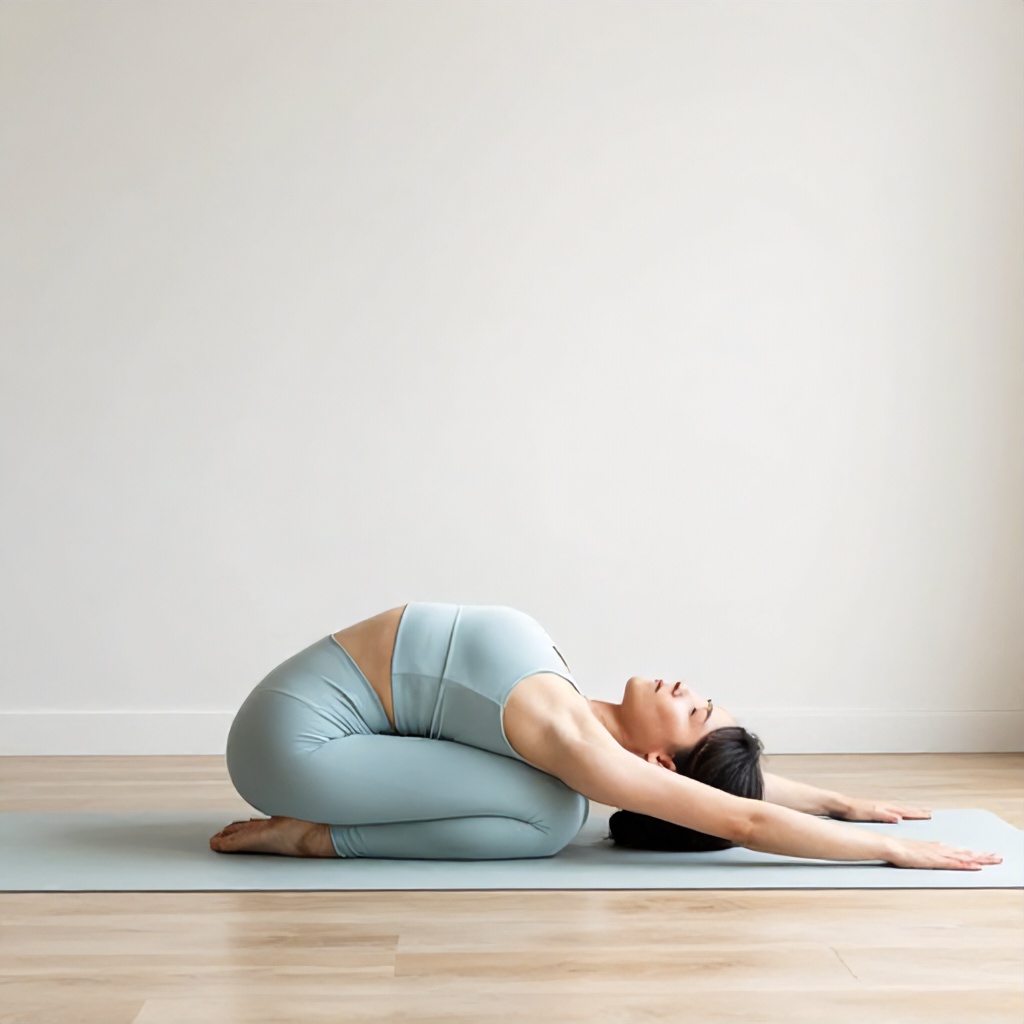
A ten-minute morning yoga routine provides a reliable framework for increasing energy, sharpening focus, and stabilizing your mood before the demands of the day take over.
Winning the morning often dictates the trajectory of your productivity. When you start with intentional movement, you signal to your nervous system that it is time to transition from rest to action. This is not about achieving a perfect pose or sweating through a high-intensity workout. It is about waking up your body, increasing circulation, and establishing a grounded start that carries you through your to-do list with greater ease.

Why Morning Movement Changes Your Day
The human body naturally experiences a drop in core temperature and metabolic rate during sleep. When you wake up, your muscles are often tight, and your joints may feel stiff. A brief morning sequence acts as a physical reset button. By engaging in gentle movement, you stimulate blood flow to the brain and extremities, which directly correlates to improved mental clarity. This is the difference between dragging yourself through your first few hours and feeling genuinely prepared to tackle complex tasks.
Beyond the physical benefits, this practice serves as a form of mindfulness. By focusing on your breath and the alignment of your limbs, you pull your attention away from the anxieties of the future or the regrets of the past. You anchor yourself in the present moment. This emotional balance is a powerful tool for anyone managing a busy schedule, as it builds a buffer against the inevitable stressors that arise during the workday.
Keep your yoga mat unrolled in a visible area of your bedroom or living room the night before. Removing the friction of finding your gear makes it significantly easier to commit to the habit when you are still groggy.

The Physiological Impact of Morning Yoga
When you practice morning yoga, you are essentially performing a system-wide check. Your spine is the central highway for your nervous system, and spinal mobility exercises ensure that signals travel efficiently between your brain and your body. Many of us spend our days hunched over keyboards or looking down at smartphones, which leads to poor posture and chronic tension. A daily routine that emphasizes opening the chest and lengthening the spine acts as a corrective measure for these modern habits.
Furthermore, the inclusion of pranayama, or controlled breathing exercises, helps regulate the autonomic nervous system. By lengthening your exhales, you signal to your body that it is safe to move out of a fight-or-flight state and into a state of calm focus. This is particularly effective for those who wake up feeling anxious or overwhelmed by their upcoming schedule. You are not just stretching; you are training your body to remain steady under pressure.
A Ten-Minute Sequence for Energy and Focus
This sequence is designed to be performed in order, moving from the floor to standing and back again to maximize efficiency. You do not need any special equipment, just a small space and a few minutes of quiet.
![[Google AI Error] SOCKSHTTPSConnectionPool(host='generativelanguage.googleapis.com', port=443): Read timed out. (read timeout=60)](https://fits-health.com/wp-content/uploads/2026/05/10-Minute_Morning_Yoga_Routine_to_Boost_Energy_Focus_and_M_3.jpg)
1. Cat-Cow Pose (Marjaryasana-Bitilasana)
This foundational movement is the best way to wake up your spine. It encourages spinal mobility and helps you sync your movement with your breath. Start on your hands and knees, ensuring your wrists are directly under your shoulders and your knees are under your hips. As you inhale, drop your belly toward the floor, lift your chest, and gaze slightly upward into Cow Pose. As you exhale, round your back toward the ceiling, tuck your chin toward your chest, and pull your belly button in toward your spine for Cat Pose. Repeat this for eight full cycles, moving slowly to feel every vertebra.
2. Downward-Facing Dog (Adho Mukha Svanasana)
From your hands and knees, tuck your toes and lift your hips toward the ceiling. Your body should form an inverted V shape. This pose is a full-body stretch that increases blood flow to the brain and refreshes the entire nervous system. Focus on pressing your chest toward your thighs and lengthening your spine. Do not worry if your heels do not touch the floor; the goal is to feel a deep stretch in your hamstrings and calves while keeping your back flat. Hold this for five to eight deep breaths, allowing your head to hang heavy to release neck tension.
3. Chair Pose (Utkatasana)
Transitioning to a standing position, stand with your feet hip-width apart. Bend your knees as if you are sitting back into an invisible chair. Keep your weight in your heels and reach your arms overhead, keeping your chest upright. This pose is excellent for building heat in the body, which is vital for an energy boost on cold mornings. It engages your core, thighs, and glutes, waking up the largest muscle groups in your body. Hold for three to five deep breaths, focusing on maintaining a steady, calm gaze.

4. Cobra Pose (Bhujangasana)
Lie flat on your stomach with your legs extended behind you. Place your hands under your shoulders and keep your elbows tucked close to your ribs. On an inhale, gently lift your head, chest, and shoulders off the floor while keeping your lower ribs on the mat. This pose is essential for posture improvement, as it opens the chest and strengthens the muscles along the spine. It counteracts the slump of desk work and helps you feel more confident and open as you move into your day. Hold for three breaths and lower back down with control.
Listen to your body. If you feel sharp pain, especially in your lower back or joints, back out of the pose immediately. Yoga should feel like a deep stretch or a gentle challenge, never a source of injury.
Integrating Breathwork for Mental Clarity
After completing the physical movements, spend the final two minutes of your ten-minute window in a seated position. This is the ideal time to practice simple breathing exercises. Close your eyes and place one hand on your belly. Inhale deeply through your nose for a count of four, feeling your hand rise. Exhale slowly through your nose for a count of six. This specific ratio of breathing helps to calm the mind and prepare you for deep, uninterrupted work.

Many people find that this brief period of stillness is where the most significant mood improvement occurs. By intentionally slowing down your breath, you create a mental space that allows you to prioritize your tasks for the day. Instead of rushing into your inbox, you have already established a sense of control over your own internal state.
Building the Habit of Consistency
The effectiveness of this routine relies on consistency rather than intensity. It is far better to do ten minutes every single day than to do an hour once a week. When you make this a non-negotiable part of your morning, you stop having to decide whether or not to do it. It becomes as automatic as brushing your teeth.
To ensure success, consider these practical steps:
- Keep your phone in another room to avoid the temptation of checking notifications before you finish your movement.
- Use a simple timer if you find yourself checking the clock too often.
- Focus on how your body feels after the routine rather than how you feel while you are doing it.
- Track your progress on a calendar to build momentum.
Common Questions About Morning Yoga
Do I need to be flexible to start this routine?
No. Yoga is a practice of meeting your body where it is today. Flexibility is a result of consistent practice, not a requirement for starting. If you cannot reach your toes or hold a pose perfectly, simply modify it to a range of motion that feels safe and effective for you.
Is it better to do this before or after breakfast?
Most practitioners prefer to move on an empty stomach. Eating a heavy meal before yoga can cause discomfort during poses like Downward-Facing Dog or Cobra. If you feel lightheaded, a small piece of fruit or a few sips of water is usually sufficient.
Can I do this if I have back pain?
Gentle movement is often recommended for mild back stiffness, but you should always consult with a medical professional if you have chronic pain or a history of injury. Focus on the Cat-Cow sequence, as it is generally the most accessible way to mobilize the spine without putting undue pressure on the lower back.
The Long-Term Benefits of a Grounded Start
Over time, the cumulative effect of these ten-minute sessions becomes apparent in your daily life. You may notice that you are less reactive to stressful emails, that your posture remains upright even during long meetings, and that your energy levels remain more stable throughout the afternoon. This is the result of training your nervous system to return to a baseline of calm.
Productivity is not about doing more things; it is about doing the right things with a clear, focused mind. By dedicating ten minutes to your physical and mental state, you are investing in your own capacity to perform. You are choosing to prioritize your well-being before you give your energy away to others. This shift in perspective is what allows you to move through your day with intention rather than just reacting to the demands placed upon you.
Start tomorrow morning. Set your alarm ten minutes earlier, clear a small space on your floor, and commit to these four movements. You do not need to be a yoga expert to reap the rewards of a more energized, focused, and balanced day. The simplicity of the routine is its greatest strength, making it a sustainable habit that you can maintain regardless of how busy your schedule becomes.
As you become more comfortable with these movements, you might find yourself naturally wanting to hold the poses longer or add a few more stretches. That is perfectly fine, but remember that the goal is to maintain the habit. If you only have five minutes on a particularly busy day, do the Cat-Cow and the Downward-Facing Dog. The consistency of the practice is what builds the foundation for your daily success.
Ultimately, this routine is a tool for self-mastery. It is a way to reclaim your morning and ensure that you are the one setting the tone for your day. When you feel grounded, energized, and clear-headed, you are far better equipped to handle whatever challenges come your way. Take the first step, roll out your mat, and see how your day changes when you start from a place of intentional movement.