
Achieving clearer skin often involves a combination of effective acne treatments and a consistent, gentle skincare routine tailored to your specific needs.

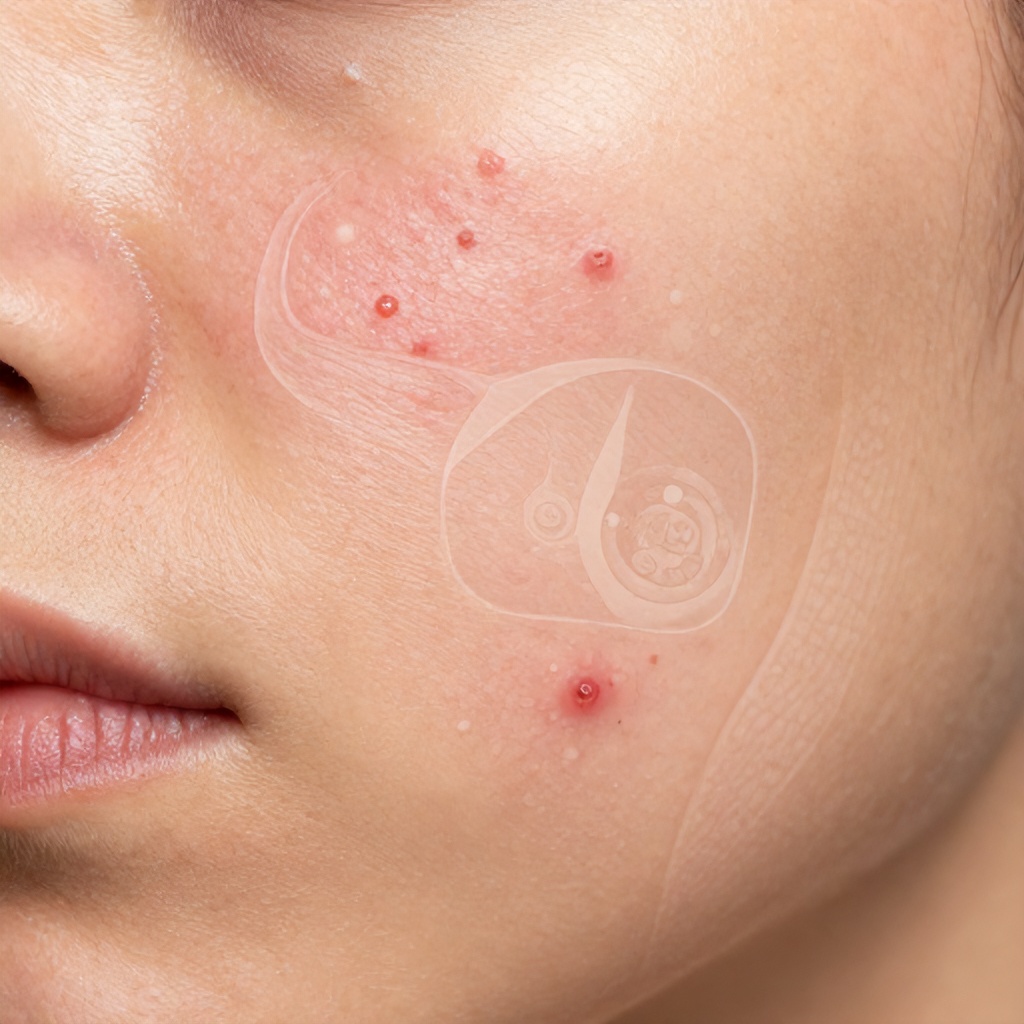
Understanding Acne: More Than Just a Pimple
Acne vulgaris, the common skin condition we often call acne, develops when hair follicles become clogged with oil (sebum) and dead skin cells. This creates a perfect environment for bacteria, particularly Propionibacterium acnes (now often called Cutibacterium acnes), to multiply. The result can be blackheads, whiteheads, papules, pustules, cysts, and nodules, each a different manifestation of this underlying process.
Several factors contribute to acne’s development. Hormonal fluctuations, like those during puberty, menstruation, or pregnancy, play a significant role by increasing sebum production. Genetics also factor in; if your parents had acne, you’re more likely to experience it too. Certain medications, stress, and even friction from helmets or tight clothing can aggravate existing acne or trigger new breakouts.
Key Ingredients in Topical Acne Treatments
Many effective acne treatments are applied directly to the skin. These work in different ways to reduce oil, kill bacteria, or promote skin cell turnover.
Benzoyl Peroxide
This powerful ingredient is a staple in many acne-fighting products, available both over-the-counter (OTC) and by prescription. Benzoyl peroxide works by killing acne-causing bacteria on the skin’s surface and also helps to shed dead skin cells, preventing clogged pores. It’s effective for inflammatory acne, like red bumps and pustules. Start with a lower concentration (2.5% or 5%) to minimize irritation, gradually increasing if needed. Always remember that it can bleach fabric, so be careful with towels and clothing.
Salicylic Acid
A beta-hydroxy acid (BHA), salicylic acid is oil-soluble, meaning it can penetrate into the pore lining to dissolve the “glue” that holds dead skin cells together. This makes it excellent for treating blackheads and whiteheads, as it helps to exfoliate inside the pore and prevent new clogs. It also has mild anti-inflammatory properties. You’ll find it in cleansers, toners, and spot treatments, typically in concentrations from 0.5% to 2%.
Retinoids
Retinoids are derivatives of vitamin A and are incredibly effective at treating and preventing acne. They work by normalizing skin cell turnover, preventing dead skin cells from clogging pores, and reducing inflammation. They can also improve skin texture and reduce the appearance of post-inflammatory hyperpigmentation. Adapalene is an OTC retinoid that is often recommended as a first-line treatment for acne. Stronger retinoids, like tretinoin and tazarotene, require a prescription. When starting retinoids, use them sparingly at first, perhaps every other night, and always pair them with a good moisturizer and daily sunscreen, as they can increase sun sensitivity and cause initial dryness or purging.
Azelaic Acid
Often overlooked, azelaic acid is a fantastic multi-tasker for acne-prone skin. It has antibacterial properties, reduces inflammation, and helps to normalize skin cell turnover, much like retinoids, but often with less irritation. It’s also known for its ability to fade post-inflammatory hyperpigmentation and redness, making it a great choice for those dealing with acne marks and rosacea-like redness. It’s available in both OTC and prescription strengths.
Oral Medications for More Severe Acne
When topical treatments aren’t enough, or if acne is severe, widespread, or causing significant scarring, a dermatologist might recommend oral medications.
Antibiotics
Oral antibiotics, such as doxycycline or minocycline, work by reducing bacteria and inflammation within the skin. They are typically prescribed for moderate to severe inflammatory acne and are usually used for a limited time to avoid antibiotic resistance. They are often combined with topical treatments like benzoyl peroxide or retinoids to enhance effectiveness and reduce resistance.
Isotretinoin (formerly Accutane)
Isotretinoin is a powerful prescription medication reserved for severe, nodular, or cystic acne that hasn’t responded to other treatments. It works by significantly reducing the size and activity of oil glands, thereby dramatically decreasing sebum production. It’s highly effective and can lead to long-term remission for many individuals. However, it comes with potential side effects and requires close monitoring by a dermatologist, including regular blood tests and strict birth control for female patients due to the risk of severe birth defects.
Hormonal Therapies
For women whose acne is influenced by hormonal fluctuations, oral contraceptives or anti-androgen medications like spironolactone can be very effective. These medications work by regulating hormone levels that contribute to increased sebum production. Spironolactone, for example, blocks androgen hormones, which can reduce oiliness and breakouts, particularly around the jawline and chin.
Building an Effective Skincare Routine for Acne-Prone Skin
Beyond specific treatments, a consistent and gentle daily skincare routine is fundamental for managing acne and supporting overall skin health.
Gentle Cleansing
Wash your face twice a day, morning and night, and after sweating. Use a mild, pH-balanced cleanser that doesn’t strip your skin of its natural oils. Harsh cleansers can irritate the skin, potentially worsening acne and compromising the skin barrier. Look for cleansers that are non-comedogenic, meaning they won’t clog pores. Avoid scrubbing vigorously; use your fingertips and lukewarm water.
Moisturize Regularly
Even oily, acne-prone skin needs moisture. In fact, drying out your skin can sometimes signal your oil glands to produce even more sebum, leading to further breakouts. A lightweight, non-comedogenic moisturizer helps maintain a healthy skin barrier, reduces irritation from active treatments, and keeps your skin comfortable. Look for ingredients like hyaluronic acid or ceramides.
Sun Protection is Non-Negotiable
Many acne treatments, especially retinoids, make your skin more sensitive to the sun. Sun exposure can also worsen post-inflammatory hyperpigmentation (the dark spots left after a pimple heals). Apply a broad-spectrum sunscreen with an SPF of 30 or higher every morning, even on cloudy days. Choose a non-comedogenic formula that won’t feel heavy or greasy on your skin.
Be Mindful of Product Choices
When selecting any skincare product, from makeup to cleansers, always look for labels like “non-comedogenic,” “non-acnegenic,” or “oil-free.” These indicate that the product is less likely to clog pores. Avoid products with heavy fragrances or known irritants, as these can exacerbate sensitive, acne-prone skin.
Lifestyle Adjustments to Support Clearer Skin
While skincare products and medications are primary, certain lifestyle habits can also influence your skin’s condition.
Diet and Acne
The link between diet and acne is complex and individual, but some research suggests that high glycemic index foods (like white bread, sugary snacks) and dairy products might worsen acne in some people. Focus on a balanced diet rich in fruits, vegetables, lean proteins, and whole grains. Pay attention to how your skin reacts to certain foods and consider a food diary if you suspect a connection.
Manage Stress Levels
Stress doesn’t directly cause acne, but it can certainly make existing breakouts worse. When you’re stressed, your body produces more hormones like cortisol, which can stimulate oil glands. Incorporate stress-reducing activities into your daily routine, such as meditation, yoga, exercise, or spending time in nature. Getting adequate sleep is also crucial for overall well-being and skin health.
Hygiene Habits
Regularly clean items that come into contact with your face. Change your pillowcases frequently, ideally every few days, to reduce the buildup of oil, dead skin cells, and bacteria. Clean your phone screen often, as it can transfer dirt and bacteria to your cheek and jawline. Avoid touching your face unnecessarily throughout the day.
Resist Picking and Popping
It’s tempting, but picking, squeezing, or popping pimples can push bacteria deeper into the skin, leading to more inflammation, infection, and a higher risk of scarring and dark spots. Let treatments do their work. If you have a particularly stubborn or painful lesion, a dermatologist can safely extract it or provide a cortisone injection.
When to Seek Professional Help
If your acne is persistent, severe, painful, or causing emotional distress or scarring, it’s time to consult a dermatologist. They can accurately diagnose your specific type of acne, recommend prescription-strength treatments, and develop a personalized plan that may include a combination of topical, oral, and in-office procedures like chemical peels or laser therapy. Early intervention can prevent long-term scarring and improve your skin’s health significantly.
Patience and Consistency are Key
Treating acne is not an overnight process. It often takes weeks, or even months, to see significant improvement. Stick with your chosen routine and treatments consistently. Don’t get discouraged if you don’t see immediate results or if you experience an initial “purging” phase with some treatments like retinoids. Give each treatment adequate time to work, typically at least 6-8 weeks, before deciding if it’s effective. Clearer skin is a journey, not a sprint.