Teen Uses Green Tea and Honey to Clear Cystic Acne

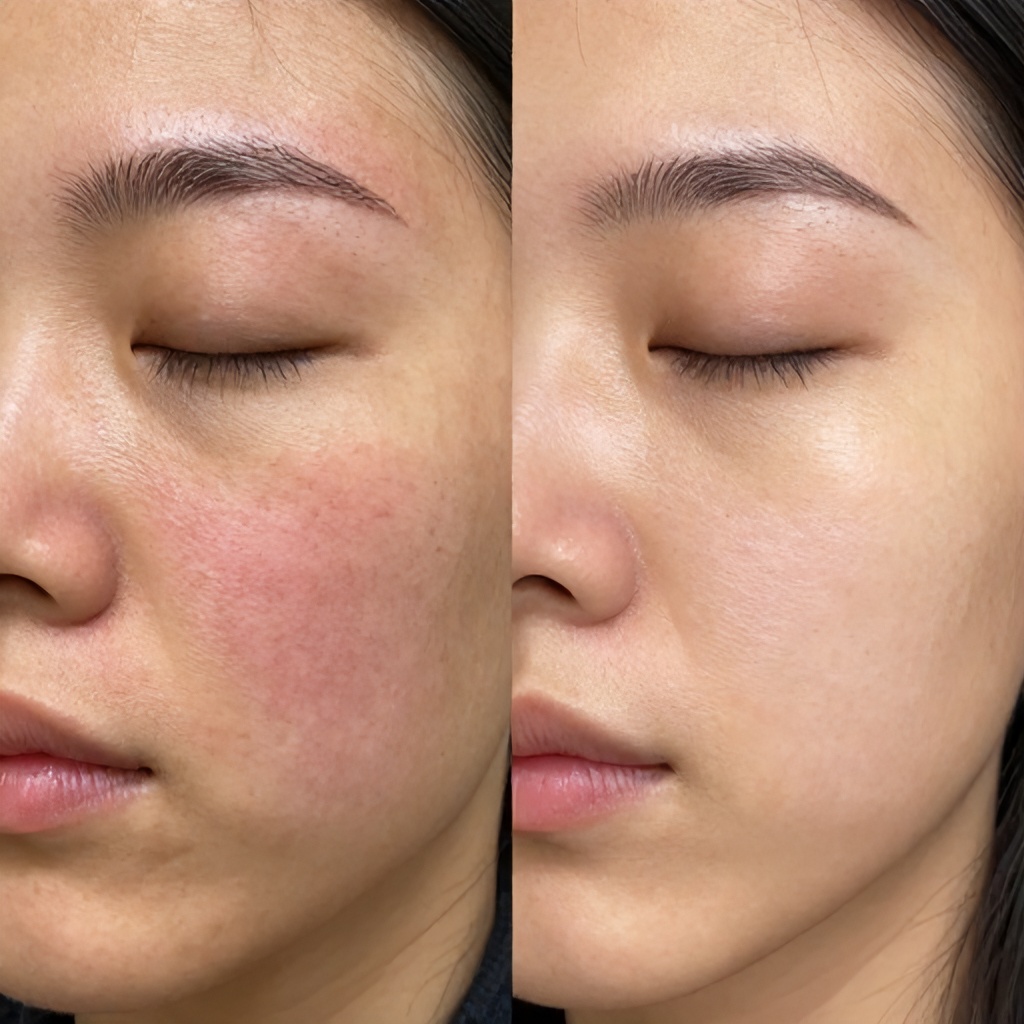
A simple combination of green tea and raw honey gained widespread attention in the skincare community after a teen shared her dramatic before-and-after photos, showcasing how these natural ingredients helped clear her persistent cystic acne.

The Story Behind the Glow-Up

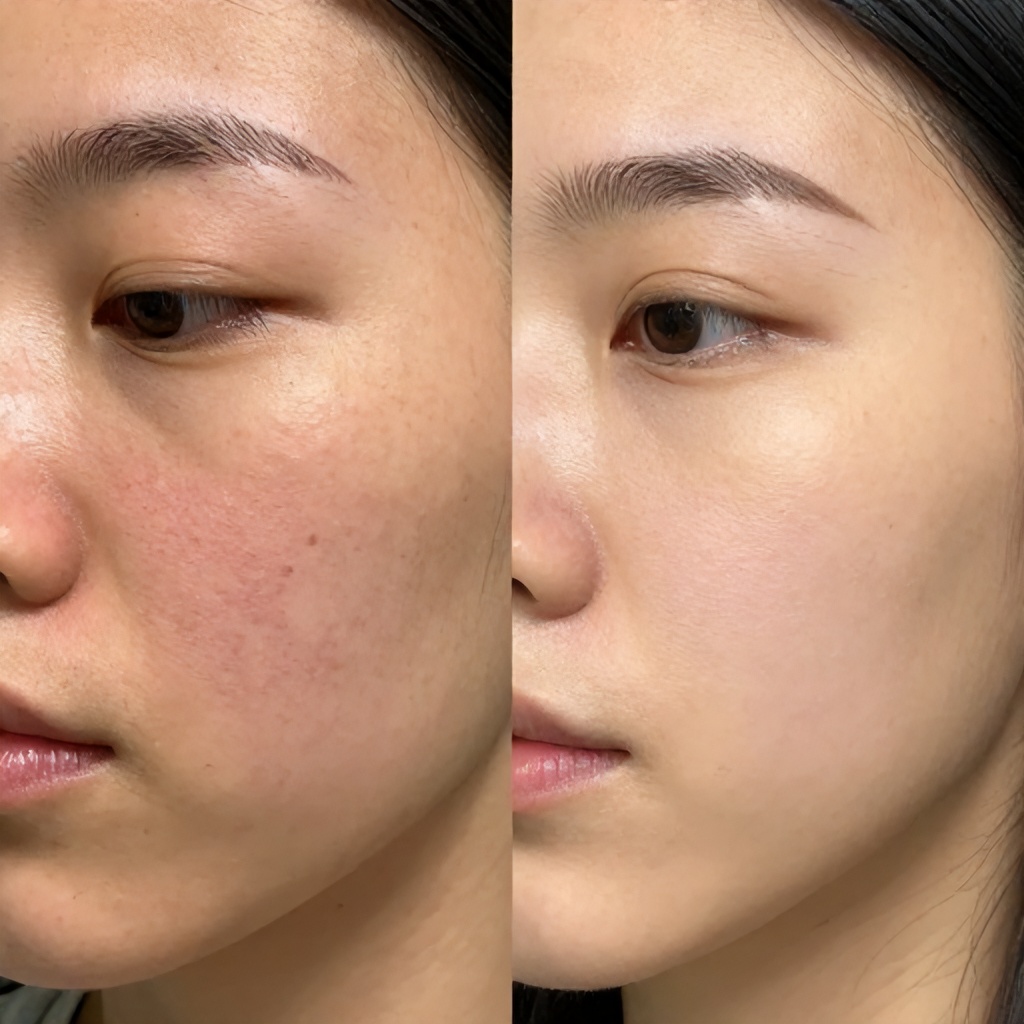
Seventeen-year-old Hilda Paz Robles from Las Vegas became an overnight sensation on social media, captivating thousands with her incredible skin transformation. Her initial post, featuring compelling before-and-after photos of her complexion, sparked a flurry of requests from people desperate to know her skincare secrets. Unlike many detailed skincare threads, Hilda’s initial caption was brief: “Came a long way .. before and after ✨ trust the process.” This simple statement left many wondering about the “process” she mentioned.

The online buzz grew, with countless individuals begging for details, comparing the intensity of their requests to those directed at a K-pop star. Hilda eventually revealed her secret in a reply to a curious follower, stating, “girl green tea with honey is all it was 😌 I will be doing a video soon all about it so stay tuned.” This revelation, while simple, immediately piqued interest, especially given the visible improvement in her severe skin breakout.

Intrigued by the straightforwardness of her claim, many sought to understand the specifics of her regimen. Hilda wasn’t exaggerating about the power of green tea and honey; her experience truly highlighted the potential of these common ingredients in managing acne-prone skin.
Hilda’s Simple Skincare Routine

Hilda’s journey with cystic acne began around April 2017, when her skin started to break out significantly. She wasn’t entirely sure what triggered it, recalling that “Lots of people tried to tell me it was hormones. Lots of people tried to tell me it was an infection.” During her summer break, her aunt suggested she try parsley tea, but Hilda, admitting she’s “never, ever liked tea,” wasn’t keen on the idea. Her aunt then recommended green tea as an alternative.

Upon returning home, Hilda purchased a box of green tea and began brewing it regularly. Her method was straightforward: she would prepare the tea and then add raw honey to it. She consistently drank this mixture three times a week, making it a regular part of her internal routine.

Beyond drinking it, Hilda also created her own potent face mask. She would empty the contents of a couple of green tea bags into a bowl, mixing the loose leaves with raw honey to form a paste. “I’d leave it on for at least 30 minutes,” she explained, “The max is probably two hours. I was just chilling around the house like that.” She applied this mask about three times a week for a couple of months, eventually reducing the frequency to once a week as her skin improved. This dual approach, combining internal consumption with topical application, became her personal acne treatment.

Why Green Tea is a Skincare Powerhouse

While Hilda’s results might seem almost too good to be true for some, dermatologists and scientific studies support the benefits of green tea for acne-prone skin. Green tea is renowned for its rich concentration of antioxidants, particularly epigallocatechin gallate (EGCG). These powerful compounds help to brighten the skin and protect it from damage caused by free radicals, which are unstable molecules that can contribute to skin aging and inflammation.

A significant benefit of green tea is its robust anti-inflammatory agent properties. This makes it incredibly effective at soothing inflammation and reducing redness associated with various skin conditions, including rosacea and, crucially, acne. Dermatologist Judith Hellman has highlighted this, explaining that “Green tea is an amazing anti-inflammatory agent, so it helps treat rosacea and even acne.” Its ability to calm irritated skin can make a noticeable difference in the appearance and discomfort of skin breakouts.

The scientific community has also explored green tea’s potential as an acne treatment. A 2013 study conducted in South Korea, for instance, suggested that green tea could potentially be more effective than some traditional acne medications. This research, among others, has fueled the rise of numerous matcha skin-care products on the market, all aiming to harness the potent benefits of this ingredient for clearer, healthier skin. The catechins in green tea can also help regulate sebum production and exhibit some antimicrobial effects, further contributing to its efficacy against acne-causing bacteria.

The Sweet Benefits of Raw Honey for Acne

Raw honey is another natural wonder with a long history of medicinal and skincare uses. Unlike processed honey, raw honey retains all its beneficial enzymes, antioxidants, and antibacterial properties, making it an excellent choice for soothing troubled skin. It’s particularly effective at reducing redness and soothing inflammation, which are common and often distressing symptoms of cystic acne.

One of honey’s most celebrated attributes is its ability to kill acne-causing bacteria. It contains hydrogen peroxide, a natural antiseptic, and has a low pH, creating an environment that is unfavorable for bacterial growth. This natural antimicrobial action helps to prevent new breakouts and reduce the severity of existing ones. Beyond its antibacterial power, raw honey also possesses an osmotic effect. This means it can draw out impurities and excess fluid from the skin, effectively reducing swelling and making inflammatory acne look less angry and noticeable.

Furthermore, raw honey is a natural humectant, meaning it draws moisture from the air into the skin. This provides gentle hydration without clogging pores, which is vital for acne-prone skin that can often be dried out by harsh treatments. Its combination of antibacterial, anti-inflammatory, and moisturizing properties makes it a comprehensive natural remedy for many skin concerns, offering a gentle yet effective approach to achieving a clearer complexion.

Integrating Green Tea and Raw Honey into Your Skincare Routine

Inspired by Hilda’s success, many in the skincare community might be wondering how to incorporate green tea and raw honey into their own regimen. It’s important to remember that while these ingredients offer significant benefits, individual results can vary greatly, and consistency is key. Hilda herself noted, “A lot of people don’t believe me. I’m not saying it’s going to work for everybody because I tried so many different things before that, and nothing was working.”

Making Your Own Green Tea and Honey Face Mask

Creating a DIY face mask is simple and can be a soothing addition to your skin-care routine:

  1. Brew a strong cup of green tea using one or two tea bags. Let it cool completely.
  2. Carefully cut open the tea bags and empty the damp green tea leaves into a small, clean bowl.
  3. Add one to two tablespoons of raw honey to the green tea leaves.
  4. Mix thoroughly until you have a consistent paste. You can adjust the consistency by adding a tiny bit more cooled green tea liquid if it’s too thick, or more honey if it’s too runny.
  5. Apply the mask evenly to clean, dry skin, avoiding the eye area.
  6. Leave the mask on for 20-30 minutes. For an extra boost, you can leave it on longer, up to an hour, as Hilda did.
  7. Rinse off thoroughly with lukewarm water, gently massaging your skin in circular motions to provide a mild exfoliation from the tea leaves.
  8. Pat your skin dry and follow with your usual moisturizer.

Aim to use this mask two to three times a week initially, reducing to once a week as your skin shows improvement. Always do a patch test on a small area of your skin before applying any new product or DIY treatment to your entire face, especially if you have sensitive or acne-prone skin.

Drinking Green Tea for Skin Health

Incorporating green tea into your diet is another excellent way to reap its internal benefits. Simply brew a cup of green tea and add a spoonful of raw honey for a delicious and health-boosting beverage. Drinking it regularly, as Hilda did three times a week, can contribute to overall skin health by providing a steady supply of antioxidants and anti-inflammatory compounds. This internal approach supports your skin from within, complementing any topical treatments you use.

Important Considerations and Next Steps

While green tea and raw honey can be powerful allies in the fight against cystic acne and general skin breakouts, it’s important to approach any new regimen with realistic expectations and patience. These natural remedies can significantly aid in reducing redness and soothing inflammation, but they might not be a complete solution for everyone, particularly those with severe or persistent acne scars.

If you’re struggling with cystic acne, which often involves deep, painful lesions and can lead to significant acne scars, it’s always wise to consult a dermatologist. A professional can help diagnose the underlying cause of your acne, which might include hormonal imbalances or specific infections, and recommend a comprehensive acne treatment plan. This plan could involve prescription acne medications or other advanced therapies that work in conjunction with natural remedies.

Remember, achieving clear skin is often a holistic journey that involves a consistent skin-care routine, a balanced diet, stress management, and sometimes, professional guidance. Green tea and raw honey offer a gentle, evidence-aware option to support your skin, but they are part of a larger picture of skin health.
Acne Treatment Before and After: Visual Proof of Clear Skin

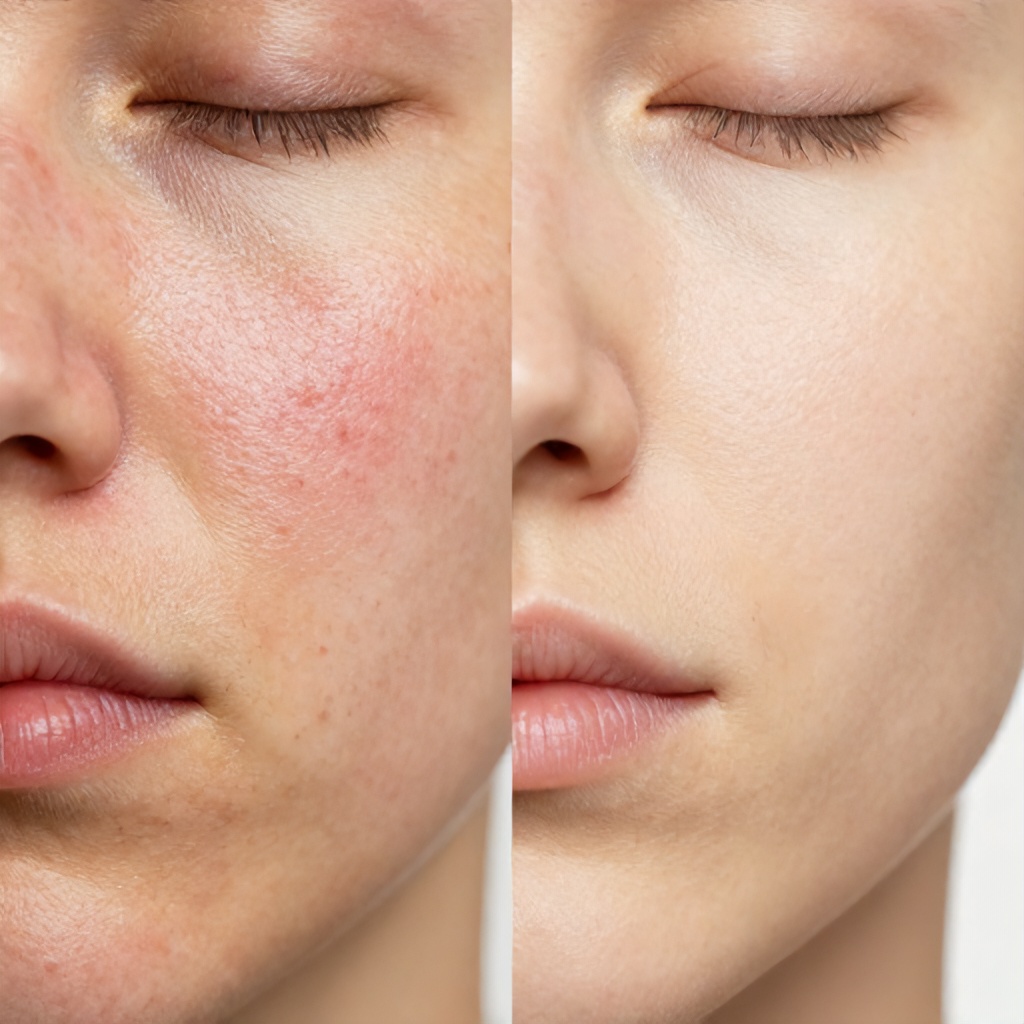
Acne treatment before and after comparisons offer compelling visual proof of how effective a targeted skincare regimen can be, revealing significant skin transformation from congested skin to a clear complexion. These side-by-side comparisons often highlight the journey from inflamed skin riddled with breakouts and blemishes to smooth, healthy skin with improved skin texture.

Understanding Acne: What’s Happening Under Your Skin?

Acne is more than just a few pimples; it’s a common skin condition that affects millions, stemming from a complex interplay of factors beneath the skin’s surface. Understanding these underlying mechanisms is the first step toward finding an effective dermatological solution. When we talk about clear skin, we’re aiming to address these root causes directly.

The Root Causes of Breakouts

Several factors contribute to the development of acne. Primarily, it begins when hair follicles become clogged with oil (sebum) and dead skin cells. Our skin naturally produces sebum to keep it moisturized, but sometimes glands produce too much. This excess oil, combined with dead skin cells, creates a perfect environment for bacteria, particularly Propionibacterium acnes (P. acnes), to multiply rapidly. This bacterial growth then triggers skin inflammation, leading to redness and swelling. Hormonal fluctuations, especially during puberty, menstruation, or pregnancy, can also increase sebum production, intensifying the problem. Genetics play a role too; if your parents had acne, you’re more likely to experience it. Stress doesn’t directly cause acne, but it can worsen existing breakouts by influencing hormone levels.

Types of Acne and What They Look Like

Acne manifests in various forms, each requiring a slightly different approach to treatment. Understanding what you’re dealing with can guide your choice of skincare product.

  • Blackheads and Whiteheads (Comedones): These are non-inflammatory lesions. Blackheads are open clogged pores where the surface melanin oxidizes, making them appear dark. Whiteheads are closed clogged pores, appearing as small, flesh-colored bumps.
  • Papules: Small, red, tender bumps that lack a white head. These indicate mild inflammation.
  • Pustules: Similar to papules but with a visible center of pus. These are often what people refer to as “pimples.”
  • Nodules: Large, solid, painful lumps deep within the skin. They result from severe inflammation and can persist for weeks or months.
  • Cysts: Large, painful, pus-filled lesions deep under the skin. Cysts are the most severe form of acne and can lead to significant scarring.

Each type contributes to congested skin and requires a targeted acne treatment plan to achieve truly blemish-free skin.

The Power of Before and After: Seeing Real Skin Transformation

Few things are as motivating as seeing tangible results, and this is where before and after photos shine. They provide undeniable evidence of progress and inspire hope for those struggling with persistent skin issues.

Why Visual Evidence Matters

Before and after results offer a powerful narrative of skin health improvement. They allow individuals to track the effectiveness of their skincare regimen over time, noting changes that might be subtle day-to-day but dramatic when viewed side-by-side. For many, these images are not just about aesthetics; they represent a journey towards greater confidence and comfort in their own skin. They validate the effort and patience invested in consistent acne treatment. When you’re feeling discouraged by slow progress, looking back at where you started can be an incredible boost. It reminds you that the visible improvement is real, even if it feels gradual.

What to Look For in a Side-by-side Comparison

When evaluating before and after photos, look beyond just the absence of large blemishes. A successful skin transformation involves several key indicators:

  • Reduced Redness and Inflammation: The “before” photo often shows widespread redness, particularly around active breakouts. The “after” should display a significant reduction in overall facial skin redness and irritation.
  • Fewer Active Breakouts: This is the most obvious change. Count the number of active pimples, papules, or pustules. The “after” should show a dramatic decrease.
  • Improved Skin Texture: Congested skin often looks uneven and bumpy. Look for smoother skin in the “after” picture, with a more refined and even surface.
  • Fading of Post-Inflammatory Marks: Acne often leaves behind red or dark spots (post-inflammatory erythema or hyperpigmentation). The “after” should show these marks fading, contributing to a more uniform clear complexion.
  • Reduced Pore Size: While pores can’t truly shrink, effective treatment can make them appear smaller by keeping them clean and unclogged.
  • Overall Radiance: Healthy skin has a natural glow. The “after” photo should reflect a more vibrant and healthy appearance.

These detailed observations help confirm that the acne treatment has truly worked to restore skin health.

Effective Acne Treatment Options and Their Impact

The path to blemish-free skin involves a range of treatment options, from over-the-counter topical solutions to prescription medications and professional procedures. The right choice depends on the severity and type of acne.

Topical Treatments: Your First Line of Defense

For mild to moderate acne, topical treatments are often the first recommendation. These products are applied directly to the facial skin and work to target specific issues like excess oil, bacteria, and clogged pores.

  • Benzoyl Peroxide: This ingredient is a powerful antibacterial agent. It kills acne-causing bacteria and helps to shed dead skin cells from pores. Before and after results often show a reduction in inflammatory lesions (papules and pustules) and overall redness. It’s widely available in various strengths and forms, from washes to creams.
  • Salicylic Acid: A beta-hydroxy acid (BHA), salicylic acid is oil-soluble, meaning it can penetrate deep into pores to dissolve sebum and dead skin cells. It’s excellent for treating blackheads and whiteheads and preventing new clogged pores. Visible improvement includes smoother skin texture and fewer non-inflammatory bumps.
  • Retinoids (Retinol, Tretinoin, Adapalene): These vitamin A derivatives are incredibly effective at normalizing cell turnover, preventing follicles from becoming clogged. They also have anti-inflammatory properties. Topical retinoids are often a cornerstone of an acne treatment regimen, leading to significant skin transformation over several months. You might see a glass dropper bottle for some retinoid serums. The “before” might show widespread congestion, while the “after” reveals a much clearer, more even facial complexion.

Consistent application of these topical treatments is crucial for seeing the desired before and after results.

Oral Medications: When Topicals Aren’t Enough

When topical treatments don’t provide sufficient improvement, or for more severe, widespread acne, dermatologists may prescribe oral medications.

  • Antibiotics: Oral antibiotics work by reducing acne-causing bacteria and decreasing inflammation throughout the body. They are typically used for a limited time to get severe breakouts under control, often alongside topical treatments. Before and after photos often show a dramatic reduction in skin inflammation and painful cystic lesions.
  • Isotretinoin (formerly Accutane): This powerful medication is reserved for severe, persistent cystic acne that hasn’t responded to other treatments. It works by significantly reducing oil gland size and sebum production, preventing clogged pores, and reducing inflammation. The skin transformation from isotretinoin is often profound, leading to long-term blemish-free skin for many individuals. However, it comes with significant side effects and requires close medical supervision.
  • Hormonal Therapies: For women whose acne is linked to hormonal fluctuations, oral contraceptives or anti-androgen medications can be effective. They work by regulating hormones that contribute to excess sebum production. Over several months, these treatments can lead to a clearer complexion and fewer hormonal breakouts.

These systemic treatments target acne from within, often providing a more comprehensive solution for widespread or deeply rooted issues.

In-Office Procedures: Professional Help for Persistent Acne

For stubborn acne or to address acne scars and marks, dermatologists offer various in-office procedures that can dramatically enhance before and after results.

  • Chemical Peels: A chemical solution is applied to the skin to exfoliate the top layers, reducing clogged pores, improving skin texture, and fading post-inflammatory marks. A series of peels can lead to noticeably smoother skin and a more even facial complexion.
  • Laser and Light Therapies: These treatments can target acne-causing bacteria, reduce oil production, and minimize redness and inflammation. Certain lasers also help improve the appearance of acne scars. The visible improvement can be substantial, especially for persistent redness and uneven texture.
  • Acne Extractions: A dermatologist can safely remove blackheads and whiteheads using sterile tools. While not a long-term solution, extractions can quickly clear congested skin and improve the immediate appearance of the skin.
  • Corticosteroid Injections: For large, painful cysts, a diluted corticosteroid can be injected directly into the lesion to reduce inflammation and pain rapidly, preventing potential scarring.

These professional interventions can significantly accelerate the journey to clear skin, especially when combined with a consistent home skincare regimen.

Building Your Skincare Regimen for Clear Skin

Achieving and maintaining blemish-free skin isn’t just about one miracle product; it’s about a consistent, well-thought-out skincare regimen tailored to your skin’s needs.

Essential Steps for Daily Skin Health

A foundational routine is key to supporting any acne treatment.

  1. Gentle Cleansing: Wash your face twice daily with a mild, pH-balanced cleanser. Avoid harsh scrubbing, which can irritate inflamed skin and worsen breakouts.
  2. Targeted Treatment: Apply your prescribed or recommended topical acne treatment. This might be a serum from a glass dropper bottle or a cream. Give it time to absorb.
  3. Moisturize: Even oily or acne-prone skin needs moisture. Choose a non-comedogenic (won’t clog pores) moisturizer to prevent dryness and support the skin barrier.
  4. Sun Protection: Daily use of a broad-spectrum SPF 30+ sunscreen is non-negotiable, especially when using retinoids, which can increase sun sensitivity. Sun protection also helps prevent the darkening of post-inflammatory marks.

This simple yet effective routine lays the groundwork for improved skin texture and a clearer complexion.

Consistency is Key for Blemish-free Skin

Patience and consistency are paramount when it comes to acne treatment. Skin transformation doesn’t happen overnight. Many treatments take weeks, if not months, to show significant before and after results. Sticking to your skincare regimen every single day, even when you don’t see immediate changes, is essential. Skipping applications or constantly switching products can irritate your skin and prevent any single product from working effectively. Think of it as a marathon, not a sprint, towards healthy skin. The cumulative effect of consistent care is what ultimately leads to visible improvement and a truly clear complexion.

Realistic Expectations and Maintaining Your Clear Complexion

While before and after photos can be incredibly inspiring, it’s important to set realistic expectations for your own skin health journey. Everyone’s skin responds differently, and progress isn’t always linear.

The Journey to Smooth Skin Takes Time

Expect to see initial improvements within 4-6 weeks of starting a new acne treatment, but full results can take 3-4 months or even longer, especially for severe cases. There might be periods where your skin seems to get worse before it gets better, often referred to as “purging,” especially with retinoids. This is a sign that the product is working to bring underlying congestion to the surface. It’s a temporary phase on the path to smoother skin. Remember that achieving blemish-free skin is a process, and celebrating small victories along the way can keep you motivated.

Preventing Future Breakouts and Clogged Pores

Once you’ve achieved a clear complexion, the work isn’t over. Maintaining healthy skin requires ongoing effort. Continue with your effective skincare regimen, even if your acne has cleared. Regular cleansing, targeted treatments (perhaps at a reduced frequency), moisturizing, and sun protection are still vital. Pay attention to lifestyle factors: a balanced diet, adequate sleep, and stress management can all contribute to overall skin health. Avoid picking or squeezing blemishes, as this can worsen inflammation, spread bacteria, and lead to scarring. Regular exfoliation, using gentle chemical exfoliants like salicylic acid, can help prevent new clogged pores from forming.

When to Seek Dermatological Solution

If over-the-counter products aren’t yielding the desired before and after results after several weeks, or if you’re experiencing severe, painful, or cystic acne, it’s time to consult a dermatologist. A professional can accurately diagnose your acne type, recommend prescription-strength medications, or suggest in-office procedures. They can also help manage potential side effects and guide you through the process of achieving and maintaining blemish-free skin. A dermatologist offers a personalized dermatological solution, ensuring your treatment plan is safe and effective for your unique facial skin concerns.

Exit mobile version