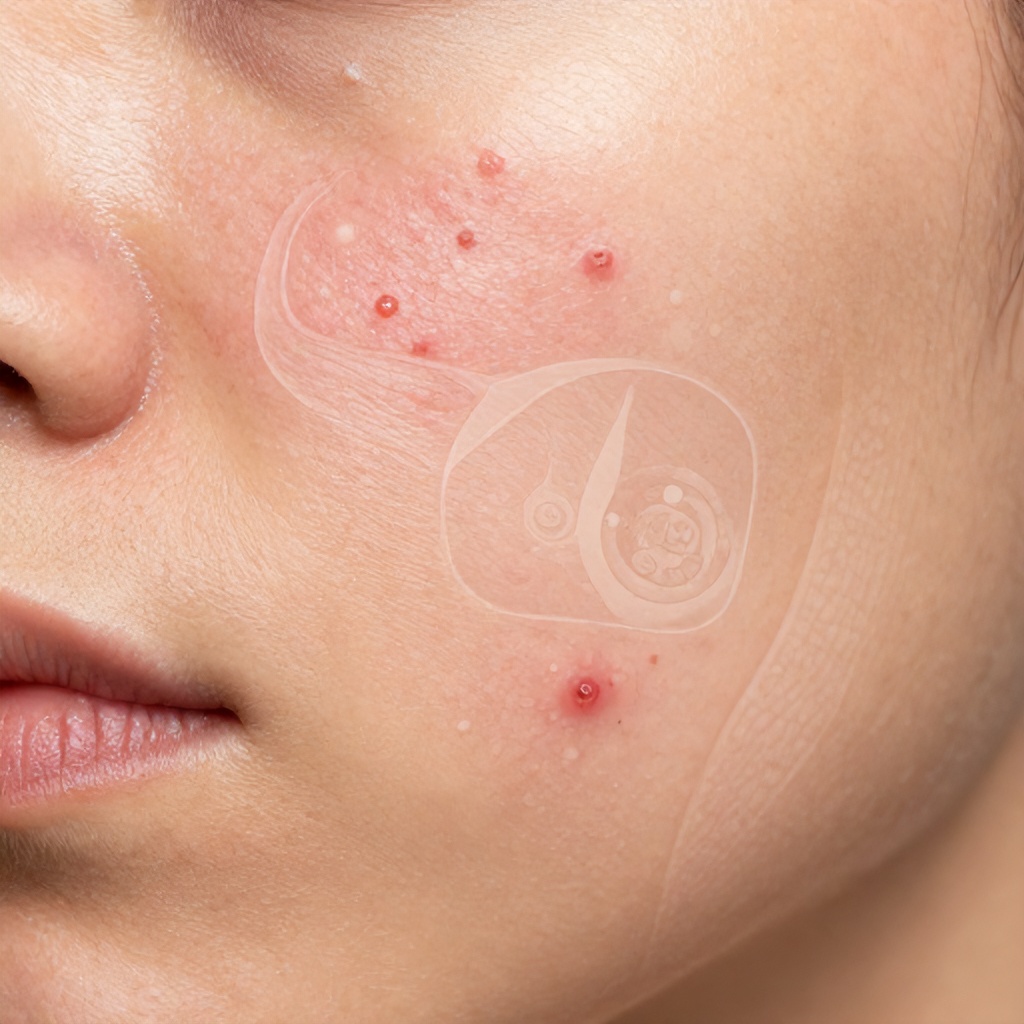
A close-up portrait of a young woman showcasing facial acne and redness offers a powerful, honest look at a common dermatological condition, moving beyond idealized skin portrayals to embrace real skin texture and common complexion issues.

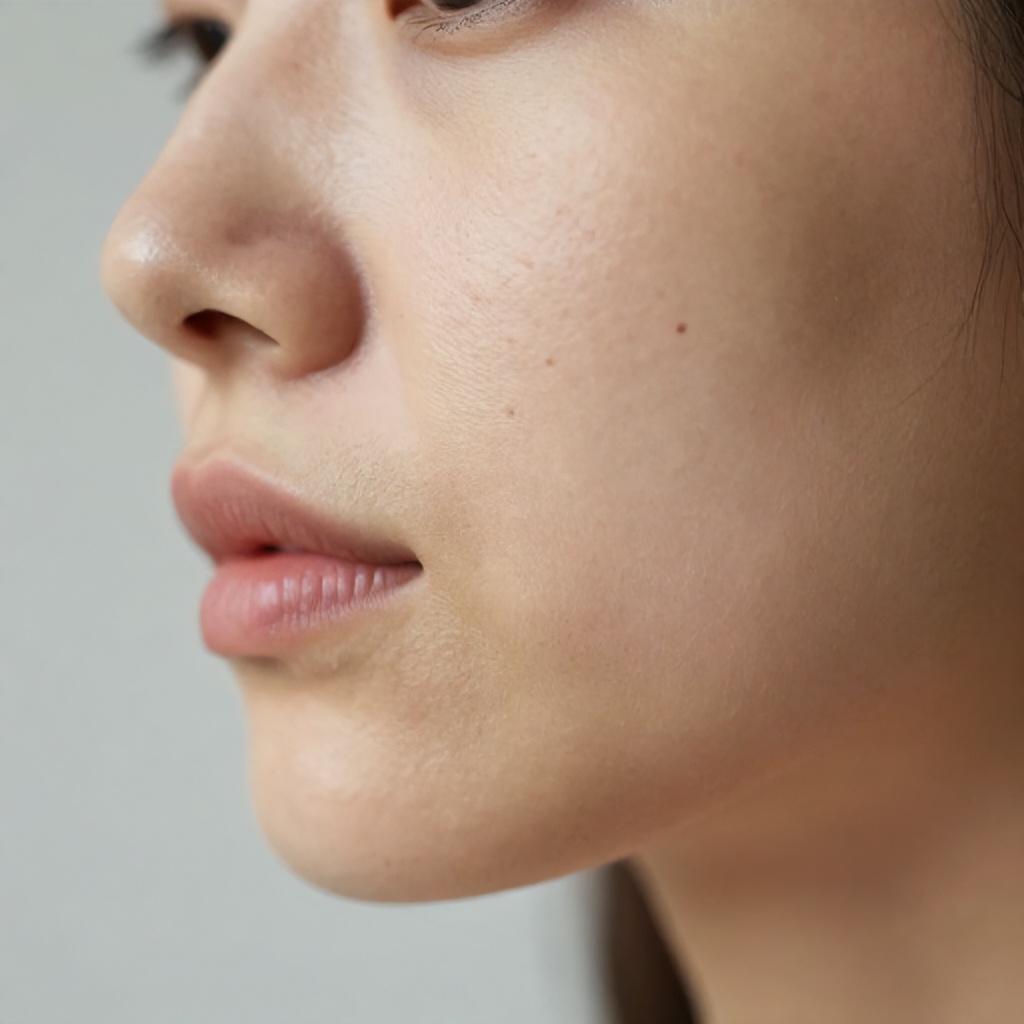
Understanding Facial Acne and Redness
Facial acne, medically known as acne vulgaris, affects millions globally, manifesting in various forms from small bumps to deep cysts. This widespread skin condition isn’t just a teenage phase; it can persist well into adulthood, impacting individuals across different age groups. When we see a high-resolution image highlighting these details, it provides a valuable visual documentation of what many people experience daily.
What is Acne Vulgaris?
Acne vulgaris occurs when hair follicles become clogged with oil and dead skin cells. This blockage leads to different types of skin blemishes. You might see blackheads, which are open clogged pores, or whiteheads, which are closed clogged pores. More inflamed forms include papules (small, red, tender bumps), pustules (papules with pus at their tips), nodules (large, solid, painful lumps beneath the skin’s surface), and cysts (large, painful, pus-filled lesions deep under the skin). Each type contributes to the overall skin imperfections visible in a close-up portrait.
The Role of Redness (Erythema)
Skin redness, or erythema, is a frequent companion to acne. It indicates inflammation, a natural response of the body to irritation or infection. This redness can appear around individual breakouts, making them more noticeable, or spread across larger areas of the facial skin, contributing to an uneven skin tone. For someone with sensitive skin, even minor irritation can trigger significant erythema, making the skin appear perpetually flushed. The close-up portrait specifically highlights this inflamed skin, providing a clear view of the varying degrees of redness that can accompany active breakouts and post-inflammatory marks.
The Significance of a Close-Up Portrait
A detailed close-up portrait of a female face with visible acne and redness serves multiple purposes. It’s not merely a picture; it’s a statement, a tool for understanding, and a step towards normalizing real skin. Such an image, especially one taken with a neutral background and even lighting, allows for an objective assessment of skin detail without distractions.
Visual Documentation of Skin Health
These portraits offer unparalleled visual documentation. For individuals managing a dermatological condition, a series of high-resolution images over time can track progress, evaluate treatment effectiveness, or simply observe the natural fluctuations of their skin. This clinical style photography provides an honest baseline, capturing the true skin texture and extent of skin blemishes. It helps both individuals and dermatologists understand the specific presentation of their complexion issues.
Normalizing Real Skin
In a world often saturated with airbrushed and filtered images, a close-up portrait showing skin imperfections is incredibly refreshing. It challenges unrealistic beauty standards and fosters a sense of authenticity. Seeing a young woman with facial acne and redness presented without apology helps to reduce stigma and encourages self-acceptance. It reminds us that skin has pores, texture, and sometimes, breakouts. This visual honesty is a powerful counter-narrative to the flawless skin often depicted in media, making it easier for everyday readers to relate and feel less alone in their experiences.
Common Causes of Acne and Erythema
Understanding the root causes of facial acne and associated skin redness is key to managing these complexion issues effectively. While often perceived as a simple surface problem, acne vulgaris is a complex dermatological condition influenced by a combination of internal and external factors.
Hormonal Fluctuations
Hormones, particularly androgens, play a significant role in acne development. These hormones stimulate the sebaceous glands to produce more sebum (oil). An excess of sebum can clog pores, creating an ideal environment for acne-causing bacteria. This is why acne is common during puberty, menstruation, pregnancy, and other periods of hormonal change. The resulting inflammation often leads to visible skin redness around the affected areas.
Genetics and Predisposition
If your parents had acne, you’re more likely to experience it too. Genetics can influence how sensitive your sebaceous glands are to hormones, how quickly your skin cells shed, and even the size of your pores. This inherited predisposition means some individuals are simply more prone to developing skin blemishes and inflamed skin, regardless of other factors.
Dietary Considerations
While the link between diet and acne is still being researched, some studies suggest that certain foods might exacerbate breakouts for some individuals. High glycemic index foods (like refined sugars and white bread) and dairy products are often cited as potential triggers. These foods may influence hormone levels or inflammation, contributing to skin irritation and facial acne. However, individual responses vary widely, and what affects one person may not affect another.
Stress and Lifestyle Factors
Stress doesn’t directly cause acne, but it can certainly worsen existing breakouts. When you’re stressed, your body produces more hormones like cortisol, which can increase oil production and inflammation. Lack of sleep, inadequate hydration, and even certain medications can also impact skin health, making skin more susceptible to blemishes and redness. A holistic approach to wellness often yields better skin outcomes.
Skincare Products and Environmental Triggers
Using comedogenic (pore-clogging) skincare or makeup products can contribute to facial acne. Harsh cleansers or excessive scrubbing can also irritate the skin, leading to increased redness and inflammation. Environmental factors like humidity, pollution, and even friction from clothing or helmets can also trigger breakouts and exacerbate skin irritation. It’s important to choose products carefully and protect your skin from environmental stressors.
Effective Approaches to Managing Skin Imperfections
Managing facial acne and skin redness involves a combination of consistent skincare, lifestyle adjustments, and sometimes, targeted treatments. The goal is to reduce breakouts, calm inflammation, and improve overall skin health without causing further irritation.
Gentle and Consistent Skincare Routine
A well-chosen daily skincare routine is fundamental. Start with a mild, sulfate-free cleanser to remove dirt, oil, and makeup without stripping the skin’s natural barrier. Follow with a non-comedogenic moisturizer, even if your skin is oily, as hydration is key to maintaining skin health. Always apply a broad-spectrum SPF 30 or higher sunscreen daily, as some acne treatments can make your skin more sensitive to the sun, and sun exposure can worsen post-inflammatory redness. Look for products specifically formulated for acne-prone or sensitive skin to minimize skin irritation.
- Cleanse: Twice daily with a gentle cleanser.
- Treat: Apply targeted treatments to affected areas.
- Moisturize: Use a non-comedogenic, hydrating formula.
- Protect: Daily SPF is non-negotiable.
Targeted Topical Treatments
Over-the-counter (OTC) treatments can be very effective for mild to moderate acne. Ingredients like salicylic acid help to exfoliate the skin and unclog pores, reducing blackheads and whiteheads. Benzoyl peroxide works by killing acne-causing bacteria and reducing inflammation. Retinoids, available both OTC (like adapalene) and by prescription, promote cell turnover and prevent new breakouts. These treatments can significantly reduce the appearance of skin blemishes and improve skin texture over time. Always introduce new treatments slowly to avoid excessive skin irritation.
Lifestyle Adjustments for Skin Health
What you put into your body and how you live can profoundly affect your skin. A balanced diet rich in fruits, vegetables, and whole grains, along with adequate water intake, supports overall skin health. Managing stress through practices like yoga, meditation, or simply taking time for hobbies can help regulate hormones that contribute to breakouts. Ensuring you get enough quality sleep allows your skin to repair and regenerate, which is crucial for reducing skin redness and inflammation. These holistic changes complement topical treatments and contribute to better complexion issues management.
Professional Treatments and Interventions
For persistent or severe acne vulgaris, professional treatments might be necessary. Dermatologists can prescribe stronger topical medications, oral antibiotics to reduce bacteria and inflammation, or hormonal therapies. Procedures like chemical peels, laser therapy, and light therapy can also target specific cosmetic concerns such as active breakouts, post-inflammatory erythema, and even acne scarring. These interventions are often part of a comprehensive plan tailored to the individual’s specific dermatological condition, offering advanced solutions for challenging skin imperfections.
Beyond the Visual: Emotional Impact and Self-Care
Living with facial acne and persistent skin redness extends far beyond the physical appearance. It can significantly impact a person’s emotional well-being and self-perception. Acknowledging this emotional toll is a crucial step in holistic skin health.
The Psychological Weight of Complexion Issues
Visible skin blemishes, especially on the female face, can lead to feelings of self-consciousness, anxiety, and even depression. The constant awareness of breakouts and inflamed skin can make social interactions daunting, causing individuals to withdraw. It’s not just about the physical discomfort; it’s about how these skin imperfections affect one’s confidence and quality of life. The pressure to have “perfect” skin, amplified by social media, can make these feelings even more intense for young women.
Embracing Self-Acceptance
One of the most powerful steps in managing the emotional impact of acne is cultivating self-acceptance. This means recognizing that your skin does not define your worth. A close-up portrait, while revealing, can also be a tool for empowerment, encouraging individuals to see their skin as real and beautiful, even with its textures and challenges. Practicing self-compassion and understanding that a dermatological condition is not a personal failing can significantly alleviate psychological distress.
Building a Support System
Connecting with others who understand what you’re going through can be incredibly helpful. Online communities, support groups, or even trusted friends and family can provide a safe space to share experiences and receive encouragement. Knowing you’re not alone in dealing with skin health challenges can make a huge difference in navigating the emotional landscape of acne and redness. This collective understanding helps to normalize the experience and reduce feelings of isolation.
Mindful Self-Care Practices
Self-care extends beyond just skincare. It involves practices that nurture your mental and emotional health. This could be anything from meditation and journaling to spending time in nature or pursuing hobbies that bring joy. Focusing on overall well-being can indirectly improve skin health by reducing stress, a known contributor to breakouts. Prioritizing rest, eating nourishing foods, and engaging in gentle exercise are all components of a holistic self-care routine that supports both mind and body, ultimately benefiting your facial skin.
When to Seek Professional Help
While many mild cases of facial acne and skin redness can be managed with over-the-counter products and lifestyle changes, there are times when consulting a healthcare professional, specifically a dermatologist, is the best course of action. Recognizing these signs can prevent worsening conditions and potential long-term skin damage.
Persistent or Severe Breakouts
If your acne is persistent, meaning it doesn’t respond to several weeks or months of consistent OTC treatment, it’s time to see a dermatologist. Similarly, if you experience severe forms of acne, such as deep, painful nodules or cysts, professional intervention is crucial. These types of breakouts are more likely to lead to permanent scarring and significant skin imperfections if left untreated. A dermatologist can accurately diagnose the specific type of acne vulgaris you have and prescribe stronger, more effective treatments.
Significant Skin Redness and Inflammation
When skin redness is widespread, intense, or accompanied by significant pain or irritation, it warrants a professional evaluation. Chronic erythema can sometimes indicate underlying issues beyond typical acne, such as rosacea or other inflammatory skin conditions. A dermatologist can differentiate between these conditions and recommend appropriate treatments to calm inflamed skin and reduce overall redness, improving your skin health and comfort.
Concerns About Scarring or Hyperpigmentation
Acne can leave behind more than just temporary blemishes; it can result in textural changes like pitted scars or discolored patches (post-inflammatory hyperpigmentation or erythema). If you’re noticing these marks forming, especially with a high-resolution image providing a clear view, a dermatologist can offer treatments to minimize their appearance. Early intervention for active acne can often prevent severe scarring, but various procedures exist to address existing scars and discoloration, helping to restore a more even skin texture.
Impact on Quality of Life
Perhaps the most important reason to seek professional help is when your dermatological condition significantly impacts your emotional well-being and daily life. If facial acne and redness are causing you distress, affecting your self-esteem, or making you withdraw from social activities, a dermatologist can provide not only physical treatments but also resources or referrals for psychological support. Addressing cosmetic concerns comprehensively means tending to both the skin and the mind.