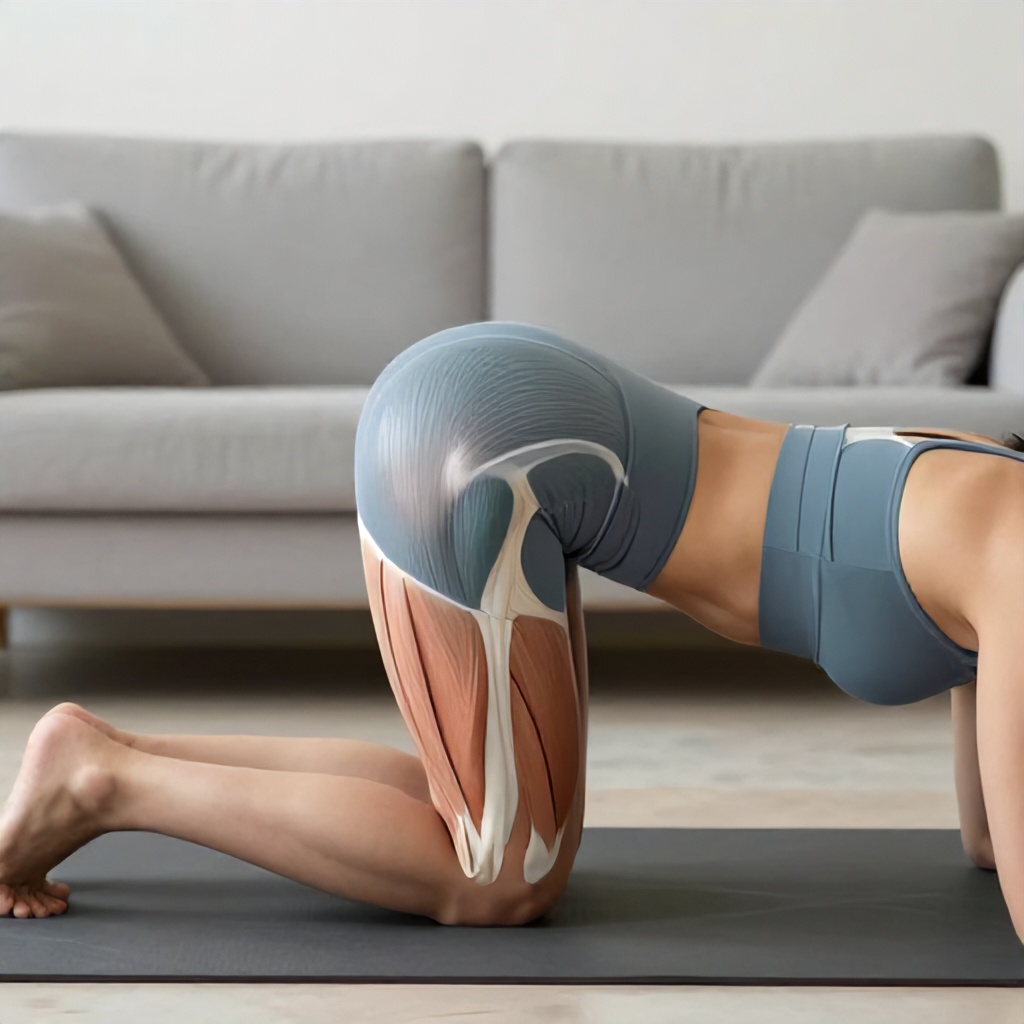
Embracing low-intensity home exercises offers a wonderful path to improved well-being without the pressure of high-impact workouts, making it perfect for a truly relaxed routine right in your own space.

Why Low-Intensity Movement Matters
Many people associate effective exercise with sweat, strain, and high energy. However, gentle workouts provide profound benefits for your physical and mental health, often without the risk of injury or burnout. These comfortable exercises are about consistency and mindful movement, not pushing your limits.
Opting for low-impact workouts allows your body to build strength, improve flexibility, and enhance endurance gradually. This approach is particularly beneficial for beginners, individuals recovering from injury, older adults, or anyone seeking stress relief exercises. It fosters a sustainable relationship with physical activity, encouraging daily movement that feels good rather than like a chore. The goal here is to integrate light physical activity into your life in a way that supports overall wellness exercises.
The Benefits of a Gentle Approach
- Reduced Stress: Gentle movement helps calm the nervous system, reducing cortisol levels and promoting a sense of peace. These are true mental well-being routines.
- Improved Flexibility and Mobility: Slow, controlled movements increase your range of motion and keep your joints healthy.
- Enhanced Muscle Tone: Even without heavy weights, consistent low-intensity exercises build foundational strength.
- Better Circulation: Light activity boosts blood flow, which is vital for nutrient delivery and waste removal throughout the body.
- Increased Energy Levels: Paradoxically, moving gently can combat fatigue and leave you feeling more invigorated.
- Accessibility: These home exercises require minimal equipment and can be done almost anywhere, making at-home fitness incredibly convenient.
Creating Your Calm Atmosphere for Workouts
Before you even begin moving, setting the stage for your indoor workouts can significantly enhance the experience. Think of this as preparing a sanctuary for your mind and body. A calm atmosphere workouts space doesn’t need to be large or elaborate; it just needs to feel inviting and free from distractions.
Setting the Scene
- Choose a Quiet Spot: Find a corner in your living room, bedroom, or even a hallway where you won’t be interrupted.
- Clear the Clutter: A tidy space helps create a tidy mind. Remove anything that might distract you or pose a tripping hazard.
- Adjust Lighting: Soft, natural light is ideal. If it’s evening, use lamps rather than harsh overhead lights to foster a more relaxed mood.
- Consider Sound: Gentle instrumental music, nature sounds, or even complete silence can help you focus on your mindful movement. Avoid anything too stimulating.
- Comfort is Key: Wear comfortable clothing that allows for a full range of motion. Have a yoga mat or a soft rug ready for floor exercises.
Gentle Warm-Up: Preparing Your Body
Even with low-intensity exercises, a short warm-up is essential. It prepares your muscles and joints for movement, increases blood flow, and helps prevent any strain. Think of it as a gentle invitation for your body to move.
Spend about 5-10 minutes on these simple movements before diving into your main routine. Focus on slow, controlled motions, coordinating them with your breath. This initial phase is part of the overall therapeutic exercises approach, easing your body into activity.
Warm-Up Sequence
-
Neck Rolls: Slowly drop your chin to your chest, then gently roll your head from side to side, ear towards shoulder. Avoid full backward rolls if you have neck sensitivity. Repeat 5 times each side.
-
Shoulder Rolls: Shrug your shoulders up towards your ears, then roll them back and down in a circular motion. Reverse the direction. Perform 8-10 repetitions in each direction.
-
Arm Circles: Extend your arms out to the sides. Make small circles forward, gradually increasing the size. Reverse and make circles backward. Do 10 circles in each direction.
-
Torso Twists (Seated or Standing): Gently twist your upper body from side to side, keeping your hips relatively still. Use your core to initiate the movement, not just momentum. Repeat 8-10 times per side.
-
Leg Swings (Supported): Hold onto a wall or chair for balance. Gently swing one leg forward and backward, then side to side. Keep the movement controlled and within a comfortable range. Repeat 8-10 times per leg for each direction.
Core Low-Intensity Exercises for Your Relaxed Routine
These exercise routines are designed to be accessible, effective, and deeply calming. Remember to listen to your body and move within a pain-free range. The focus is on gentle engagement and controlled movement, making them ideal beginner exercises.
Seated Exercises for Stability and Flexibility
Seated exercises are fantastic for those who prefer to stay off their feet, or for incorporating movement into a busy day without needing a lot of space. They build core strength and improve posture while being incredibly comfortable exercises.
-
Seated Cat-Cow: Sit tall on a chair with your feet flat on the floor. Place your hands on your knees. As you inhale, arch your back, lift your chest, and look slightly up (Cow). As you exhale, round your spine, pull your belly button towards your spine, and drop your chin to your chest (Cat). Flow between these two positions for 8-10 repetitions, coordinating with your breath. This is excellent for spinal mobility and stress relief exercises.
-
Seated Leg Lifts: While seated, extend one leg straight out in front of you, keeping your foot flexed and heel slightly off the floor. Hold for a few seconds, engaging your thigh muscle, then slowly lower it back down. Repeat 10-12 times per leg. This strengthens your quadriceps without putting pressure on your knees.
-
Ankle Circles and Flexes: Lift one foot slightly off the floor. Rotate your ankle in slow, controlled circles, first clockwise, then counter-clockwise. Then, point your toes away from you and flex them back towards your shin. Repeat 10 times for each direction and motion per foot. This improves ankle mobility and circulation, vital for daily movement.
-
Seated Torso Rotations: Sit tall. Place your right hand on your left knee and your left hand on the back of the chair or behind you. Gently twist your torso to the left, looking over your left shoulder. Hold for 15-20 seconds, then slowly return to center. Repeat on the other side. Do 3-4 repetitions per side. This is a great gentle stretching exercise for the spine and obliques.
Standing/Supported Exercises for Balance and Strength
These standing exercises help improve balance, strengthen leg muscles, and maintain overall stability. Use a wall or a sturdy chair for support if needed, ensuring these remain comfortable exercises.
-
Wall Push-Ups: Stand facing a wall, about arm’s length away. Place your hands on the wall, shoulder-width apart, at chest height. Lean towards the wall, bending your elbows, keeping your body in a straight line. Push back to the starting position. Perform 10-15 repetitions. This is a fantastic upper body strength builder without putting stress on wrists or shoulders like traditional push-ups.
-
Calf Raises: Stand tall, holding onto a chair or wall for balance if necessary. Slowly lift your heels off the floor, rising onto the balls of your feet. Hold briefly at the top, then slowly lower your heels back down. Repeat 12-15 times. This strengthens your calves and improves ankle stability, crucial for everyday mobility.
-
Chair Squats: Stand in front of a sturdy chair, feet shoulder-width apart. Slowly lower your hips as if you’re going to sit down, hovering just above the chair seat. Keep your chest up and core engaged. Push through your heels to return to standing. Do 8-12 repetitions. This builds leg and glute strength effectively and is a foundational movement in many exercise routines.
-
Leg Lifts (Side and Back): Hold onto a chair for support. Slowly lift one leg out to the side, keeping your torso upright and hips stable. Lower with control. Repeat 10-12 times. Then, turn to lift the leg straight behind you, squeezing your glute. Repeat 10-12 times. Switch legs. These help strengthen hip abductors and glutes, improving balance and stability.
Floor/Mat Exercises for Core and Full Body
Moving to the floor allows for a different kind of engagement, often focusing on core stability and deeper stretches. A soft mat will make these restorative movement exercises more pleasant.
-
Bridge Pose: Lie on your back with your knees bent, feet flat on the floor hip-width apart, and arms by your sides. Gently lift your hips off the floor, engaging your glutes and hamstrings, until your body forms a straight line from shoulders to knees. Hold for 5-10 seconds, then slowly lower back down. Repeat 8-10 times. This strengthens the glutes, hamstrings, and lower back, offering a gentle yet effective full-body engagement.
-
Bird-Dog: Start on your hands and knees, wrists under shoulders, knees under hips. Keep your back flat and core engaged. Slowly extend your right arm forward and your left leg straight back, keeping them parallel to the floor. Avoid arching your back. Hold for a few seconds, then return to the starting position. Alternate sides. Perform 8-10 repetitions per side. This is excellent for core stability and balance, making it a key mindful movement.
-
Pelvic Tilts: Lie on your back with knees bent and feet flat. Gently press your lower back into the floor, tilting your pelvis slightly upwards. You’ll feel your abdominal muscles engage. Hold for a few seconds, then release. Repeat 10-12 times. This is a subtle but powerful exercise for strengthening the deep core muscles and alleviating lower back discomfort, making it a great therapeutic exercise.
-
Supine Spinal Twist: Lie on your back, arms extended out to a ‘T’ shape. Bring your knees up towards your chest, then gently let them fall to one side, keeping both shoulders on the floor. Turn your head to look in the opposite direction of your knees. Hold for 30 seconds, breathing deeply. Bring knees back to center and repeat on the other side. This is a wonderful gentle stretching exercise for the spine and hips, promoting relaxation.
Gentle Stretching and Cool Down
A cool-down is just as important as a warm-up. It helps your heart rate return to normal, prevents muscle stiffness, and signals to your body that the workout is complete. This is where you truly embrace the relaxation techniques.
-
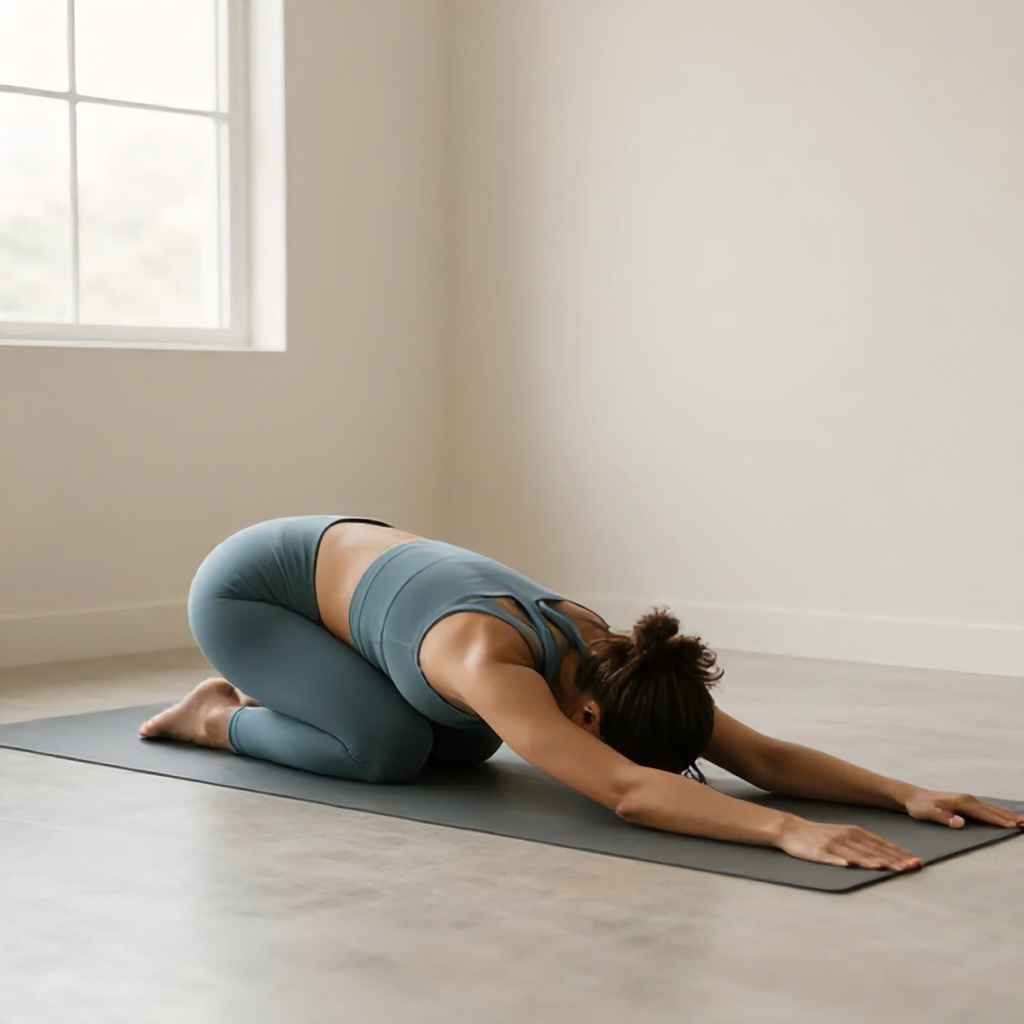
Child’s Pose: Kneel on your mat, big toes touching, knees wide apart. Sink your hips back towards your heels and extend your arms forward, resting your forehead on the mat. Breathe deeply into your back. Hold for 30-60 seconds. This is a deeply restorative movement that calms the mind and stretches the back and hips.
-
Hamstring Stretch (Seated or Lying): Sit on the floor with one leg extended, the other bent with your foot towards your inner thigh. Gently hinge forward from your hips, reaching towards your extended foot. Keep your back straight. Alternatively, lie on your back and loop a towel around one foot, gently pulling the leg towards you. Hold for 20-30 seconds per leg. This is a classic gentle stretching exercise.
-
Triceps Stretch: Raise one arm overhead, bend the elbow, and let your hand fall behind your head. Use your other hand to gently press down on the bent elbow, deepening the stretch. Hold for 20-30 seconds per arm. This targets the back of your upper arm and shoulder.
-
Figure-Four Stretch: Lie on your back with knees bent, feet flat. Cross your right ankle over your left knee. Gently draw your left knee towards your chest, feeling a stretch in your right glute and hip. Hold for 30 seconds per side. This is an excellent hip opener and stress relief exercise.
-
Deep Breathing: Finish your routine by lying comfortably on your back, perhaps with a pillow under your knees. Place one hand on your chest and one on your belly. Inhale slowly through your nose, feeling your belly rise. Exhale slowly through your mouth, feeling your belly fall. Focus on making your exhales longer than your inhales. Continue for 2-5 minutes. This is a powerful relaxation technique that anchors your mind and body.
Building Your Relaxed Routine
The beauty of low-intensity home exercises is their flexibility. You don’t need to follow a rigid schedule. The key is consistency and listening to your body. Aim for daily movement, even if it’s just 10-15 minutes of easy exercises. This consistent light physical activity will yield significant benefits over time.
Consider creating a small playlist of your favorite gentle movements from the lists above. Maybe one day you focus on seated exercises, another day on standing balance, and another on floor stretches. The goal is to make fitness information approachable and integrate these wellness exercises into your life naturally, not force them. This is about building sustainable exercise routines.
Tips for Success with At-Home Fitness
- Listen to Your Body: If something hurts, stop. These are comfortable exercises, not pain-inducing ones.
- Stay Hydrated: Keep a water bottle nearby, even for gentle workouts.
- Consistency Over Intensity: A little bit every day is far more effective than one intense session a week. This is the essence of building effective mental well-being routines.
- Breathe Deeply: Focus on your breath throughout each movement. It enhances the benefits and promotes mindful movement.
- Make it Enjoyable: Put on your favorite calming music, light a candle, or open a window. Make your indoor workouts something you look forward to.
- Track Your Progress (Optional): A simple journal can help you notice improvements in flexibility, strength, and overall mood, providing positive workout guidance.
- Be Patient: Changes take time. Celebrate small victories and appreciate the journey towards better health and a more relaxed routine.
Adopting a regular schedule of low-intensity exercises at home can truly transform your relationship with physical activity. It’s about nurturing your body and mind with gentle, restorative movement, fostering a sense of calm and strength that radiates into every aspect of your day.
These easy exercises are a testament to the idea that effective fitness doesn’t have to be strenuous. It can be a peaceful, personal practice that enhances your wellness and brings a greater sense of balance to your life, one gentle movement at a time.