
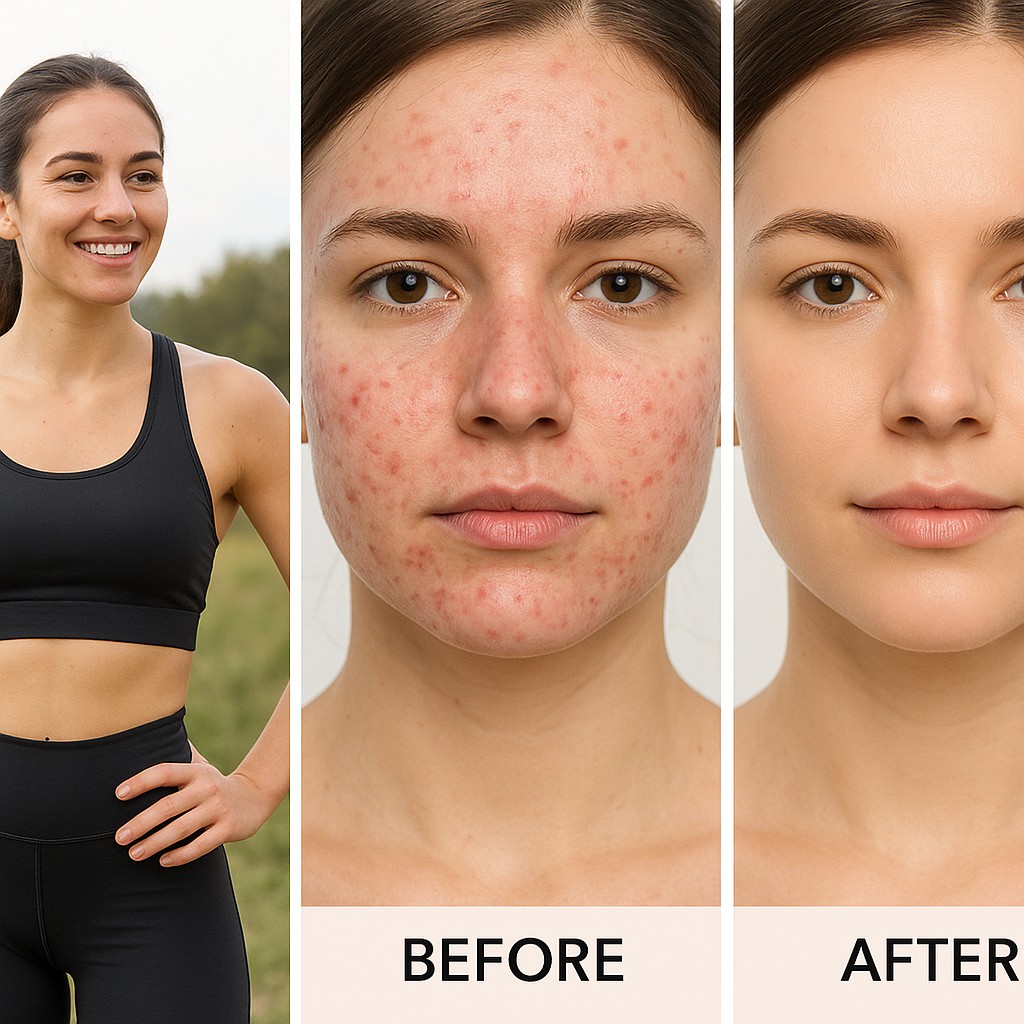
Model Georgia Gibbs recently shared her two-year skin transformation, proving that clearing severe acne and managing rosacea is rarely a straight line. After years of dealing with painful breakouts and persistent redness, she found that healing required looking far beyond the surface of her skin. Her experience highlights the reality of living with an inflammatory skin condition, where the body often signals deeper internal imbalances through the face.

Understanding the Complexity of Skin Healing
Many people assume that a simple switch in cleansers or a new serum will fix their complexion overnight. Georgia’s journey suggests otherwise. She describes her process as a chronic battle that involved addressing hormonal problems, potential autoimmune disorders, and extreme stress. When you deal with inflamed skin, it is easy to feel discouraged by the constant cycle of improvement followed by sudden, frustrating flare-ups.
The skin acts as a mirror for what is happening inside the body. When you see swollen red lumps or notice small blood vessels becoming more prominent, your body is likely reacting to a specific stressor. For Georgia, the transition from fighting acne to managing rosacea felt like a game of whack-a-mole. She learned that the body often clears one issue only to prioritize the next, deeper layer of healing once the initial inflammation subsides.
Georgia top four tips
- See a dermatologist to determine what kind of rosacea you have.
- Find out when it started and what triggers it.
- Work with a naturopath or medical practitioner on the treatment.
- Identify if there are any food triggers and change your diet accordingly.
The Role of Professional Guidance
Relying on internet trends or random product recommendations often leads to more irritation. A professional dermatological treatment plan is essential because not all redness is the same. Some people struggle with acne-like rosacea, while others deal with vascular issues that require specific laser therapies or prescription topicals. By consulting a dermatologist, you gain clarity on your specific skin type and the underlying biology at play.

Beyond standard medical care, integrating a holistic approach can be a game-changer for long-term skin health. Georgia emphasizes the importance of working with a naturopath or a medical practitioner who looks at the whole picture. This might involve testing for nutrient deficiencies, checking hormone levels, or exploring how your gut health influences your complexion. Healing is not just about what you put on your face; it is about how you support your internal systems.
Georgia top four tips
- See a dermatologist to determine what kind of rosacea you have.
- Find out when it started and what triggers it.
- Work with a naturopath or medical practitioner on the treatment.
- Identify if there are any food triggers and change your diet accordingly.
Identifying Root Causes
To stop the cycle of breakouts, you must become a detective regarding your own body. Skin triggers are highly individual. What causes a flare-up for one person might be perfectly fine for another. Georgia’s research into her own condition led her to identify several potential culprits that often go overlooked in standard beauty routines.
Georgia reveals the causes of rosacea
- You’re genetically predisposed.
- You’re suffering with skin mites (demedex).
- You had underlying severe inflammation that found a trigger and rosacea is how it shows itself.
- You have gut issues, specifically SIBO (small intestinal bacterial overgrowth), leaky gut or an IBS diagnosis.
- You have built up emotions, anger, resentment, guilt, or self loathing.
The connection between gut health and skin inflammation is well-documented but often ignored. Conditions like SIBO or leaky gut can cause systemic inflammation that manifests as acne or rosacea. When your digestive system is struggling to process nutrients or manage bacteria, your skin often pays the price. Addressing these issues with a qualified practitioner can lead to significant improvements in your skin’s texture and clarity.
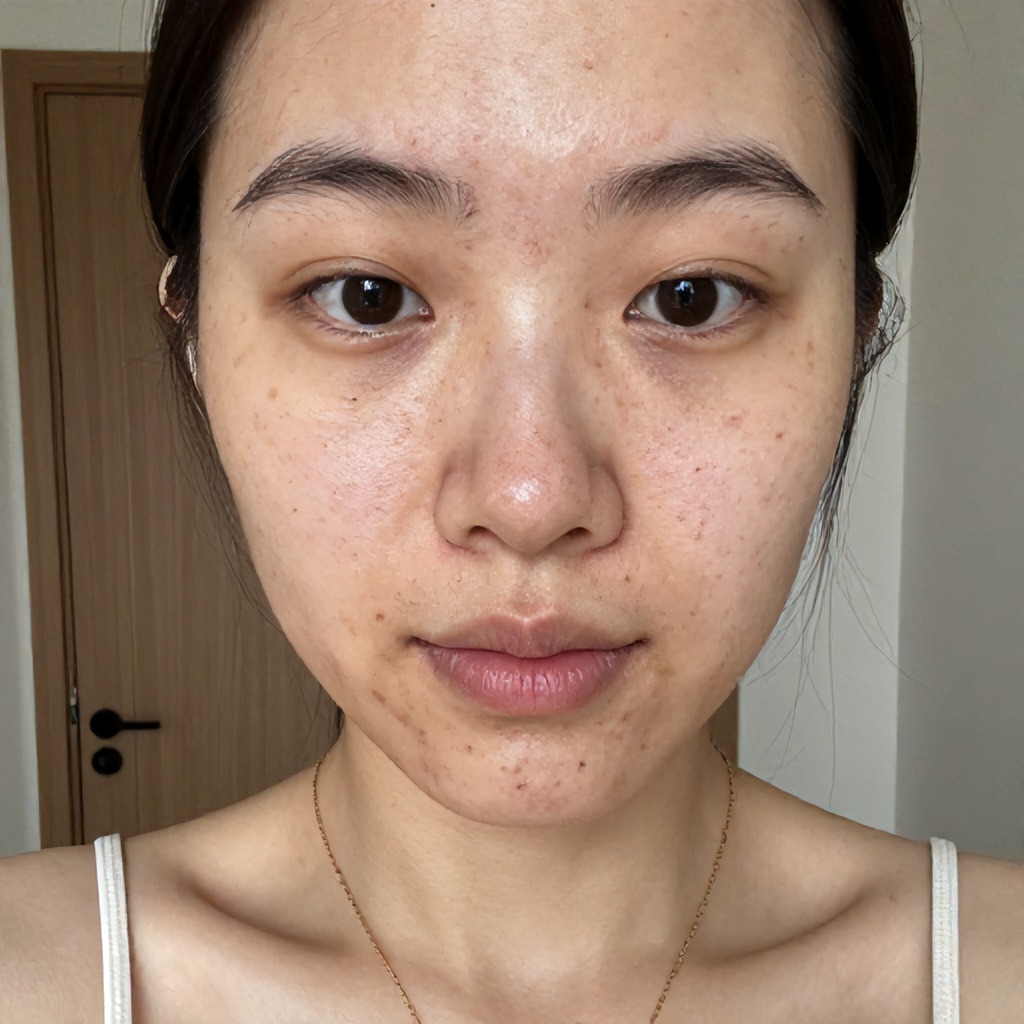
Emotional health also plays a surprising role in skin resilience. Chronic stress keeps the body in a state of fight-or-flight, which can exacerbate hormonal acne and keep the skin in a constant state of inflammation. Acknowledging the impact of your mental state is a vital part of any holistic healing journey.
Georgia reveals the causes of rosacea
- You’re genetically predisposed.
- You’re suffering with skin mites (demedex).
- You had underlying severe inflammation that found a trigger and rosacea is how it shows itself.
- You have gut issues, specifically SIBO (small intestinal bacterial overgrowth), leaky gut or an IBS diagnosis.
- You have built up emotions, anger, resentment, guilt, or self loathing.
Georgia reveals the causes of rosacea
- You’re genetically predisposed.
- You’re suffering with skin mites (demedex).
- You had underlying severe inflammation that found a trigger and rosacea is how it shows itself.
- You have gut issues, specifically SIBO (small intestinal bacterial overgrowth), leaky gut or an IBS diagnosis.
- You have built up emotions, anger, resentment, guilt, or self loathing.
Building a Sustainable Skincare Routine
When your skin is inflamed, the best approach is often the simplest one. Overloading your face with too many active ingredients can strip the moisture barrier and make redness worse. Focus on gentle, fragrance-free products that prioritize hydration and barrier repair. If you are currently experiencing a breakout, resist the urge to scrub or use harsh drying agents. Instead, look for soothing ingredients like ceramides, niacinamide, or colloidal oatmeal.
Consistency is more important than intensity. It takes time for the skin to cycle through its healing phases. You might notice that your skin looks better for a few days, only to have a minor setback. This is a normal part of the process. Keep a journal of your skincare routine, your diet, and your stress levels to help identify patterns. If you notice that your skin flares up after eating certain foods or during high-stress weeks, you have found a valuable piece of the puzzle.


Dietary Adjustments for Inflamed Skin
Food triggers are one of the most common reasons for persistent skin issues. Many people find that reducing inflammatory foods—such as refined sugars, dairy, or processed oils—can calm their complexion significantly. Georgia suggests paying close attention to how your body reacts to specific meals. Keeping a food diary for a few weeks can help you spot connections that you might otherwise miss.
Focus on nutrient-dense, whole foods that support skin health from the inside out. Incorporating healthy fats like omega-3s, found in salmon, walnuts, and flaxseeds, can help reduce systemic inflammation. Antioxidant-rich vegetables, such as leafy greens and berries, provide the vitamins necessary for skin repair. Hydration is equally important; drinking enough water helps your body flush out toxins and keeps your skin cells plump and resilient.
Managing Expectations During Recovery
The most difficult part of any skin transformation is the patience it requires. We live in an era of instant results, but skin healing is a biological process that cannot be rushed. There will be days when you feel discouraged, and that is okay. Acknowledge the frustration, but try to stay focused on the long-term goal of health rather than the short-term goal of perfection.

Remember that your skin does not define your worth. While it is natural to want a clear complexion, the stress of obsessing over every bump or red patch can actually hinder your progress. Practice self-compassion. Treat your skin with the same kindness you would show a friend who is going through a difficult time. By combining professional medical advice with a supportive lifestyle, you can create the right environment for your skin to heal at its own pace.
Next Steps for Your Journey
If you are currently struggling with your skin, start by taking a step back. Review your current routine and identify any products that might be causing irritation. Schedule an appointment with a dermatologist to get a professional assessment of your skin condition. Do not be afraid to ask questions about potential underlying causes, such as gut health or hormonal imbalances.
- Audit your current skincare products to remove harsh exfoliants or fragrances.
- Start a simple log tracking your diet, stress, and skin condition for two weeks.
- Book a consultation with a dermatologist to discuss your specific symptoms.
- Research local practitioners who specialize in holistic health or nutrition to support your internal healing.
- Prioritize sleep and stress management to lower your body’s inflammatory response.
Healing is a personal journey. What worked for Georgia Gibbs may not be the exact path for you, but the principles of patience, professional guidance, and internal support remain the same. Stay consistent, listen to your body, and keep moving forward, even when the progress feels slow. Your skin has an incredible capacity to recover when given the right tools and the right environment.
Finally, remember that the goal is not just to look a certain way, but to feel comfortable and healthy in your own skin. By addressing the root causes of your inflammation, you are investing in your long-term well-being. Take it one day at a time, and celebrate the small victories along the way. Whether it is a reduction in redness or a day without new breakouts, every step forward is a sign that your body is responding to your care.
As you continue your journey, keep an open mind about the different factors that influence your skin. From the environment you live in to the products you use, everything plays a part. By staying informed and working with professionals, you can navigate the complexities of skin health with confidence and clarity. You are not alone in this, and with the right approach, you can find the balance your skin needs to thrive.