
Back acne, often called “bacne,” is a common dermatological condition affecting many adults and adolescents, characterized by breakouts on the upper torso, shoulders, and sometimes the lower back.

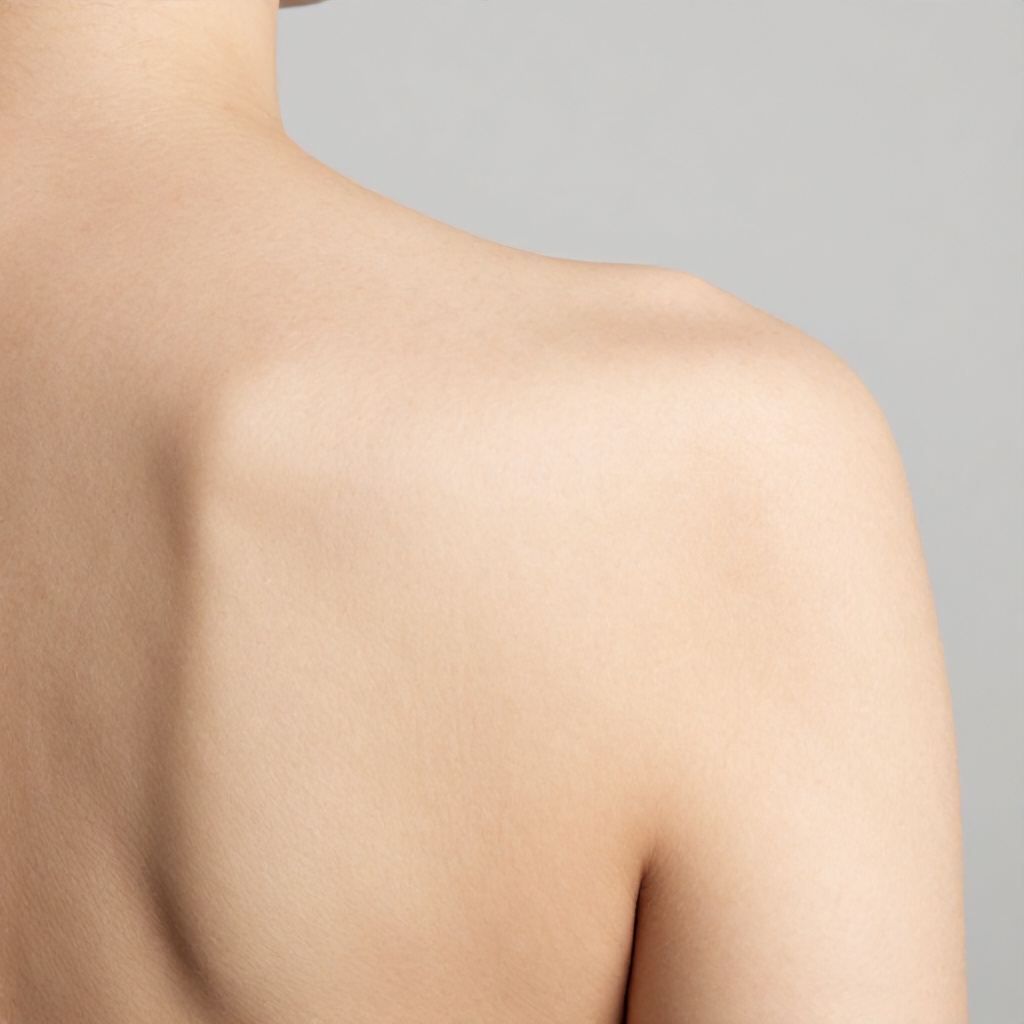
What is Back Acne?
Back acne is essentially acne vulgaris that manifests on the back. It’s not just a cosmetic concern; it’s a genuine skin issue that can cause discomfort, pain, and significant self-consciousness. This condition arises from the same fundamental processes that cause facial acne, but the back’s unique environment, with its larger pores and numerous sebaceous glands, can make it particularly stubborn.
The skin on our back is thicker and has a higher density of hair follicles and oil glands compared to other areas of the body. This makes it a prime location for the development of acne lesions. When these follicles become clogged and inflamed, it leads to the characteristic bumps and blemishes associated with bacne.
Understanding the types of lesions is key to effective acne management. Back acne can present as various forms of inflammatory lesions and non-inflammatory lesions. These can range from small, barely noticeable bumps to large, painful cysts that penetrate deep into the skin, causing significant skin texture irregularities.
Common Types of Back Acne Lesions
-
Comedones: These are the basic building blocks of acne. They can be open (blackheads) or closed (whiteheads). Blackheads appear as small, dark spots due to oxidized sebum and dead skin cells clogging the pore. Whiteheads are flesh-colored or whitish bumps where the pore opening is blocked.
-
Papules: These are small, red, tender bumps that don’t have a pus-filled head. They form when a clogged follicle becomes inflamed.
-
Pustules: Similar to papules, but they have a white or yellowish center of pus. These are often what people refer to as “pimples.”
-
Nodules: Larger, solid, painful lumps that are deeper in the skin than papules and pustules. Nodules result from more significant follicular inflammation and can persist for weeks or months.
-
Cysts: These are large, painful, pus-filled lesions that are even deeper than nodules. Cysts are the most severe form of acne and can cause significant scarring if not treated properly.
Why Does Back Acne Happen? The Root Causes
The development of back acne, like other forms of acne vulgaris, is a complex interplay of several factors. It’s not usually one single cause but a combination that leads to the eruption of blemishes. Understanding these underlying mechanisms is crucial for effective dermatological treatment.
Excess Sebum Production
Our skin naturally produces an oily substance called sebum, which helps keep the skin moisturized and protected. However, an overproduction of sebum is a primary driver of acne. The back has a high concentration of sebaceous glands, making it prone to this issue. Hormonal fluctuations, particularly an increase in androgens (male hormones present in both men and women), can stimulate these glands to produce more oil. This excess sebum creates a greasy environment, perfect for acne development.
When the skin produces too much sebum, it can mix with dead skin cells and other debris, forming a sticky plug within the hair follicle. This plug is the initial step in the formation of a comedone. The consistency of sebum can also play a role; thicker, stickier sebum is more likely to cause blockages.
Clogged Pores (Follicular Occlusion)
Beyond excess oil, the accumulation of dead skin cells is another major contributor to pore congestion. Our skin constantly sheds old cells to make way for new ones. Normally, these dead cells slough off harmlessly. However, sometimes they don’t shed properly and instead get trapped within the hair follicles. When these dead skin cells combine with excess sebum, they form a blockage, leading to follicular occlusion.
This blockage creates an anaerobic (oxygen-poor) environment inside the follicle, which is ideal for the proliferation of certain bacteria. The trapped material also causes irritation and inflammation within the follicle, setting the stage for more visible lesions. This process is a key component of `follicular inflammation` and the development of `skin texture irregularities`.
Bacteria (Cutibacterium acnes)
The skin is home to a variety of bacteria, many of which are harmless or even beneficial. One particular bacterium, formerly known as Propionibacterium acnes and now called Cutibacterium acnes (C. acnes), plays a significant role in acne development. C. acnes naturally lives on the skin and typically doesn’t cause problems.
However, when a hair follicle becomes clogged with sebum and dead skin cells, the C. acnes bacteria trapped inside begin to multiply rapidly. These bacteria feed on the sebum and produce waste products that trigger an immune response in the skin. This response manifests as inflammation, leading to the redness, swelling, and pain associated with papules, pustules, and more severe inflammatory lesions.
Inflammation
Inflammation is the body’s natural response to irritation or infection. In the context of acne, inflammation is a critical factor that transforms a simple clogged pore into a visible, red, and often painful lesion. When the hair follicle becomes blocked and C. acnes bacteria multiply, the body’s immune system sends inflammatory cells to the area to fight off the perceived threat.
This immune response causes the surrounding skin to become red, swollen, and tender. This `epidermal inflammation` is what characterizes papules, pustules, nodules, and cysts. Chronic or severe inflammation can also lead to post-inflammatory hyperpigmentation (dark spots) and permanent scarring, impacting the overall `skin surface texture` and `back skin health`.
Factors That Worsen Back Acne
While the core causes of bacne are consistent, several external and internal factors can exacerbate the condition, making breakouts more frequent or severe. Recognizing these triggers can help in developing a more effective `acne management` strategy.
Genetics
Family history plays a significant role in determining an individual’s susceptibility to acne, including bacne. If your parents or close relatives experienced severe or persistent acne, you are more likely to develop it yourself. This genetic predisposition can influence factors like sebum production levels, the tendency for pores to clog, and the skin’s inflammatory response.
While you can’t change your genes, knowing about a genetic link can help you be proactive with skincare and seek dermatological treatment earlier if needed. It also helps manage expectations regarding the persistence of the condition.
Hormonal Fluctuations
Hormones are powerful regulators of sebum production. Androgens, in particular, stimulate the sebaceous glands. This is why acne often begins during puberty when androgen levels surge in both boys and girls. Other periods of hormonal shifts, such as menstrual cycles, pregnancy, and even significant stress, can trigger or worsen back acne in adults.
For some individuals, conditions like Polycystic Ovary Syndrome (PCOS) can cause hormonal imbalances that lead to persistent acne, including on the back. Addressing these underlying hormonal issues, often with the help of a doctor, can be a vital part of treatment.
Friction and Pressure (Acne Mechanica)
Acne mechanica is a specific type of acne caused by heat, pressure, and friction against the skin. The back is particularly vulnerable to this due to everyday activities. Wearing tight clothing, sports equipment (like shoulder pads or helmets), heavy backpacks, or even sitting for long periods against certain fabrics can irritate hair follicles and trap sweat and bacteria.
This constant rubbing and pressure can lead to `follicular inflammation` and the formation of new lesions. The combination of friction, sweat, and occlusion creates an ideal environment for breakouts, especially for athletes or individuals with physically demanding jobs.
Sweat and Humidity
Sweat itself doesn’t cause acne, but it can contribute to the problem by creating a warm, moist environment that encourages bacterial growth and can lead to pore congestion. When sweat mixes with sebum and dead skin cells, it can further clog pores. High humidity also contributes to this effect, making the skin feel stickier and potentially hindering the natural shedding of dead skin cells.
Exercising, especially in hot weather, or wearing non-breathable fabrics that trap sweat against the skin can significantly worsen bacne. Promptly showering after sweating is a simple yet effective preventative measure.
Certain Medications
Some medications can have acne as a side effect. These include corticosteroids (oral or topical), lithium, certain anticonvulsants, testosterone, and some types of birth control pills. If you suspect a medication is contributing to your back acne, it’s important to discuss this with your doctor. Never stop taking prescribed medication without medical advice.
Dietary Considerations
The link between diet and acne is a topic of ongoing research, and it’s not as straightforward as some popular beliefs suggest. However, some evidence suggests that certain dietary patterns might influence acne severity for some individuals. High glycemic index foods (like refined carbohydrates and sugary drinks) and dairy products have been implicated in some studies, potentially due to their effects on insulin and hormone levels.
While there’s no universal “acne diet,” paying attention to your body’s response to certain foods and maintaining a balanced, whole-food diet rich in fruits, vegetables, and lean proteins can support overall `skin barrier health` and general well-being.
Skincare Products
The products you use on your body, including lotions, sunscreens, and even hair conditioners, can contribute to back acne if they contain comedogenic ingredients. Comedogenic means they are likely to clog pores. Heavy, oily formulations can leave a film on the skin that traps dead skin cells and sebum, leading to breakouts.
Hair products, especially conditioners and styling creams, can also run down the back during showering or throughout the day, depositing pore-clogging ingredients onto the skin. Always look for products labeled “non-comedogenic” or “oil-free” for both your body and hair care routines.
Recognizing Back Acne: Symptoms and Types
Identifying the specific types of lesions on your back can help you and your dermatologist determine the most appropriate course of action. Back acne presents a range of `dermatological symptoms`, from mild bumps to severe, painful cysts.
Non-Inflammatory Lesions
These are the earliest forms of acne and typically don’t involve significant redness or pain, though they can still affect `skin surface texture`.
-
Blackheads (Open Comedones): These appear as small, dark spots on the skin. The pore is open at the surface, and the dark color is not dirt but rather the oxidation of melanin and sebum when exposed to air. They are a clear sign of `pore congestion`.
-
Whiteheads (Closed Comedones): These are small, flesh-colored or whitish bumps. The pore opening is completely blocked by dead skin cells and sebum, preventing the contents from oxidizing.
Inflammatory Lesions
These lesions are characterized by redness, swelling, and often pain, indicating a more significant `skin inflammation` response.
-
Papules: Small, red, tender bumps without a pus head. They occur when a clogged hair follicle becomes inflamed, often due to the presence of C. acnes bacteria. These are typically firm to the touch.
-
Pustules: Similar to papules but with a distinct white or yellowish center of pus. These are what most people think of as “pimples.” They are superficial and usually heal without scarring if not picked or squeezed.
-
Nodules: Larger, solid, painful lumps that develop deep within the skin. They are a more severe form of inflammatory acne, resulting from significant `follicular inflammation`. Nodules can persist for weeks or months and have a higher risk of scarring.
-
Cysts: The most severe type of acne lesion. Cysts are large, soft, painful, pus-filled lumps that are deeply embedded in the skin. They are often interconnected beneath the skin’s surface and can cause extensive tissue damage, leading to severe scarring if left untreated. These require prompt `dermatological treatment`.
Post-Inflammatory Hyperpigmentation (PIH)
After an acne lesion heals, especially an inflammatory one, it can leave behind a dark spot. This is known as post-inflammatory hyperpigmentation. These spots are not true scars but rather a temporary discoloration of the skin, ranging from pink or red to brown or black, depending on your skin tone. PIH can take months to fade on its own, and sometimes requires specific treatments to accelerate the process, improving overall `skin surface texture`.
Scarring
Severe or improperly treated back acne, particularly nodules and cysts, can lead to permanent scarring. Acne scars are changes in the `skin texture irregularities` that remain after the lesion has healed. There are several types of acne scars:
-
Atrophic Scars: These are depressed scars, meaning they create an indentation in the skin. They include ice pick scars (small, deep holes), boxcar scars (round or oval depressions with sharp vertical edges), and rolling scars (broad depressions with sloping edges, giving the skin a wavy appearance).
-
Hypertrophic Scars and Keloids: These are raised scars. Hypertrophic scars are firm, raised bumps that stay within the boundaries of the original acne lesion. Keloids are more aggressive, extending beyond the original lesion’s boundaries and growing larger than the initial spot. Both are more common on the back and chest due to the skin’s tension in these areas.
Effective Treatment Options for Back Acne
Treating back acne often requires a multi-faceted approach, combining topical treatments, oral medications, and sometimes in-office procedures. The best approach depends on the severity of your `dermatological condition` and your individual response to treatments. A `clinical skin assessment` by a dermatologist is often the first step.
Over-the-Counter (OTC) Solutions
For mild to moderate back acne, many effective treatments are available without a prescription. Consistency is key with these products.
-
Benzoyl Peroxide: This is a powerful ingredient that works by killing C. acnes bacteria and helping to shed dead skin cells, preventing `follicular occlusion`. It’s available in various strengths (2.5% to 10%) in washes, creams, and gels. Start with a lower concentration to minimize irritation, as it can bleach fabrics. Apply it to clean, dry skin, allowing it to fully absorb before dressing.
-
Salicylic Acid: A beta-hydroxy acid (BHA) that exfoliates the skin and penetrates oil to unclog pores. It’s particularly effective for blackheads and whiteheads by dissolving the `pore congestion`. Salicylic acid is found in cleansers, toners, and lotions, typically in concentrations from 0.5% to 2%. It’s generally gentler than benzoyl peroxide.
-
Alpha Hydroxy Acids (AHAs) – Glycolic Acid: AHAs like glycolic acid are water-soluble exfoliants that help remove dead skin cells from the skin’s surface, improving `skin surface texture` and preventing blockages. They can also help fade post-inflammatory hyperpigmentation. Available in washes, lotions, and pads, usually in concentrations of 5-10%.
Topical Prescription Medications
When OTC options aren’t enough, a dermatologist can prescribe stronger topical treatments.
-
Topical Retinoids: Derivatives of Vitamin A (e.g., tretinoin, adapalene, tazarotene). These medications work by normalizing cell turnover, preventing `follicular occlusion`, and reducing inflammation. They are highly effective for both inflammatory and non-inflammatory lesions and can also help improve `skin texture irregularities`. Retinoids can cause initial dryness and sensitivity, so they are often introduced gradually.
-
Topical Antibiotics: (e.g., clindamycin, erythromycin). These reduce the amount of C. acnes bacteria on the skin and decrease `skin inflammation`. They are often used in combination with benzoyl peroxide or a topical retinoid to prevent bacterial resistance.
-
Dapsone: A topical gel that has both anti-inflammatory and antibacterial properties. It’s often used for inflammatory acne, particularly in adult women.
Oral Prescription Medications
For more widespread or severe back acne, oral medications may be necessary to address the underlying causes systemically.
-
Oral Antibiotics: (e.g., doxycycline, minocycline, azithromycin). These antibiotics reduce bacteria and `skin inflammation` throughout the body. They are typically prescribed for a limited time to bring severe acne under control, often alongside topical treatments to prevent resistance and maintain results.
-
Hormonal Therapies: For women whose acne is linked to hormonal fluctuations, oral contraceptives (birth control pills) or spironolactone (an anti-androgen medication) can be very effective. These medications work by regulating hormone levels that contribute to `sebum production`.
-
Isotretinoin (Accutane): This is a powerful oral retinoid reserved for severe, stubborn, or scarring acne that hasn’t responded to other treatments. Isotretinoin works by dramatically reducing `sebum production`, normalizing cell shedding, and decreasing inflammation and bacteria. It’s highly effective but comes with significant side effects and requires strict medical monitoring, including regular blood tests and pregnancy prevention programs for women of childbearing potential.
In-Office Procedures
Dermatologists can perform various procedures to complement medical treatments and address specific concerns.
-
Chemical Peels: Professional-strength chemical peels (e.g., salicylic acid, glycolic acid peels) can help exfoliate the skin, unclog pores, reduce `skin inflammation`, and improve `skin texture irregularities` and `hyperpigmentation`. They are typically performed in a series.
-
Extractions: A dermatologist can safely extract stubborn blackheads and whiteheads using sterile tools. This should only be done by a professional to avoid infection and scarring.
-
Laser and Light Therapies: Various laser and light devices can target C. acnes bacteria, reduce `sebum production`, and decrease `skin inflammation`. Some lasers can also help improve acne scars and `hyperpigmentation`.
-
Corticosteroid Injections: For large, painful nodules or cysts, a dermatologist can inject a dilute corticosteroid directly into the lesion. This rapidly reduces `skin inflammation` and pain, helping the lesion shrink and preventing scarring.
Lifestyle Adjustments and Home Care for Back Skin Health
Beyond medical treatments, daily habits and a thoughtful approach to personal care can significantly impact the management of back acne and promote overall `back skin health`.
Shower Immediately After Sweating
This is one of the most crucial steps. After a workout, physical labor, or any activity that causes you to sweat, shower as soon as possible. Sweat can mix with oil and dead skin cells, creating a breeding ground for bacteria and clogging pores. Use a gentle, non-comedogenic body wash, preferably one containing salicylic acid or benzoyl peroxide, to cleanse the skin effectively.
Wear Breathable Fabrics
Opt for loose-fitting clothing made from natural, breathable fabrics like cotton, or moisture-wicking synthetic materials, especially during exercise. These materials allow air to circulate, reducing heat and sweat buildup against the skin. Avoiding tight clothing minimizes `friction` and prevents the trapping of moisture and bacteria, which can exacerbate `upper torso breakouts`.
Avoid Tight Clothing and Backpacks
Tight clothing, sports bras, and heavy backpacks can create constant `friction` and pressure on the back. This can lead to acne mechanica, where the rubbing irritates hair follicles and triggers breakouts. If you must wear a backpack, try to lighten the load or alternate shoulders. Consider carrying a bag by hand when possible to give your back a break.
Choose Non-Comedogenic Products
Scrutinize all products that come into contact with your back. This includes body lotions, sunscreens, massage oils, and even laundry detergents. Look for labels that say “non-comedogenic,” “oil-free,” or “won’t clog pores.” Be particularly mindful of hair conditioners and styling products; rinse them thoroughly and consider washing your body after rinsing your hair to ensure no residue is left on your back.
Laundry Habits
Regularly change and wash your bed sheets, pillowcases, towels, and clothing. These items can accumulate sweat, dead skin cells, bacteria, and product residue, which can then be transferred back to your skin. Washing them frequently with a gentle, fragrance-free detergent can help reduce potential irritants and keep your `back skin health` in check.
Gentle Exfoliation
Regular, gentle exfoliation can help prevent `pore congestion` by removing dead skin cells. You can use a soft back brush, a loofah, or an exfoliating body wash with ingredients like salicylic acid or AHAs. Avoid harsh scrubbing, which can irritate the skin and worsen `skin inflammation`. The goal is to gently encourage cell turnover, not to abrade the skin.
Moisturize
Even acne-prone skin needs moisture. Drying out your skin with harsh treatments can actually trigger more `sebum production` as your skin tries to compensate. Choose a lightweight, non-comedogenic moisturizer to help maintain `skin barrier health`. Apply it after showering to lock in moisture and keep your skin balanced.
Diet and Hydration
While the link between diet and acne is complex, a balanced diet rich in whole foods, fruits, vegetables, and lean proteins can support overall skin health. Staying well-hydrated by drinking plenty of water is also beneficial for skin function and can help with detoxification processes. Focus on nutrient-dense foods and observe if any particular foods seem to trigger your breakouts, then discuss this with your doctor or a registered dietitian.
When to See a Dermatologist
While many cases of back acne can be managed with diligent home care and over-the-counter products, there are times when professional medical intervention is necessary. Knowing when to seek expert advice is a key part of effective `acne management`.
-
Persistent Bacne: If your back acne doesn’t improve after several weeks or months of consistent use of OTC treatments, it’s time to consult a dermatologist. They can offer stronger prescription options and a more targeted `dermatological treatment` plan.
-
Severe Inflammatory Lesions: If you have numerous papules, pustules, or especially painful nodules and cysts, a dermatologist can provide treatments to reduce `skin inflammation` and prevent further damage. These types of lesions are more likely to lead to scarring.
-
Painful Cysts or Nodules: These deep, inflamed lesions can be very uncomfortable and are a strong indicator that you need professional help. A dermatologist can offer injections or oral medications to quickly reduce their size and pain.
-
Concerns About Hyperpigmentation or Scarring: If you’re noticing dark spots (post-inflammatory hyperpigmentation) or changes in `skin surface texture` that suggest scarring, a dermatologist can recommend treatments to fade discoloration and minimize the appearance of scars. Early intervention is crucial for preventing permanent scarring.
-
No Improvement with OTC Treatments: If you’ve faithfully tried various over-the-counter washes, creams, and gels for several weeks without seeing any significant improvement, it’s a clear sign that your `dermatological condition` requires a different approach.
-
A Clinical Skin Assessment is Needed: A dermatologist can perform a thorough `clinical skin assessment` to accurately diagnose the type and severity of your back acne, rule out other skin conditions, and tailor a treatment plan specifically for your needs. They can also discuss potential underlying factors like hormonal imbalances.
Final Thoughts on Managing Back Acne
Managing back acne requires patience, consistency, and often a combination of approaches. It’s a common `dermatological condition`, and you are not alone in dealing with it. The journey to clearer skin might involve some trial and error, but with the right strategy, significant improvement is achievable.
Remember that good `back skin health` is a continuous process. Integrating effective treatments with thoughtful lifestyle adjustments creates a holistic approach to `acne management`. Don’t get discouraged if you don’t see immediate results; skin takes time to respond to treatments.
Prioritizing your skin’s well-being and seeking professional guidance when needed are the most empowering steps you can take. With consistent effort and expert advice, you can achieve a smoother, healthier back and feel more confident in your skin.