
Does Baking Soda and Lemon Actually Get Rid of Blackheads?
Blackheads are those little bumps that pop up when your hair follicles get blocked. They happen when pores get clogged with oil and dead skin cells, and then get exposed to air, causing them to oxidize and turn dark. Think of them as a mild form of acne, often showing up on your nose, chin, or forehead. Sometimes, things like hormonal shifts, certain medications, or even just irritation from dead skin cells piling up can lead to these stubborn little things.

Understanding Blackheads
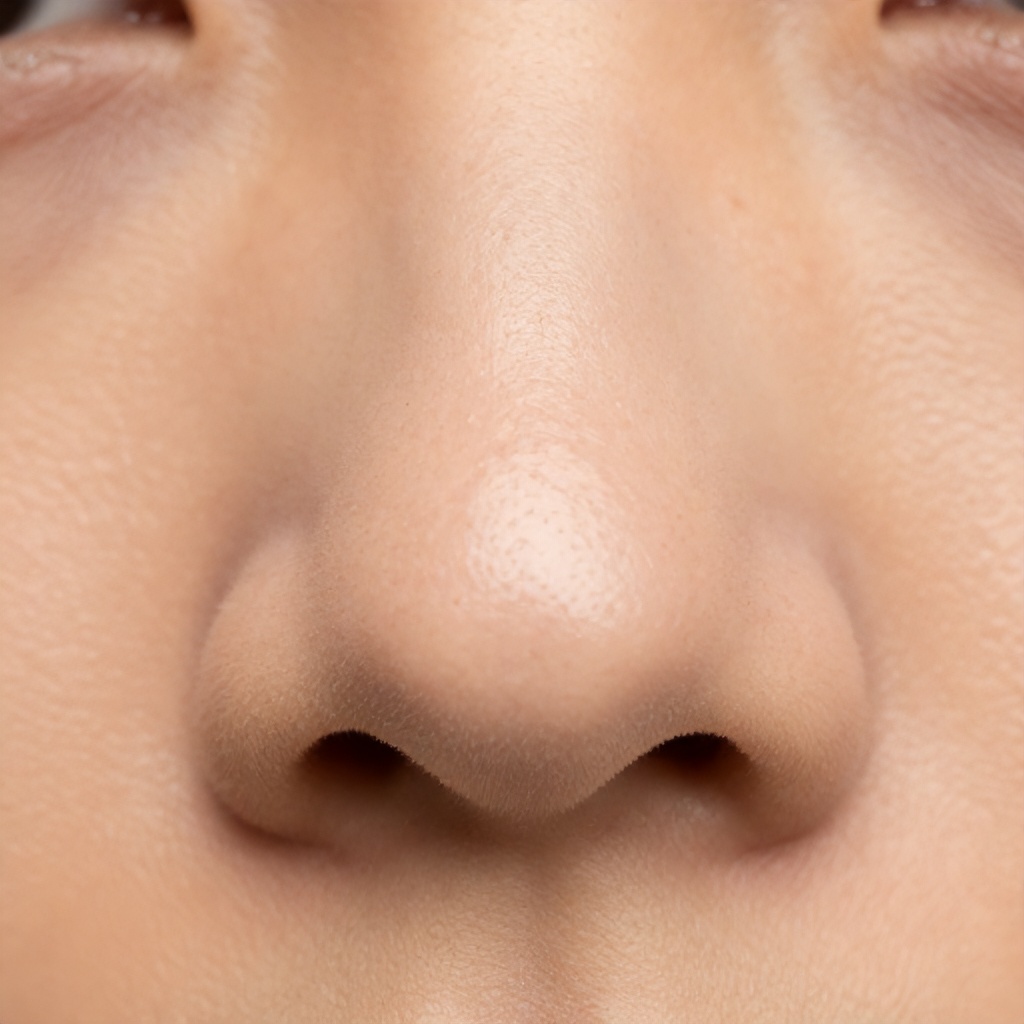
Blackheads are essentially oxidized pores. Your skin has tiny openings called pores, which are the openings to your hair follicles. These follicles produce sebum, an oil that keeps your skin moisturized. When excess oil, dead skin cells, and sometimes dirt get trapped in these pores, they can become clogged. If this mixture is exposed to the air, it oxidizes and turns black, hence the name “blackhead.” This is different from dirt being stuck in your pores; it’s the reaction of the trapped material with oxygen.
Several factors can contribute to the formation of blackheads. Hormonal changes, common during puberty or pregnancy, can increase oil production. Certain medications might have side effects that affect your skin’s oil balance. Even irritation from dead skin cells that aren’t shedding properly can lead to clogged pores. Understanding these causes is the first step to tackling them.
The Baking Soda and Lemon Approach for Blackheads
You might have heard about using a baking soda and lemon juice mixture as a home remedy for blackheads. Let’s break down what each ingredient is supposed to do and if it really works.
Baking Soda’s Role
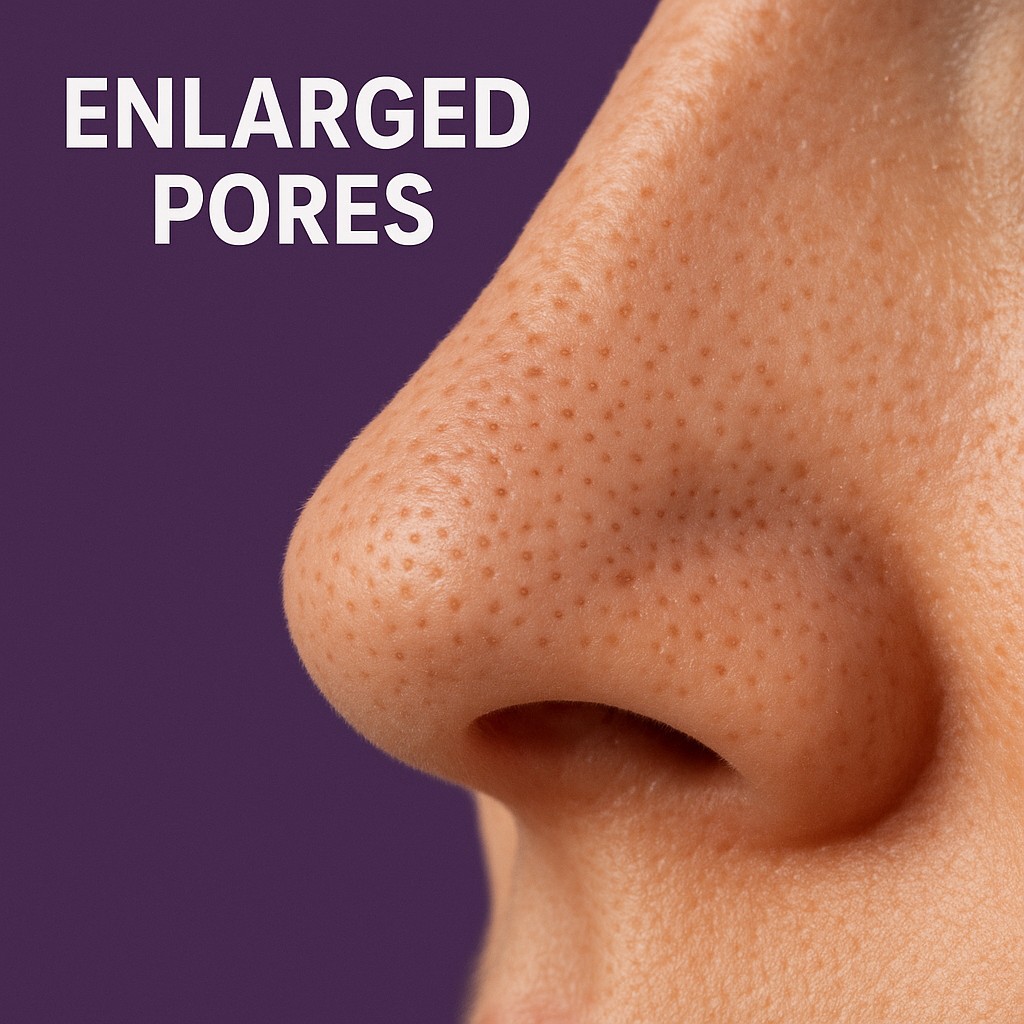
Baking soda, also known as sodium bicarbonate, is a mild abrasive. When used in a paste, it’s thought to help exfoliate the skin, removing dead skin cells that can contribute to clogged pores. The idea is that by unclogging pores of dead skin, it leaves the skin feeling softer and smoother. Some also suggest that baking soda can help neutralize the skin’s pH level, which might lead to less oil production. This could theoretically help prevent new blackheads from forming.
Lemon Juice’s Contribution
Lemon juice is acidic and contains citric acid, an alpha-hydroxy acid (AHA). AHAs are known for their exfoliating properties. Lemon juice is believed to penetrate the skin to help break down the mixture of excess oil and dirt in pores. It’s also packed with vitamin C and other essential vitamins, which are good for overall skin health. Because of these components, it’s often considered suitable for various skin types, though its acidity is a key point to consider.
The DIY Paste Mixture
If you’re curious to try this home remedy, here’s a common way to prepare and use it:
- Gather your ingredients: You’ll need about 1 teaspoon of baking soda and half a teaspoon of fresh lemon juice.
- Create the paste: Mix the baking soda and lemon juice together in a small bowl until you form a thick paste.
- Application: Gently apply this paste directly onto the areas where you have blackheads.
- Let it dry: Allow the paste to sit on your skin until it dries, which usually takes a few minutes.
- Rinse off: Wash the mixture off thoroughly with lukewarm water.
- Frequency: It’s generally recommended to use this treatment only once a week to avoid over-exfoliating or irritating your skin.
The supposed benefits are that the baking soda helps slough off dead skin cells, while the lemon juice works to open up those clogged pores and potentially tighten them, making them less likely to get blocked again. It’s a two-pronged attack on those stubborn blackheads.
Important Precautions and Potential Side Effects
While the baking soda and lemon mixture might sound appealing, it’s really important to be aware of the potential dangers and take precautions. This isn’t a one-size-fits-all solution, and some people can experience negative side effects.
Dangers and Precautions
- Sun Sensitivity: Lemon juice can make your skin more sensitive to the sun. If you use this remedy, it’s crucial to avoid direct sun exposure afterward. If you must go outside, apply a broad-spectrum sunscreen lotion with a high SPF to protect your skin from harmful UV rays.
- Skin Patch Test: Before applying the mixture to your entire face, always perform a skin patch test. Apply a small amount to an inconspicuous area (like behind your ear or on your inner arm) and wait 24 hours to check for any signs of an allergic reaction or adverse side effects. This is especially important if you have sensitive skin.
- Avoid Scrubbing and Squeezing: Resist the urge to scrub the paste into your skin vigorously or to squeeze your blackheads. Both actions can cause significant skin irritation, inflammation, and potentially worsen the problem, leading to more breakouts or even scarring.
- Prevent Excessive Drying: Baking soda and lemon juice can be drying to the skin. Over-drying your skin can actually trigger your sebaceous glands to produce even more oil in an attempt to compensate, which can lead to more clogged pores and breakouts.
Adding Honey to the Mix?
Some variations of this home remedy include honey. Honey is often praised for its skin benefits, and when combined with baking soda and lemon, it’s thought to offer a more balanced approach.

Honey’s Skin-Loving Properties
Honey is a natural humectant, meaning it draws moisture to the skin, helping with skin hydration. It also possesses natural anti-bacterial, anti-oxidant, and antiseptic properties. These qualities are beneficial for fighting the bacteria that can contribute to acne and for promoting overall skin health. Some believe honey can also have a skin-tightening effect, which might help pores appear smaller, acting as a pore minimizer.
The Baking Soda, Lemon, and Honey Paste
Here’s how you might prepare and use this enhanced mixture:
- Ingredients: You’ll need 1 tablespoon of honey, 1 tablespoon of fresh lemon juice, and 1 tablespoon of baking soda.
- Mixing: Combine all three ingredients in a clean glass bowl and mix them thoroughly until you have a consistent paste.
- Application: Apply the paste evenly to your face and neck, avoiding the delicate eye area.
- Duration: Leave the mask on for a maximum of 15 minutes.
- Removal: Rinse off the mask completely with lukewarm water.
- Frequency: Like the simpler version, limit this treatment to once a week.
The benefits of this trio are multifaceted. Honey’s anti-bacterial properties can help reduce bacteria in pores, while its moisturizing and soothing effect makes it a good option for dry and sensitive skin types. Lemon, as mentioned, can help brighten the skin and fight signs of aging. Together, they aim to cleanse, hydrate, and potentially improve skin clarity.

Who Should Steer Clear of Baking Soda on Blackheads?
While baking soda might seem like a simple kitchen staple, it’s not suitable for everyone’s skin, especially when used in a DIY skincare concoction. Baking soda has an alkaline pH (around 9), while healthy skin has an acidic pH (around 4.5-5.5). Applying an alkaline substance like baking soda can disrupt your skin’s natural pH balance.
Who Shouldn’t Use Baking Soda on Blackheads?
- Those with Dry Skin: Baking soda can strip the skin of its natural oils, leading to excessive dryness, flakiness, and discomfort.
- Individuals with Sensitive Skin: The abrasive nature of baking soda and the acidity of lemon juice can easily irritate sensitive skin, causing redness, itching, and burning sensations.
- People Prone to Dermatitis: If you have conditions like dermatitis or eczema, using baking soda can exacerbate these inflammatory skin conditions and trigger flare-ups.
- Anyone with Compromised Skin Barrier: If your skin barrier is already weakened due to over-exfoliation, harsh products, or environmental factors, baking soda can cause further damage.
Disrupting your skin’s pH level can weaken its natural defenses, making it more susceptible to irritation, infection, and premature aging signs. If your skin feels tight, red, or irritated after using this remedy, it’s a clear sign that it’s not agreeing with your skin type.
The Verdict: Effective or Just a Home Remedy?
So, does the baking soda and lemon concoction effectively remove blackheads? The short answer is: it’s complicated and often not the best approach.
While baking soda can act as a physical exfoliant and lemon juice contains acids that can help shed dead skin cells, these ingredients are harsh. The alkalinity of baking soda can significantly disrupt your skin’s natural pH balance, leading to dryness, irritation, and a weakened skin barrier. Lemon juice, while an acid, can also be too potent for direct application, potentially causing photosensitivity and irritation, especially for sensitive skin types or those prone to dermatitis.
The “unclogging” effect might be temporary, and the potential for skin irritation, excessive drying, and even stimulating more oil production (as your skin tries to rebalance) often outweighs the benefits. Instead of truly clearing out clogged pores, you might be causing more harm than good.
Better Skincare Habits for Blackhead Prevention
Focusing on consistent, gentle skincare habits is a more reliable way to manage blackheads and achieve skin clarity. These practices help keep your pores clean and prevent future blockages.
Tips for Managing Blackheads
- Gentle Cleansing: Wash your face twice daily with a mild, pH-balanced cleanser. This removes excess oil, dirt in pores, and dead skin cells without stripping your skin.
- Exfoliation: Incorporate a chemical exfoliant containing ingredients like salicylic acid (a beta-hydroxy acid, or BHA) or glycolic acid (an AHA). Salicylic acid is particularly effective because it’s oil-soluble and can penetrate into the pore to break down blockages.
- Clay Masks: Use a clay mask once or twice a week. Clay helps to absorb excess oil and draw impurities from the pores, acting as a gentle pore minimizer.
- Non-Comedogenic Products: Choose makeup and skincare products labeled “non-comedogenic,” meaning they are formulated not to clog pores.
- Retinoids: Over-the-counter retinoids (like retinol) or prescription retinoids can be very effective for blackheads. They help speed up cell turnover, preventing dead skin cells from clogging pores.
- Moisturize: Even oily skin needs hydration. Use a lightweight, oil-free moisturizer to keep your skin balanced and prevent it from producing more oil.
- Avoid Touching Your Face: Try not to touch your face unnecessarily, as this can transfer bacteria and dirt to your pores.
Building these consistent skincare habits is key to maintaining clear skin and preventing future blackheads, rather than relying on potentially harsh home remedies.