Blackhead Removal and Pore Minimizing: A Real-World Look
Achieving smoother, clearer skin often hinges on tackling those stubborn blackheads and refining the appearance of enlarged pores. This isn’t just about aesthetics; it’s about improving overall skin condition and confidence. We’re going to explore what effective blackhead removal and pore minimizing treatments can realistically do, showing you the kind of results you can expect.

Understanding Blackheads and Pores
Before we get to the before and after, let’s quickly touch on what we’re dealing with. Blackheads, scientifically known as open comedones, are essentially clogged pores. The pore gets filled with excess sebum (skin oil), dead skin cells, and sometimes bacteria. When this mixture is exposed to air, it oxidizes and turns dark, hence the “blackhead” appearance. They’re not dirt, despite what many people think. Prominent pores, on the other hand, can be caused by genetics, aging, sun damage, and the natural accumulation of sebum and debris within them, making them appear larger and more noticeable.
These issues often go hand-in-hand. Clogged pores can stretch over time, leading to the appearance of larger pores. Addressing both blackhead removal and pore minimizing is key for a truly improved complexion.
The Goal: What to Expect from Treatment
The aim of any good skin treatment for these concerns is multi-faceted. Primarily, we want to effectively extract or dissolve those sebum plugs and dead skin cells that form blackheads. This leads to immediate visual improvement, making the skin appear cleaner and less congested. Simultaneously, treatments that focus on pore minimizing work to tighten the skin around the pore opening, reduce inflammation, and clear out debris that contributes to pore stretching. The ultimate goal is a smoother texture, a clearer appearance, and a reduction in the visibility of prominent pores.
It’s important to set realistic expectations. While significant improvements are achievable, completely eliminating pores is impossible – nor is it desirable, as pores are essential for skin function. The focus is on refinement and making them less noticeable.
Methods for Blackhead Removal and Pore Minimizing
There’s a spectrum of approaches, from at-home care to professional dermatology interventions. Each has its place depending on the severity of the skin condition and individual needs. Understanding these methods helps in appreciating the ‘after’ results.
At-Home Treatments
Many people start their journey with over-the-counter products and DIY methods. These can be effective for mild to moderate cases.
- Exfoliation: Chemical exfoliants like salicylic acid (a beta-hydroxy acid, or BHA) are fantastic for blackhead removal because they are oil-soluble and can penetrate into the pore to break down sebum and dead skin cells. Alpha-hydroxy acids (AHAs) like glycolic and lactic acid work on the skin’s surface, helping to shed dead skin cells and improve texture, which indirectly aids in pore appearance. Physical exfoliants, like gentle scrubs, can also help remove surface debris, but caution is advised to avoid irritation.
- Clay Masks: These are excellent for drawing out impurities and excess oil from the pores. They can temporarily tighten the appearance of pores and leave the skin feeling cleaner.
- Retinoids: Over-the-counter retinols can help increase cell turnover, preventing pores from becoming clogged in the first place. They also have long-term benefits for skin texture and can contribute to pore refinement.
- Pore Strips: While satisfying to see what they pull out, pore strips offer a temporary fix. They remove the top layer of the blackhead but don’t address the underlying cause and can sometimes irritate the skin or even damage capillaries if used too aggressively.
Professional Treatments
For more stubborn issues or when seeking more dramatic results, professional treatments offer a higher level of efficacy.
- Facial Extractions: Performed by estheticians or dermatologists, these involve manually and carefully removing blackheads and other comedones. This is a direct method of blackhead removal that yields immediate visible results.
- Chemical Peels: Stronger concentrations of AHAs and BHAs are used in professional peels. These can deeply exfoliate the skin, unclog pores, and stimulate collagen production, leading to improved skin texture and pore appearance over time.
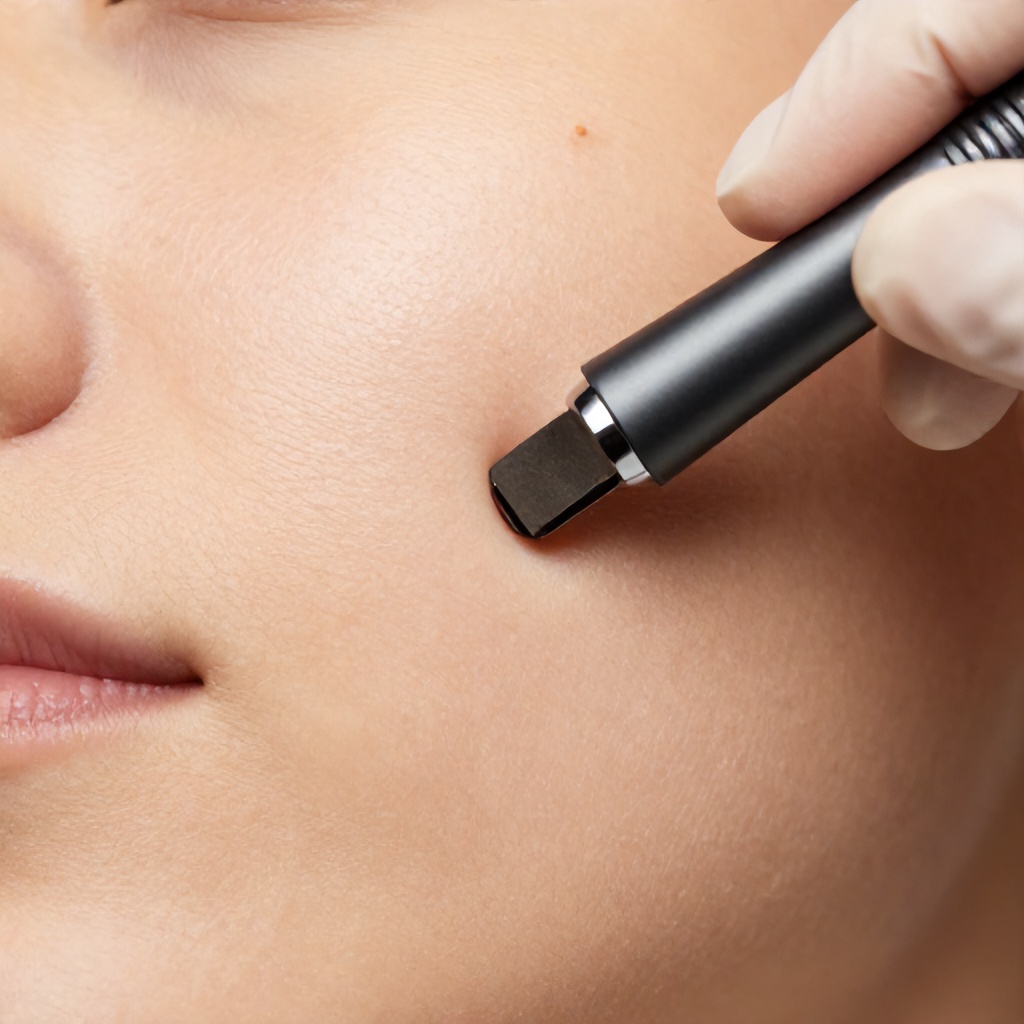
- Microdermabrasion: This procedure uses a device to gently exfoliate the outer layer of skin, removing dead skin cells and debris. It can help to smooth skin texture and make pores appear smaller.
- Facial Treatments with Advanced Technologies: Some aesthetic treatments incorporate devices like micro-needling or certain types of lasers. These can stimulate collagen, tighten skin, and improve overall pore structure and skin rejuvenation.
- Prescription Medications: In cases of severe acne contributing to clogged pores and inflammation, a dermatologist might prescribe stronger retinoids or other medications.
The “Before” Picture: Common Concerns
Let’s visualize the “before.” Imagine a close-up view of the nose skin, perhaps the T-zone area. You’d likely see small, dark dots – the blackheads, which are sebum plugs. These are often accompanied by visibly enlarged pores, sometimes appearing like tiny craters or tunnels. The skin texture might feel a bit rough or uneven. There could be a general dullness, and perhaps even some lingering dark spots from past blemishes. The overall complexion might lack that smooth, refined look. Prominent pores are a key feature here, making the skin appear less uniform.
This is the starting point for many seeking effective skin treatment. It’s a common skin condition that affects a wide range of people, regardless of age or skin type. The frustration often stems from the persistent nature of these issues and the difficulty in achieving a truly clearer appearance with casual skincare alone.
The “After” Picture: Visible Transformations
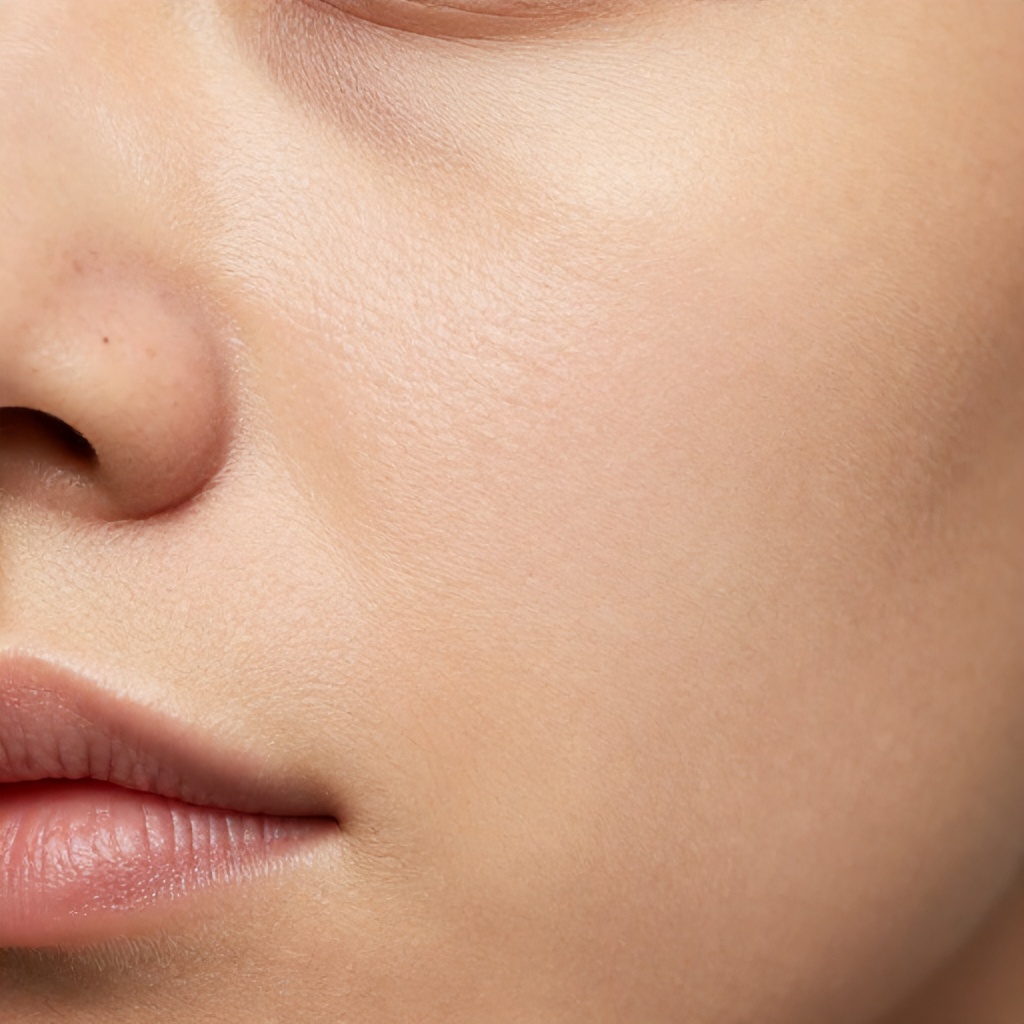
Now, let’s look at the potential “after.” The difference can be quite striking. The most immediate change is the absence of visible blackheads. Those dark spots are gone, replaced by smooth skin. The pores themselves appear significantly refined. Instead of gaping openings, they look tighter, smaller, and less noticeable. The skin texture is noticeably smoother, with a more even and refined appearance. The overall complexion looks brighter and more uniform, with a reduction in the appearance of blemishes and dark spots.
A side-by-side presentation of clinical photographs truly highlights the impact. You’d see the reduction in the depth and width of pores. The skin might appear less oily and congested. The smoother texture is palpable, even in an image. It’s not just about removing blackheads; it’s about achieving a healthier, more balanced skin condition. This improved appearance contributes greatly to enhanced confidence and a more positive self-image. It’s a transformation that goes beyond surface-level changes, reflecting a healthier underlying skin structure.
Comparing Approaches: What Works Best?
The effectiveness of a “before and after” comparison depends heavily on the chosen treatment. A simple pore strip might show a temporary “after” with less visible blackhead tops, but the underlying pore structure remains unchanged. Professional treatments, especially those focusing on exfoliation, collagen stimulation, and deep pore cleansing, offer more profound and lasting results.
For instance, a series of chemical peels or microdermabrasion sessions, combined with a consistent at-home retinoid and salicylic acid regimen, can yield dramatic improvements in both blackhead removal and pore minimizing. The “after” in such cases shows not just a clean surface but a fundamentally improved skin texture and pore health. The key is often a combination of treatments tailored to the individual’s specific skin needs and concerns.
Dermatology offers the most advanced and targeted solutions. Treatments like fractional laser resurfacing, while more intensive, can profoundly alter skin texture, stimulate collagen, and significantly reduce pore size and the appearance of comedones. These are the treatments that deliver the most dramatic “before and after” transformations, often addressing multiple skin concerns simultaneously, including blemish removal and skin rejuvenation.
Maintaining Your Results
The journey doesn’t end after achieving your “after” results. Consistent pore care is essential to maintain the improvements. This includes:
- Daily Cleansing: Use a gentle cleanser to remove daily impurities and excess oil.
- Regular Exfoliation: Continue using chemical exfoliants like salicylic acid a few times a week to keep pores clear.
- Sun Protection: Sun damage can worsen pore appearance and skin texture, so daily SPF is non-negotiable.
- Healthy Lifestyle: Hydration, a balanced diet, and adequate sleep all contribute to overall skin health.
- Targeted Treatments: Periodically revisit professional treatments or use targeted masks to keep concerns at bay.
Maintaining a consistent facial skincare routine is the bedrock of long-term success. It prevents the recurrence of clogged pores and helps keep the skin looking its best. This proactive approach ensures that the “after” state becomes your new normal, rather than a fleeting moment.
Conclusion: The Power of Targeted Care
The comparison between “before” and “after” treatments for blackhead removal and pore minimizing showcases the significant impact that targeted skincare and professional interventions can have. From addressing stubborn sebum plugs to refining the appearance of prominent pores, the goal is always a smoother, clearer, and more confident complexion. Understanding the mechanisms behind these issues and the various treatment options available empowers you to make informed decisions about your skin health. The journey to better skin is often one of patience and consistency, but the visible results can be truly rewarding.