
10 Daily Habits for a Longer, Healthier Life
Focusing on small, consistent actions can lead to significant longevity benefits, helping you enjoy more healthy, happy years.


Life expectancy in the United States hovers just above 79 years. But how do you ensure those years are filled with health and happiness? Dan Buettner, the visionary behind the Blue Zones philosophy and research, offers practical insights. Buettner, a National Geographic fellow and explorer, along with being an Emmy Award-winning journalist and producer, has authored five best-selling books exploring this very topic.
The Blue Zones concept isn’t just about dry research; it’s about embracing a vibrant lifestyle. Buettner’s work stems from his expeditions to the world’s five Blue Zones – regions renowned for having the highest concentrations of people who reach their 100th birthdays. His findings span a wide spectrum, from dietary choices to social connections and the environmental factors that shape our daily lives. While some of these ideas might seem large or abstract, Buettner distills them into manageable, actionable steps you can integrate into your routine, as detailed in his book, “The Blue Zones Solution: Eating and Living Like the World’s Healthiest People.”
There are countless paths to good health, and the Blue Zones are a testament to this diversity. Yet, certain principles consistently emerge. Here are 10 daily habits that experts recommend to help you live a longer, healthier life.

1. Keep Your Water Bottle Handy
Proper hydration is fundamental for countless bodily functions, supporting everything from brain and heart health to joint mobility. A simple, effective, and eco-friendly way to boost your water intake is by carrying a reusable water bottle with you throughout the day. Dr. Ellsworth Wareham, a 98-year-old member of the Seventh-day Adventist community in Loma Linda, California, a recognized Blue Zone, shared in an interview that he never misses an opportunity to refill his water bottle.
Tip: Set a reminder on your phone to take sips of water every hour. This simple prompt can make a big difference in your daily hydration levels.
2. Embrace the 80% Rule
In Okinawa, Japan, another area celebrated for its high concentration of centenarians, particularly female centenarians, a principle known as “hara hachi bu” is practiced. This concept, rooted in a Confucian-inspired adage, serves as a gentle reminder to stop eating when you feel approximately 80% full. It’s about recognizing the feeling of being no longer hungry, rather than pushing until you’re completely stuffed. This mindful approach to eating can contribute significantly to maintaining a healthy weight and improving digestive health, key factors for longevity benefits.
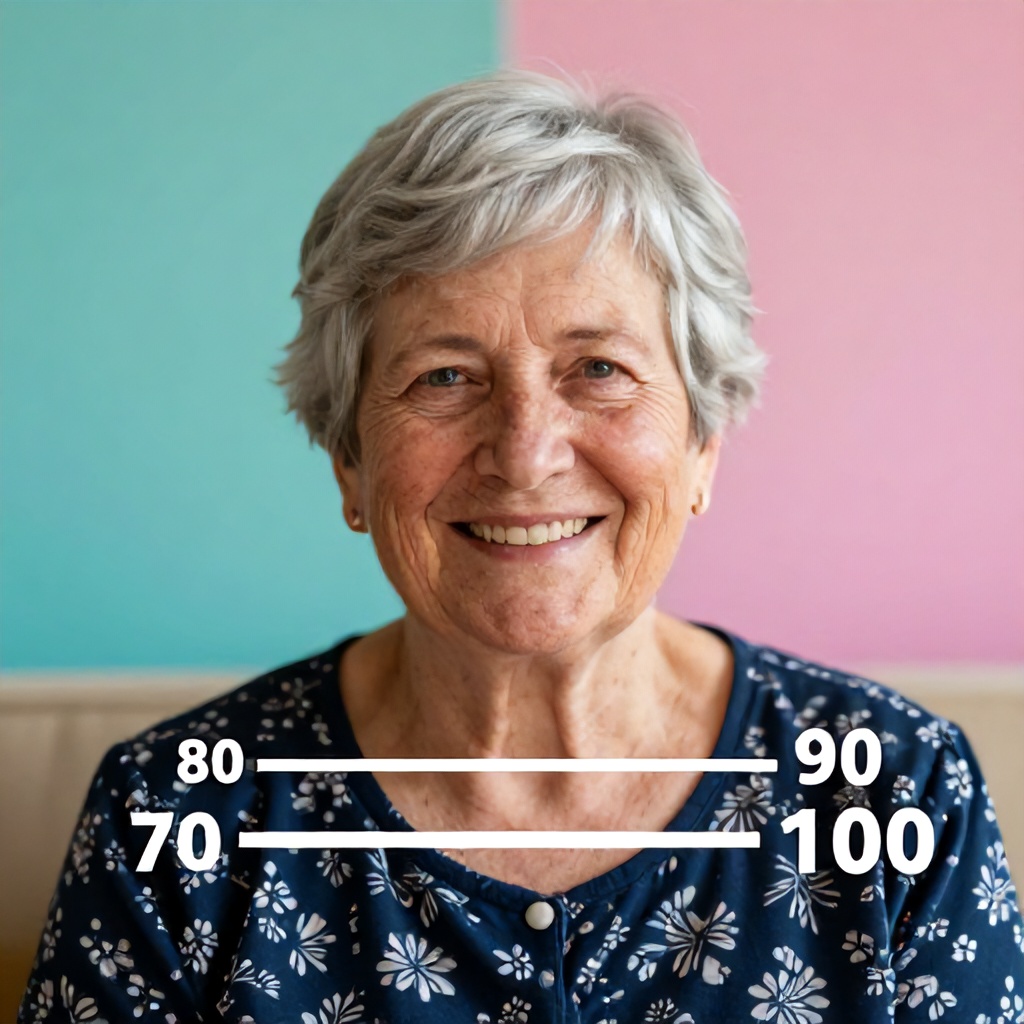
This dietary factor is more about listening to your body’s cues than strict calorie counting. By practicing hara hachi bu, individuals in these Blue Zones tend to consume fewer calories overall without feeling deprived. This practice is a cornerstone of their healthy lifestyle.
3. Move Your Body Naturally
Centenarians in Blue Zones don’t typically spend hours in a gym. Instead, their daily lives are naturally infused with physical activity. This might involve walking to the store, gardening, or doing household chores. The key is consistent, low-intensity movement integrated into everyday routines. Think about incorporating more walking into your commute, taking the stairs instead of the elevator, or even just stretching throughout the day.
This type of natural movement helps maintain muscle mass, improves cardiovascular health, and keeps joints flexible, all contributing to a longer healthier life. It’s about making movement a non-negotiable part of your day, not a chore.

4. Connect with Others Daily
Strong social ties are a powerful predictor of longevity. The Blue Zones philosophy emphasizes the importance of community and meaningful relationships. Whether it’s a daily phone call with a friend, a regular coffee date with neighbors, or spending quality time with family, nurturing your social connections is vital. This social interaction combats loneliness and stress, both of which can negatively impact health over time.
In communities like the Seventh-day Adventists in Loma Linda, California, faith-based gatherings and family meals are central to their social fabric. These regular interactions provide emotional support and a sense of belonging, contributing to overall well-being and healthy happy years.
5. Find Your Purpose
Having a sense of purpose, often referred to as “ikigai” in Japan, is strongly linked to a longer life. This is the reason you wake up in the morning. It could be raising a family, pursuing a passion, volunteering, or contributing to your community. Knowing your purpose provides motivation and a sense of fulfillment, which can have profound effects on your mental and physical health.

Identifying your “why” can be a deeply personal journey, but even small acts of contribution or engagement with things you care about can foster this sense of purpose. It’s about feeling that your life has meaning beyond just existing.
6. Prioritize Plant-Based Foods
The diets in Blue Zones are predominantly plant-based. This means a heavy emphasis on fruits, vegetables, whole grains, beans, and nuts. While meat is consumed, it’s typically in small portions and infrequently. Incorporating more plant-based meals into your week can significantly improve your health. These foods are rich in fiber, vitamins, minerals, and antioxidants, which are crucial for preventing chronic diseases and supporting bodily functions.
Think about making beans a staple, adding a variety of colorful vegetables to every meal, and choosing whole grains over refined options. These dietary factors are consistently found among centenarians worldwide.
7. Practice Mindful Eating
Beyond the 80% rule, mindfulness extends to how you approach your meals. Eating slowly, savoring each bite, and paying attention to your food without distractions can improve digestion and satisfaction. This means putting away your phone, turning off the TV, and focusing on the experience of eating. This practice helps you better recognize your body’s hunger and fullness cues, reinforcing the benefits of the hara hachi bu principle.
Mindful eating isn’t just about what you eat, but how you eat it. It transforms mealtime from a rushed necessity into a moment of conscious nourishment.
8. Incorporate Stress Reduction Techniques
Chronic stress can take a significant toll on your health. People in Blue Zones have developed daily rituals to manage stress. This might include prayer, meditation, napping, or simply taking a few moments to relax and reflect. Finding a stress-reduction technique that works for you and making it a daily habit is essential for long-term well-being.
Even five to ten minutes of deep breathing or quiet reflection can make a difference in managing the pressures of modern life. These practices are as important for longevity benefits as any physical activity.
9. Drink Water, Not Sugary Beverages
As mentioned earlier, hydration is key. However, what you drink matters just as much as how much. Blue Zone inhabitants primarily drink water, tea, and coffee. They largely avoid sugary drinks, which contribute to weight gain, inflammation, and an increased risk of chronic diseases. Choosing water over soda, sweetened juices, and energy drinks is a simple yet powerful habit for a longer healthier life.
Warning: Be mindful of added sugars in beverages like sports drinks and flavored coffees. Opt for plain water, unsweetened tea, or black coffee whenever possible.
10. Get Enough Sleep
Adequate, quality sleep is non-negotiable for physical and mental restoration. While the exact amount varies by individual, most adults need 7-9 hours of sleep per night. During sleep, your body repairs tissues, consolidates memories, and regulates hormones. Prioritizing sleep is a fundamental aspect of a healthy lifestyle that supports longevity.
Establishing a consistent sleep schedule, creating a relaxing bedtime routine, and ensuring your bedroom is dark and quiet can significantly improve your sleep quality. This is a critical component for maintaining optimal bodily functions.
Frequently Asked Questions
What are the Blue Zones?
The Blue Zones are specific geographical regions around the world where people live significantly longer and healthier lives than average. These areas have the highest concentration of centenarians. Examples include Okinawa, Japan; Sardinia, Italy; Nicoya Peninsula, Costa Rica; Ikaria, Greece; and Loma Linda, California.
How does social interaction contribute to longevity?
Strong social connections provide emotional support, reduce stress, and promote a sense of belonging. Studies show that people with robust social networks tend to live longer and have better overall health outcomes. Social interaction is a key pillar of the Blue Zones philosophy.
Are there specific dietary factors that experts highlight for a longer life?
Yes, experts consistently point to diets rich in plant-based foods, including fruits, vegetables, whole grains, and legumes. Limiting processed foods, red meat, and added sugars is also crucial. The “hara hachi bu” principle, or eating until 80% full, is another significant dietary factor observed in longevity hotspots.
What are some environmental factors that impact a longer, healthier life?
Environmental factors can include access to green spaces for walking and recreation, clean air and water, and community design that encourages physical activity and social interaction. Living in environments that support healthy habits naturally promotes a longer healthier life.
Can I really live to 100 by adopting these habits?
While genetics play a role, adopting these lifestyle habits significantly increases your chances of not only living longer but also living healthier, happier years. These are actionable steps that contribute to overall well-being and can extend your healthy lifespan.