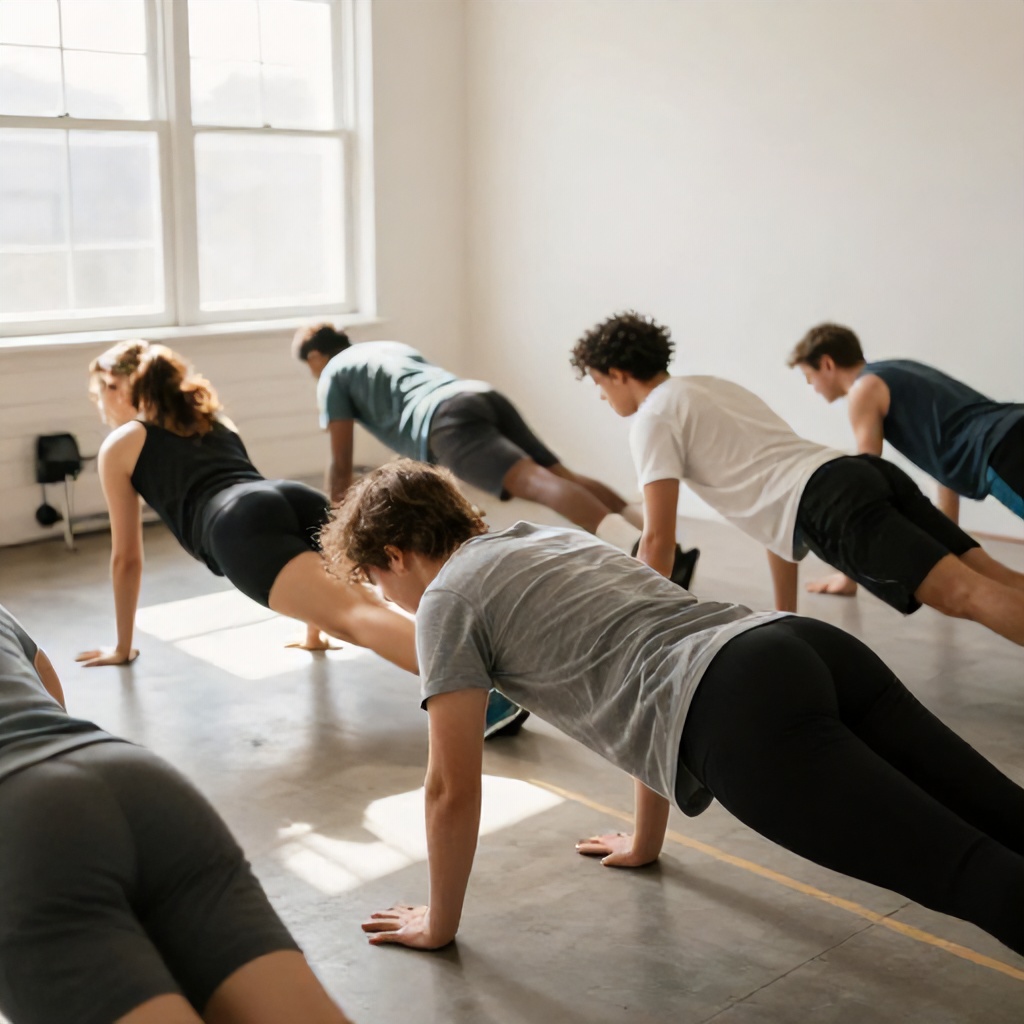
Suspension training offers an incredibly effective way to achieve a full body workout using just a set of straps, engaging your core and stabilizing muscles with every movement for comprehensive strength and body conditioning.

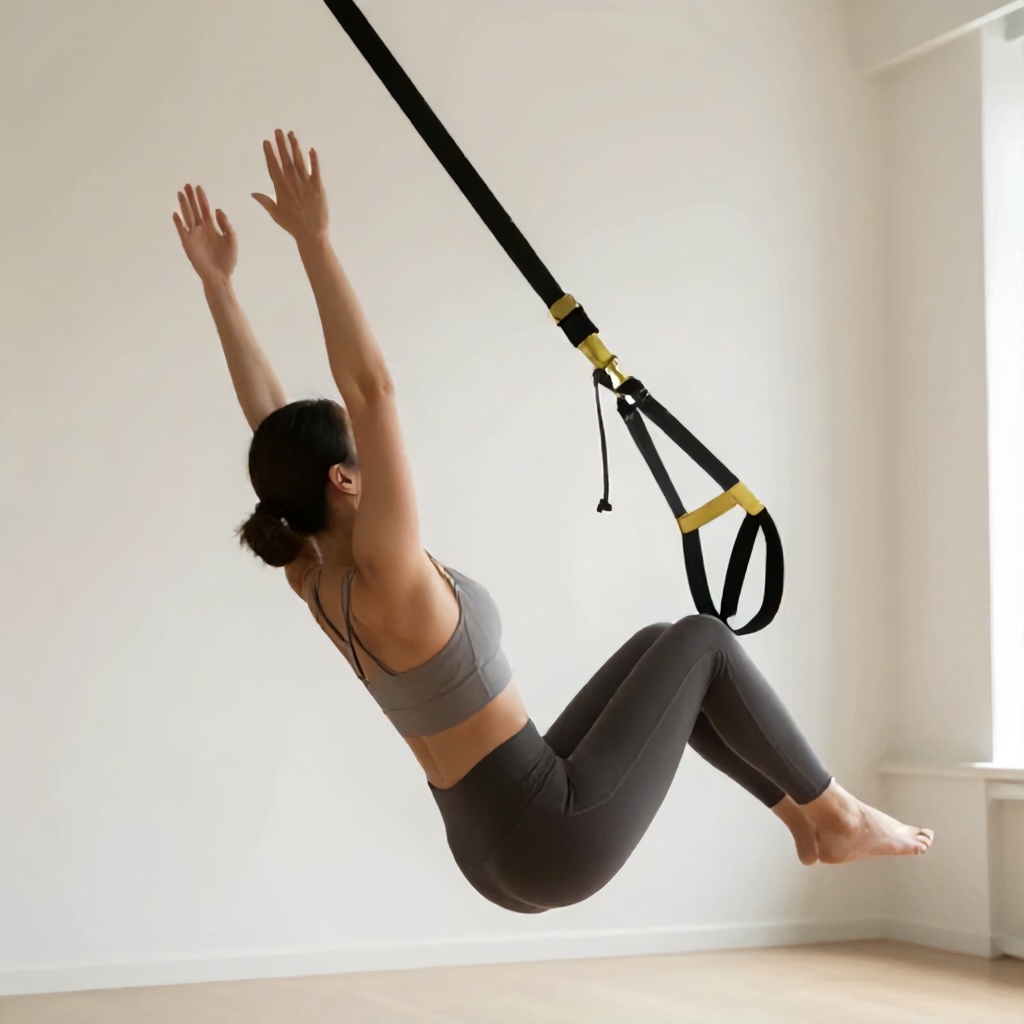
Why Suspension Training Rocks for a Full Body Workout
Working out with suspension straps is a game-changer for anyone looking to build functional strength and improve overall fitness, whether you’re at home or in the gym. This versatile workout equipment leverages your own body weight and gravity, allowing you to adjust the resistance simply by changing your body angle. It’s an ideal training system because it constantly challenges your core strength, making even basic moves into full-body movements that target multiple muscle groups simultaneously. You get a blend of strength training, flexibility, and balance, all wrapped up in one portable package.
The beauty of suspension fitness lies in its accessibility and adaptability. You don’t need a gym membership or a ton of bulky machines. A quality set of suspension straps can be anchored to a door, a sturdy beam, or even a tree branch, making it perfect for home fitness or outdoor sessions. This resistance training method is fantastic for all fitness levels, from beginners to seasoned athletes, because you control the intensity. Plus, the instability of the straps forces your smaller stabilizing muscles to work overtime, leading to better posture and injury prevention.
Getting Started Safely: Your Suspension Training Checklist
Before you jump into your suspension training exercises, a little preparation goes a long way to ensure a safe and effective workout. Proper setup and knowing your limits are essential for maximizing benefits and preventing strain.
Setting Up Your Straps Correctly
Always start by securing your suspension straps to a strong, stable anchor point that can support your full body weight. This might be a door frame anchor, a sturdy pull-up bar, or a dedicated ceiling mount. Make sure the anchor point is high enough to allow for a full range of motion for most exercises. Before putting your full weight on the straps, give them a good tug and check that all buckles and adjustments are locked into place. The straps should hang evenly, with handles at approximately mid-calf length for ground exercises and mid-thigh for standing ones, though this will vary by exercise technique.
Warm-up and Cool-down Essentials
Never skip your warm-up! A proper warm-up prepares your muscles and joints for the workout movements ahead, increasing blood flow and flexibility. Spend 5-10 minutes on light cardio like marching in place or arm circles, followed by dynamic stretches. After your full body workout, a cool-down is just as important. Static stretches, holding each for 20-30 seconds, help improve flexibility and aid in muscle recovery. This routine helps prevent soreness and keeps your body feeling good for your next fitness training session.
Gear Up for Success
While suspension training doesn’t require much, wearing appropriate athletic attire is a must. Choose comfortable clothing that allows for a full range of movement without restriction. Good athletic shoes with decent grip are also important, especially for standing exercises, to prevent slipping. Some people find workout gloves helpful for grip, particularly as their hands get sweaty, but it’s not strictly necessary. The most important thing is that you feel comfortable and secure throughout your exercise routine.
10 Full Body Suspension Training Exercises
These 10 suspension training exercises are designed to give you a comprehensive full body workout, targeting major muscle groups from head to toe. Focus on proper form for each exercise demonstration to get the most out of your workout with straps.
1. Suspension Row
This fantastic exercise primarily targets your back muscles (lats, rhomboids, traps) and biceps, while also heavily engaging your core for stability. It’s a pulling movement that builds upper body strength and improves posture, making it a cornerstone of any resistance training program.
To perform the suspension row, stand facing the anchor point, holding one handle in each hand with palms facing each other. Lean back until your body is at an angle, keeping your body straight from head to heels. The more horizontal you are, the harder the exercise. Pull your chest towards your hands, squeezing your shoulder blades together. Keep your elbows close to your body. Slowly control the descent back to the starting position, extending your arms fully but maintaining tension in the straps. Remember to keep your core tight throughout the movement to prevent your hips from sagging.
For an easier modification, stand more upright. To increase the challenge, lean further back or even elevate your feet. Avoid shrugging your shoulders towards your ears; focus on pulling with your back muscles.
2. Suspension Chest Press
The suspension chest press is an excellent pushing exercise that works your chest, shoulders, and triceps, all while demanding significant core strength to maintain a stable plank position. It’s a functional training movement that mimics everyday pushing actions.
Begin by standing facing away from the anchor point, holding a handle in each hand with your arms extended forward at chest height. Your body should be in a straight line, leaning forward at an angle. The steeper the angle, the more challenging it becomes. Slowly bend your elbows, lowering your chest towards your hands, feeling the stretch in your chest. Keep your elbows slightly tucked, not flaring out wide. Push back up to the starting position, fully extending your arms but without locking your elbows. Maintain a rigid plank from head to heels throughout the entire exercise technique, preventing your hips from dropping or arching.
To make it easier, stand more upright. For a greater challenge, lean further forward. Ensure your wrists stay straight and strong, avoiding any bending that could lead to discomfort.
3. Suspension Squat
The suspension squat is a fundamental lower body exercise that targets your quads, glutes, and hamstrings, while also improving hip mobility and core stability. The straps provide assistance, allowing you to achieve greater depth and focus on proper form.
Stand facing the anchor point, holding a handle in each hand with arms extended. Your feet should be hip-width apart. Keeping your chest up and back straight, lower your hips down and back as if sitting in a chair. Use the straps for balance and support, allowing you to go deeper into the squat than you might without assistance. Aim to get your thighs parallel to the floor, or even lower if comfortable. Drive through your heels to stand back up, squeezing your glutes at the top. The suspension straps enable you to maintain an upright torso, which is beneficial for those working on squat mechanics.
This exercise is easily scalable; use more assistance from the straps to make it easier, or less to increase the challenge. Focus on keeping your knees tracking over your toes and preventing them from caving inward.
4. Suspension Lunge
This single-leg exercise is fantastic for building strength, balance, and stability in your lower body, hitting your quads, glutes, and hamstrings. It’s a great functional training movement that translates well to everyday activities and sports.
Stand facing the anchor point, holding a handle in each hand. Extend one leg straight back, placing the top of your foot into both foot cradles. Ensure your front foot is far enough forward to allow a deep lunge. Keeping your torso upright, lower your hips until your front knee forms a 90-degree angle and your back knee hovers just above the floor. Push through the heel of your front foot to return to the starting position. Maintain control and balance throughout the movement. This exercise truly tests your core strength and coordination.
To make it easier, don’t go as deep into the lunge or use more assistance from the straps. For a harder variation, try holding light dumbbells in your free hand or reducing strap assistance. Always perform equal reps on both legs to ensure balanced development.
5. Suspension Plank
The suspension plank is a dynamic core strength builder that challenges your entire abdominal wall, obliques, and lower back, along with your shoulders and hip flexors. The instability of the straps significantly intensifies the traditional plank.
Start on the floor facing away from the anchor point. Place both feet into the foot cradles, then walk your hands out until you are in a plank position, with your body straight from head to heels. Your hands should be directly under your shoulders. Engage your core tightly, squeezing your glutes, and avoid letting your hips sag or pike up too high. Hold this position, focusing on maintaining a straight line. This static hold is a powerful way to build isometric strength and improve body conditioning.
If this is too challenging, start with your knees on the ground or perform a regular plank. To increase the difficulty, try lifting one arm or leg slightly, or incorporate small, controlled movements like rocking forward and back. Always prioritize a flat back over holding for a longer duration.
6. Suspension Mountain Climber
This high-intensity exercise combines cardio with core and shoulder strength, getting your heart rate up while working your abs, obliques, and hip flexors. It’s an excellent addition to any full body workout for boosting endurance and power.
Get into the suspension plank position as described above, with your feet in the foot cradles. From this stable plank, rapidly alternate bringing one knee towards your chest, then extending it back, as if you’re running in place. Keep your core engaged and your hips as stable as possible, minimizing any rocking from side to side. Your shoulders should remain directly over your hands. This movement is a fantastic way to integrate dynamic core work into your fitness training.
To make it easier, slow down the pace or bring your knees in less aggressively. For a greater challenge, increase your speed and focus on bringing your knees higher towards your chest. Ensure your back remains flat and your core stays tight throughout the entire movement.
7. Suspension Bicep Curl
The suspension bicep curl isolates your biceps and forearms, providing a unique challenge that also engages your core to stabilize your body. It’s a great way to build arm strength using just your body weight.
Stand facing the anchor point, holding a handle in each hand with an underhand grip (palms up). Lean back slightly, extending your arms fully. Keep your elbows high and fixed in position. Curl your body up by bending your elbows, bringing your hands towards your head. Squeeze your biceps at the top of the movement. Slowly control the release back to the starting position, extending your arms fully. Your body should remain straight from head to heels, acting as a moving plank. This exercise demonstration highlights the importance of controlled movement.
To make it easier, stand more upright. To increase the difficulty, lean further back, making your body more horizontal. Avoid swinging your body to generate momentum; focus on a slow, controlled curl using only your biceps.
8. Suspension Tricep Extension
This exercise specifically targets your triceps, the muscles on the back of your upper arm, giving them a thorough workout. Like other suspension training exercises, it also demands significant core engagement.
Stand facing away from the anchor point, holding a handle in each hand with an overhand grip (palms down). Extend your arms forward, keeping your body straight and leaning slightly forward. Your hands should be at about forehead height. Keeping your elbows high and pointing forward, bend your elbows, allowing your hands to move towards your head. Feel the stretch in your triceps. Push back up to the starting position, fully extending your arms and squeezing your triceps. Maintain a rigid body plank throughout the movement. This resistance training movement is excellent for arm definition.
For an easier version, stand more upright. To make it harder, lean further forward, increasing the body’s angle. Ensure your elbows remain relatively stable and don’t flare out to the sides; focus the movement purely in your triceps.
9. Suspension Y-Raise
The suspension Y-raise is a fantastic exercise for strengthening the often-neglected muscles of your upper back and shoulders, particularly the rear deltoids and lower traps. It helps improve posture and shoulder health, contributing to overall body conditioning.
Stand facing the anchor point, holding a handle in each hand with palms facing forward. Lean back slightly, keeping your body straight. Your arms should be extended in front of you. Keeping your arms straight, raise them up and out to form a “Y” shape with your body, squeezing your shoulder blades together at the top. Control the movement as you slowly lower your arms back to the starting position. This movement should be smooth and controlled, not jerky. The instability of the straps makes this a challenging yet effective exercise technique for shoulder stability.
To modify for easier execution, stand more upright. For a greater challenge, lean further back. Focus on controlled movement and avoid shrugging your shoulders towards your ears. The goal is to engage your upper back, not just your arms.
10. Suspension Hamstring Curl
This powerful exercise specifically targets your hamstrings and glutes, while also providing an intense core workout. It’s excellent for improving lower body strength, flexibility, and preventing imbalances.
Lie on your back on the floor, facing the anchor point. Place both heels into the foot cradles, with your knees bent and feet directly under the anchor. Lift your hips off the ground, forming a straight line from your shoulders to your knees. This is your starting position. Keeping your hips elevated, extend your legs straight out, then slowly pull your heels back towards your glutes, bending your knees. Squeeze your hamstrings and glutes at the peak of the curl. Control the extension back out. This is a very effective bodyweight exercise for the posterior chain.
To make it easier, don’t extend your legs as far. To increase the challenge, try performing it with one leg at a time (single-leg hamstring curl), or pause briefly at the extended position. Focus on keeping your hips elevated throughout the entire movement to maximize glute and hamstring engagement.
Building Your Suspension Training Routine
Now that you have these 10 powerful suspension training exercises, it’s time to put them into an exercise routine. A great starting point is to choose 5-7 exercises that target different muscle groups for a balanced full body workout. For example, you could pick a push (chest press), a pull (row), a squat, a lunge, and a core exercise (plank or mountain climber).
Aim for 3 sets of 10-15 repetitions for each exercise, or hold planks for 30-60 seconds. Rest for 60-90 seconds between sets. Perform this routine 2-3 times per week on non-consecutive days to allow your muscles time to recover and grow. As you get stronger, you can increase the number of reps, sets, or make the exercises harder by adjusting your body angle or incorporating single-leg variations. Always listen to your body and prioritize proper form over the number of reps.
Keep Going: Consistency is Key
Consistency is truly the most important factor in achieving your fitness goals with suspension straps. Regular strength training and resistance training not only build muscle and burn fat but also improve bone density, boost metabolism, and enhance overall functional fitness. Don’t get discouraged if you don’t see immediate results; progress takes time and dedication. Stick with your exercise routine, focus on mastering the proper form for each workout movement, and enjoy the journey of becoming stronger and more capable. Your body will thank you for the commitment to this effective training system.