
Building a consistent fitness routine at home requires nothing more than your own body weight and a small patch of floor space. You do not need expensive gym memberships or bulky equipment to improve your physical health. By focusing on fundamental movements, you can build muscle endurance and improve your functional fitness without leaving your living room. This approach removes the barriers of travel time and gym fees, making it easier to maintain exercise consistency over the long term.

The Foundation of Home-Based Workouts
Starting a home exercise program begins with understanding how your muscles respond to resistance. When you perform bodyweight movements, you use gravity as your primary tool for strength training. This form of physical training is highly effective for beginners because it teaches your body how to move through natural planes of motion. You are not just isolating muscles; you are teaching your joints to work together, which is the core of functional fitness.
Many people struggle with a sedentary lifestyle because they view exercise as a massive, time-consuming chore. Shifting your mindset to view movement as a daily necessity changes the dynamic. You do not need to spend two hours sweating to see results. A focused, twenty-minute session performed three to four times a week provides enough stimulus to trigger muscle toning and improve your cardiovascular health. The key is to prioritize quality of movement over the sheer volume of repetitions.
Consistency beats intensity every single time. If you start with a plan that is too aggressive, you will likely burn out or experience unnecessary soreness that keeps you from your next session. Start slow. Focus on mastering the form of basic exercises before you worry about how many sets you can complete. This habit-building phase is the most important part of your fitness journey.
Essential Movements for Your Training Plan
A balanced workout schedule should target every major muscle group. By selecting exercises that hit the legs, chest, back, and core, you ensure a well-rounded approach to physical health. These movements are the building blocks of any effective calisthenics routine.
Lower Body Strength
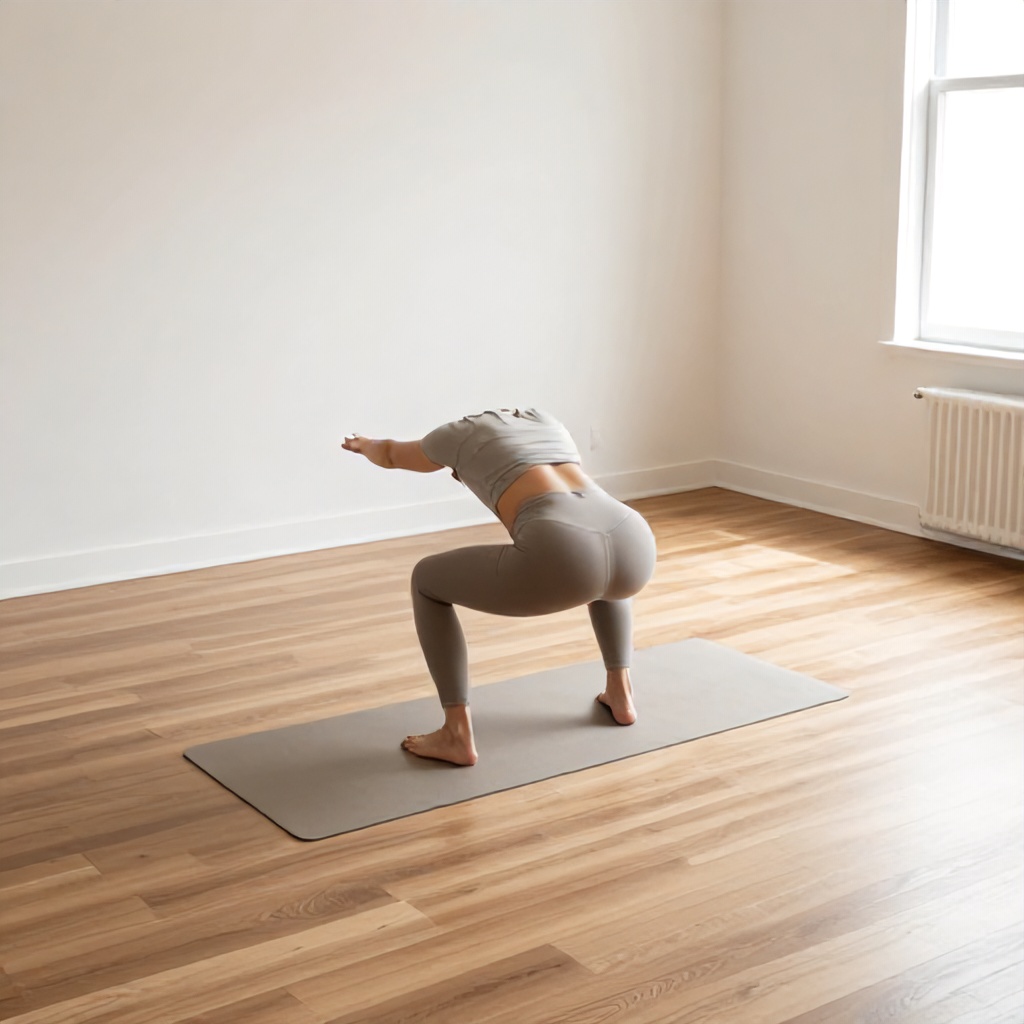
Bodyweight squats are the gold standard for leg development. Stand with your feet shoulder-width apart and lower your hips as if you are sitting into an invisible chair. Keep your chest up and your heels planted firmly on the ground. This movement engages your quadriceps, hamstrings, and glutes. If you find standard squats too difficult, use a chair for support until your strength improves.
Lunges are another staple for lower body stability. Step forward with one leg and lower your hips until both knees are bent at approximately a 90-degree angle. This exercise challenges your balance and forces your core to stabilize your torso. It is an excellent way to address muscle imbalances between your left and right sides.
Upper Body and Core Conditioning
Push-ups are the most versatile upper body exercise available. They target the chest, shoulders, and triceps while requiring significant core stability to keep your back straight. If a full push-up is too challenging, perform them with your knees on the floor or against a sturdy countertop. The goal is to maintain a straight line from your head to your heels throughout the entire movement.
Planks are essential for core conditioning. Hold your body in a straight line, supported by your forearms and toes. This static hold builds endurance in your abdominal muscles and lower back. Unlike crunches, which can strain the neck, planks provide a safe way to strengthen the entire midsection. Aim to hold the position for thirty seconds, gradually increasing the time as you get stronger.
Back and Posterior Chain
Bird-dogs are a fantastic way to improve spinal health and core stability. Get on your hands and knees. Simultaneously extend your right arm forward and your left leg backward. Hold for a moment, then switch sides. This movement helps correct the postural issues often caused by a sedentary lifestyle, specifically the rounding of the shoulders and the weakening of the lower back.
Structuring Your Weekly Schedule
A sustainable fitness routine relies on a clear structure. You should aim for three full-body sessions per week, with at least one rest day in between. This exercise frequency allows your muscles to repair and grow stronger. If you try to train every single day without adequate recovery, you risk injury and fatigue.
- Monday: Full Body Strength Training
- Tuesday: Active Recovery (Walking or light stretching)
- Wednesday: Full Body Strength Training
- Thursday: Active Recovery
- Friday: Full Body Strength Training
- Saturday: Optional light activity or long walk
- Sunday: Full rest
During your strength sessions, perform three sets of each exercise. Aim for 8 to 12 repetitions per set. If you can easily complete 12 repetitions with perfect form, it is time to make the movement more challenging. You can do this by slowing down the tempo, reducing the rest time between sets, or adding a slight variation to the exercise.
Tracking Progress and Staying Motivated
Fitness tracking is a powerful tool for maintaining long-term habits. You do not need a fancy app or a wearable device to see progress. A simple notebook works perfectly. Write down the number of repetitions and sets you completed during each session. When you look back at your notes after a month, you will see clear evidence of your improvement. This visual proof is often the best motivation to keep going.
Focus on how you feel rather than just the number on the scale. Are you finding it easier to climb stairs? Do you have more energy in the afternoon? Is your posture improving? These markers of physical health are far more important than a specific weight goal. Your fitness aesthetic will naturally improve as you build muscle and reduce body fat through consistent movement.
Remember that your body is not a machine. Some days you will feel strong and energetic, while other days you might feel sluggish. This is normal. If you are feeling particularly tired, reduce the intensity of your workout rather than skipping it entirely. A short, ten-minute session is always better than doing nothing at all. The habit of showing up is what matters most.
Common Pitfalls to Avoid
Many beginners fall into the trap of overcomplicating their training plan. You do not need to perform dozens of different exercises to see results. Stick to the basics. Master the squat, the push-up, the lunge, and the plank. Once you have mastered these, you can introduce more complex movements, but do not rush the process.
Another common mistake is neglecting the importance of warm-ups and cool-downs. Spend five minutes moving your body before you start your main workout. March in place, do some arm circles, or perform light bodyweight squats to get your blood flowing. After your workout, spend a few minutes stretching the muscles you just used. This helps reduce muscle soreness and improves your overall flexibility.
Do not ignore pain. There is a difference between the “good” burn of muscle fatigue and the sharp, localized pain of an injury. If an exercise causes joint pain, stop immediately. Check your form or choose a different variation that feels comfortable. Your goal is to build a body that lasts a lifetime, not to push through pain that leads to long-term damage.
Integrating Movement into Daily Life
Physical activity should not be confined to your scheduled workout time. Look for ways to move more throughout the day. Take the stairs instead of the elevator. Stand up and stretch every hour if you work at a desk. Go for a walk during your lunch break. These small, frequent bursts of movement contribute to your overall health and wellness.
Hydration and nutrition also play a significant role in your success. Your body needs fuel to recover from your workouts. Focus on eating whole foods, including plenty of vegetables, lean proteins, and complex carbohydrates. Drink water throughout the day to stay hydrated. When your body is well-nourished, you will have more energy for your workouts and better recovery between sessions.
Building a fitness routine is a marathon, not a sprint. There will be weeks where life gets busy and your workout schedule falls by the wayside. Do not let one missed session turn into a month of inactivity. Simply pick up where you left off. The most successful people are not the ones who never miss a workout; they are the ones who always return to their routine after a break.
Adapting for Long-Term Success
As you become more comfortable with your routine, you will need to adjust your training plan to keep seeing results. This is known as progressive overload. You can increase the difficulty by adding more repetitions, decreasing your rest periods, or trying more advanced versions of your favorite exercises. For example, once standard push-ups become easy, you might try diamond push-ups or decline push-ups with your feet elevated on a chair.
Listen to your body. If you are constantly feeling exhausted, you may need to increase your rest days or improve your sleep quality. Sleep is when your body repairs the damage caused by exercise and builds new muscle tissue. Aim for seven to nine hours of quality sleep each night. This is just as important as the time you spend exercising.
Find ways to make your workouts enjoyable. Listen to your favorite music or a podcast while you train. If you have a friend who is also interested in fitness, consider working out together. Having a partner can provide accountability and make the process more fun. The more you enjoy your routine, the more likely you are to stick with it for years to come.
The Role of Mindset in Physical Health
Your mental approach to exercise is just as important as the physical movements themselves. Avoid comparing your progress to others. Everyone starts at a different level, and everyone has a unique path to their goals. Focus on your own journey and celebrate the small wins. Every time you complete a workout, you are investing in your future self.
Be patient with your body. Muscle toning and strength gains do not happen overnight. It takes weeks of consistent effort to see visible changes. If you stay the course, the results will come. Trust the process and keep showing up. Your body is capable of incredible things if you give it the time and the right stimulus to adapt.
Finally, remember that your fitness routine should serve your life, not the other way around. If you need to shift your workout time to accommodate a busy schedule, do it. If you need to change your exercises to suit your current energy levels, do it. The goal is to create a sustainable lifestyle that supports your health and happiness for the long term. By keeping things simple and focusing on the basics, you can build a strong, capable body that supports you in everything you do.
Final Thoughts on Your Fitness Journey
You have all the tools you need to start today. You do not need a gym, you do not need fancy equipment, and you do not need a complicated plan. All you need is the willingness to move your body and the patience to stay consistent. Start with the exercises mentioned here, track your progress, and listen to your body as you grow stronger.
The benefits of regular exercise extend far beyond the physical. You will likely notice improvements in your mood, your sleep quality, and your overall sense of well-being. This is the true power of a consistent fitness routine. It is a gift you give to yourself every single day. Keep it simple, stay focused, and enjoy the process of becoming a stronger, healthier version of yourself.
As you continue your journey, keep learning and exploring new ways to challenge your body. There is always more to learn about human movement and physical health. But for now, focus on the basics. Master the movements, build the habit, and watch as your hard work pays off in ways you never expected. You are capable of achieving great things through simple, consistent action.