Skincare Products and Tools for Achieving Clear Skin

Achieving clear skin involves a thoughtful combination of effective skincare products and appropriate tools, working together to support skin health and promote skin clarity. It’s not about finding a single magic bullet, but rather building a consistent, personalized routine that addresses your skin’s unique needs.

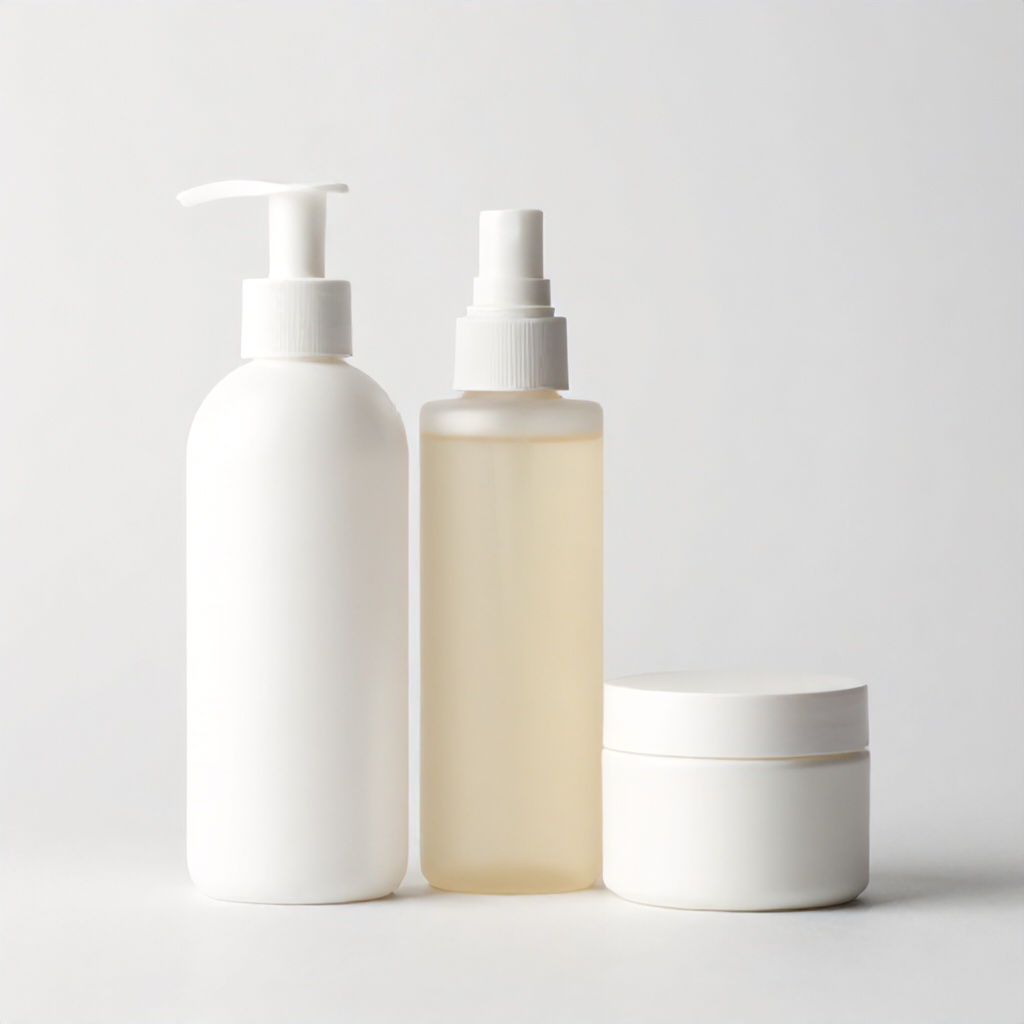
Understanding Your Skin Type: The Foundation of Clear Skin

Before you even think about buying skincare products or tools, knowing your skin type is absolutely essential. Are you oily, dry, combination, sensitive, or acne-prone? Each type responds differently to various ingredients and treatments. Using products formulated for the wrong skin type can actually exacerbate issues, leading to breakouts, irritation, or dryness instead of the clear skin you desire. Take a moment to observe how your skin behaves throughout the day; this simple step guides all your subsequent choices.

Essential Skincare Products for Clear Skin

A solid skincare regimen relies on a few core product categories. These are the workhorses that lay the groundwork for a healthy, radiant complexion.

Cleansers: The First Step to Purity

Proper cleansing is non-negotiable. It removes makeup, dirt, excess oil, and environmental pollutants that accumulate on your skin throughout the day and night. Skipping this step allows impurities to clog pores, leading to breakouts and dullness.

  • Gel Cleansers: Often a good choice for oily or combination skin, providing a refreshing feel and effective oil removal without stripping.
  • Cream Cleansers: Ideal for dry or sensitive skin, offering a gentler cleanse that maintains moisture.
  • Oil Cleansers: Excellent for breaking down makeup, sunscreen, and excess sebum. Many people use them as the first step in a double-cleansing routine, especially if they wear heavy makeup.
  • Foaming Cleansers: Can be effective for oily skin but sometimes too harsh for drier types.

Look for gentle formulas that don’t leave your skin feeling tight or squeaky clean. These essential skincare products are the cornerstone of any effective beauty routine.

Toners: Balancing and Prepping

Modern toners are far more advanced than the harsh, alcohol-laden versions of the past. Today, they help balance skin pH, deliver a dose of hydration, or provide mild exfoliation, prepping your skin to better absorb subsequent products.

  • Hydrating Toners: Infused with ingredients like hyaluronic acid or glycerin, they add a layer of moisture.
  • Exfoliating Toners: Containing AHAs (alpha hydroxy acids) or BHAs (beta hydroxy acids), these can help with cell turnover and pore clearing, contributing significantly to skin clarity.

Serums: Targeted Treatments for Specific Concerns

Serums are concentrated formulations designed to deliver potent active ingredients deep into the skin. They are crucial for addressing specific concerns like acne, hyperpigmentation, fine lines, or dehydration. The right serum can be a game-changer for achieving clear skin.

  • Vitamin C Serum: A powerful antioxidant that brightens the skin, fades dark spots, and protects against environmental damage. It’s a fantastic choice for overall skin health.
  • Niacinamide Serum: Also known as Vitamin B3, niacinamide helps calm inflammation, reduce redness, minimize pore appearance, and strengthen the skin barrier. It’s a versatile ingredient for many skin concerns.
  • Salicylic Acid (BHA) Serum: Excellent for oily and acne-prone skin, salicylic acid penetrates oil to exfoliate inside the pores, preventing and treating breakouts. This topical treatment is a staple for many seeking skin clarity.
  • Hyaluronic Acid Serum: Provides intense hydration, plumping the skin and improving its texture. Even oily skin types benefit from hydration.
  • Retinoid Serum (Retinol, Retinaldehyde, Tretinoin): These Vitamin A derivatives are incredibly effective for promoting cell turnover, reducing acne, minimizing fine lines, and improving skin texture. Start slowly, as they can cause initial irritation.

Moisturizers: Hydration and Barrier Support

No matter your skin type, moisturizing is vital. It locks in hydration, supports your skin’s natural barrier function, and protects it from environmental stressors. Even oily skin needs moisture; otherwise, it might overproduce oil to compensate for dryness.

  • Lightweight Lotions or Gels: Best for oily or combination skin, providing hydration without feeling heavy.
  • Creams: Richer and more emollient, suitable for normal to dry skin types.
  • Balms: Very thick and occlusive, ideal for extremely dry or compromised skin.

A good moisturizer contributes significantly to skin wellness and resilience.

Sunscreen: The Ultimate Protector

This is arguably the most important step in any skincare regimen. UV radiation from the sun causes premature aging, dark spots, and increases the risk of skin cancer. For clear skin, it prevents post-inflammatory hyperpigmentation from worsening and helps maintain an even skin tone. Use it every single day, rain or shine.

  • Mineral Sunscreens: Contain zinc oxide and/or titanium dioxide, which sit on the skin’s surface and physically block UV rays. Good for sensitive skin.
  • Chemical Sunscreens: Absorb UV rays and convert them into heat, which is then released from the skin. Often lighter in texture.

Aim for an SPF of 30 or higher. This beauty essential is non-negotiable.

Specialized Skincare Tools for Enhanced Results

While products do the heavy lifting, certain skincare tools can complement your routine, offering deeper cleansing, better product absorption, or targeted treatments.

Cleansing Brushes: Deeper Cleanse

Sonic or rotating cleansing brushes can provide a more thorough cleanse than hands alone. They help dislodge dirt, oil, and makeup from pores, offering a gentle exfoliating action.

  • Benefits: Enhanced cleansing, mild exfoliation, smoother skin texture.
  • Caution: Use sparingly, perhaps 2-3 times a week, to avoid over-exfoliation or irritation. Always keep the brush head clean to prevent bacterial buildup.

These beauty accessories can be a great addition to your personal care items.

Facial Steamers: Opening Up Pores

A facial steamer delivers a warm, gentle mist that helps to soften the skin and open up pores. This can make extractions easier (though professional extractions are always recommended) and improve the penetration of subsequent serums or masks.

  • Usage: Use before applying a mask or serum. Keep a safe distance to avoid burns.

Gua Sha and Facial Rollers: Lymphatic Drainage and De-puffing

These traditional beauty accessories, often made from jade or rose quartz, are used to massage the face. They promote lymphatic drainage, which can reduce puffiness and improve circulation, giving the skin a healthy glow. They can also help press serums and oils into the skin.

  • Gua Sha: Typically a flat, contoured stone used with gentle scraping motions.
  • Facial Rollers: Feature one or two rolling stones.

Always use with a facial oil or serum to ensure smooth gliding and avoid tugging the skin.

LED Light Therapy Devices: Targeted Treatment

Home LED devices use specific wavelengths of light to address various skin concerns. These specialized tools are gaining popularity for their non-invasive approach.

  • Blue Light: Targets acne-causing bacteria, making it beneficial for those with breakouts.
  • Red Light: Stimulates collagen production, reduces inflammation, and promotes healing, which can help with post-acne marks and overall skin rejuvenation.

Consistency is key for seeing results with these dermatology tools.

High-Frequency Wands: Acne and Circulation Boost

High-frequency wands use a mild electrical current to generate oxygen, which has an antibacterial effect on the skin. This makes them useful for treating active breakouts and preventing new ones. They also boost circulation, contributing to a healthy glow.

  • Usage: Apply directly to blemishes or use with a gauze over the entire face.
  • Caution: Follow manufacturer instructions carefully.

The Role of Product Packaging: Beyond Just Looks

When selecting your skincare products, don’t overlook the importance of their packaging. Cosmetic containers, cosmetic bottles, cosmetic tubes, and cosmetic jars aren’t just for aesthetic presentation; they play a critical role in preserving the efficacy and stability of the ingredients inside. Air, light, and contaminants can degrade active ingredients like Vitamin C or retinoids, rendering them less effective or even harmful.

  • Airless Pumps and Opaque Bottles: These are ideal for sensitive ingredients, protecting them from oxidation and light exposure.
  • Tubes: Generally hygienic as they minimize product exposure to air and fingers.
  • Jars: While often aesthetically pleasing, jars require you to dip your fingers into the product, which can introduce bacteria and expose the product to air more frequently. If you use a jar, always use a clean spatula.

Good product packaging, including a minimalist style for some brands, ensures that the beauty products you invest in remain potent and safe throughout their shelf life. Consider the cosmetic packaging as an extension of the product’s quality.

Building Your Skincare Regimen for Clear Skin

Consistency is paramount. A simple, consistent skin care regimen with carefully chosen products and tools will yield far better results than an elaborate, sporadic one.

Morning Routine: Protect and Prepare

  1. Cleanse: A gentle cleanse to remove overnight buildup.
  2. Tone: If using a hydrating or balancing toner.
  3. Serum: Apply a Vitamin C serum for antioxidant protection, or a hydrating serum.
  4. Moisturize: A lightweight moisturizer suitable for your skin type.
  5. Sunscreen: Non-negotiable SPF 30+ to protect against UV damage.

Evening Routine: Treat and Repair

  1. Double Cleanse (Optional but Recommended): Start with an oil cleanser to break down makeup and sunscreen, followed by your regular cleanser.
  2. Tone: If using an exfoliating toner (2-3 times a week) or a hydrating toner.
  3. Treatment Serum: This is the time for targeted treatments like retinoids, salicylic acid, or niacinamide. Introduce new treatments slowly.
  4. Moisturize: A slightly richer moisturizer can be used at night to support skin repair.
  5. Spot Treatment (as needed): Apply directly to blemishes.

Remember to introduce new products one at a time, allowing your skin to adjust. This helps you identify any potential irritations and ensures your product assortment works harmoniously.

Beyond Products: Holistic Habits for Skin Wellness

While skincare products and tools are powerful, true clear skin often requires a holistic approach. Your lifestyle choices significantly impact your skin health.

  • Diet: A balanced diet rich in fruits, vegetables, and whole grains can support skin from within. Limiting processed foods and excessive sugar may also help some individuals.
  • Hydration: Drinking plenty of water keeps your skin hydrated and helps flush out toxins.
  • Sleep: Adequate sleep allows your body, and your skin, to repair and regenerate.
  • Stress Management: Stress can trigger hormonal fluctuations that lead to breakouts. Find healthy ways to manage stress, whether through exercise, meditation, or hobbies.
  • Pillowcases: Change your pillowcase frequently to reduce the accumulation of dirt, oil, and bacteria.
  • Hands Off: Avoid touching your face unnecessarily or picking at blemishes, which can spread bacteria and lead to scarring.

If you’re struggling to achieve clear skin despite consistent effort, consider consulting a dermatologist. They can offer personalized advice, prescription-strength topical treatments, or in-office dermatology tools and procedures that might be necessary for your specific concerns.
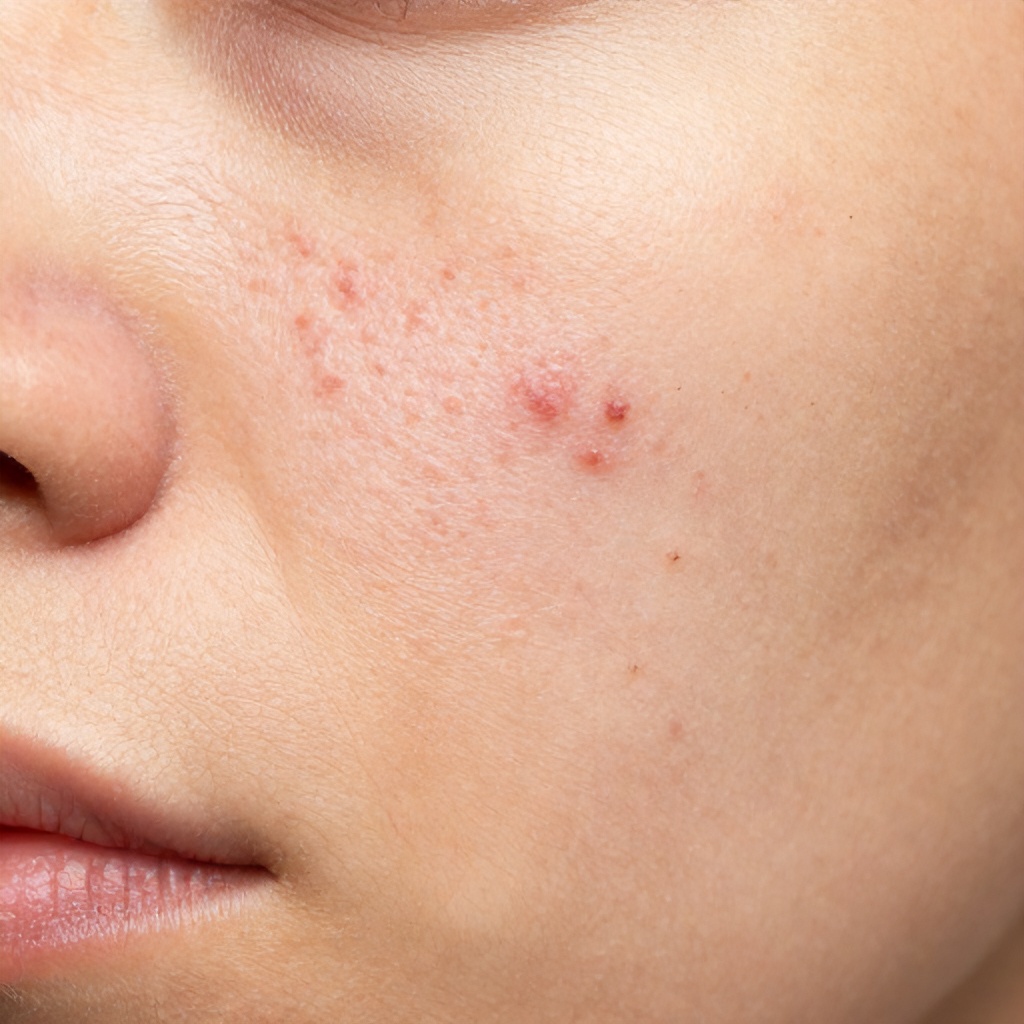
Effective Facial Care for Blackheads, Acne, and Pore Minimization

Achieving clearer, smoother skin is entirely possible with a consistent and targeted facial care routine that directly addresses blackheads, acne, and the appearance of enlarged pores.

Understanding Your Skin’s Challenges

Before you can effectively treat skin concerns, it helps to know what you’re up against. Blackheads, acne, and visible pores are common, but they each have distinct characteristics and underlying causes.

What Are Blackheads?

Blackheads, scientifically known as open comedones, are small, dark bumps that appear on the skin. They form when hair follicles become clogged with sebum (your skin’s natural oil) and dead skin cells. The “black” color isn’t dirt; it’s the result of the trapped material oxidizing when exposed to air, turning dark.

What Is Acne?

Acne is a broader term encompassing various types of lesions that occur when hair follicles become clogged with oil and dead skin cells, often leading to inflammation. This can manifest as:

  • Whiteheads (closed comedones): Small, flesh-colored bumps that are closed at the surface.
  • Papules: Small, red, tender bumps without a pus-filled head.
  • Pustules: Red, tender bumps with a white or yellow pus-filled center.
  • Nodules: Large, solid, painful lumps beneath the surface of the skin.
  • Cysts: Large, painful, pus-filled lesions deep under the skin, which can cause scarring.

Bacteria, specifically Propionibacterium acnes (P. acnes), also plays a significant role in inflammatory acne, thriving in clogged follicles and causing redness and swelling.

What Causes Enlarged Pores?

Pores are tiny openings on your skin that allow oil and sweat to reach the surface. Their size is largely determined by genetics; some people naturally have more visible pores than others. However, several factors can make them appear larger:

  • Excessive sebum production: Oily skin types often have more noticeable pores.
  • Decreased skin elasticity: As skin ages, it loses firmness, causing pores to stretch and appear larger.
  • Sun damage: UV exposure can thicken skin and weaken collagen, making pores more prominent.
  • Clogged pores: When pores are clogged with oil and dead skin cells, they can stretch and look bigger.

The Foundation: A Consistent Daily Facial Care Routine

A solid routine is the bedrock of clear skin. Consistency is far more important than any single product. Building good habits ensures your skin gets what it needs every day.

Gentle Cleansing

Washing your face twice a day is non-negotiable. It removes dirt, oil, makeup, and pollutants that can clog pores. Choose a cleanser appropriate for your skin type.

  • For oily or acne-prone skin: Look for cleansers containing salicylic acid (a BHA) or benzoyl peroxide. Salicylic acid penetrates oil to exfoliate inside the pore, while benzoyl peroxide kills acne-causing bacteria.
  • For sensitive or dry skin: Opt for a gentle, hydrating, non-foaming cleanser. Harsh cleansers can strip your skin, leading to irritation and potentially even more oil production as your skin tries to compensate.

Use lukewarm water, not hot, and cleanse with your fingertips, massaging gently for about 30-60 seconds. Rinse thoroughly and pat your face dry with a clean towel.

Targeted Toning

Toners are no longer just alcohol-laden astringents. Modern toners can help balance skin pH, remove residual impurities, and deliver active ingredients. They prepare your skin for subsequent treatments.

  • For blackheads and enlarged pores: An exfoliating toner with AHAs (like glycolic or lactic acid) or BHAs (salicylic acid) can help shed dead skin cells and keep pores clear.
  • For sensitive or dry skin: A hydrating toner with ingredients like hyaluronic acid or rose water can add a layer of moisture without irritation.

Apply toner to a cotton pad and gently swipe it across your face, or simply press it into your skin with clean hands.

Specific Treatments and Serums

This is where you bring in the heavy hitters for your specific concerns. Serums are concentrated formulas designed to deliver active ingredients deep into the skin.

  • For acne: Spot treatments with benzoyl peroxide or salicylic acid can target individual blemishes. Serums containing niacinamide can help reduce inflammation and improve skin barrier function.
  • For blackheads and pore minimization: Retinoids (vitamin A derivatives) are incredibly effective. Over-the-counter options like retinol can accelerate cell turnover, preventing clogs and refining skin texture. Prescription retinoids are stronger and often recommended for more stubborn issues.

Apply serums to clean, toned skin before moisturizing. Start with a small amount and introduce new products slowly to avoid irritation.

Hydrating with Moisturizer

Even oily and acne-prone skin needs moisture. Skipping moisturizer can signal your skin to produce more oil, exacerbating breakouts. A good moisturizer helps maintain the skin barrier, keeping it healthy and resilient.

Choose a non-comedogenic (won’t clog pores) and oil-free moisturizer. Gel-based or lightweight lotions are often suitable for oilier skin types. If you’re using active ingredients like retinoids or acids, a slightly richer moisturizer can help counteract potential dryness or flakiness.

Non-Negotiable Sun Protection

Sunscreen is the final, and arguably most important, step in your morning routine. UV radiation damages skin cells, breaks down collagen, and can worsen hyperpigmentation from acne. It also contributes to the appearance of enlarged pores over time.

Use a broad-spectrum sunscreen with at least SPF 30 every single day, rain or shine. Look for formulas labeled “non-comedogenic” or “oil-free” to avoid clogging pores.

Targeting Blackheads Effectively

Blackheads respond well to consistent exfoliation and ingredients that can penetrate oil.

Chemical Exfoliation

This is your best friend for blackheads. AHAs and BHAs work by dissolving the bonds between dead skin cells, allowing them to shed more easily.

  • Salicylic Acid (BHA): This is a star ingredient. It’s oil-soluble, meaning it can penetrate through sebum into the pore lining to dissolve the clog. Use it in a cleanser, toner, or serum.
  • Glycolic Acid (AHA): While primarily water-soluble, glycolic acid helps exfoliate the skin’s surface, preventing dead cells from accumulating and contributing to clogs.

Start with lower concentrations and use them a few times a week, gradually increasing frequency if your skin tolerates it.

Topical Retinoids

Retinoids, including retinol and retinaldehyde, are excellent for preventing blackheads. They normalize cell turnover within the follicle, making it less likely for dead skin cells and oil to accumulate and form a clog. They also help to reduce the size of pores over time.

Clay Masks

Once or twice a week, a clay mask can be beneficial. Clays like bentonite or kaolin absorb excess oil and impurities from the skin, helping to draw out congestion from pores. Apply to clean skin, leave on for the recommended time, then rinse thoroughly.

Professional Extractions

For stubborn blackheads, a trained esthetician or dermatologist can perform professional extractions. They use sterile tools and techniques to safely remove comedones without damaging the surrounding skin. Attempting to squeeze blackheads yourself often leads to inflammation, scarring, or pushing the clog deeper.

Managing Acne Breakouts

Acne treatment often requires a multi-pronged approach, addressing bacteria, inflammation, and excess oil.

Benzoyl Peroxide

This ingredient is highly effective at killing acne-causing bacteria (P. acnes) and helping to shed dead skin cells. It comes in various concentrations, from 2.5% to 10%. Start with a lower concentration to minimize irritation, as it can be drying.

Apply it as a spot treatment or a thin layer over affected areas. Remember that benzoyl peroxide can bleach fabrics, so be careful with towels and pillowcases.

Topical Retinoids for Acne

Beyond blackheads, retinoids are also powerful tools against various forms of acne. They reduce inflammation, prevent new breakouts by regulating cell turnover, and can even improve the appearance of acne scars over time. Adapalene, an over-the-counter retinoid, is particularly well-tolerated and effective for acne.

Azelaic Acid

This gentle but effective acid has antibacterial, anti-inflammatory, and exfoliating properties. It’s a great option for those with sensitive skin who might find other acne treatments too harsh. Azelaic acid also helps to fade post-inflammatory hyperpigmentation (dark spots left after acne heals).

When to See a Dermatologist

If your acne is persistent, severe, cystic, or causing significant scarring, it’s time to consult a dermatologist. They can prescribe stronger topical medications, oral antibiotics, hormonal therapies, or even isotretinoin (Accutane) for severe cases. Early intervention can prevent permanent scarring.

Lifestyle Considerations for Acne

  • Diet: While direct links are complex, some people find that reducing dairy or high-glycemic foods can help manage breakouts. Pay attention to your body.
  • Stress: Stress can trigger hormonal fluctuations that worsen acne. Finding healthy ways to manage stress is beneficial for skin and overall health.
  • Pillowcases: Change your pillowcase frequently (every 2-3 days) to avoid reintroducing bacteria and oil to your skin.
  • Hands off: Resist the urge to pick, pop, or squeeze pimples. This often pushes bacteria deeper, causes more inflammation, and increases the risk of scarring.

Minimizing the Appearance of Pores

While you can’t permanently shrink your pores, you can definitely make them appear smaller and less noticeable by keeping them clear and supporting skin elasticity.

Consistent Cleansing and Exfoliation

This is fundamental. When pores are clean and free of debris, they naturally appear smaller. Regular use of BHAs (salicylic acid) is particularly effective for this, as it dissolves the oil and dead cells that stretch pores.

Niacinamide (Vitamin B3)

Niacinamide is a powerhouse ingredient for pore appearance. It helps to regulate oil production, which can make pores look less prominent. It also improves skin elasticity and strengthens the skin barrier, contributing to a smoother, more refined texture.

Retinoids

As mentioned, retinoids are excellent for pore refinement. By boosting cell turnover and stimulating collagen production, they help to firm the skin around the pores, making them less visible.

Hydration is Key

Well-hydrated skin appears plumper and smoother, which can make pores seem smaller. Ensure you’re using a good moisturizer and drinking enough water. Dehydrated skin can sometimes make pores more noticeable.

Professional Treatments

For more significant pore concerns, professional treatments can offer dramatic improvement. Microneedling stimulates collagen production, which can tighten the skin and reduce pore size. Laser treatments, such as fractional lasers, can also resurface the skin and minimize pore appearance. These are more intensive options that require consultation with a dermatologist.

Common Mistakes to Avoid

Even with the best intentions, some habits can hinder your progress.

  • Over-exfoliating: Using too many exfoliating acids or scrubbing too harshly can damage your skin barrier, leading to irritation, redness, and even more breakouts. Less is often more.
  • Picking and squeezing: This is a direct route to inflammation, infection, and permanent scarring. Leave extractions to professionals.
  • Using harsh, stripping products: Alcohol-heavy toners or aggressive cleansers can disrupt your skin’s natural balance, leading to dryness, irritation, and compensatory oil production.
  • Skipping moisturizer or sunscreen: These steps are vital for skin health, even for oily skin. Skipping them can worsen issues.
  • Expecting instant results: Skin takes time to respond to new products and routines. Give any new regimen at least 4-6 weeks to show noticeable improvement. Patience is truly a virtue in skincare.

Building Your Personalized Routine

Everyone’s skin is unique. What works for one person might not work for another. It takes some experimentation to find your perfect routine.

  1. Start simple: Begin with a gentle cleanser, moisturizer, and sunscreen.
  2. Introduce one new active ingredient at a time: This allows you to see how your skin reacts and identify any potential irritants. Wait at least a few weeks before adding another.
  3. Patch test: Before applying a new product all over your face, test a small amount on an inconspicuous area, like behind your ear or on your jawline, for a few days to check for adverse reactions.
  4. Listen to your skin: If your skin feels tight, red, itchy, or excessively dry, scale back on active ingredients or switch to gentler products.
  5. Be consistent: The most effective routine is the one you can stick to every single day.

Achieving clearer skin with minimized pores is a journey, not a sprint. By understanding your skin, choosing the right ingredients, and committing to a consistent, gentle routine, you can make significant, lasting improvements to your complexion.

Exit mobile version