Plank to Jump: Your New Full Body Workout Favorite
This plank to jump exercise is an incredible way to get a full body workout with just one dynamic movement. It combines core strength, upper body stability, and explosive lower body power, making it a fantastic addition to any fitness routine. You’ll build muscle, boost your metabolism, and improve your coordination all at once.
Why Plank to Jump Works Wonders
The beauty of the plank to jump lies in its efficiency. It’s a compound exercise, meaning it engages multiple muscle groups simultaneously. Think about it: you’re holding a plank, which is a powerhouse for your core, shoulders, and back. Then, you transition into a powerful vertical jump, firing up your glutes, quads, hamstrings, and calves. This dual action is what makes it such a time-saver and so effective for overall conditioning.

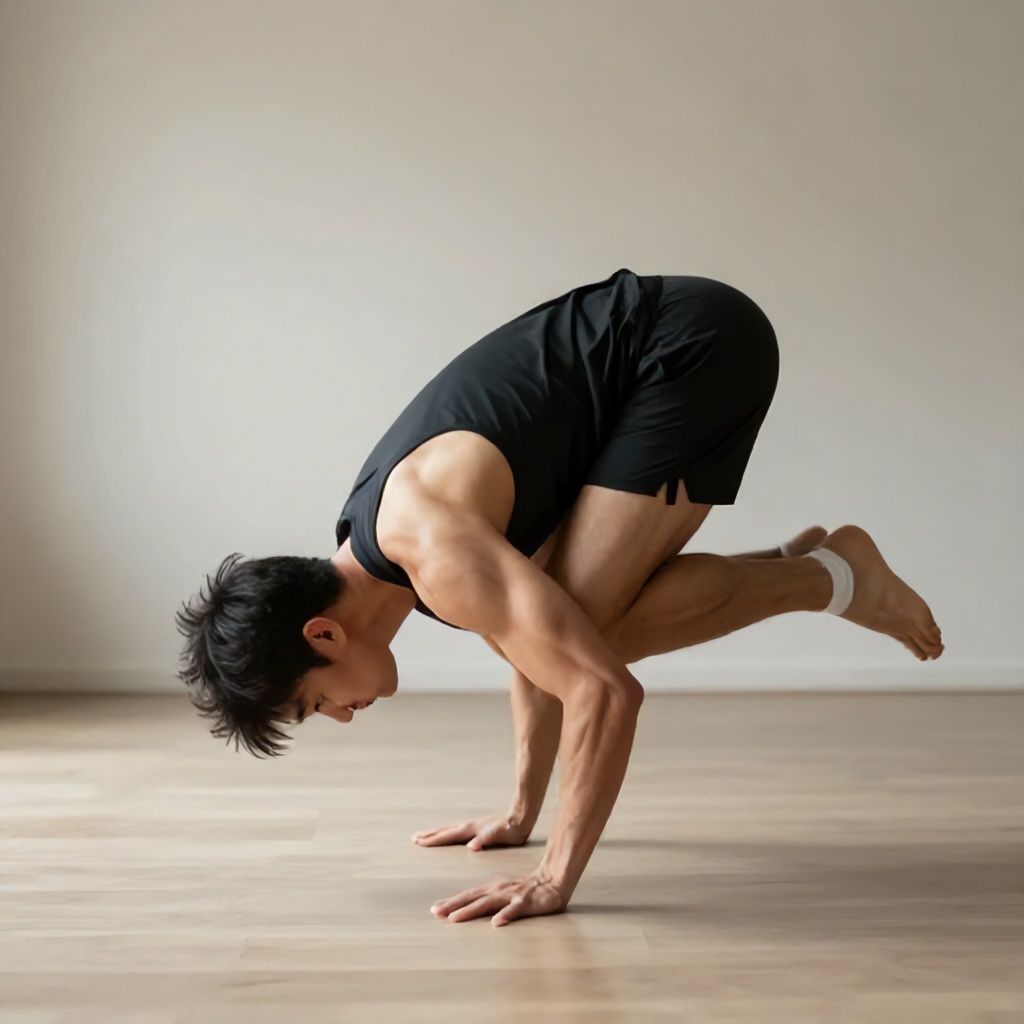
It’s also a fantastic bodyweight exercise. You don’t need any fancy equipment to perform it, making it accessible anywhere, anytime. Whether you’re at home, in a park, or even on a short hotel stay, you can get a killer workout in. This kind of functional fitness translates directly into everyday life, making you stronger and more capable for all sorts of activities.
Furthermore, this exercise incorporates plyometrics, which are exercises that involve explosive movements designed to increase power and speed. The jump component is pure plyo, helping to improve your rate of force development. This means your muscles can generate force more quickly, which is beneficial for athletes and anyone looking to improve their agility and explosiveness.
Mastering the Movement Sequence: Step-by-Step
Getting the plank to jump right is all about proper technique. Let’s break down the exercise stages into clear, manageable steps. Imagine a stylized figure demonstrating each part – that’s the level of detail we’re going for.
-
The Standing Start
Begin in a standing position with your feet shoulder-width apart. Keep your core engaged and your chest lifted. This is your neutral, ready position. It’s simple, but it sets the foundation for the explosive movement to come. Think of it as coiling your spring.
-
Dropping into the Plank
From the standing start, hinge at your hips and bend your knees, lowering your hands to the floor. Quickly extend your legs backward, one at a time, to land in a high plank position. Your body should form a straight line from your head to your heels. Ensure your hands are directly beneath your shoulders, fingers spread wide for stability. Keep your core tight to prevent your hips from sagging or rising too high. This is your plank position, the bedrock of the exercise.
-
The Transition and Jump
From the plank position, quickly bring your feet back towards your hands, landing them just outside your hands in a squatting position. Immediately explode upwards into a powerful vertical jump. As you jump, extend your hips, knees, and ankles forcefully. Swing your arms upwards to help generate momentum and reach for the sky. Aim to get as much height as possible. This is the plyometric heart of the exercise.
-
The Landing
Land softly back into the squatting position, absorbing the impact through your legs and glutes. Allow your knees to bend and your hips to sink. From this squat, immediately transition back into the plank by placing your hands on the floor and kicking your legs back out. This is where the flow of the movement sequence really shines. The landing is as important as the jump itself for injury prevention and building resilience.
-
Repeating the Cycle
Once you’ve landed softly and are back in the plank position, repeat the movement. Bring your feet forward, explode up into a jump, land softly, and return to the plank. Continue this cycle for the desired number of repetitions or for a set duration.
Setting Up Your Workout Plan
Now that you understand the mechanics, let’s talk about how to integrate this into a practical workout plan. A good fitness routine needs structure, and the plank to jump can be the star of the show or a powerful supporting player.
Beginner’s Approach
If you’re new to this exercise, start with fewer repetitions and sets to focus on mastering the technique. Quality over quantity is key, especially when introducing plyometrics.
- Warm-up: 5-10 minutes of light cardio (jogging in place, jumping jacks) and dynamic stretching (arm circles, leg swings).
- Reps: Aim for 8-10 repetitions per set.
- Sets: Complete 2-3 sets.
- Rest: Take 60-90 seconds of rest between sets.
- Cool-down: 5 minutes of static stretching, holding each stretch for 30 seconds.
As you get more comfortable, you can gradually increase the number of repetitions per set and then add more sets. Listen to your body; if your form starts to break down, it’s time to rest.
Intermediate and Advanced Strategies
For those with more experience, you can ramp up the intensity and volume. This is where you can really push your cardiovascular exercise limits and build significant strength training gains.
- Reps: Aim for 12-15 repetitions per set.
- Sets: Complete 3-4 sets.
- Rest: Reduce rest to 45-60 seconds between sets.
You can also incorporate variations to keep things challenging and engaging. For example, try doing the jump with a tuck jump, bringing your knees towards your chest at the peak of the jump. Or, after landing the jump, immediately go into a burpee instead of returning to the plank.
Making it a Full Body Workout
While the plank to jump is a fantastic full body exercise on its own, you can amplify its benefits by pairing it with other movements to create a comprehensive workout plan.
Adding Complementary Exercises
To ensure you’re hitting all major muscle groups and developing balanced strength, consider adding exercises that target areas not as heavily emphasized by the plank to jump.
- Upper Body Push: Push-ups (various hand positions), overhead press (using dumbbells or resistance bands).
- Upper Body Pull: Pull-ups or assisted pull-ups, dumbbell rows, resistance band pull-aparts.
- Lower Body Strength: Squats, lunges, glute bridges.
- Core Stability: Bird-dog, dead bug, Russian twists.
A sample workout could look like this:
- Warm-up (5-10 minutes)
- Plank to Jump: 3 sets of 12 repetitions
- Push-ups: 3 sets to near failure
- Dumbbell Rows: 3 sets of 10-12 repetitions per arm
- Squats: 3 sets of 15 repetitions
- Plank: Hold for 30-60 seconds, 3 sets
- Cool-down (5-10 minutes)
This structured approach ensures you’re getting a balanced strength training and cardiovascular workout. The clean presentation of such a plan makes it easy to follow.
Tips for Optimal Performance and Safety
Safety and effectiveness go hand-in-hand. Here are some essential tips to help you get the most out of your plank to jump exercise and avoid potential injuries.
- Focus on Form: Always prioritize proper technique over speed or height. A poorly executed jump can lead to injury. If you’re unsure, watch instructional videos or consult a fitness professional.
- Engage Your Core: A strong, engaged core is vital for stability throughout the entire movement, from the plank to the landing.
- Soften Your Landings: Think of landing like a cat – light and controlled. Absorb the impact by bending your knees and hips. Avoid landing stiff-legged.
- Listen to Your Body: If you feel any sharp pain, stop immediately. Pushing through pain is never a good idea.
- Progress Gradually: Don’t try to do too much too soon. Increase the intensity, repetitions, or sets incrementally as your strength and endurance improve.
- Wear Appropriate Athletic Wear: Comfortable, supportive athletic wear will allow for a full range of motion and prevent distractions.
- Warm-up and Cool-down: Never skip these crucial parts of your workout. They prepare your body for exercise and aid in recovery.
This exercise guide, with its clear text instructions and emphasis on technique, aims to provide you with the knowledge to perform the plank to jump safely and effectively. It’s a versatile movement that can be adapted to various fitness levels and incorporated into numerous workout plans.
Variations to Keep You Motivated
Once you’ve mastered the basic plank to jump, you might want to switch things up to challenge yourself in new ways. Variety is the spice of life, and it’s also key to continued progress in your fitness routine.
- Plank to Tuck Jump: At the peak of your vertical jump, bring your knees up towards your chest for a tuck jump. This adds an extra challenge to your core and hip flexors.
- Plank to Squat Jump: Instead of a full vertical jump, focus on a powerful squat jump, landing back into your squat position before transitioning to the plank.
- Plank to Lateral Jump: From the plank, bring your feet in and jump laterally to one side, landing softly, then jump back to the center and then to the other side. This adds a different plane of motion.
- Plank to Broad Jump: From the plank, bring your feet in and perform a powerful broad jump forward, landing softly, then step back to the plank.
These variations can be used individually or combined to create dynamic circuits. The key is to maintain good form throughout each movement. A visual guide, perhaps an instructional graphic, can be incredibly helpful for understanding these variations.
The plank to jump exercise is more than just a single move; it’s a gateway to improved athleticism and overall fitness. By understanding the technique, structuring your workouts wisely, and incorporating variations, you can make this powerful exercise a cornerstone of your fitness journey.