Understanding the Biological Timeline of Acne Treatment Results and Skin Recovery

Visible changes in acne-prone skin follow a predictable biological timeline that depends on the specific dermatological treatment chosen and the severity of the initial inflammation. When you look at before and after results, you are seeing the outcome of cellular turnover, bacterial reduction, and the gradual calming of the skin barrier. Real progress is rarely instantaneous. Instead, it happens in phases as the skin sheds damaged layers and replaces them with healthier, more resilient tissue.

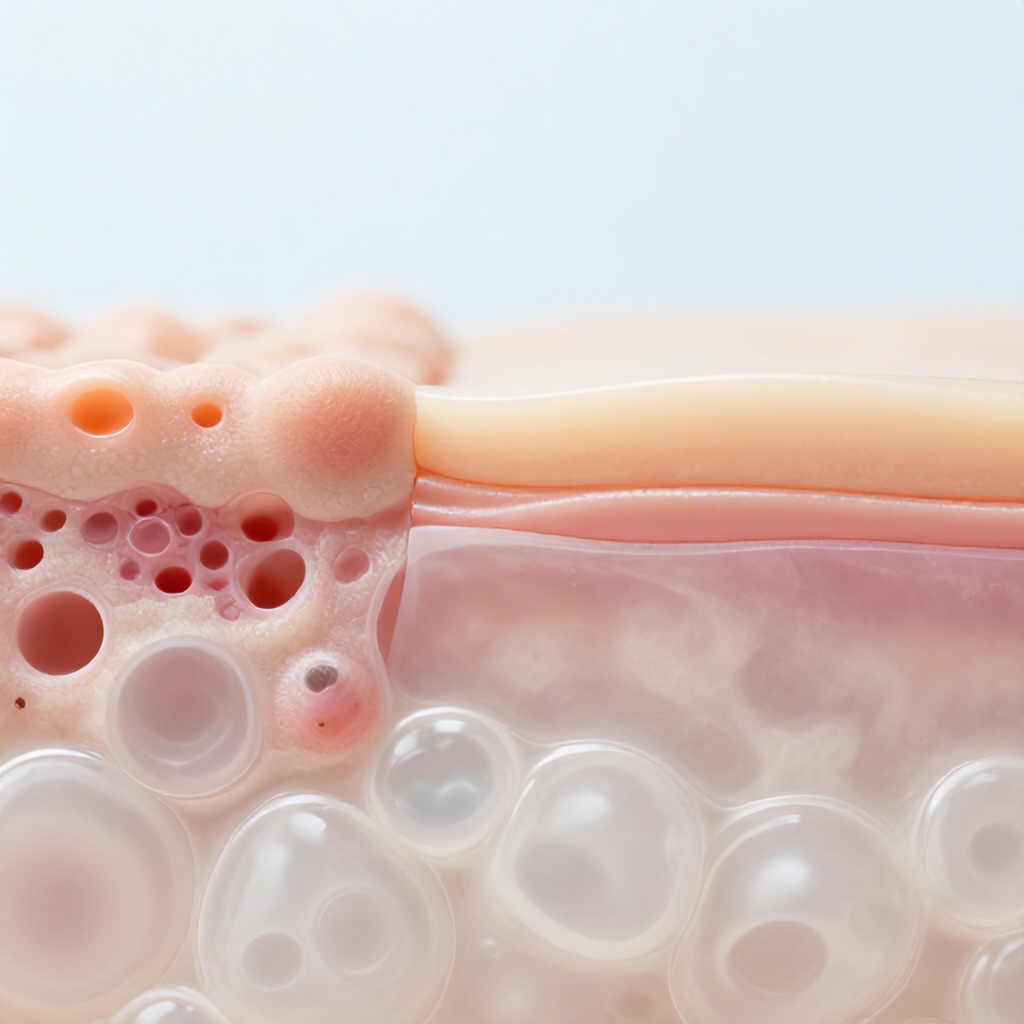
Understanding the Biological Timeline of Acne Healing

Acne is fundamentally a condition of the hair follicle and its associated oil gland. When these pores become clogged with dead skin cells and sebum, bacteria thrive, leading to the redness and swelling we recognize as an acne breakout. Clinical skincare works by interrupting this cycle at different stages. Some treatments focus on clearing out the physical blockage, while others target the bacteria directly or reduce the overall inflammatory response.

The first few weeks of any new regimen often feel discouraging. This period, sometimes called the purging phase, occurs because active ingredients like retinoids or salicylic acid accelerate the rate at which your skin cells turn over. As the skin pushes deep-seated congestion to the surface, you might see a temporary increase in blemishes. This is not a sign of failure. It is a necessary step in clearing out the underlying pore congestion that would have eventually surfaced as a breakout anyway.

By the six-week mark, most people notice a shift in skin texture refinement. The surface feels smoother, and the frequency of new inflammatory lesions begins to drop. This is the point where the skin barrier repair process starts to show real results. You are no longer just fighting active spots; you are creating an environment where the skin can heal itself without constant interference from new clogs.

The Role of Inflammation in Visual Results

Redness reduction is often the most noticeable change in the first month of treatment. Acne is an inflammatory condition, meaning the skin is in a constant state of low-grade trauma. When you apply anti-inflammatory agents or prescription topicals, the blood vessels that have dilated to bring immune cells to the site of the infection begin to constrict. This makes the skin look less angry and more uniform in tone.

Complexion improvement is not just about the absence of pimples. It is about the reduction of post-inflammatory hyperpigmentation. These are the dark or red marks left behind after a spot has healed. These marks are not scars; they are deposits of pigment or lingering vascular dilation. Clinical efficacy in acne management relies on preventing these marks from forming in the first place by stopping the acne cycle before it causes significant tissue damage.

Comparing Treatment Modalities

Different approaches yield different visual outcomes. Topical retinoids are the gold standard for long-term maintenance. They work by normalizing the way skin cells shed, preventing the initial plug from forming. Over several months, the before and after photos of someone using a retinoid consistently show a significant decrease in pore size and a more refined skin texture. The skin looks clearer because the debris is being cleared away before it can become a visible bump.

Benzoyl peroxide acts differently. It is an antimicrobial agent that kills the bacteria responsible for acne. It works quickly, often showing a reduction in the size and intensity of active lesions within a few days. However, it does not address the underlying cell turnover issues as effectively as retinoids. Many dermatologists recommend a combination approach to maximize therapeutic results, using benzoyl peroxide to manage immediate breakouts while using retinoids to prevent future ones.

Professional Procedures and Their Impact

In-office treatments like chemical peels or laser therapy offer a more aggressive path to facial skin rejuvenation. Chemical peels use acids to exfoliate the top layers of the skin, which can help clear out stubborn congestion and fade dark spots faster than over-the-counter products. The before and after results of a series of peels often show a dramatic improvement in brightness and a reduction in the appearance of shallow acne scars.

Laser treatments target the deeper layers of the skin. Some lasers are designed to shrink oil glands, while others focus on reducing the redness associated with chronic acne. These procedures require a period of post-treatment recovery, where the skin may be sensitive or flaky. The long-term benefits include a more stable skin barrier and a significant decrease in the recurrence of deep, cystic acne.

Managing Expectations for Epidermal Health

Real-world skin health is rarely perfect. Even with the best dermatological progress, occasional breakouts are normal. Factors like hormonal fluctuations, stress, and diet can still trigger the skin. The goal of clinical treatment is not to achieve a filtered, plastic-like appearance, but to reach a state where the skin is comfortable, healthy, and resilient.

Many people fall into the trap of over-treating their skin. When they do not see immediate results, they add more products, scrub harder, or use multiple active ingredients at once. This destroys the skin barrier, leading to irritation, dryness, and even more acne. A healthy skin barrier is the foundation of all blemish reduction. If your skin is stinging, burning, or constantly red, you are likely doing more harm than good.

  1. Start with a gentle cleanser that does not strip natural oils.
  2. Introduce one active ingredient at a time to monitor for reactions.
  3. Use a moisturizer that supports the skin barrier, even if you have oily skin.
  4. Apply sunscreen every single day, as many acne treatments make the skin more sensitive to UV damage.
  5. Give any new product at least three months of consistent use before deciding if it works.

The Importance of Consistency in Acne Management

The most common reason for poor results is inconsistency. Acne management is a marathon, not a sprint. If you skip doses of your medication or stop your routine as soon as your skin looks clear, the bacteria and the pore-clogging process will return. The skin needs time to adapt to new ingredients and to maintain the progress it has made.

Tracking your progress with photos can be helpful, but do not obsess over them. Take a picture in the same lighting once a month. Comparing your skin to a photo from six months ago is much more accurate than comparing it to how it looked yesterday. You will likely see that while you may still have a few spots, the overall intensity of the breakouts has decreased, and the skin is healing faster than it did before.

When to Seek Professional Help

If you have been following a consistent routine for three months with no improvement, it is time to consult a professional. Persistent acne that does not respond to standard care may require prescription-strength intervention. Dermatologists can offer oral medications, specialized topicals, or procedural treatments that are not available over the counter.

Do not wait until you have significant scarring to seek help. Scarring is much harder to treat than active acne. If your acne is causing you physical pain or significant emotional distress, that is a valid reason to see a doctor. Early intervention is the best way to ensure long-term skin health and to prevent the permanent changes to skin texture that can occur with severe, untreated acne.

Practical Tips for Daily Skin Maintenance

Keep your routine simple. A complex, ten-step process is often unnecessary and can be counterproductive for acne-prone skin. Focus on the basics: cleansing, treating, and protecting. Your skin needs a stable environment to repair itself, and adding too many variables makes it impossible to know what is working and what is causing irritation.

  • Wash your face twice a day, but avoid harsh scrubbing.
  • Use lukewarm water, as hot water can strip the skin and increase inflammation.
  • Change your pillowcase regularly to avoid transferring oil and bacteria back onto your face.
  • Avoid touching your face throughout the day, as this introduces new bacteria.
  • Look for products labeled non-comedogenic, which means they are formulated not to clog pores.

Remember that your skin is an organ. It reacts to your overall health, your environment, and your habits. While clinical treatments are powerful tools, they work best when supported by a lifestyle that prioritizes sleep, hydration, and stress management. When you treat your skin with patience and consistency, the before and after results will reflect a healthier, more balanced complexion that lasts.

Addressing Common Myths About Acne Treatment

One persistent myth is that you should dry out your skin to get rid of acne. People often use harsh astringents or alcohol-based toners, thinking that if the skin feels tight, the acne is being killed. This is incorrect. When you strip the skin of its natural moisture, it compensates by producing even more oil. This creates a vicious cycle where the skin is both dehydrated and congested, leading to more breakouts and a compromised barrier.

Another common misconception is that you should only treat the spots you can see. Acne starts deep within the pore long before a pimple appears on the surface. Effective acne management involves treating the entire affected area, not just the individual blemishes. By applying your treatment to the whole face or the entire breakout-prone zone, you are preventing new lesions from forming in the surrounding follicles.

The Role of Diet and Lifestyle

While diet is not the sole cause of acne, it can play a role for some individuals. High-glycemic foods, which cause rapid spikes in blood sugar, have been linked to increased inflammation in some studies. If you notice that your skin flares up after eating certain foods, it may be worth keeping a food diary to identify potential triggers. However, do not feel pressured to eliminate entire food groups without guidance, as balanced nutrition is essential for overall skin health.

Stress is another major factor. When you are stressed, your body produces more cortisol, a hormone that can stimulate oil glands to produce more sebum. This is why many people notice breakouts during exams, work deadlines, or other high-pressure periods. Finding ways to manage stress, whether through exercise, meditation, or simply getting enough sleep, can have a direct impact on your skin health.

Long-Term Maintenance and Prevention

Once you have achieved your desired results, the goal shifts to maintenance. You do not necessarily need to use the same aggressive products forever. Many people find that they can transition to a gentler routine once their skin is under control. The key is to keep the pores clear and the skin barrier supported.

Continue using a retinoid or a mild exfoliant a few times a week to keep the skin cells turning over at a healthy rate. Keep using your moisturizer and sunscreen, as these are non-negotiable for long-term skin health. If you notice a few spots starting to form, you can temporarily increase the frequency of your treatment or use a spot treatment to manage them before they become full-blown breakouts.

Stay patient with your skin. There will be days when it looks perfect and days when it looks less than ideal. This is the reality of having human skin. By focusing on consistent, evidence-based care and avoiding the urge to over-treat, you can maintain a clear, healthy complexion for the long haul. Your skin is constantly changing, and your routine should be flexible enough to adapt to those changes while staying rooted in the principles of gentle, effective dermatological care.

The journey to better skin is defined by the small, daily choices you make. It is not about finding a single miracle product, but about building a sustainable routine that respects your skin’s biology. When you prioritize barrier health and stick to a plan that addresses the root causes of acne, the results will follow. Focus on the process, stay consistent, and give your skin the time it needs to show you its best self.
Benefits of Night Serums and Key Ingredients for Skin Recovery

The Science of Overnight Skin Recovery

Nighttime skincare works because your skin shifts into a repair mode while you sleep, making it the most effective time to apply potent active ingredients. During these hours, your body increases blood flow to the skin and triggers cellular turnover, which helps shed dead cells and build new ones. Using a serum designed for this window allows your complexion to absorb concentrated nutrients without the interference of environmental stressors like UV rays or pollution. When you choose a formula packed with restorative ingredients, you support the natural biological processes that lead to a smoother, brighter appearance by morning.

The skin barrier repair process relies on consistent hydration and the right chemical messengers. A well-formulated serum acts as a delivery system, pushing moisture and vitamins deep into the epidermis. Unlike heavy creams that sit on the surface to lock in moisture, serums have smaller molecular structures. This allows them to penetrate deeper, addressing concerns like uneven texture and dullness at the source. By incorporating these treatments into your nightly routine, you provide your face with the building blocks it needs to maintain elasticity and resilience over time.

Retinoids for Cellular Turnover

Retinoids remain the gold standard in dermatological treatment for a reason. These vitamin A derivatives speed up the rate at which skin cells divide and shed, effectively clearing out clogged pores and smoothing fine lines. When you start using a retinoid, you are essentially telling your skin to act younger. This process of accelerated renewal is what gives long-term users that signature glow, as it prevents the buildup of dull, dead skin cells that often make a complexion look tired.

Incorporating this ingredient requires patience and a slow approach. If you rush into using a high-strength formula every night, you will likely experience irritation, redness, or peeling. Start by applying a pea-sized amount twice a week, gradually increasing the frequency as your skin builds tolerance. Always pair your retinoid with a gentle moisturizer to support the skin barrier during the adjustment phase. This balance between active treatment and soothing hydration is the key to seeing results without compromising the health of your moisture mantle.

Choosing the Right Strength

  • Retinol: The most common over-the-counter option, perfect for beginners looking for gradual anti-aging properties.
  • Retinaldehyde: A more potent form that converts to retinoic acid faster, offering quicker results for those who have already acclimated to basic retinol.
  • Adapalene: Originally formulated for acne, this is excellent for those dealing with both breakouts and early signs of aging.
  • Prescription Tretinoin: The strongest option available, reserved for those who need significant correction for deep wrinkles or severe texture issues under professional guidance.

Hyaluronic Acid and Deep Hydration

Hydration therapy is the foundation of any radiant glow. Hyaluronic acid is a humectant, meaning it draws water from the air and deeper layers of the skin to the surface. It can hold up to 1,000 times its weight in water, making it an essential component for plumping up the skin and reducing the appearance of fine lines caused by dehydration. When your skin is properly hydrated, it reflects light better, which is the primary secret behind a truly radiant complexion.

For the best results, apply your hyaluronic acid serum to slightly damp skin. If you apply it to a bone-dry face, the ingredient may actually pull moisture out of your deeper skin layers to hydrate the surface, which can lead to a tight or uncomfortable feeling. By keeping the skin surface moist, you ensure the serum has plenty of water to bind to, creating a cushiony, supple texture that lasts until morning. This simple adjustment in your serum application technique can change how your skin feels throughout the entire day.

Vitamin C and Antioxidant Protection

While many people associate Vitamin C with morning routines, it also plays a vital role in nocturnal beauty routines. Antioxidants work to neutralize free radicals that you may have encountered throughout the day. Even after you wash your face, the residual effects of environmental damage can continue to cause oxidative stress. A serum containing stable forms of Vitamin C helps brighten dark spots and even out skin tone by inhibiting melanin production.

Look for formulas that combine Vitamin C with Vitamin E and ferulic acid. This trio is a classic in cosmetic formulation because the ingredients stabilize one another, making the serum more effective and less likely to oxidize in the bottle. When you use these ingredients at night, you are essentially performing a cleanup operation on your skin. You are clearing away the remnants of the day while preparing your complexion to look refreshed and luminous when you wake up.

Niacinamide for Barrier Support

Niacinamide, or Vitamin B3, is a versatile powerhouse that fits into almost any skincare regimen. It is particularly effective at strengthening the skin barrier, which is your first line of defense against irritation and moisture loss. By increasing the production of ceramides, niacinamide helps your skin retain its own natural oils. This makes it an ideal ingredient for those with sensitive skin who want the benefits of active ingredients without the risk of a reaction.

Beyond barrier repair, niacinamide is excellent for skin texture improvement. It helps regulate oil production, which can minimize the appearance of enlarged pores over time. If you struggle with redness or blotchiness, this ingredient acts as a calming agent, evening out your skin tone and providing a more uniform canvas. Because it is so gentle, you can use it alongside other actives like retinoids or acids, making it a reliable staple in your nightly rotation.

Exfoliating Acids for Surface Renewal

Alpha hydroxy acids (AHAs) like glycolic and lactic acid are essential for removing the buildup of dead skin cells that dull your complexion. These acids work by dissolving the glue that holds dead cells to the surface of your skin. When you use them as part of an overnight recovery routine, you wake up to skin that feels significantly softer and looks more vibrant. Lactic acid is particularly beneficial because it is a larger molecule, meaning it exfoliates gently while also providing extra hydration.

Beta hydroxy acids (BHAs), such as salicylic acid, are oil-soluble, allowing them to penetrate deep into the pores. If you have oily or congestion-prone skin, a BHA serum is a must for your nighttime routine. It clears out the debris that leads to blackheads and breakouts, ensuring your skin remains clear and smooth. Use these exfoliating serums two to three times a week rather than every night to avoid over-exfoliating, which can lead to sensitivity and a compromised moisture barrier.

Peptides for Firmness and Elasticity

Peptides are short chains of amino acids that act as building blocks for proteins like collagen and elastin. As we age, our natural collagen production slows down, leading to a loss of firmness and the development of sagging. Topical peptides send signals to your skin cells to produce more of these essential proteins. While they are not as aggressive as retinoids, they are incredibly effective at maintaining the structural integrity of your skin over the long term.

Think of peptides as the maintenance crew for your face. They work quietly to keep the skin looking plump and firm. Because they are generally non-irritating, they are perfect for those who want to focus on anti-aging properties without the downtime associated with stronger chemical treatments. You can layer a peptide serum under your moisturizer every single night to provide a consistent supply of nutrients that support your skin’s natural elasticity.

The Importance of Proper Layering

The order in which you apply your products matters as much as the ingredients themselves. A good rule of thumb is to apply products from the thinnest consistency to the thickest. This ensures that the most potent, water-based serums reach your skin first, while heavier creams and oils act as a seal to lock everything in. If you apply a thick, occlusive cream before a light serum, the serum will struggle to penetrate the layer of oil and won’t be able to deliver its benefits effectively.

  1. Cleanse your face thoroughly to remove makeup, sunscreen, and daily grime.
  2. Apply a toner or essence if you use one to balance your skin’s pH.
  3. Apply your most active serum, such as a retinoid or an exfoliating acid.
  4. Follow with a hydrating serum like hyaluronic acid or niacinamide.
  5. Seal everything in with a moisturizer that matches your skin type.
  6. Finish with a facial oil if your skin feels particularly dry or tight.

Common Mistakes to Avoid

One of the biggest errors in skincare is using too many active ingredients at once. It is tempting to layer a retinoid, an exfoliating acid, and a Vitamin C serum all in one night, but this is a recipe for a damaged skin barrier. When you overload your skin with too many actives, you disrupt its natural balance, leading to inflammation and breakouts. Stick to one or two targeted treatments per night and keep the rest of your routine focused on hydration and protection.

Another mistake is ignoring the neck and chest. These areas are just as prone to sun damage and aging as your face, yet they are often neglected. Whatever serum you apply to your face should be extended down to your neck and décolletage. This ensures that your entire upper body maintains a consistent tone and texture. Consistency is the most important factor in any skincare regimen; using a high-quality product once a week will never yield the same results as using a simpler product every single night.

Understanding Your Skin Type

Not every ingredient works for every person. If you have dry skin, look for serums that prioritize moisturizing agents like ceramides, glycerin, and hyaluronic acid. These ingredients help your skin hold onto water and prevent the flakiness that often accompanies dry patches. If you have oily skin, focus on lightweight, water-based serums that contain niacinamide or salicylic acid to manage oil production and keep pores clear without adding unnecessary weight.

Sensitive skin requires a minimalist approach. Avoid products with heavy fragrances or essential oils, as these are common triggers for redness and irritation. Instead, look for serums labeled as hypoallergenic or formulated for sensitive skin. These products often contain soothing ingredients like centella asiatica, aloe, or colloidal oatmeal, which calm the skin while providing the necessary nutrients for repair. Always perform a patch test on your inner arm before applying a new product to your entire face, especially if you have a history of reactions.

The Role of Sleep and Lifestyle

No amount of expensive serum can replace the benefits of a good night’s sleep. Your skin’s repair cycle is tied to your circadian rhythm. When you are sleep-deprived, your body produces more cortisol, a stress hormone that can break down collagen and lead to increased inflammation. This is why you often notice dark circles and a dull complexion after a poor night of rest. Aim for seven to nine hours of quality sleep to give your skin the time it needs to complete its nocturnal recovery process.

Diet and hydration also play a significant role in your skin’s appearance. Drinking enough water throughout the day ensures that your skin has the internal moisture it needs to function properly. A diet rich in antioxidants, healthy fats, and vitamins supports your skin from the inside out. While serums provide a direct boost to the surface, your internal health provides the foundation for long-term radiance. By combining a nutrient-rich diet with a consistent topical skincare regimen, you create the best possible environment for your skin to thrive.

Evaluating Your Results

Skincare is a marathon, not a sprint. It can take anywhere from four to twelve weeks to see noticeable changes in your skin, especially when using ingredients like retinoids or peptides. Do not be discouraged if you do not see a dramatic transformation after just a few days. Take photos of your skin in the same lighting every two weeks to track your progress. This helps you see the subtle improvements in texture and tone that you might miss when looking in the mirror every day.

If you find that a product is not working for you after a few months, it may be time to adjust your routine. However, be careful not to switch products too frequently. Giving your skin time to adapt to a new ingredient is essential. If you experience persistent irritation or breakouts, stop using the product immediately and return to a basic routine of cleanser and moisturizer. Once your skin has calmed down, you can slowly reintroduce products one at a time to identify which one might be causing the issue.

Final Thoughts on Radiant Skin

Achieving a radiant glow is about more than just buying the latest trending product. It is about understanding the needs of your skin and providing it with the right tools to repair and protect itself. By focusing on ingredients that support cellular turnover, hydration, and barrier health, you can build a routine that delivers real, visible results. Remember that your skin is a living organ that changes with the seasons, your stress levels, and your age. Stay flexible, listen to what your skin is telling you, and prioritize consistency over complexity.

The beauty of a well-planned nighttime routine is that it becomes a moment of calm in your day. Taking those few minutes to care for your skin is a form of self-care that pays off in the long run. Whether you are dealing with fine lines, uneven texture, or just want to maintain a healthy glow, the right serum can make all the difference. Keep your routine simple, focus on high-quality ingredients, and give your skin the time it needs to work its magic while you sleep.

Exit mobile version