
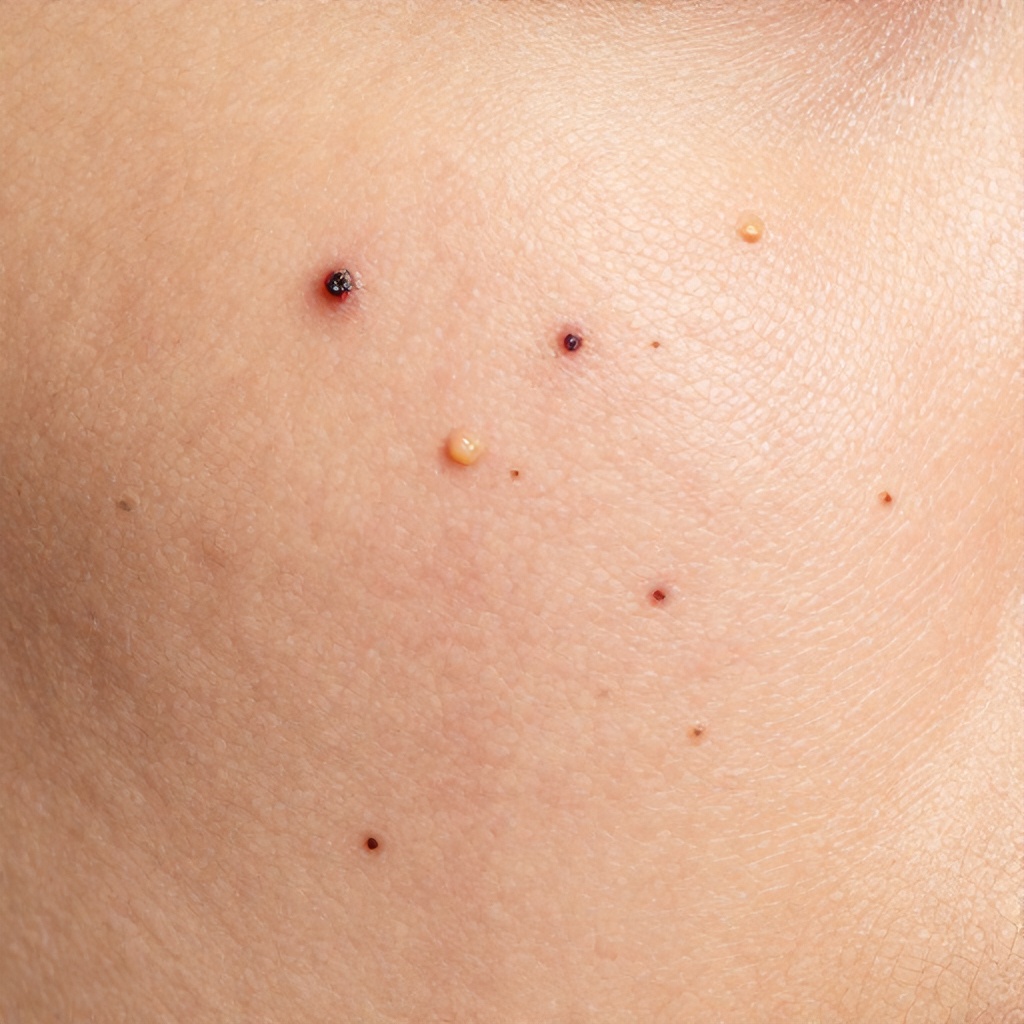
The appearance of multiple comedones and visible dark pores on the skin is a common dermatological condition, often indicative of an imbalance in sebum production and skin cell turnover, leading to a textured skin surface that can feel uneven and look less radiant.

Understanding Comedones: The Basics
Comedones are essentially clogged hair follicles, and they represent the earliest stage of acne formation. These tiny skin lesions are incredibly common, affecting people of all ages, though they are particularly prevalent during adolescence and in individuals with oily skin types. They are not just a cosmetic concern; they are a fundamental skin issue that can impact overall skin health and appearance.
There are two primary types of comedones you’ll typically encounter. Open comedones, more commonly known as blackheads, are characterized by a wide opening at the skin surface. The dark color isn’t dirt, as many people mistakenly believe; rather, it’s the result of melanin (skin pigment) and oxidized sebum (oil) reacting with air. This oxidation process causes the plug of dead skin cells and oil to darken, creating that characteristic black dot. Closed comedones, or whiteheads, on the other hand, are completely covered by a thin layer of skin. This means the trapped sebum and dead skin cells don’t get exposed to air, so they remain white or flesh-colored, appearing as small bumps under the skin’s surface. Both contribute to a less smooth skin texture.
The formation of these skin imperfections begins deep within the hair follicle. Each follicle contains a sebaceous gland that produces sebum, an oily substance vital for keeping skin and hair moisturized. When this gland produces too much sebum, or when dead skin cells don’t shed properly and instead accumulate within the follicle, a plug forms. This plug traps the excess oil and cells, leading to the development of a comedo. Understanding this basic mechanism is the first step toward effective management of these pervasive skin concerns.
Why Pores Become Visible and Dark
Pores are tiny openings on the skin surface, each housing a hair follicle and a sebaceous gland. They are absolutely essential for skin health, allowing sebum to reach the skin’s surface to moisturize and protect it, and for sweat to be released. However, when these pores become more noticeable, it often becomes a source of skin concern for many individuals.
Several factors contribute to pores appearing more visible. Genetics play a significant role; if your parents have naturally larger pores, you’re likely to inherit that trait. Skin type is another key determinant: individuals with oily skin tend to have more pronounced pores because their sebaceous glands produce more sebum, which can stretch the pore openings. As we age, the skin’s elasticity naturally decreases due to collagen and elastin breakdown. This loss of firmness around the pores can make them appear larger and more open. Sun damage accelerates this process, further weakening the skin’s supportive structure and leading to a more uneven surface and more noticeable pores.
The “dark” appearance of pores, especially when seen in a close-up image, isn’t always due to a full-blown blackhead. Sometimes, it’s simply the shadow cast by the pore opening itself, particularly on fair skin. More often, however, dark pores are a sign of minor clogging. Even if not a full comedo, the pore can contain a mixture of sebum, dead skin cells, and environmental debris. When this mixture is exposed to air, it can oxidize and darken, making the pore opening appear more prominent and discolored. This contributes to the overall perception of skin imperfections and a less refined skin texture.
The Science Behind Textured Skin and Uneven Surface
Textured skin, characterized by an uneven surface, is a common skin issue that many people strive to improve. Comedones and visible pores are major contributors to this texture. When you have numerous blackheads and whiteheads, they create small bumps and irregularities across the skin, preventing light from reflecting evenly. This lack of smoothness makes the skin appear duller and can emphasize other skin concerns.
Beyond comedones, several other factors can contribute to an uneven skin surface. Past acne lesions can leave behind textural scarring, ranging from shallow depressions to deeper ice-pick scars. These scars permanently alter the skin’s architecture. Dehydration can also play a role; when the skin lacks sufficient moisture, it can appear rougher and less plump, making existing pores and fine lines more apparent. Environmental damage, particularly from sun exposure, breaks down collagen and elastin fibers, which are crucial for maintaining skin’s smoothness and elasticity. This breakdown leads to a loss of structural integrity, making the skin surface appear more irregular and contributing to enlarged, visible pores.
Understanding these underlying mechanisms is essential for addressing textured skin effectively. It’s not just about treating individual blemishes but about improving the overall health and resilience of the skin. A comprehensive approach that targets both the causes of comedones and the factors contributing to an uneven surface is necessary for achieving a smoother, more uniform skin appearance. This holistic view is a key aspect of modern dermatology.
Common Causes of Comedones and Enlarged Pores
The development of comedones and the enlargement of pores are multifactorial, meaning several elements often work in concert to create these skin issues. Identifying the root causes is crucial for effective management and improving overall skin health.
-
Excess Sebum Production: This is perhaps the most significant factor. Individuals with naturally oily skin produce more sebum, which increases the likelihood of pores becoming clogged. When the sebaceous glands are overactive, they flood the hair follicles with oil, creating a prime environment for comedo formation. This excess oil can also make pores appear larger as they stretch to accommodate it.
-
Hormonal Fluctuations: Androgens, a group of hormones present in both males and females, stimulate sebum production. Fluctuations during puberty, menstrual cycles, pregnancy, or conditions like polycystic ovary syndrome (PCOS) can lead to increased oiliness and a surge in comedones and acne. This explains why many adults continue to experience breakouts.
-
Genetics: Your genetic blueprint plays a considerable role in determining your skin type, pore size, and predisposition to acne and comedones. If your parents had oily skin or struggled with visible pores, you might find yourself facing similar skin concerns.
-
Poor Skincare Habits: Using comedogenic products (those that clog pores) like heavy creams or certain makeup can directly lead to comedone formation. Inadequate cleansing that doesn’t remove makeup, dirt, and excess oil can also contribute. Conversely, over-cleansing or harsh scrubbing can irritate the skin, potentially worsening oil production and inflammation.
-
Environmental Factors: Exposure to pollution, humidity, and certain occupational environments can exacerbate skin issues. Airborne particles can settle on the skin, contributing to pore clogging, while high humidity can increase sebum production and make skin feel greasier.
-
Dietary Considerations: While the link between diet and acne is complex and still being researched, some studies suggest that high-glycemic index foods (like refined sugars and carbohydrates) and certain dairy products might trigger hormonal responses that increase sebum production and inflammation in some individuals. This is not a universal truth, but it’s a potential factor for some.
-
Sun Damage: Chronic sun exposure degrades collagen and elastin, the proteins responsible for skin’s firmness and elasticity. As these structures weaken, the walls of the pores lose their support, causing them to appear larger and more stretched. Sun damage can also lead to a specific type of comedo called solar comedones, particularly on areas like the cheeks and temples.
Understanding these diverse causes helps in formulating a targeted approach to manage and reduce the appearance of comedones and visible dark pores, ultimately improving the skin’s overall texture and health.
Identifying Different Types of Comedones
While often grouped under the umbrella of “acne,” not all comedones are the same. Recognizing the specific type of comedo can help you understand your skin condition better and choose the most effective treatment strategies. A close-up image can reveal these subtle but important differences in skin pathology.
-
Open Comedones (Blackheads): These are perhaps the most recognizable. They appear as small, dark spots on the skin surface. The pore opening is wide, allowing the trapped mixture of sebum, dead skin cells, and bacteria to oxidize upon exposure to air, turning dark. They are non-inflammatory, meaning they typically aren’t red or painful, but they contribute significantly to an uneven skin texture and visible pores.
-
Closed Comedones (Whiteheads): Unlike blackheads, whiteheads are characterized by a tiny, flesh-colored or whitish bump under the skin. The pore opening is completely blocked by a layer of skin cells, preventing the contents from oxidizing. This means the trapped sebum and dead cells remain white. Whiteheads can sometimes feel rough to the touch, creating a bumpy, textured skin surface, and they are often precursors to inflammatory acne lesions if they rupture beneath the skin.
-
Microcomedones: These are the earliest, microscopic stage of comedone formation. They are not visible to the naked eye but are essentially the tiny, initial clogs within the hair follicle. Almost all acne begins as a microcomedo. Effective skincare aims to prevent these from developing into larger, visible comedones or inflammatory blemishes.
-
Macrocomedones: Less common, these are unusually large open or closed comedones, often measuring several millimeters in diameter. They can be particularly stubborn and may require professional extraction due to their size and depth within the skin. They are a significant dermatological condition that can severely impact skin appearance.
-
Solar Comedones (Elastotic Comedones): These are typically found on sun-damaged skin, especially in older individuals or those with extensive sun exposure. They often appear on the cheeks, temples, and around the eyes. Solar comedones are characterized by large, persistent blackheads and whiteheads embedded in thickened, sun-damaged skin (solar elastosis). They are a direct manifestation of chronic UV exposure and collagen degradation, leading to significant skin texture issues.
A thorough skin analysis, sometimes with the help of a dermatologist, can help accurately identify these skin lesions and guide the most appropriate treatment plan for your specific skin concerns.
Effective Skincare Strategies for Managing Comedones and Dark Pores
Managing comedones and minimizing the appearance of dark, visible pores requires a consistent and targeted skincare routine. The goal is to regulate sebum production, promote healthy cell turnover, and maintain skin barrier integrity.
-
Gentle but Thorough Cleansing: Start with a mild, non-stripping cleanser twice a day. Look for formulas that remove excess oil, makeup, and impurities without leaving the skin feeling tight or dry. Over-cleansing or using harsh soaps can strip the skin’s natural oils, prompting it to produce even more sebum in response, worsening the problem. Focus on removing surface debris that contributes to clogged skin pores.
-
Chemical Exfoliation with AHAs and BHAs: This is a cornerstone of treatment. Alpha Hydroxy Acids (AHAs) like glycolic and lactic acid work on the skin’s surface, helping to loosen and shed dead skin cells, improving overall skin texture and brightness. Beta Hydroxy Acids (BHAs), particularly salicylic acid, are oil-soluble, allowing them to penetrate deep into the pore lining. Salicylic acid effectively dissolves the sebum and dead cell mixture that forms comedones, making it especially effective for blackheads and whiteheads. Regular use can prevent new clogs and reduce the visibility of existing dark pores.
-
Incorporate Retinoids: Topical retinoids (derivatives of Vitamin A) are incredibly powerful for treating and preventing comedones. Ingredients like retinol (over-the-counter) or prescription-strength tretinoin and adapalene normalize cell turnover within the follicle, preventing dead skin cells from clumping together and forming plugs. They also help to reduce the size of pores over time by promoting collagen production and improving skin elasticity. Start slowly with retinoids to allow your skin to adjust.
-
Non-Comedogenic Moisturizing: Even oily or acne-prone skin needs moisture. Choose lightweight, oil-free, and non-comedogenic moisturizers that won’t clog pores. Hydrated skin functions better and can even help to balance oil production. A well-hydrated skin surface appears smoother and less prone to showing skin imperfections.
-
Daily Sun Protection: Sun damage is a major culprit in enlarging pores and contributing to an uneven surface. Use a broad-spectrum sunscreen with an SPF of 30 or higher every single day, even on cloudy days. Look for non-comedogenic formulas that won’t feel heavy or greasy. Protecting your skin from UV radiation helps preserve collagen and elastin, maintaining skin firmness around the pores.
-
Clay Masks: Incorporating a clay mask once or twice a week can be beneficial. Clays like bentonite or kaolin are excellent at absorbing excess oil and drawing out impurities from the pores, providing a temporary but noticeable reduction in pore visibility and oiliness. This can be a satisfying step in a skin analysis routine.
-
Niacinamide (Vitamin B3): This versatile ingredient can help improve the appearance of enlarged pores by supporting skin barrier function and potentially regulating sebum production. It also has anti-inflammatory properties, making it beneficial for overall skin health and reducing the redness associated with blemishes.
Consistency is paramount. It takes time for skin to respond to new treatments, so patience and adherence to your routine are key to seeing lasting improvements in your skin texture and the reduction of visible dark pores.
Lifestyle Adjustments for Clearer Skin
While a targeted skincare routine is essential, supporting your skin from the inside out with healthy lifestyle choices can significantly impact the management of comedones and visible pores, contributing to better skin health overall.
-
Stay Hydrated: Drinking plenty of water helps maintain skin hydration, which is crucial for healthy skin cell function and detoxification. Well-hydrated skin is more supple and resilient, and less likely to appear dull or emphasize skin imperfections.
-
Balanced Diet: Focus on a diet rich in whole foods, fruits, vegetables, and lean proteins. Foods high in antioxidants can help combat oxidative stress, which contributes to skin aging and inflammation. While the link between diet and acne is individual, some find reducing high-glycemic foods and certain dairy products beneficial. Pay attention to how your body reacts to different foods.
-
Manage Stress: Stress can trigger hormonal responses that increase oil production and inflammation, potentially leading to more breakouts and comedones. Incorporate stress-reducing activities into your daily routine, such as meditation, yoga, regular exercise, or spending time in nature. This supports not just your skin, but your overall well-being.
-
Hygiene Habits: Regularly change your pillowcases (at least once a week) to reduce the buildup of oil, dead skin cells, and bacteria that can transfer to your skin while you sleep. Clean your phone screen frequently, as it collects dirt and oils that can transfer to your face. Avoid touching your face unnecessarily throughout the day to prevent the spread of bacteria and irritation.
-
Resist Picking and Squeezing: It’s tempting to try to extract comedones, especially blackheads, but this can do more harm than good. Improper squeezing can push bacteria deeper into the skin, leading to inflammation, infection, scarring, and post-inflammatory hyperpigmentation. Leave extractions to a professional dermatologist or esthetician, especially for stubborn skin lesions.
These lifestyle adjustments complement your skincare efforts, creating a comprehensive approach to achieving and maintaining clearer, healthier skin with a more even skin surface.
When to Seek Professional Help
While many mild cases of comedones and visible pores can be managed with over-the-counter products and consistent routines, there are times when professional dermatological intervention becomes necessary. Recognizing these signs can prevent worsening conditions and lead to more effective treatment for your specific skin issues.
-
Persistent or Severe Conditions: If your comedones are widespread, particularly stubborn, or frequently progress into painful, inflammatory acne cysts and nodules, it’s time to consult a dermatologist. These more severe forms of acne require medical attention beyond what topical treatments alone can provide.
-
Lack of Improvement: If you’ve been diligently following an appropriate over-the-counter skincare regimen for several months and are seeing little to no improvement in your skin texture or the appearance of your dark pores, a dermatologist can offer stronger, prescription-strength options and a more accurate skin analysis.
-
Scarring Concerns: If you notice that your breakouts are leaving behind dark spots (post-inflammatory hyperpigmentation) or actual textural scars, immediate professional intervention is crucial. Early treatment of acne can help prevent permanent scarring, which is much more difficult to treat once established. This is a critical aspect of dermatological condition management.
-
Prescription Treatments: A dermatologist can prescribe stronger topical retinoids (like tretinoin or adapalene), topical antibiotics, or oral medications such as oral antibiotics, hormonal therapies (like spironolactone), or isotretinoin for severe, recalcitrant acne. These medications work differently than over-the-counter options and are often far more effective for significant dermatological conditions.
-
In-Office Procedures: Dermatologists and licensed estheticians can perform various in-office procedures to address comedones and visible pores. These include professional extractions, which safely remove blackheads and whiteheads without damaging the skin. Chemical peels can deeply exfoliate the skin, promoting cell turnover and improving skin texture. Microdermabrasion and certain laser treatments can also help refine skin surface, reduce pore appearance, and improve overall skin appearance. Understanding the underlying skin pathology helps guide these choices.
A dermatologist can provide a precise diagnosis of your skin condition, rule out other skin abnormalities, and develop a personalized treatment plan tailored to your unique needs, ensuring the best possible outcomes for your skin health.
Debunking Myths About Pores and Comedones
Misinformation about pores and comedones is rampant, often leading to ineffective or even damaging skincare practices. Clearing up these common misconceptions is essential for a healthy approach to managing your skin concerns.
-
Myth: Pores Can Open and Close. Pores are not muscles; they don’t have the ability to open and close. Their size is genetically determined and can appear larger due to clogging, loss of elasticity, or excess oil. While steam can loosen debris and make cleansing more effective, it doesn’t physically “open” your pores. Similarly, cold water doesn’t “close” them, but it can temporarily constrict blood vessels, making them appear less noticeable.
-
Myth: Scrubbing Harder Will Get Rid of Blackheads. Aggressive scrubbing, using harsh physical exfoliants or abrasive brushes, will only irritate your skin, potentially worsening inflammation and increasing sebum production. This can damage your skin barrier, making it more vulnerable to breakouts and sensitivity. Gentle chemical exfoliation is far more effective and safer for addressing comedones and improving skin texture.
-
Myth: Blackheads Are Caused by Dirt. This is one of the most persistent myths. As discussed, the dark color of a blackhead comes from the oxidation of sebum and melanin within the clogged pore, not from trapped dirt. While proper cleansing removes surface impurities, scrubbing away at blackheads because you think they’re “dirty” is counterproductive. They are a manifestation of a specific skin condition.
-
Myth: There’s a “One-Time Cure” for Pores and Comedones. Unfortunately, there’s no magic bullet or single treatment that will permanently eliminate visible pores or prevent all future comedones. Skin health is an ongoing journey. Pores are a natural part of your skin, and comedones are a common dermatological condition influenced by many factors. Consistent, long-term skincare and lifestyle habits are necessary for managing these skin issues effectively and maintaining a smoother skin surface.
Understanding the truth behind these common beliefs empowers you to make informed decisions about your skincare, leading to more realistic expectations and better results for your skin appearance.
Maintaining Long-Term Skin Health
Achieving a smoother skin surface with fewer visible dark pores and comedones isn’t a sprint; it’s a marathon. Long-term skin health requires commitment, consistency, and a holistic approach that considers both external care and internal well-being.
Consistency in your chosen skincare routine is paramount. Skipping steps or frequently changing products can disrupt your skin’s balance and prevent ingredients from working effectively. Give new products at least 4-6 weeks to show noticeable results before deciding if they are right for you. Patience is a virtue in skincare; real, lasting improvements take time, especially when addressing established skin imperfections or a complex skin condition.
Beyond topical treatments, remember that your skin is a reflection of your overall health. A balanced diet, adequate hydration, sufficient sleep, and effective stress management all contribute significantly to a healthier complexion. Protecting your skin from sun damage daily is also non-negotiable for preventing further pore enlargement and maintaining skin elasticity. Regular check-ups with a dermatologist can also be beneficial, especially if you have recurring skin abnormalities or concerns about specific skin lesions. They can offer guidance, advanced treatments, and monitor your skin health over time, ensuring you’re always on the right path to a radiant, even skin texture.