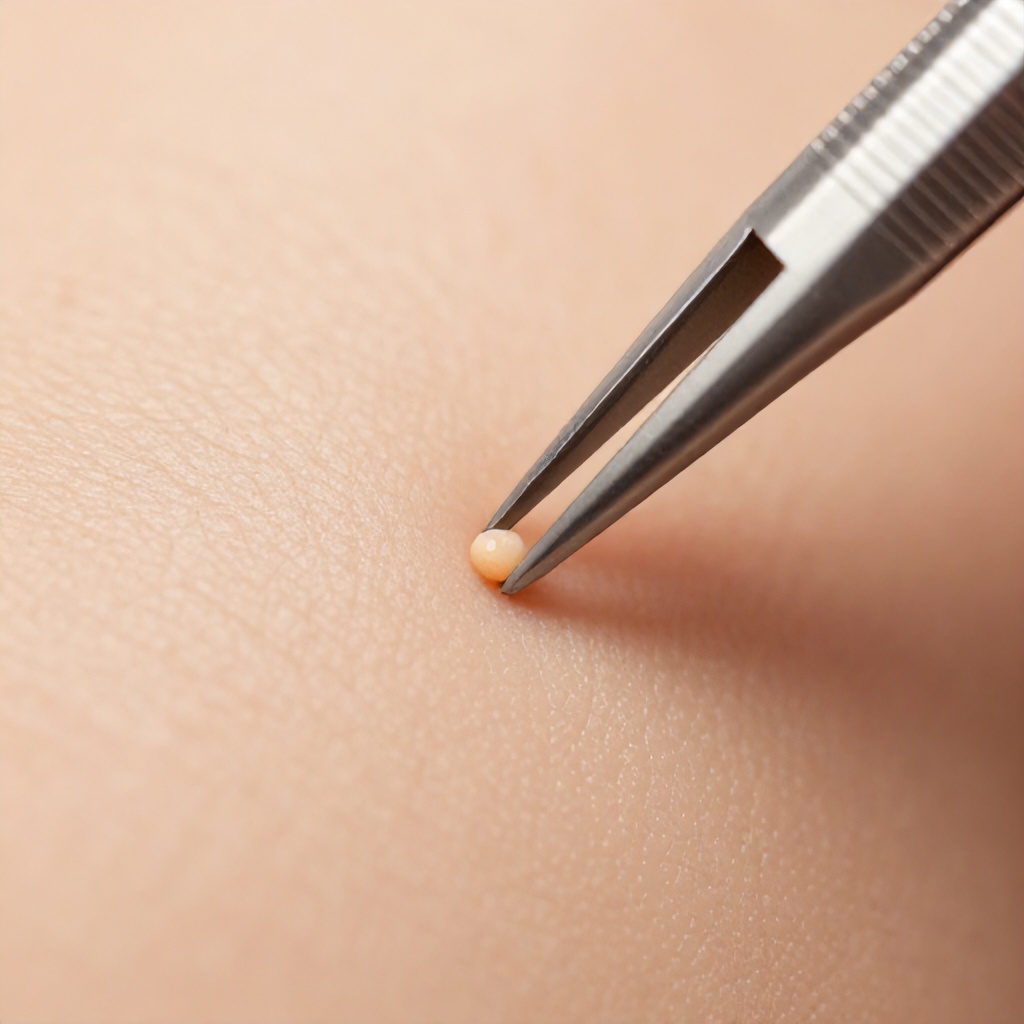
Close-up Skin Blemish Removal Using Tweezers: A Detailed Clinical View
Using tweezers for close-up skin blemish removal, while seemingly straightforward, requires a nuanced understanding of skin anatomy and potential risks to avoid causing more harm than good.

Understanding the Blemish
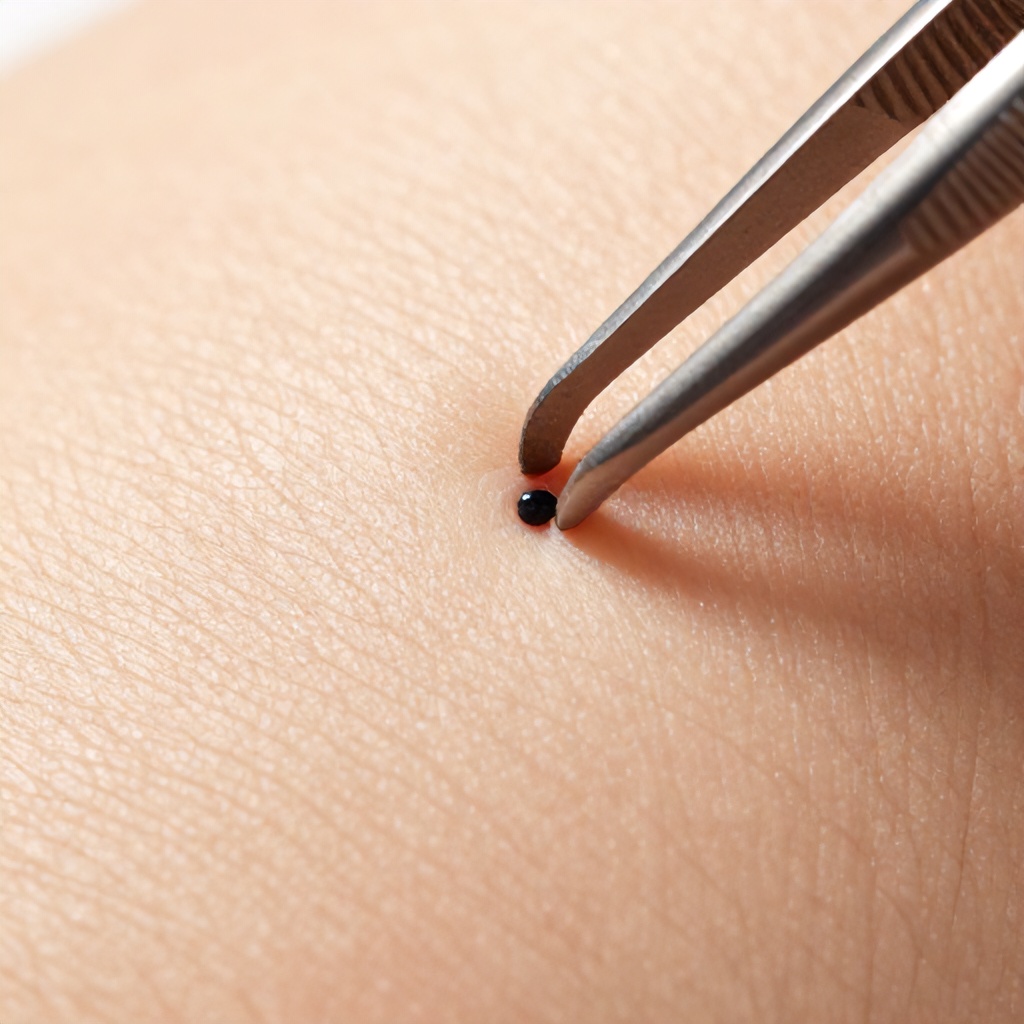
Before even thinking about tweezers, it’s essential to identify what kind of blemish you’re dealing with. Not all skin imperfections are created equal, and attempting to remove the wrong type can lead to infection, scarring, or increased inflammation. We’re primarily talking about superficial blockages within the hair follicle or sebaceous gland. These can include closed comedones (whiteheads), open comedones (blackheads), and sometimes even small, superficial pustules. Ingrown hairs, where a hair curls back into the skin, are another common target for extraction.
Blackheads, for instance, are open pores clogged with sebum and dead skin cells. The dark appearance isn’t dirt; it’s the oxidation of the material exposed to air. Whiteheads are closed pores with the same buildup, but the lack of air exposure keeps them white or flesh-colored. Pustules are inflamed lesions, often with a visible pus-filled head, indicating a more active infection. Ingrown hairs are particularly tricky, as the hair itself is trapped beneath the skin’s surface.
Sebaceous filaments are often mistaken for blackheads. These are natural structures within pores that help transport sebum to the skin’s surface. They appear as tiny, grayish or yellowish dots and are normal. Attempting to “remove” them with tweezers can damage the pore lining.
When Tweezers Might Be Considered
In a clinical setting, dermatologists and estheticians might use specialized tools, including fine-tipped tweezers, as part of a professional extraction process. This is usually reserved for specific types of blemishes that are ripe for removal and where manual pressure alone could cause damage. Think of a very stubborn, non-inflamed blackhead that hasn’t responded to other acne treatment or a clearly visible, superficial ingrown hair.
The key here is “ripe.” A blemish that is ready for extraction will often have a visible head, indicating that the blockage is close to the surface. Trying to force extraction on a deep, inflamed pimple or a blemish that isn’t ready is a recipe for disaster. It can push the contents deeper, leading to more significant inflammation, infection, and potentially a permanent mark on the skin. This is why professional guidance is so important in skincare.
The Risks of DIY Tweezing
The temptation to grab tweezers from the bathroom cabinet for a quick zit removal is strong, but the risks are significant. When performed at home without proper sterilization, lighting, and technique, tweezer use can lead to:
- Infection: Non-sterile tweezers can introduce bacteria into the open pore or skin, leading to pustules, cellulitis, or even abscesses.
- Scarring: Aggressive squeezing or digging with tweezers can damage the dermis, the deeper layer of skin, resulting in permanent indentations or raised scars.
- Hyperpigmentation: Inflammation and trauma to the skin can trigger post-inflammatory hyperpigmentation (dark spots) or hypopigmentation (light spots).
- Increased Inflammation: Rather than removing the blemish, you can push the contents deeper or rupture the follicle wall, making the area more red, swollen, and painful.
- Broken Capillaries: The delicate skin around the blemish can be easily damaged, leading to visible, broken blood vessels that are difficult to treat.
- Spreading Bacteria: If you have an active breakout, using unsterilized tweezers can spread bacteria to other areas of your face, causing new blemishes to form.
These are not minor inconveniences; they are potential long-term skin concerns that can be far more difficult and costly to address than the original blemish. This is why dermatological procedures are performed with extreme care and sterile equipment.
Professional Extraction Techniques
In a professional setting, the approach to blemish removal using tools is meticulous. It’s less about “popping” and more about controlled extraction. Here’s a general overview of how it might be approached in a cosmetic treatment or dermatological setting:
Preparation is Key
The skin is thoroughly cleansed to remove all surface debris and makeup. Often, a gentle exfoliant or a warm compress is used to soften the skin and open the pores slightly, making extraction easier and less traumatic. This is a far cry from a quick mirror inspection in a poorly lit bathroom.
Tool Selection and Sterilization
Professionals use specialized extraction tools, which may include comedone extractors (loop or spoon-shaped devices designed to apply gentle pressure around the blemish) or very fine-tipped, medical-grade tweezers. All instruments are rigorously sterilized using autoclaves or medical-grade disinfectants. This step is non-negotiable for preventing infection.
The Extraction Process
The goal is to apply precise, controlled pressure around the blemish to encourage the release of the blockage. For comedones, the tool is positioned to gently press on the surrounding skin, coaxing the plug out. If tweezers are used, it’s typically to grasp a very superficial, exposed hair shaft or a small, protruding element of a comedone. The movement is slow, deliberate, and guided by visual cues and the client’s feedback. If the blemish doesn’t yield easily, it’s left alone.
For ingrown hair removal, the process involves carefully exposing the trapped hair. This might involve a sterile needle to gently lift the skin flap covering the hair, allowing it to be grasped with fine-tipped tweezers and gently pulled out in the direction of hair growth. The aim is to release the hair without causing significant trauma to the follicle or surrounding skin.
Post-Extraction Care
After extraction, the area is typically treated with an antiseptic solution to further minimize the risk of infection. A soothing agent, such as a calming serum or a light, non-comedogenic moisturizer, is applied to reduce redness and promote healing. Clients are often advised on how to care for the skin at home to prevent further breakouts and support recovery.
DIY Tweezing: When to Absolutely Avoid
There are certain types of blemishes and situations where using tweezers at home is a definite no-go:
- Inflamed Pimples: Any blemish that is red, swollen, and painful, especially if it doesn’t have a clear head, should be left alone. Tweezing these will only worsen the inflammation and increase the risk of scarring.
- Deep Cysts: These are large, painful lumps beneath the skin’s surface. They require professional dermatological intervention and should never be squeezed or poked at home.
- Any Sign of Infection: If the area around the blemish is hot, red, and increasingly painful, it might indicate a developing infection. Tweezing will spread it.
- Moles or Skin Tags: These are growths that should only be removed by a medical professional. Attempting to remove them with tweezers can lead to bleeding, infection, and potentially misdiagnosis of a more serious condition.
- When You Can’t See Clearly: If you’re struggling to get a good view of the blemish or the surrounding skin, don’t proceed. Poor lighting and magnification are major contributors to DIY damage.
Alternatives to Tweezing for Blemish Removal
Fortunately, there are many effective and safer ways to manage skin imperfections without resorting to risky DIY extraction. A consistent and targeted skincare routine is your best defense.
Key Skincare Ingredients and Practices
For general pore cleansing and managing minor blockages, consider incorporating these into your routine:
- Salicylic Acid (BHA): This oil-soluble acid can penetrate into pores to dissolve sebum and dead skin cells, making it excellent for blackhead removal and preventing future clogs.
- Benzoyl Peroxide: Effective at killing acne-causing bacteria and reducing inflammation.
- Retinoids (Retinol, Adapalene): These vitamin A derivatives speed up cell turnover, preventing dead skin cells from clogging pores and helping to clear existing blemishes.
- Gentle Exfoliation: Chemical exfoliants (AHAs like glycolic acid, and BHAs like salicylic acid) are generally safer and more effective than harsh physical scrubs for pore cleansing.
- Clay Masks: These can help absorb excess oil and draw impurities from the pores.
- Proper Facial Cleansing: Washing your face twice daily with a gentle cleanser removes excess oil, dirt, and makeup that can contribute to blemishes.
These methods, when used consistently, promote healthier skin and can significantly reduce the need for manual extraction. They work on a cellular level to improve skin texture and clarity over time.
Seeking Professional Help
If you frequently struggle with stubborn blemishes, deep cysts, or recurring ingrown hairs, it’s always best to consult a dermatologist or a licensed esthetician. They can accurately diagnose the cause of your skin concerns and recommend appropriate treatments. This might include prescription medications, professional facials, or in-office procedures like chemical peels or microdermabrasion, which offer a form of micro-exfoliation that can improve skin texture and pore appearance.
These professionals have the knowledge, sterile equipment, and specialized tools to perform extractions safely and effectively, minimizing the risk of complications. They can also offer personalized advice for your specific skin type and concerns, ensuring you achieve the best possible results for your beauty treatment and overall skin health.
Ultimately, while the idea of a quick fix with tweezers might be appealing, understanding the potential damage it can cause is crucial. Prioritizing skin health through proper care and seeking professional guidance when needed is the most effective path to clear, healthy skin.