A soft girl reset routine centers on reclaiming your time through intentional living and small, sensory-focused habits that prioritize emotional well-being. By shifting your focus from productivity-driven tasks to gentle, restorative actions, you create a space where your nervous system can finally settle. This approach to wellness is not about achieving a specific aesthetic for social media, but rather about curating a daily experience that feels soft, supportive, and deeply personal.

The Philosophy of the Soft Reset
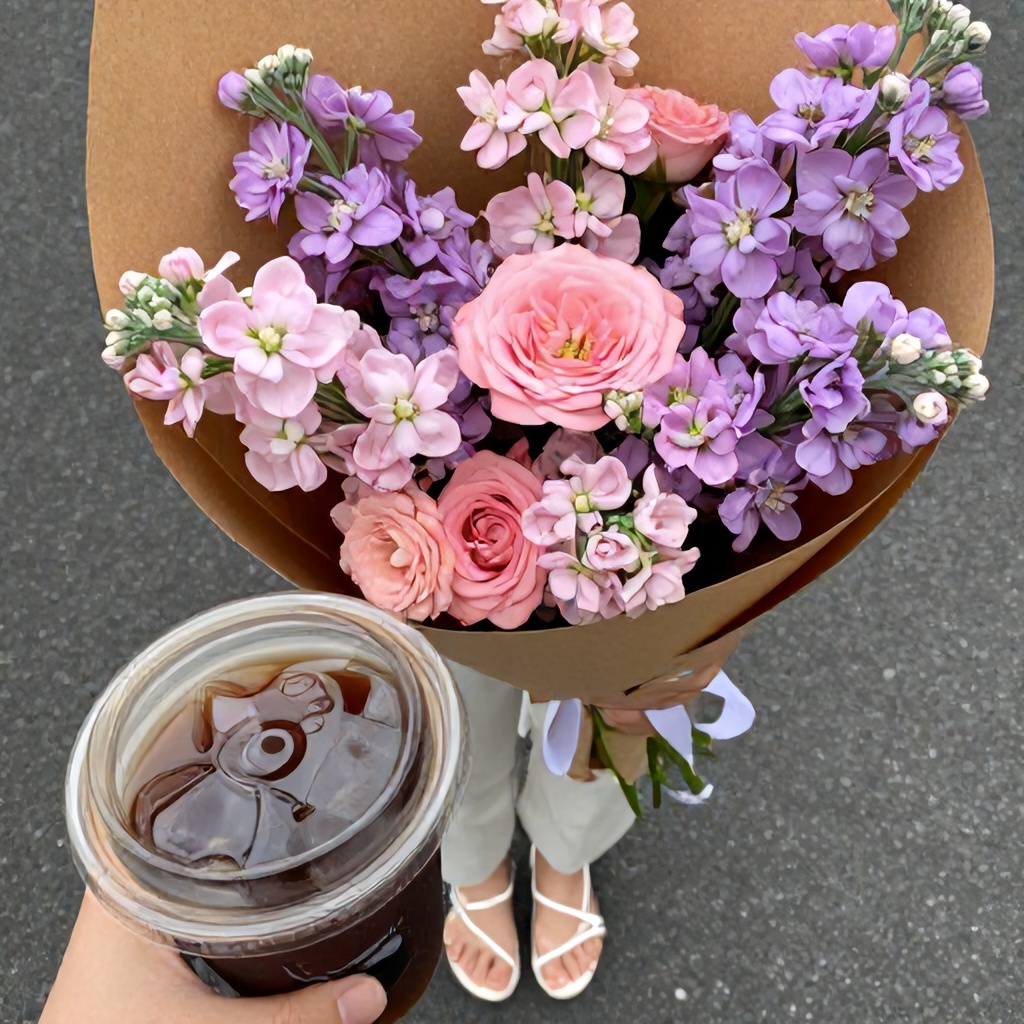
Modern life often demands a high-energy, high-output version of ourselves. A soft reset acts as a counter-balance to this pressure. It is a practice of slow living that encourages you to view your environment as a canvas for comfort. When you intentionally choose how you interact with your space, your clothes, and your schedule, you move away from the frantic pace of the outside world and into a state of feminine energy that feels sustainable.
This process begins with recognizing when you are running on autopilot. If your mornings consist of scrolling through notifications before your feet hit the floor, you are starting your day in a reactive state. A soft reset asks you to pause. It asks you to replace the noise with a morning intention that honors your need for peace. By choosing to move slowly, you are not being lazy; you are being protective of your mental clarity.

Morning Wellness and Intentional Living
Your morning is the foundation of your emotional well-being. Instead of reaching for your phone, try to keep your first thirty minutes screen-free. This simple boundary is a powerful grounding technique. Start by opening your curtains to invite natural light into your room, which helps regulate your circadian rhythm and boosts your mood naturally.
Hydration is another pillar of this routine. A glass of room-temperature water with a squeeze of lemon or a sprig of fresh mint feels like a small, luxurious gift to your body. While you sip, consider your morning intention. This does not need to be a complex goal. It can be as simple as deciding to be kind to yourself during a stressful meeting or choosing to notice the beauty in your commute.

Curating Your Morning Environment
- Swap harsh overhead lighting for warm, low-level lamps or sunlight.
- Create a playlist of instrumental or soft acoustic tracks to play while you get ready.
- Use a ceramic mug that feels good in your hands to make your coffee or matcha ritual feel special.
- Keep a small notebook nearby to jot down one thing you are grateful for before you start your tasks.
Minimalist Beauty and Self-Love Rituals
A natural beauty routine should feel like an act of self-love rather than a chore. The goal is to highlight your features, not mask them. Focus on products that feel good on your skin, such as lightweight tinted moisturizers, cream blushes that mimic a natural flush, and lip balms that provide deep hydration. This minimalist approach saves time and keeps your skin feeling breathable throughout the day.
Facial massage is a staple in the wellness aesthetic for a reason. Using a gua sha tool or simply your fingertips with a high-quality facial oil can help release tension held in the jaw and brow. This practice is excellent for stress reduction and helps you reconnect with your physical body. Spend three to five minutes massaging in upward motions, focusing on areas where you feel tightness.
Avoid the temptation to over-complicate your skincare. Adding too many active ingredients at once can cause irritation. Stick to a gentle cleanser, a hydrating serum, and a moisturizer that works for your specific skin type. Consistency is far more effective than a ten-step routine you only follow once a week.
Creative Expression as Grounding
Creative expression is a vital component of a soft girl reset. When you engage in hobbies that have no goal other than enjoyment, you tap into a flow state that is incredibly restorative. Whether it is painting, sewing, or simply arranging flowers in a vase, these activities allow you to step away from the digital world and into a tactile one.
Journaling is another essential tool for emotional well-being. Use your journal to process your thoughts, track your moods, or practice a gratitude practice. When you write things down, you move them from your mind onto the page, which can significantly lower your anxiety levels. If you find it hard to start, try writing three things that made you smile during the day, no matter how small they were.
Integrating Hobbies into Your Routine
You do not need a dedicated studio to be creative. Keep a small basket of supplies near your favorite chair. This makes it easy to pick up a project for ten minutes while you listen to a podcast or enjoy a cup of tea. By making your creative tools accessible, you remove the barrier to entry and make it more likely that you will actually use them.

The Art of Lifestyle Curation
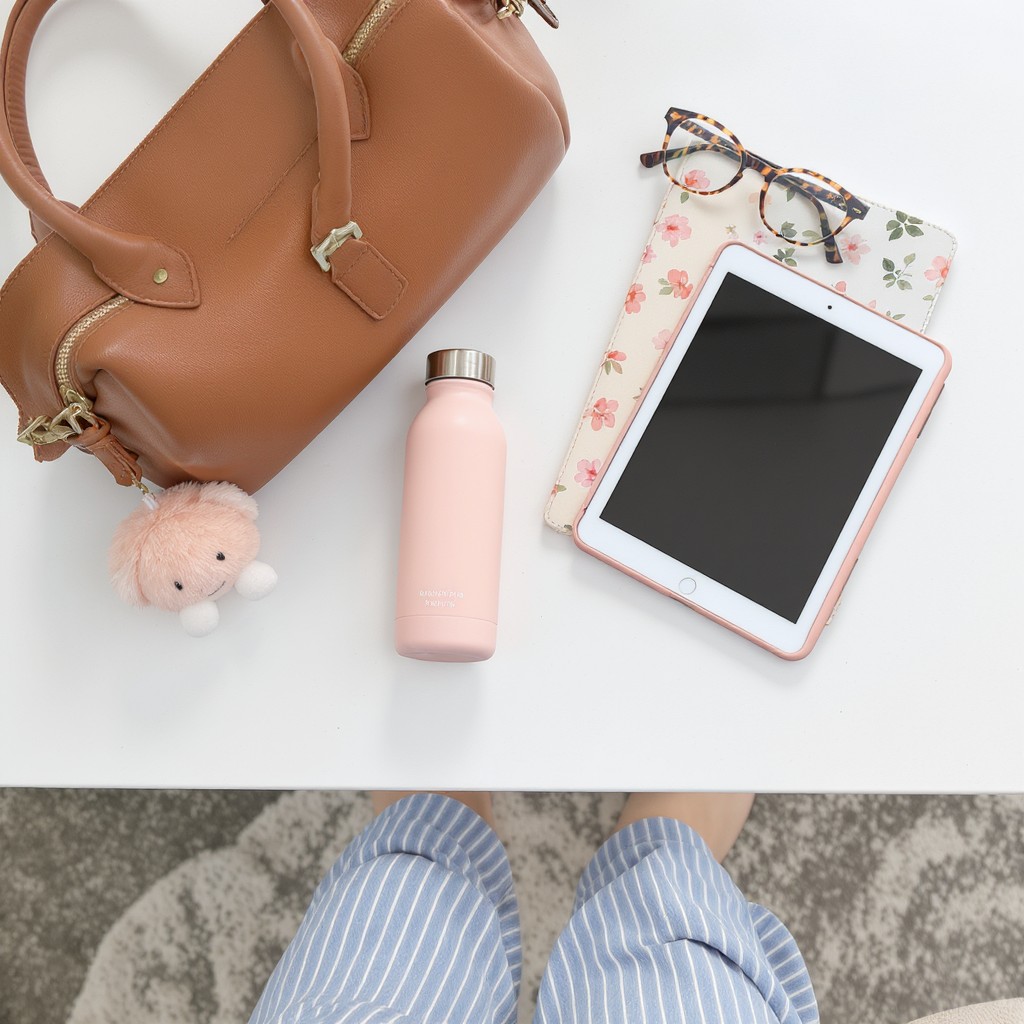
Lifestyle curation is about surrounding yourself with items and habits that reflect the person you want to be. This does not mean you need to buy new things constantly. It means being intentional about what you keep in your space. Does your environment feel cluttered and chaotic? A soft reset often begins with a small decluttering project. Clear off your desk, organize your vanity, or donate clothes that no longer make you feel confident.
When you curate your life, you are essentially creating a sanctuary. This is the core of the wellness aesthetic. It is about making your home a place where you can truly exhale. Think about the textures in your room—soft blankets, linen pillows, and warm rugs all contribute to a sense of safety and comfort. These sensory details are not frivolous; they are essential for maintaining a calm nervous system.
Maintaining Your Reset Long-Term
The biggest mistake people make with a reset is trying to do too much at once. If you try to change your diet, your sleep, your exercise, and your hobbies in a single day, you will likely burn out by the end of the week. Instead, pick one or two habits from this list and practice them for a month. Once they feel like a natural part of your day, add another.
Remember that your wellness journey is not linear. There will be days when you feel overwhelmed or when you simply cannot stick to your routine. This is perfectly normal. The beauty of a soft reset is that it is forgiving. You can always start again the next morning. The goal is to cultivate a relationship with yourself that is rooted in grace and patience.
How do I start a soft girl reset if I have a busy job?
Focus on micro-habits. Even if you only have five minutes, use that time to stretch, breathe deeply, or apply a nice-smelling lotion. These small moments of intentionality can shift your entire perspective during a hectic workday.
Is this routine expensive to maintain?
Not at all. Many of the most effective rituals, such as journaling, stretching, and mindful breathing, are completely free. You can curate your aesthetic by thrifting, repurposing items you already own, or simply organizing your space in a more pleasing way.
Final Thoughts on Your Wellness Journey
Your path to a more intentional life is unique to you. Take what resonates from these suggestions and leave the rest. The most important part of this process is that you feel more connected to yourself and more at peace with your daily life. By slowing down, you allow yourself the space to grow, to create, and to appreciate the small, beautiful details that make up your existence.
Keep your focus on the feeling rather than the outcome. If a specific ritual feels like a chore, change it or let it go. Your routine should serve you, not the other way around. As you continue to practice these habits, you will likely find that you are naturally more resilient, more creative, and more in tune with your own needs. This is the true essence of a soft girl reset—a gentle, ongoing commitment to your own happiness.