8 Tips for Opening Pores for Effective Skin Cleansing and Impurity Removal

How to Open Pores for Effective Skin Cleansing and Impurity Removal

Opening pores is a key step to achieving a truly clean complexion, especially for those dealing with excess oil, breakouts, and stubborn blackheads. Pores are tiny openings in your skin that release oil and sweat. When they get clogged with oil, makeup, dead skin cells, and pollution, they can lead to issues like acne and blackheads. Making sure your pores are clear allows for a deeper cleanse and helps prevent future problems.


While oily skin types are more prone to acne and blackheads, other skin types can also experience clogged pores. The daily accumulation of makeup, environmental pollutants, and natural skin oils can affect anyone. That’s why establishing a consistent skincare routine and practicing daily care is so important. When pores are open, the cleansing process becomes much more effective, helping to eliminate existing blemishes and prevent new ones from forming. Here’s how you can achieve a cleaner, clearer complexion at home.

1. Wash Your Face with Facial Gel and Warm Water

This is your foundational step for properly cleansing your face. Warm water is fantastic because it gently helps to open up your pores, making them more receptive to cleansing. Following that, a good facial gel cleanser works to lift away impurities from the skin’s surface.

To get the best results, use circular motions as you apply the cleanser, spreading it over your entire face until it lathers up. Once you’ve massaged it in, rinse your face thoroughly with plenty of water and pat it dry immediately. This initial cleanse sets the stage for deeper purification.

2. Open Pores with Steam

Steaming your face is a wonderful way to further encourage pore opening and help loosen up any trapped impurities. This process softens the skin, preparing it for a more thorough deep cleansing.

To do this, simply boil some water until it starts to bubble. During this process, it’s really important to be mindful of the steam’s temperature. You don’t want to burn your skin. Once the steam feels comfortably warm on your face, position yourself so your skin is exposed to it. Continue the process until you feel your face has become nicely warm. This ensures adequate vaporization and effectively opens your pores, making them ready for the next steps in your skincare routine.

3. Use a Clay Facial Mask

A clay facial mask is a powerhouse for cleaning out pore gunk and helping to manage excess oiliness. The natural properties of clay offer both nourishment and purification for your skin. It’s a fantastic addition to your skincare regimen!
Apply a thin layer of the mask to your face, using your fingers or a facial brush for easy and even application. Let the mask work its magic for about 10 to 15 minutes, making sure to avoid the delicate eye and lip areas. After the time is up, gently rinse off the mask with warm water and pat your skin dry with a towel. It’s a straightforward yet highly effective step.

4. Apply a Facial Scrub to Further Open Pores

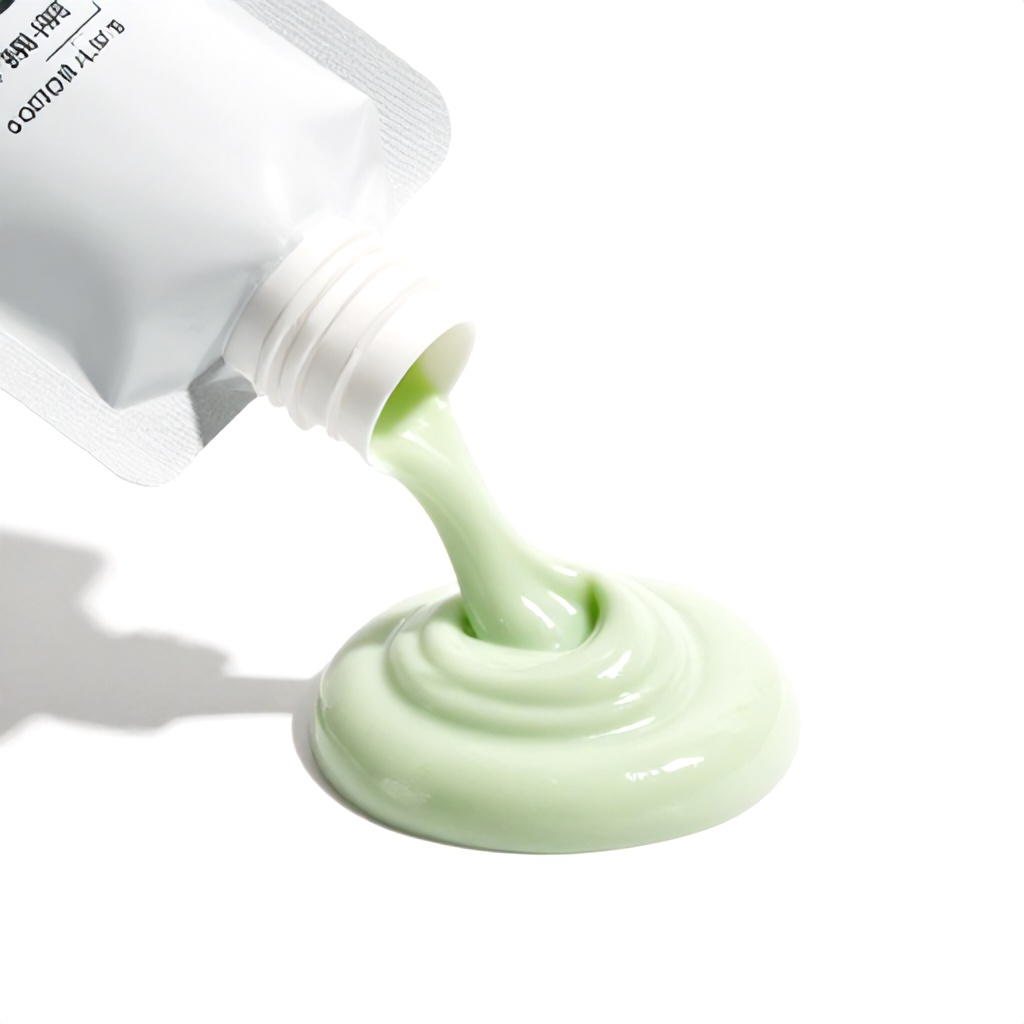
A facial scrub is excellent for tackling deeper impurities within the pores and sloughing away dead skin cells, which significantly contributes to a cleaner complexion. Gentle, circular motions are key when using a scrub, as they help to dislodge blackheads and remove as many impurities as possible.

Simply apply the product to your damp face, using your hands or a cotton pad. You should then massage the skin gently. This action helps to exfoliate and refine the skin’s texture.
5. Use a Facial Brush for Deeper Cleansing

A facial brush can be a game-changer for getting into those hard-to-reach areas and ensuring a more thorough cleanse. The bristles of the brush, when used with your facial cleanser, can help to sweep away dirt, oil, and makeup residue that might otherwise linger in your pores.

Gently move the brush over your damp face in circular motions, allowing it to do the work of lifting impurities. Be sure to use a brush that’s appropriate for your skin type – softer bristles for sensitive skin, and slightly firmer ones for normal or oily skin. Rinse your face thoroughly afterward.

6. Consider a Professional Cleansing Treatment

Sometimes, professional help is the best way to address persistent pore issues. A professional cleansing treatment, often referred to as a “limpeza de pele” in Portuguese, goes beyond what you can typically achieve at home.
These treatments often involve a combination of deep cleansing, exfoliation, and sometimes even gentle extraction methods to remove blackheads and whiteheads. Aestheticians have specialized tools and knowledge to address your specific skin concerns, making it a highly effective option for deep pore purification and managing conditions like acne and excessive oiliness.

7. Apply a Toner After Cleansing

Once your pores are clean and your skin is refreshed, applying a toner is a great follow-up step. Toner helps to remove any residual impurities that might have been left behind after cleansing and can also help to rebalance your skin’s pH.

Many toners also contain ingredients that can help to minimize the appearance of pores over time. Look for toners with ingredients like salicylic acid or witch hazel, which are known for their pore-refining properties. Apply it using a cotton pad, gently sweeping it across your face.

8. Moisturize to Maintain Skin Health

It might seem counterintuitive, but moisturizing after cleansing is crucial, even for oily skin. When you cleanse your skin, you remove not only impurities but also some of its natural moisture. If you don’t moisturize, your skin might overcompensate by producing even more oil, leading to further pore congestion.

Choose a lightweight, oil-free moisturizer that won’t clog your pores. This step helps to keep your skin hydrated and balanced, which is essential for overall skin health and can indirectly help manage the appearance of pores.

Frequently Asked Questions About Opening Pores

Q: Can opening pores really help with acne and blackheads?

A: Yes, absolutely. When pores are open and clear, it’s much harder for oil, dead skin cells, and bacteria to build up and cause breakouts like acne and blackheads (cravinhos).

Q: How often should I open my pores for cleansing?

A: For most people, performing a deep pore cleansing routine like this once or twice a week is sufficient. Overdoing it can irritate your skin. Your daily skincare routine should focus on gentle cleansing and hydration.

Q: Is warm water safe for opening pores?

A: Warm water is generally safe and effective for gently opening pores. However, avoid extremely hot water, as it can strip your skin of its natural oils and cause irritation. Lukewarm or comfortably warm water is ideal.

Q: Can I extract blackheads myself after opening my pores?

A: While opening pores can make blackheads easier to remove, it’s best to be very gentle. Aggressive extraction can damage your skin and lead to inflammation or scarring. If you’re unsure, it’s always safer to seek professional help for extractions.

Q: What if I have sensitive skin? Are these methods suitable?

A: If you have sensitive skin, proceed with caution. Always patch-test new products. Opt for gentler versions of scrubs and masks, and reduce the frequency of deep cleansing. Listen to your skin and adjust accordingly.
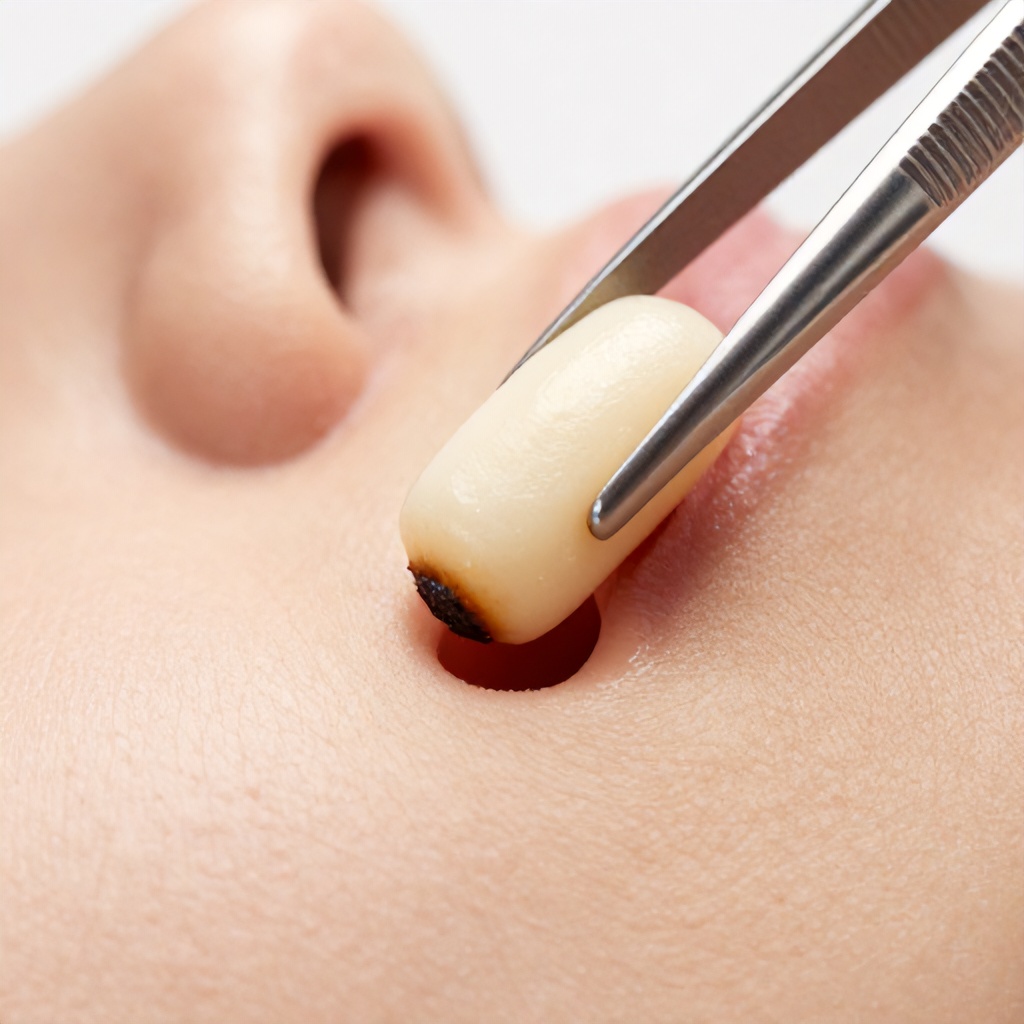
Professional Extraction of a Large Solid Skin Plug Using Metal Tweezers

Professional Extraction of a Large Solid Skin Plug

Professional extraction of a large solid skin plug requires sterile metal tweezers and a steady hand to prevent scarring or infection. This dermatological extraction focuses on removing a hardened mass of sebum and dead skin cells that has become wedged within a follicle. When these materials compact over time, they form a dense, waxy obstruction known as a sebaceous plug or a large comedone. Unlike a soft whitehead, a solid plug has lost its moisture, making it a physical barrier that the skin cannot easily expel on its own. A licensed aesthetician or dermatologist uses specific manual extraction techniques to clear this congestion without damaging the surrounding epidermal treatment area.

Understanding the Nature of a Sebaceous Plug

A sebaceous plug starts as a simple mixture of oil and skin cells. Your skin naturally produces sebum to stay lubricated. Sometimes, this oil gets trapped. It mixes with keratin. It thickens. As the plug sits in the pore, it is exposed to air, which causes the top to oxidize and turn dark, resulting in a blackhead. However, the bulk of the plug remains a solid, off-white or yellowish mass beneath the surface. This is skin congestion at its most stubborn. The follicle wall stretches to accommodate the growing mass. If left alone, the pressure can cause the pore to appear permanently enlarged or lead to a painful cyst if the wall ruptures.

These plugs often feel like small, hard grains under the skin. They do not respond to traditional foaming cleansers or light exfoliation because the blockage is too deep and too dense. The material has become a solidified “core” that requires physical intervention. Professional skincare experts identify these by their raised texture and the slight discoloration of the pore opening. They are common on the nose, chin, and back, where sebaceous glands are most active and numerous.

The Essential Professional Toolkit

Precision is the primary requirement for a successful skin blemish removal. Professionals do not use their fingernails. Fingernails are blunt. They carry bacteria. Instead, a clinical environment utilizes medical-grade tweezers and precision forceps designed specifically for the task. These tools are usually made of high-quality stainless steel that can be autoclaved or chemically sterilized between uses. The tips are incredibly fine, often tapering to a point thinner than a human hair. This allows the practitioner to grip only the plug itself, avoiding unnecessary trauma to the healthy skin nearby.

There are different shapes of tweezers used in a professional skincare setting. Curved tweezers are popular for pulling plugs from rounded areas like the crease of the nostril. Straight, pointed forceps allow for a direct, vertical pull on very deep pore extraction sites. Some aestheticians also use a comedone extractor, which features a small metal loop, but for a truly solid, large plug, tweezers provide the grip necessary to lift the entire mass out in one piece. Using the wrong tool often results in the plug snapping, leaving a portion behind to cause further inflammation.

Sanitation and Safety Protocols

Safety starts with a clean field. The practitioner wears sanitary gloves to prevent the transfer of oils and pathogens. The skin is prepped with an antiseptic solution, such as isopropyl alcohol or a specialized pre-extraction fluid. This ensures that when the pore is opened, no surface bacteria can enter the empty follicle. Every tool is removed from a sterile pouch right before the procedure begins. Maintaining a clinical environment is what separates a professional service from a risky at-home attempt.

The Step-by-Step Extraction Process

The procedure begins with softening the skin. A professional will often use a facial steamer or a warm compress for several minutes. Heat expands the pore opening and softens the hardened sebum. This makes the plug more pliable. Without this step, the plug remains brittle. It might resist removal. Some practitioners also apply a desincrustation gel, which uses an alkaline pH to further liquefy the outer edges of the blockage. Once the skin is prepped, the extraction can proceed.

  1. The aesthetician positions a magnifying lamp over the area to see the exact boundaries of the plug.
  2. Using the tips of the precision forceps, they apply gentle, downward pressure around the perimeter of the pore.
  3. As the top of the plug begins to emerge, the tweezers grip the exposed edge firmly but carefully.
  4. The practitioner uses a slow, steady pulling motion. They do not jerk or twist.
  5. The entire solid mass is lifted out of the follicle, often leaving a temporary, clean “crater” in the skin.
  6. The area is immediately dabbed with a soothing, antibacterial toner to close the site and reduce redness.

The sensation for the client is usually one of intense pressure followed by immediate relief. Unlike popping a pimple, which involves explosive force, a professional extraction is a controlled lift. The goal is follicle clearing with zero blood and minimal redness. If the plug is particularly large, the aesthetician may work in stages, loosening the edges before the final pull. This patience prevents the skin from tearing.

Why Extraction Content Goes Viral

The rise of the viral skincare video has brought professional extractions into the mainstream. Millions of people watch macro skincare photography and high-definition recordings of these procedures. There is a psychological phenomenon behind this. It is often described as “satisfying.” Seeing a physical obstruction removed from a clean, clinical setting provides a sense of order and resolution. It triggers a release of dopamine for many viewers. This reaction content has turned simple dermatology tools into recognizable icons of the “skin-fluencer” world.

Social media formats favor the “before and after” impact. A large, dark pore suddenly becoming clean and empty is a powerful visual. However, these videos often skip the hours of preparation and the strict aftercare required. While they are fascinating to watch, they can sometimes give the false impression that extraction is easy or should be done by anyone with a pair of tweezers. The reality is that the “satisfying extraction” seen on screen is the result of years of training in manual extraction techniques.

The Role of Macro Photography

Macro lenses allow viewers to see the texture of the skin in ways the naked eye cannot. You can see the individual flakes of keratin. You can see the way the metal tweezers interact with the epidermal layers. This level of detail highlights the complexity of the skin. It shows that a pore is not just a hole, but a complex, living structure. High-definition footage also helps students of aesthetics learn the subtle cues of when a plug is ready to be pulled and when it needs more softening.

Risks of At-Home Interference

Attempting to remove a large solid skin plug at home is risky. Most household tweezers are not sharp enough. They are often contaminated with bathroom bacteria. When a person squeezes their skin with blunt tools or fingers, they apply lateral pressure. This pressure can push the plug deeper into the dermis. If the follicle wall breaks underground, the sebum and bacteria spill into the surrounding tissue. This leads to a localized infection, a painful nodule, or a permanent scar. What started as a simple clogged pore can turn into a month-long skin crisis.

Hyperpigmentation is another major concern. Forcing an extraction causes trauma. The skin responds by producing excess melanin as a protective measure. This leaves a dark spot that can take months to fade. Professionals know how to apply pressure in a way that avoids triggering this inflammatory response. They also know when to stop. If a plug does not budge with gentle professional pressure, a dermatologist may choose to use a tiny lancet or recommend a topical treatment instead of forcing it.

Post-Extraction Skin Recovery

After the plug is gone, the skin needs to heal. The empty follicle is vulnerable. A professional will typically apply a high-frequency wand or a targeted LED light treatment. High-frequency tools use a glass electrode to generate oxygen, which kills bacteria and calms the skin. Blue light therapy is also common for its antimicrobial properties. These steps ensure that the “satisfying extraction” doesn’t result in a new breakout the next day.

At home, the client must follow a strict regimen for the next forty-eight hours. This includes avoiding heavy makeup and intense sweating. The skin should be treated with gentle, non-comedogenic moisturizers. Ingredients like centella asiatica or niacinamide are excellent for soothing the area. It is also vital to use sun protection. The freshly cleared pore is sensitive to UV damage, which can lead to those aforementioned dark spots. Healing usually takes three to five days, after which the pore will naturally shrink back to its original size.

Long-Term Pore Maintenance

Preventing the return of solid skin plugs involves consistent follicle clearing. You cannot change your pore size, but you can change what is inside them. Chemical exfoliants are the best defense. Salicylic acid is oil-soluble, meaning it can get inside the pore to dissolve the “glue” that holds sebum and dead skin together. Using a 2% BHA liquid twice a week can keep the sebum fluid, preventing it from hardening into a plug. This reduces the need for frequent manual extractions.

Retinoids also play a massive role in skin health. They speed up cell turnover. This prevents dead skin cells from lingering long enough to clog the follicle. When combined with a double-cleansing routine—using an oil-based cleanser followed by a water-based one—the skin stays clear and balanced. Oil cleansers are particularly effective at breaking down surface sebum so it doesn’t accumulate. Consistency is the key to avoiding the deep-seated congestion that requires professional intervention.

Choosing Professional Aesthetician Services

When looking for a professional to handle extractions, check their credentials. Look for a licensed aesthetician who specializes in “clinical facials” or “acne treatments.” Ask about their sterilization process. A good practitioner will be happy to explain how they clean their tools. They should also perform a thorough skin analysis before touching your face. If they try to force every single pore clear in one session, they may be too aggressive. A true professional prioritizes the long-term integrity of your skin over a single “satisfying” result.

Regular professional cleanings, perhaps once a month or once a quarter, can keep skin congestion under control. These sessions allow for the removal of small plugs before they become large, solid masses that are harder to extract. It is a proactive approach to beauty. By maintaining the health of the follicles, you ensure a smoother skin texture and a more radiant complexion. Professional extraction is a tool, but a solid daily routine is the foundation of clear skin.

Final Thoughts on Skin Health

The process of removing a solid skin plug is a blend of science and art. It requires an understanding of anatomy, a mastery of specialized tools, and a commitment to hygiene. While the visual of the extraction is what captures our attention on social media, the real value lies in the relief it provides to the skin. Clearing a blockage allows the skin to breathe and function normally again. It prevents future inflammation and helps maintain a youthful, healthy appearance. Respect your skin by choosing professional care for deep extractions and supporting it with a thoughtful, evidence-based routine at home.

Exit mobile version