Whole Foods Carbohydrates: Your Body’s Essential Fuel
Carbohydrates are a vital body fuel source, providing both immediate and stored energy. When you choose carbohydrates from whole food options, you get the full package: energy, fiber, vitamins, minerals, and fantastic flavors.


New to this site? Start Here | Contact | Faq | Member Login | Can I help you find something? | Search
Share | Pin 3K | Tweet | Email
3K Shares


I know carbs can be a source of confusion – but they’re actually a very important body fuel source that provide immediate – and stored – energy. When you choose your carbs from whole food options, you can reap the rewards of all of their energy, fiber, vitamins, minerals and delicious flavors in your meals. On that note, let’s clarify what I mean by “whole foods”. These are simply foods being prepared and eaten in their natural, unprocessed state, and they can be from animal or plant sources. Some great options for whole food carbs include fruits, vegetables, whole grains, and legumes.
Whole food carbohydrates not only taste great, but they also support lean muscle development and provide stable energy. You can enjoy them without worrying about them sabotaging your goals or adding unwanted body fat.
It’s true that eating an excess of any nutrient, including carbohydrates, can have that effect. This is much more likely to happen when your food choices come from foods with added sugar, like processed foods, rather than from foods in their natural state.
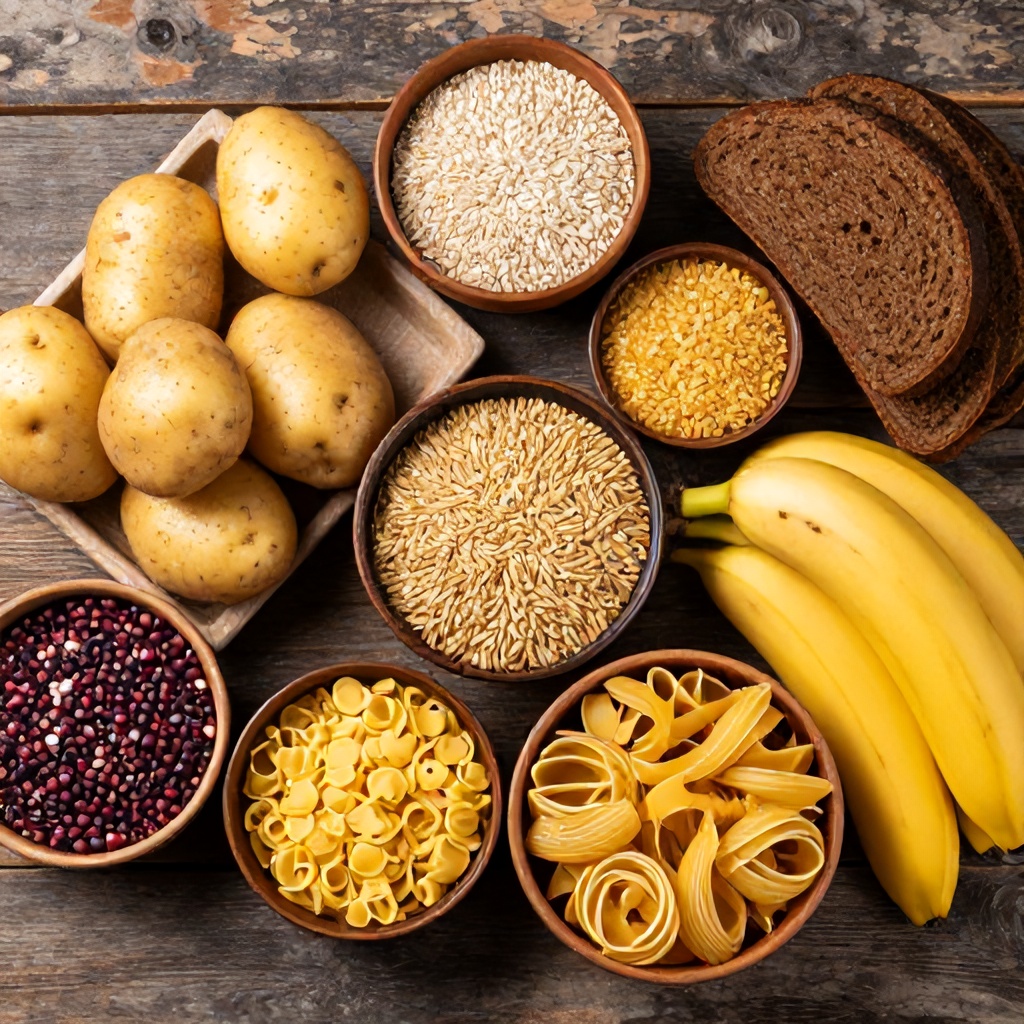
What ARE Carbohydrates?
Carbohydrates are organic compounds found in food. They contain naturally-occurring sugars like glucose and fructose, starch, and fiber. Think of them as the body’s primary energy currency.
All whole food carbohydrates are packed with phytonutrients, vitamins, and minerals. These compounds support your entire system and every single cell as it goes about its work. Ultimately, carbs break down chemically into glucose, a simple sugar that serves as the body and brain’s preferred energy source. This is why you feel that boost after eating a carb-rich meal.
Fiber is a superstar component in whole food carbohydrates. It plays a key role in slowing down the release of sugar into your blood. This leads to more steady energy throughout the day. Fiber also supports your healthy gut bacteria and immune system, and helps keep your digestive flow running smoothly. It’s like a gentle regulator for your body.

Fiber works its magic because it’s not fully broken down during carbohydrate digestion. What your body doesn’t use for other functions is then naturally excreted by your bowels. This process is essential for overall digestive health.
There are two main types of fiber: soluble and insoluble.
Insoluble fiber, as the name suggests, doesn’t dissolve in water. It passes through your body pretty much intact. This can be a real lifesaver if you have a sensitive digestive system. It adds bulk to your stools, which can help make bowel movements more regular and comfortable.

Soluble fiber, on the other hand, dissolves in water. This can help slow down digestion, making you feel fuller for longer. For example, eating a whole apple, which is rich in dietary fiber, will keep you satisfied much longer than drinking the same number of calories as apple juice, which has significantly less fiber. Soluble fiber also contributes to heart health and helps maintain optimal blood sugar levels.
What Happens in Your Body When You Eat Carbohydrates?
When you eat carbohydrate-containing foods, your digestive system gets to work breaking them down. The primary goal is to convert them into glucose, a simple sugar. This glucose then enters your bloodstream.
Your pancreas releases insulin, a hormone that helps move glucose from your blood into your cells. Cells use this glucose for immediate energy to perform all their functions, from muscle contractions to brain activity. It’s like delivering fuel directly to where it’s needed most.
If you consume more glucose than your body needs for immediate energy, it gets stored. A small amount is stored in your liver and muscles as glycogen. This glycogen acts as a readily available reserve of energy for later use, like during exercise or when you haven’t eaten for a while. Think of it as a small, easily accessible emergency fuel tank.
Any excess glucose beyond what’s needed for immediate energy and glycogen storage can be converted into fat and stored in your body’s fat cells. This is why managing your overall intake of carbohydrates, especially those from less healthy sources, is important for weight management.
The presence of fiber in whole food carbohydrates significantly impacts this process. Fiber slows down the absorption of glucose into the bloodstream. This prevents sharp spikes and crashes in blood sugar levels, leading to more sustained energy and a reduced urge to snack between meals.
Why Do I Get Carb Cravings?
Carb cravings can stem from a few different places, and it’s not always about “weakness.” Sometimes, it’s your body signaling a genuine need.
One common reason is a drop in blood sugar levels. If you haven’t eaten for a while, or if your last meal was low in carbohydrates, your blood sugar might dip. Your brain, which heavily relies on glucose for energy, will then send out signals for you to consume something that can quickly raise those levels – and sugary or starchy carbohydrates are the fastest way to do that.
Emotional factors also play a huge role. Many people associate certain carbohydrate-rich foods with comfort and reward. Feeling stressed, sad, or even bored can trigger a desire for these familiar, comforting foods. It’s a psychological connection that’s hard to break.
Furthermore, if your diet is consistently lacking in complex carbohydrates, your body might be seeking that stable energy source. Instead of a quick sugar rush, it might be craving the sustained release that whole grains or legumes provide.
Finally, even your gut bacteria can influence cravings! These tiny organisms in your digestive tract can signal your brain, and they often prefer the types of fuel found in certain carbohydrates. A healthy gut microbiome, rich in fiber-loving bacteria, can actually help regulate these signals.
When Should I Eat Carbs?
The “when” of eating carbohydrates is as important as the “what.” Timing can help optimize energy levels and support your body’s needs.
For sustained energy throughout the day, focus on including complex carbohydrates in your regular meals. Think whole grains with breakfast, legumes in your lunch salad, or a sweet potato with dinner. These provide a slow, steady release of glucose, keeping you feeling full and focused.
Pre- and post-workout nutrition is another key time for carbohydrates. Consuming easily digestible carbohydrates before exercise can provide the immediate energy needed for a good workout. After exercise, carbohydrates help replenish your depleted glycogen stores, aiding in muscle recovery and preparing your body for your next activity.
If you experience energy dips in the afternoon, a balanced snack containing carbohydrates can be beneficial. Opt for whole fruit or a small handful of whole-grain crackers instead of sugary treats to avoid a subsequent crash.
It’s less about strict rules and more about listening to your body’s signals. If you feel sluggish, consider if your carbohydrate intake is balanced throughout the day.
Good Carbs vs. Bad Carbs
The distinction between “good” and “bad” carbs often comes down to their processing and nutrient density.
Good carbs are found in their natural, unprocessed state. These are your whole food options: fruits, vegetables, whole grains (like oats, quinoa, brown rice), and legumes (beans, lentils, peas). They are rich in fiber, vitamins, minerals, and phytonutrients. The fiber content slows down sugar release, providing stable energy and promoting digestive health. These complex carbohydrates are the foundation of a healthy diet.
Bad carbs, on the other hand, are typically refined or highly processed. Think white bread, sugary cereals, pastries, cookies, candy, and sugary drinks. During processing, much of the beneficial fiber, vitamins, and minerals are stripped away. These refined carbohydrates are quickly digested, leading to rapid spikes and subsequent crashes in blood sugar levels. They offer little nutritional value and can contribute to weight gain and other health issues when consumed in excess.
The key difference lies in how quickly they are digested and absorbed, and the nutritional package they come with. Whole, unprocessed carbohydrates offer a wealth of benefits, while refined ones often lead to energy imbalances and fewer nutrients.
Healthy Carb Options
Focusing on whole, unprocessed foods is the best approach to getting your carbohydrates.
- Fruits: Apples, bananas, berries, oranges, pears – all packed with natural sugars, fiber, vitamins, and antioxidants.
- Vegetables: Sweet potatoes, carrots, broccoli, spinach, bell peppers – a powerhouse of nutrients and complex carbohydrates.
- Whole Grains: Oats, quinoa, brown rice, barley, whole wheat bread and pasta – provide sustained energy and fiber.
- Legumes: Beans (black, kidney, pinto), lentils, chickpeas – excellent sources of protein, fiber, and complex carbohydrates.
- Dairy: Milk and yogurt contain lactose, a natural sugar, and can be part of a balanced diet, especially for those who tolerate dairy well.
These options provide not just energy but also essential nutrients that support your overall well-being. They contribute to a healthy digestive system, stable blood sugar levels, and can be incredibly delicious and versatile in your cooking.
Putting It All Together
Understanding carbohydrates is about appreciating their role as your body’s primary fuel source. When you prioritize whole food options, you’re not just getting energy; you’re fueling your body with a rich array of nutrients that support everything from your brain function to your digestive health.
The journey to a healthier relationship with carbohydrates involves making conscious choices. Opting for the natural state of foods – fruits bursting with flavor, hearty whole grains, and nutrient-dense vegetables – ensures you’re getting the most bang for your nutritional buck. These choices lead to stable energy, better digestion, and a stronger immune system.
Don’t fear carbohydrates; embrace them wisely. By focusing on whole, unprocessed sources, you can harness their power to energize your life, support your body’s systems, and enjoy delicious, satisfying meals.