
Essential Yoga Poses for Daily Flexibility and Wellness Guide
Incorporating a few key yoga poses into your daily routine can dramatically improve your flexibility and overall wellness, offering a simple yet powerful way to move your body and find a sense of calm.

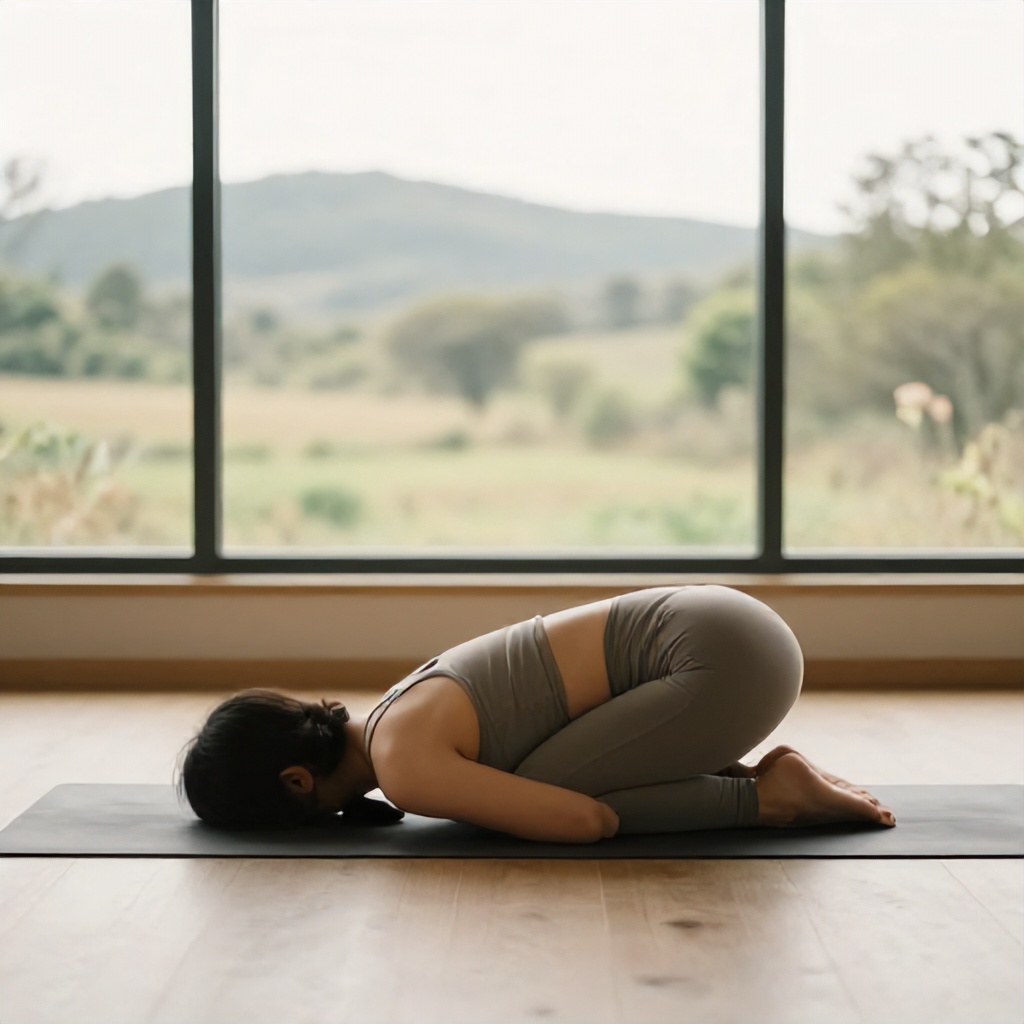
This isn’t about contorting yourself into pretzel shapes or dedicating hours to the mat. It’s about finding accessible, effective postures that can be done almost anywhere, anytime, to gently awaken your muscles, release tension, and foster a deeper connection with your physical self. Think of these as your foundational building blocks for a more supple and resilient body.
Why Daily Yoga Poses Matter
Our modern lives often involve a lot of sitting, repetitive movements, or prolonged static positions. This can lead to stiffness, aches, and a general feeling of being “stuck” in our bodies. Regular yoga practice, even in short bursts, acts as an antidote. It encourages mindful movement, promoting better body alignment and increasing your range of motion.
The benefits extend beyond the physical. These postures are designed to calm the nervous system, reduce stress, and enhance mental clarity. It’s a holistic approach to physical well-being, touching on both how you feel physically and mentally. Even a few minutes of dedicated stretching exercises can make a noticeable difference in your day.
Your Go-To Yoga Poses for Flexibility
Here are some fundamental yoga poses, often referred to as asanas, that are excellent for building daily flexibility. They are chosen for their accessibility and the broad range of benefits they offer. Imagine these presented with minimalist icons on a clean white background – a visual guide for easy reference.
1. Downward-Facing Dog (Adho Mukha Svanasana)
This is a cornerstone pose that offers a full-body stretch. It’s fantastic for lengthening the spine, stretching the hamstrings, calves, and shoulders. It also helps to build strength in the arms and legs.
How to do it: Start on your hands and knees, with your wrists directly under your shoulders and your knees under your hips. Tuck your toes under and lift your hips up and back, forming an inverted ‘V’ shape. Press firmly through your palms, spreading your fingers wide. Keep your head relaxed between your arms. You can keep a slight bend in your knees if your hamstrings are tight, focusing on lengthening your spine. Aim to press your heels towards the floor, but don’t worry if they don’t touch.
Benefits: Stretches the entire back body, strengthens arms and legs, calms the mind, can relieve mild back pain.
2. Cat-Cow Pose (Marjaryasana-Bitilasana)
This gentle flow is perfect for warming up the spine and improving its mobility. It’s a wonderful way to connect your breath with movement and release tension in the back and neck.
How to do it: Begin on your hands and knees, as in Downward-Facing Dog preparation. As you inhale, drop your belly towards the floor, lift your chest and tailbone, and gaze slightly upward (Cow pose). As you exhale, round your spine towards the ceiling, tuck your chin to your chest, and draw your navel towards your spine (Cat pose). Flow between these two poses, synchronizing your breath with each movement.
Benefits: Increases spinal flexibility, massages abdominal organs, relieves stress, gently warms up the body.
3. Child’s Pose (Balasana)
A restorative and grounding pose, Child’s Pose is your go-to for a moment of rest and deep relaxation. It gently stretches the hips, thighs, and ankles while releasing tension in the back and neck.
How to do it: Kneel on the floor with your big toes touching and your knees hip-width apart (or wider if more comfortable). Sit back on your heels and fold your torso forward, resting your forehead on the mat. Your arms can be stretched out in front of you, palms down, or relaxed alongside your body, palms up. Breathe deeply and allow your body to sink into the pose.
Benefits: Calms the brain, relieves stress and fatigue, gently stretches the hips, thighs, and ankles, promotes relaxation.
4. Low Lunge (Anjaneyasana)
This pose is excellent for opening up the hips and stretching the hip flexors, which can become tight from prolonged sitting. It also stretches the quadriceps and can improve balance.
How to do it: From a kneeling position, step one foot forward, placing it flat on the floor directly under your knee. Your front thigh should be parallel to the floor. Slide your back knee further back until you feel a stretch in the front of your hip. Keep your torso upright. You can rest your hands on your front thigh for support or extend them overhead for a deeper stretch. Repeat on the other side.
Benefits: Stretches hip flexors and quadriceps, opens the chest and shoulders, improves balance, can relieve sciatica pain.
5. Warrior II (Virabhadrasana II)
Warrior II is an empowering pose that builds strength and stamina while opening the hips and chest. It’s a great pose for improving focus and concentration.
How to do it: Stand with your feet about 3-4 feet apart. Turn your right foot out 90 degrees and your left foot in slightly. Align your right heel with the arch of your left foot. Bend your right knee so it is directly over your right ankle, forming a 90-degree angle. Keep your left leg straight. Extend your arms out to the sides, parallel to the floor, with your palms facing down. Gaze over your right fingertips. Ensure your torso is stacked over your hips. Repeat on the other side.
Benefits: Strengthens legs and ankles, opens hips and chest, builds stamina and concentration, improves circulation.
6. Triangle Pose (Trikonasana)
Triangle Pose is a standing pose that stretches the legs, hips, and spine. It also opens the chest and shoulders and can help to relieve stress.
How to do it: From Warrior II, straighten your front leg. Hinge at your hips, reaching your front hand forward as far as possible. Then, lower your front hand to your shin, ankle, or a block, and extend your top arm straight up towards the ceiling. Keep both legs engaged and your torso open. Gaze upwards towards your top hand, or forward if that’s more comfortable for your neck. Repeat on the other side.
Benefits: Stretches legs, hips, and spine, opens chest and shoulders, improves digestion, relieves stress.
7. Seated Forward Bend (Paschimottanasana)
This classic seated pose is excellent for stretching the hamstrings, spine, and shoulders. It’s also a calming pose that can help to reduce anxiety.
How to do it: Sit on the floor with your legs extended straight in front of you. You can place a cushion under your hips if needed. Inhale and lengthen your spine. As you exhale, hinge at your hips and fold your torso forward over your legs. Keep your back as straight as possible. Reach for your shins, ankles, or feet. Allow your head to relax. If your hamstrings are very tight, you can keep a slight bend in your knees.
Benefits: Stretches the spine, hamstrings, and shoulders, calms the mind, stimulates abdominal organs, relieves stress.
8. Supine Spinal Twist (Supta Matsyendrasana)
A gentle yet effective pose for releasing tension in the spine and hips. It’s a wonderful way to wind down and promote relaxation.
How to do it: Lie on your back with your knees bent and feet flat on the floor. Draw your knees into your chest. Extend your arms out to the sides, forming a ‘T’ shape. Gently drop your knees to one side, keeping both shoulders grounded on the floor. Turn your head to look in the opposite direction of your knees. Hold for several breaths, then repeat on the other side.
Benefits: Releases tension in the spine and hips, massages abdominal organs, promotes relaxation, aids digestion.
Creating Your Daily Yoga Practice
Consistency is key. Aim to practice these poses for at least 10-15 minutes each day. You can do them all together as a sequence or pick a few that feel most beneficial for your body on any given day. Think of it as a personalized movement ritual.
Consider the environment. A quiet space, perhaps with some calming music, can enhance the experience. Wearing comfortable athletic clothing that allows for a full range of movement is essential. Even simple, stylized flat-vector illustrations can serve as a helpful reminder of the postures.
Listen to your body. Yoga is not about pushing yourself to the point of pain. If a pose feels uncomfortable, modify it or skip it. The goal is to cultivate a positive relationship with your body and its capabilities.
You might find it helpful to create a simple grid layout for your practice, perhaps with a serene aesthetic. This visual guide can make your yoga practice feel more structured and accessible. Remember, the aim is mindful movement that contributes to your overall physical well-being and holistic health.
Even incorporating just a few of these postures can lead to significant improvements in your flexibility and sense of wellness over time. It’s a journey of self-discovery and self-care, one pose at a time. This educational approach to movement can empower you to take charge of your physical health.