
A Close-Up Look at Earwax Buildup: What’s Happening Inside Your Ear Canal
A significant earwax buildup can completely block your ear canal, leading to noticeable hearing loss and discomfort. This isn’t just about a little bit of waxy gunk; we’re talking about a substantial obstruction that can really impact your daily life and your ear health.

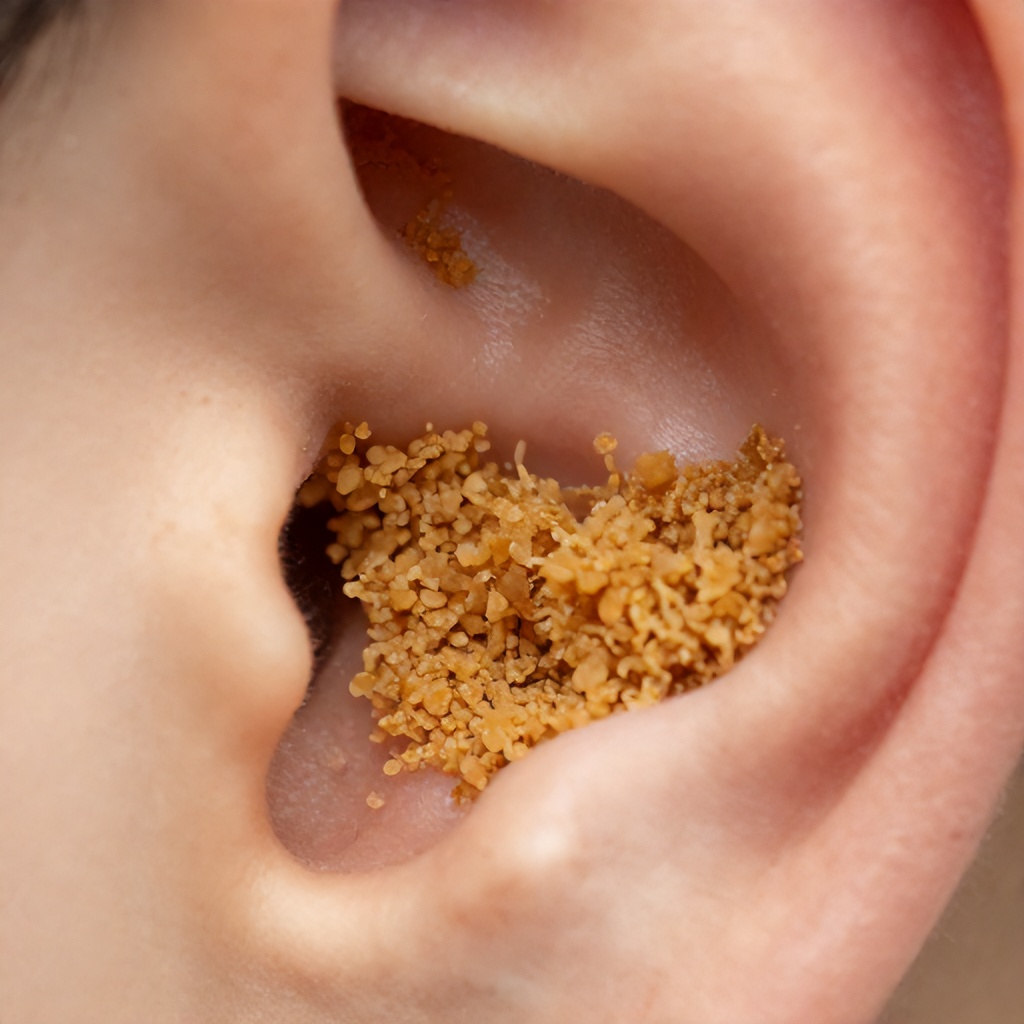
Many people don’t think much about earwax, often referring to it simply as “ear gunk.” However, this natural substance, medically known as cerumen, plays a vital role in protecting your ear canal. It acts as a self-cleaning agent, trapping dust, debris, and microorganisms, preventing them from reaching the delicate eardrum. Earwax also has antibacterial properties, further safeguarding your auditory canal.
Normally, your ears are pretty good at managing earwax. The skin in your ear canal migrates outwards, taking old earwax with it, where it dries up and falls out naturally. This is a continuous, subtle process that keeps your ear canal clear and healthy.
However, sometimes this natural process goes awry. When earwax accumulates faster than it can be removed, or when it’s pushed deeper into the ear canal, it can lead to a condition called cerumen impaction. This is essentially an ear canal obstruction caused by excessive earwax. The buildup can range from a mild blockage to a complete ear canal blockage, significantly impacting hearing and causing various uncomfortable symptoms.
The Visual Reality: What a Blocked Ear Canal Looks Like
Imagine looking into your ear canal with a special magnifying tool, like an otoscope used by doctors. What you’d see with significant earwax buildup is quite striking. Instead of a clear, open pathway leading to the eardrum, you’d find a dense, often dark, mass of earwax filling much, if not all, of the space.
This isn’t just a thin layer. We’re talking about a significant accumulation. The earwax can appear sticky and moist, or it might be dry and hardened, depending on your individual earwax type and how long it’s been there. The color can vary too, from a pale yellow to a deep brown or even black. Sometimes, it might look like a plug, firmly lodged within the auditory canal.
This internal view, often captured in medical illustrations or actual otoscope views, clearly demonstrates an ear canal obstruction. The smooth, pinkish-red lining of a healthy ear canal is obscured, replaced by the solid mass of cerumen. This close-up view highlights the physical barrier that prevents sound waves from effectively reaching the eardrum, the primary cause of hearing loss associated with earwax buildup.
The severity of the blockage is evident. You might see a small gap where some sound can still pass, or the entire canal might be completely occluded. This visual representation underscores why ear hygiene is important; it’s not just about aesthetics, but about maintaining the functional integrity of your ear.
Why Does Earwax Buildup Happen?
Several factors can contribute to an excessive earwax buildup, leading to a blocked ear canal. It’s not always about poor ear hygiene, though that can play a role for some.
Individual Differences in Earwax Production
Some people naturally produce more earwax than others. This is largely determined by genetics. The type of earwax you have also matters. In many Asian populations, earwax tends to be dry and flaky, while in Caucasian and African populations, it’s often more moist and sticky. This stickier type can be more prone to accumulating and forming blockages.
Aging
As we age, the skin in our ear canal changes. It becomes drier, and the natural migration process slows down. This means earwax is less likely to move out on its own, increasing the risk of cerumen impaction.
Ear Canal Shape
The anatomy of your ear canal can also play a part. Narrow or unusually shaped ear canals can make it harder for earwax to exit naturally, leading to a buildup.
Using Cotton Swabs and Other Objects
This is a big one. While it seems counterintuitive, using cotton swabs (Q-tips) or other objects to clean your ears often pushes the earwax deeper into the ear canal. Instead of removing it, you’re compacting it against the eardrum, creating a blockage. This is a common cause of ear canal obstruction.
Wearing Earbuds or Hearing Aids
Devices like earbuds, headphones, and hearing aids can block the natural exit of earwax. They can also stimulate increased earwax production. The constant presence of these items in the ear canal can trap earwax and prevent its normal outward movement.
Water Exposure
Frequent swimming or activities involving prolonged water exposure can soften earwax. This can make it more likely to swell and block the ear canal, especially if there’s already a tendency for buildup.
The Symptoms of a Blocked Ear Canal
When your ear canal is significantly blocked by earwax, you’ll likely notice a range of symptoms. These can vary in intensity depending on how severe the earwax buildup is and how long it’s been present. Understanding these signs is key to recognizing when you might need professional help.
Hearing Loss
This is often the most prominent symptom. You might notice that sounds seem muffled or distant. It’s like trying to listen to someone through a thick wall. This hearing loss is typically conductive, meaning it’s caused by something blocking the sound from reaching the inner ear, rather than a problem with the inner ear itself. The degree of hearing loss often correlates with the extent of the ear canal obstruction.
Earache or Discomfort
A buildup of earwax can press against the walls of the ear canal or even the eardrum, causing a feeling of fullness, pressure, or even pain. This discomfort can be a dull ache or a sharper, more persistent pain.
Tinnitus (Ringing in the Ears)
Some people experience ringing, buzzing, or other noises in the ear when it’s blocked with earwax. This is tinnitus, and the pressure from the impaction can sometimes trigger or worsen it.
Dizziness or Vertigo
In some cases, severe earwax buildup can affect the balance system located in the inner ear, leading to feelings of dizziness or vertigo. This is less common but can be a significant and unsettling symptom.
Itching
The impacted earwax can irritate the skin of the ear canal, leading to an itchy sensation. This can be quite bothersome and may tempt you to try and scratch the itch, which can further aggravate the situation.
Feeling of Fullness
Even without significant pain, a blocked ear canal often creates a distinct sensation of fullness or pressure in the ear. It feels like there’s something solid inside, preventing you from feeling “clear.”
Coughing
This might sound strange, but sometimes the vagus nerve, which runs through the ear area, can be stimulated by a large earwax blockage, leading to a persistent cough. It’s an unusual but documented symptom.
When to Seek Professional Help for Earwax Buildup
While mild earwax buildup is normal and usually resolves on its own, significant earwax buildup and cerumen impaction require attention. Knowing when to see a doctor or an audiologist is crucial for maintaining your ear health and preventing complications.
Persistent or Severe Symptoms
If you’re experiencing significant hearing loss, severe ear pain, persistent ringing in your ears, or dizziness, it’s time to get it checked. These symptoms could indicate more than just a simple wax blockage, and a professional can accurately diagnose the issue.
Failed Home Treatments
If you’ve tried over-the-counter earwax softening drops or other gentle home remedies and haven’t seen improvement, or if your symptoms worsen, don’t keep trying. Professional removal is likely needed.
History of Ear Problems
If you have a history of ear infections, perforated eardrums, or ear surgery, you should be particularly cautious. Attempting to remove earwax yourself in these cases can be dangerous and lead to serious damage. Always consult a healthcare professional.
Difficulty with Hearing Aids or Earbuds
If you wear hearing aids or frequently use earbuds and notice a decline in their effectiveness or discomfort, it could be due to earwax buildup. A professional can clear the canal, ensuring your devices work properly.
Safe and Effective Earwax Removal Methods
When it comes to dealing with a blocked ear canal, safety and effectiveness are paramount. Avoid the temptation to use sharp objects or aggressive cleaning methods. Professionals have the tools and expertise to remove earwax safely.
Professional Irrigation (Syringing)
This is a common and safe method. A doctor or nurse uses a specialized syringe to gently flush the ear canal with warm water or saline solution. This helps to dislodge and wash out the softened earwax. It’s a very effective way to clear an ear canal obstruction.
Manual Removal with Instruments
Using instruments like ear curettes, forceps, or suction devices, a healthcare professional can carefully remove impacted earwax. This requires skill and precision to avoid damaging the ear canal or eardrum. An otoscope view is essential during this procedure to guide the removal.
Prescription Ear Drops
In some cases, a doctor might prescribe stronger ear drops than those available over-the-counter to help break down the earwax before removal. These are usually used for a short period under medical supervision.
Preventing Future Earwax Buildup
While you can’t stop your ears from producing earwax, you can take steps to prevent excessive buildup and avoid the problems associated with a blocked ear canal. Maintaining good ear hygiene is key.
Avoid Cotton Swabs
As mentioned, cotton swabs are the enemy of clear ear canals. Resist the urge to stick anything into your ear. Your ears are self-cleaning.
Gentle Cleaning of the Outer Ear
Clean the outside of your ear with a soft cloth or tissue after showering. This is sufficient for most people and helps maintain external ear hygiene.
Use Ear Drops Sparingly (If Recommended)
If you are prone to earwax buildup, your doctor might recommend using over-the-counter earwax softening drops occasionally. However, always follow their advice and don’t overuse them, as this can sometimes lead to irritation or other issues.
Stay Hydrated
Staying well-hydrated can sometimes help keep earwax softer and less likely to form hard plugs.
Understanding your ear canal and the role of earwax is the first step towards maintaining good ear health. By being aware of the causes, symptoms, and safe removal methods for earwax buildup, you can ensure your hearing remains clear and your ears are comfortable.