Reiki: A Gentle Touch for Stress, Pain, and Wellbeing
Reiki is a form of energy healing that originated in Japan, and it’s becoming a popular choice for people seeking natural ways to feel better. It’s often used for managing stress and anxiety, but its potential benefits reach much further, helping with a variety of physical and emotional concerns.


While more scientific research is always welcome, the wealth of personal stories and early studies suggest Reiki offers a wide range of positive outcomes. It’s even recognized as a complementary therapy alongside traditional medical treatments in many hospitals and clinics worldwide, with over 60 facilities in the United States alone offering it.
Here are some of the ways people experience healing with Reiki:
- Easing stress and anxiety
- Soothing both long-term (chronic) and sudden (acute) pain
- Reducing inflammation and the health issues linked to it
- Alleviating feelings of depression
- Boosting overall quality of life and general wellbeing
- Improving sleep for those struggling with insomnia
- Supporting the immune system and speeding up recovery
- Calming heart rate and lowering blood pressure
- Helping to process emotional trauma
Many individuals report experiencing remarkable improvements after Reiki sessions. Since everyone’s body is unique, your personal experience might differ from others and can even change over time, depending on how you’re feeling when you start. Typically, during a session, you’ll likely feel a profound sense of peace and wellbeing. You might also notice sensations like warmth, coolness, tingling, a feeling of lightness or heaviness, or a wave of energy or deep calmness, all depending on your individual makeup.
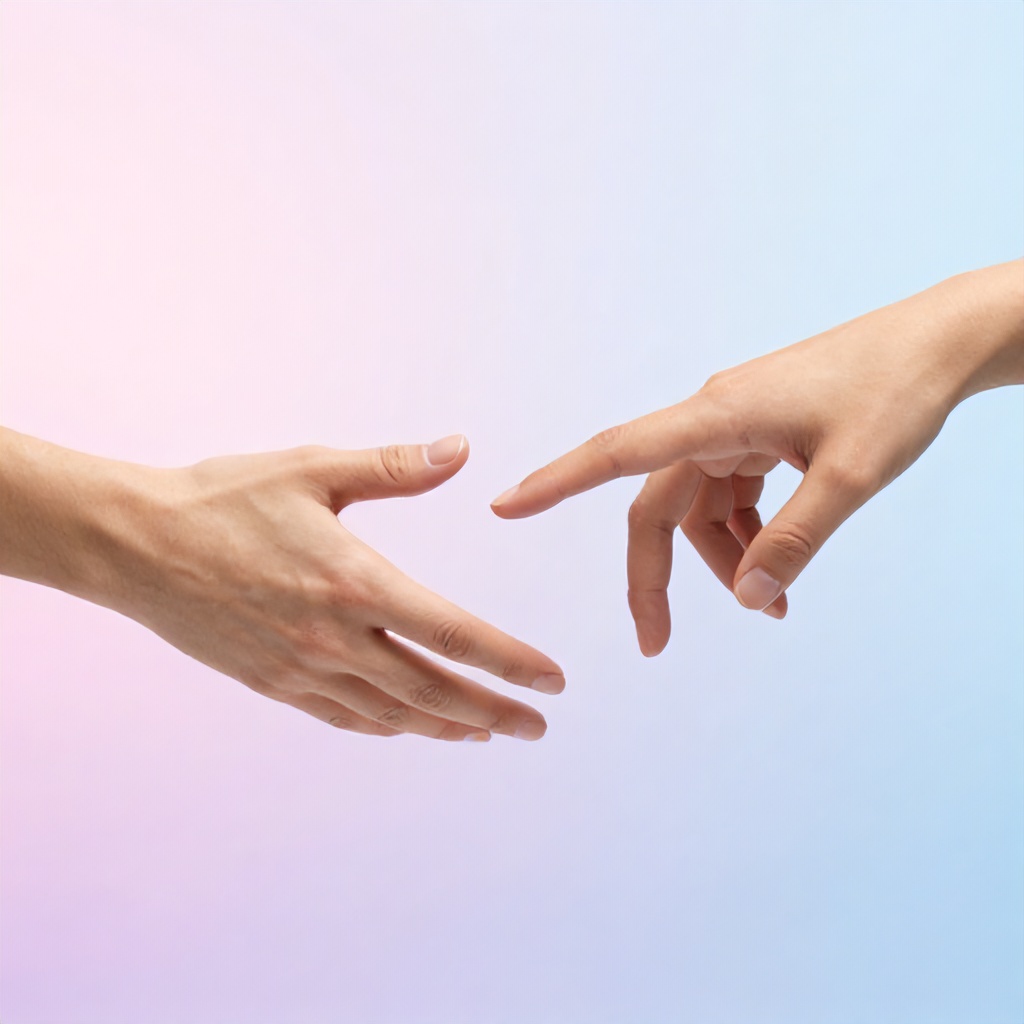
Let’s explore a little about the history of Reiki and how this gentle modality works.
The Roots of Reiki
Reiki was brought to light in 1922 by Dr. Mikao Usui, a Buddhist man from Japan. He spent 21 days meditating and fasting in the mountains, during which he experienced a vision. In this vision, he understood the principles of this healing power and received specific symbols. He immediately began using these insights to help himself and others, seeing great success.
Although practices similar to Reiki had been around for a long time, Dr. Usui was the first to create a structured teaching method and share it with the world. The word “Reiki” itself is a combination of two Japanese words. “Rei” translates to “God’s Wisdom” or “Higher Power,” and “Ki” means “life force energy.”


So, Reiki is essentially a way of channeling this Universal life force energy. It can be performed with the practitioner’s hands lightly touching the recipient or held slightly above them. The idea is that the healer acts as a conduit, a vessel for this natural healing energy that surrounds us. The body then naturally draws the energy it needs, intuitively guiding it to where it’s most beneficial.
How a Reiki Session Feels
During a Reiki session, you’ll typically lie down comfortably, fully clothed, on a massage table or a comfortable surface. The practitioner will gently place their hands on or just above specific points on your body, often following a sequence that covers the head, torso, and limbs. There’s no need to remove any clothing, and the touch is usually very light, if present at all. Some practitioners use a hands-off approach, hovering their hands a few inches above your body.
As the Universal life force energy flows, you might experience a range of sensations. Many people report feeling deep relaxation, a sense of warmth or tingling where the hands are placed, or a general feeling of peace and wellbeing washing over them. Some might feel nothing specific but still report feeling calmer and more centered afterward. The experience is highly personal, and what one person feels can be quite different from another’s experience. It’s about allowing the energy to work in whatever way is most beneficial for you in that moment.

The practitioner’s role is simply to be a clear channel for this healing energy. They don’t “give” their own energy; rather, they facilitate the flow of Reiki energy from the Universe to you. This intuitive healing aspect means the energy goes where it’s needed most, addressing imbalances you may not even be aware of.
Potential Benefits of Reiki
The applications of Reiki are quite broad, touching on many aspects of our wellbeing. Its effectiveness in stress management is one of its most widely recognized benefits. By calming the nervous system, Reiki can help reduce feelings of overwhelm and promote a sense of tranquility.
For those struggling with anxiety management, Reiki can offer a gentle way to quiet racing thoughts and ease physical symptoms associated with anxiety, such as tension or a racing heart. This ability to promote relaxation can also be a significant aid for individuals dealing with depression, offering a sense of comfort and emotional balance.

Reiki is also frequently sought for its potential to help with various ailments. Whether it’s chronic pain that has become a constant companion or acute pain from an injury, many find relief through Reiki sessions. The energy work is believed to help reduce inflammation, which is often at the root of many health issues and can contribute to both chronic and acute pain.
Beyond physical discomfort, Reiki can be a powerful tool for emotional healing. It can help to gently release stored emotional trauma, allowing for a sense of catharsis and emotional release. This can lead to a greater sense of inner peace and emotional resilience.
Many people turn to Reiki to improve their overall quality of life and enhance their general wellbeing. It can provide a much-needed break from the demands of daily life, allowing for deep rest and rejuvenation. For those experiencing insomnia, the profound relaxation induced by Reiki can make falling asleep easier and improve the quality of sleep.
Furthermore, some studies suggest that Reiki may have a positive impact on the immune system, potentially boosting immunity and aiding in the body’s natural recovery processes. By helping to balance the body’s energy, it may support the body’s ability to heal itself.
The physical effects can also be noticeable. Many report a calming effect on their cardiovascular system, leading to a lower heart rate and reduced blood pressure. This physiological shift contributes to an overall sense of calm and relaxation.
It’s important to remember that while these benefits are widely reported and supported by anecdotal evidence, Reiki is best viewed as a complementary healing therapy. It works harmoniously with medical treatments, offering an additional layer of support for your health journey.
The History and Development of Reiki
The formalization of Reiki as we know it today is credited to Dr. Mikao Usui in the early 20th century. He was a Japanese Buddhist who, in 1922, embarked on a spiritual quest involving meditation and fasting in the Kurama mountains near Kyoto. This intense period of introspection led him to a profound spiritual experience where he received a vision of the healing power of Reiki, along with specific symbols and their uses.
Following this vision, Dr. Usui began to practice and teach Reiki, developing a standardized system for its transmission and application. He established a school and treated many people, observing its effectiveness in promoting healing and wellbeing. His work was instrumental in bringing Reiki to a wider audience. He aimed to create a teaching method that was accessible and could be learned by anyone, regardless of their background.
The core concept of Reiki lies in the belief that a Universal life force energy, often referred to as “Ki” or “Chi” in various traditions, flows through all living things. Dr. Usui’s system provided a way to intentionally channel this “Rei” (Universal energy) through a practitioner’s hands to promote balance and healing in the recipient.
Before Dr. Usui, similar energy healing practices likely existed in various forms across different cultures. However, his contribution was in codifying the practice, developing the attunement process (a method of initiation that allows a practitioner to channel Reiki energy), and establishing a clear lineage for its teaching. This standardization helped to make Reiki a distinct and recognizable modality.
From Japan, Reiki began to spread to other parts of the world, notably through the teachings of Hawayo Takata, a Japanese-American woman who brought Reiki to the United States in the mid-20th century. She played a pivotal role in popularizing Reiki in the West, training many practitioners and establishing the Reiki Association. Her efforts were crucial in ensuring the continued growth and accessibility of Reiki as a complementary healing therapy.
What to Expect During a Reiki Session
When you attend a Reiki session, the environment is typically designed to be calm and relaxing. You’ll usually be asked to lie down on a comfortable massage table, fully clothed. Some practitioners might offer a chair option if lying down isn’t comfortable for you.
The practitioner will begin by explaining the process and asking about any specific concerns or areas you’d like them to focus on. They will then typically start by placing their hands gently on or just above your head, then moving through a series of positions on your body. These positions are often along the head, neck, shoulders, chest, abdomen, legs, and feet, though the exact sequence can vary.
You can choose to have a hands-on or hands-off session. In a hands-on session, the practitioner’s hands will rest lightly on your body. In a hands-off session, their hands will hover a few inches above your body. Both methods are effective for channeling the Universal life force energy.
During the session, you might experience various sensations. These can include warmth or coolness from the practitioner’s hands, tingling, a feeling of lightness or heaviness, or simply a deep sense of relaxation and peace. Some people drift off to sleep, while others remain aware of the gentle energy flow. It’s also perfectly normal to feel nothing specific at all, yet still experience the benefits afterward.
The practitioner acts as a vessel, channeling the Reiki energy to you. They don’t diagnose or treat specific medical conditions in the way a doctor would. Instead, they facilitate the flow of energy, allowing your body’s own healing mechanisms to respond. The intuitive healing aspect means the energy is directed where your body needs it most, addressing imbalances on physical, emotional, and energetic levels.
After the session, the practitioner will usually allow you a few moments to rest before gently bringing you back. They might offer a glass of water and discuss any impressions they had during the session, though this is not always part of the practice. It’s common to feel deeply relaxed, refreshed, and more centered after a Reiki treatment.
It’s worth noting that individual experiences can vary greatly. Some people notice immediate shifts, while others experience more subtle changes that unfold over time. The effectiveness can also depend on factors like your receptivity to energy work and the practitioner’s skill and intention.
Tips for Your First Reiki Session
- Wear comfortable, loose-fitting clothing.
- Avoid heavy meals or alcohol for a few hours before your session.
- Be open and receptive to the experience, but don’t feel pressured to feel a certain way.
- Communicate any discomfort or concerns to your practitioner.
- Stay hydrated after your session.
Important Considerations for Reiki
Reiki is a complementary therapy and should not be used as a substitute for professional medical advice or treatment. Always consult with a qualified healthcare provider for any health concerns or before making any decisions related to your health or treatment.
Is Reiki safe for everyone?
Yes, Reiki is generally considered safe for people of all ages, from infants to the elderly. It is a gentle modality that works with the body’s natural energy systems.
Can Reiki cure diseases?
Reiki is not intended to cure diseases. It is a complementary healing therapy that can support the body’s natural healing processes and promote overall wellbeing. It is often used alongside conventional medical treatments.
How many Reiki sessions do I need?
The number of sessions needed can vary greatly depending on the individual and the concerns being addressed. Some people feel benefits after a single session, while others find a series of sessions more helpful. Your practitioner can offer guidance based on your needs.