Whiteheads vs. Blackheads: Differences, Causes, and Treatment

Whiteheads and blackheads are both common types of acne lesions, but they differ significantly in their appearance and formation due to whether the pore blockage is open or closed to the air.

Understanding Whiteheads

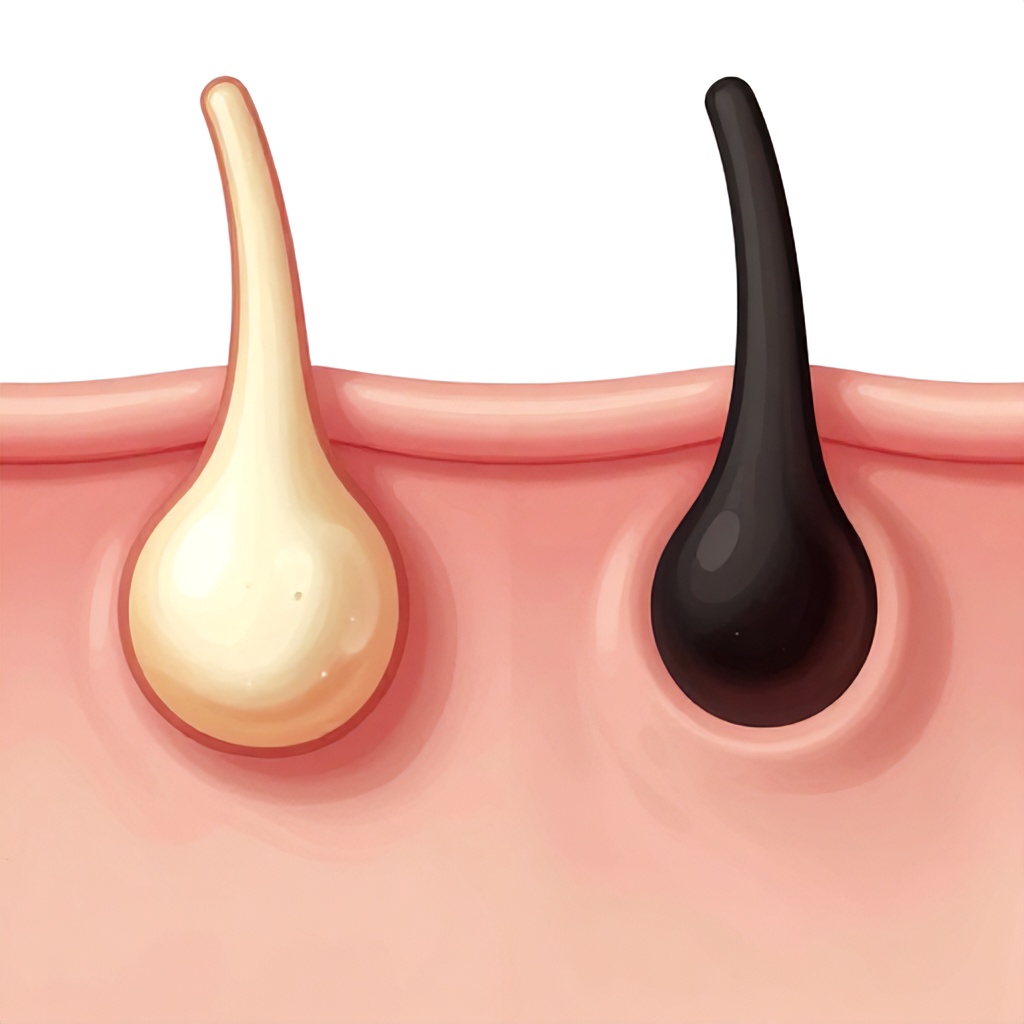
Whiteheads, medically known as closed comedones, appear as small, flesh-colored or whitish bumps on the skin’s surface. These tiny blemishes form when a hair follicle becomes completely clogged with a mixture of dead skin cells, excess oil (sebum), and sometimes bacteria. Because the pore opening is closed off from the air, the trapped material remains beneath the skin, creating a distinct white or yellowish cap.

How Whiteheads Form

The process begins deep within the pore. Our skin constantly sheds dead cells, and glands produce sebum to keep the skin moisturized. When this natural process goes awry, often due to hormonal fluctuations or an overproduction of oil, dead skin cells and sebum can accumulate. If this mixture completely blocks the pore opening, it forms a closed comedo. The material inside isn’t exposed to oxygen, which is why it maintains its pale appearance. These skin imperfections are often found on the forehead, nose, and chin, but can appear anywhere on the face or body.

Understanding Blackheads

Blackheads, or open comedones, are small, dark spots that are also a result of clogged hair follicles. Unlike whiteheads, the pore opening for a blackhead remains open to the air. This exposure is key to their characteristic dark color. When the mixture of sebum and dead skin cells in an open pore comes into contact with oxygen, it oxidizes, turning dark. It’s not dirt, as many people mistakenly believe, but rather a chemical reaction.

How Blackheads Form

Similar to whiteheads, blackheads begin with a buildup of dead skin cells and sebum within a hair follicle. However, in this case, the pore’s opening is wide enough that the trapped material is exposed to the air. The melanin (pigment) in the dead skin cells and the oxidized lipids in the sebum react with oxygen, causing the surface of the blockage to turn black or dark brown. These facial skin conditions are particularly common in the T-zone (forehead, nose, chin) where oil glands are more numerous and active.

Key Differences Between Whiteheads and Blackheads

While both are non-inflammatory acne lesions, understanding their distinct characteristics is helpful for proper skincare management. The primary distinction lies in whether the pore is open or closed.

  • Appearance: Whiteheads are small, raised, flesh-colored or white bumps. Blackheads are flat or slightly raised dark spots, resembling specks of dirt embedded in the skin.

  • Pore Opening: Whiteheads have a closed pore opening, meaning the blockage is sealed beneath the skin’s surface. Blackheads have an open pore opening, exposing the trapped material to air.

  • Color: The white color of a whitehead comes from the trapped sebum and dead skin cells not being exposed to oxygen. The dark color of a blackhead results from the oxidation of the trapped material when it comes into contact with air.

  • Texture: Whiteheads feel like a small bump under the skin. Blackheads can feel slightly rough or textured at the surface of the pore.

Recognizing these skin characteristics is the first step in choosing effective treatment guide options for these common skin blemishes.

Common Causes of Comedones

Both whiteheads and blackheads stem from similar underlying causes related to pore blockages. Understanding these factors is crucial for effective acne management and prevention of future skin imperfections.

Hormonal Fluctuations

Androgens, male hormones present in both sexes, increase during puberty, menstruation, pregnancy, and times of stress. These hormones stimulate the sebaceous glands to produce more sebum, leading to oilier skin. This excess oil is a prime ingredient for clogged pores.

Excess Sebum Production

Some individuals naturally produce more oil than others. This overproduction of sebum can overwhelm the pores’ ability to shed dead cells effectively, leading to blockages. Oily skin types are more prone to developing comedones.

Dead Skin Cell Accumulation

Our skin constantly renews itself, shedding old cells. However, sometimes these dead skin cells don’t shed properly and instead stick together, mixing with sebum to form a plug within the hair follicle. This is a direct cause of pore blockages.

Bacteria

While not the primary cause of whiteheads and blackheads themselves (which are non-inflammatory), the presence of Propionibacterium acnes (P. acnes) bacteria within clogged pores can lead to inflammation and the development of more severe pimple types, like pustules and cysts. However, the initial comedo formation is independent of bacterial infection.

Genetics

If your parents or close relatives experienced acne, you might be more genetically predisposed to developing it, including whiteheads and blackheads. Genetic factors can influence oil production, skin cell turnover, and inflammatory responses.

Certain Skincare Products

Using comedogenic skincare products, makeup, or hair products can contribute to pore blockages. These products contain ingredients that are known to clog pores, exacerbating the formation of whiteheads and blackheads. Always look for labels like “non-comedogenic” or “oil-free.”

Friction and Pressure

Constant friction or pressure on the skin, such as from tight headbands, helmets, or even leaning your face on your hands frequently, can irritate hair follicles and contribute to the development of acne lesions.

Comprehensive Treatment Guide

Treating whiteheads and blackheads involves a combination of consistent skincare practices and targeted products. The goal is to unclog pores, reduce oil production, and prevent new blemishes from forming. This section offers dermatological solutions, from over-the-counter options to professional interventions.

Daily Skincare Routine Essentials

A gentle, consistent skincare routine is the foundation for managing comedones.

  1. Cleanse Gently: Wash your face twice daily with a mild, sulfate-free cleanser. Harsh scrubbing can irritate the skin and worsen breakouts. Look for cleansers containing salicylic acid for an extra boost in clearing pores.

  2. Moisturize: Even oily skin needs hydration. Choose a lightweight, non-comedogenic moisturizer to prevent your skin from overcompensating by producing more oil. Hydrated skin functions better and can help with skin health.

  3. Sun Protection: Many acne treatments make your skin more sensitive to the sun. Use a broad-spectrum, non-comedogenic sunscreen with at least SPF 30 every morning. Sun exposure can also worsen hyperpigmentation from past blemishes.

Over-the-Counter (OTC) Topical Treatments

These skincare products are widely available and effective for many individuals with mild to moderate whiteheads and blackheads.

  • Salicylic Acid: A beta-hydroxy acid (BHA), salicylic acid is oil-soluble, meaning it can penetrate deep into the pores to dissolve the sebum and dead skin cell plugs. It’s particularly effective for blackheads and general pore blockages. You’ll find it in cleansers, toners, and spot treatments. Start with lower concentrations (0.5-2%) to avoid irritation.

  • Benzoyl Peroxide: While primarily known for its antibacterial properties against P. acnes, benzoyl peroxide also has mild exfoliating effects that can help prevent new comedones and clear existing ones. It works by introducing oxygen into the pore, which is toxic to anaerobic bacteria. It’s available in various strengths (2.5-10%) in washes, creams, and gels. Be aware it can bleach fabrics.

  • Adapalene (Differin Gel): This is a retinoid, specifically a topical retinoid, that was once prescription-only but is now available OTC. Adapalene works by normalizing skin cell turnover and preventing dead skin cells from clogging pores. It’s highly effective for both whiteheads and blackheads and is a cornerstone of acne management. Introduce it slowly, as it can cause initial dryness and purging (a temporary increase in breakouts).

  • Alpha Hydroxy Acids (AHAs): Glycolic acid and lactic acid are AHAs that work on the skin’s surface to exfoliate dead skin cells. They can improve skin texture and help prevent pore blockages, making them useful for overall skin appearance and preventing skin imperfections. They are water-soluble and best for surface exfoliation.

Prescription Topical Treatments

For more persistent or widespread comedones, a dermatologist may prescribe stronger topical treatments.

  • Topical Retinoids (Tretinoin, Tazarotene): Stronger retinoids like tretinoin (Retin-A) and tazarotene (Tazorac) are highly effective at regulating cell turnover, preventing new comedones, and clearing existing ones. They can be more potent than adapalene and may require a period of adjustment due to potential irritation, dryness, and increased sun sensitivity. These are powerful dermatological solutions.

  • Topical Antibiotics: While not directly treating comedones, antibiotics like clindamycin or erythromycin are often prescribed in combination with retinoids or benzoyl peroxide to reduce inflammation and kill bacteria associated with more inflammatory types of acne. They are typically not used alone to avoid antibiotic resistance.

In-Office Treatments

A dermatologist can offer procedures to quickly clear existing comedones and improve overall skin health.

  • Professional Extractions: A trained dermatologist or esthetician can safely and effectively remove whiteheads and blackheads using sterile tools. Attempting to extract blemishes yourself can lead to skin damage, scarring, and infection. This is a blemish removal technique best left to professionals.

  • Chemical Peels: Light to medium chemical peels use acids (like salicylic acid, glycolic acid, or trichloroacetic acid) to exfoliate the top layers of skin. This helps to unclog pores, reduce oil, and improve skin texture, making them effective for both preventing and treating comedones.

  • Microdermabrasion: This procedure uses a device to gently exfoliate the outermost layer of skin, helping to remove dead skin cells and clear superficial pore blockages. It can improve skin appearance and make it smoother.

Prevention Strategies for Clearer Skin

Preventing whiteheads and blackheads requires a proactive approach and consistency in your skincare routine and lifestyle choices. These skin care tips are designed to keep pore blockages at bay.

  • Maintain a Consistent Skincare Routine: Regular cleansing, moisturizing, and targeted treatment with ingredients like salicylic acid or adapalene are key to preventing new comedones. Consistency is more important than using many different products at once.

  • Choose Non-Comedogenic Products: Always check labels for “non-comedogenic,” “non-acnegenic,” or “oil-free” on all your skincare products, makeup, and even hair products. This minimizes the risk of introducing pore-clogging ingredients to your skin.

  • Avoid Picking or Squeezing: Manipulating whiteheads and blackheads can push bacteria deeper into the skin, leading to inflammation, infection, scarring, and post-inflammatory hyperpigmentation. Leave extractions to professionals.

  • Clean Regularly: Regularly clean items that touch your face, such as phone screens, pillowcases, makeup brushes, and eyeglasses. These items can harbor oil, dirt, and bacteria that contribute to breakouts.

  • Shower After Sweating: If you exercise or sweat heavily, shower promptly to remove sweat, oil, and bacteria from your skin, especially on your face and body where acne can occur.

  • Consider Diet: While the link between diet and acne is complex and varies by individual, some people find that reducing high-glycemic foods (sugary snacks, refined carbohydrates) and dairy products can help improve their skin. Pay attention to how your body reacts to certain foods.

  • Manage Stress: Stress doesn’t directly cause acne, but it can trigger hormonal changes that lead to increased oil production and inflammation, potentially worsening breakouts. Incorporate stress-reducing activities into your daily routine.

When to See a Dermatologist

While many whiteheads and blackheads can be managed with OTC products and a good skincare routine, there are times when professional guidance is invaluable. If your acne is persistent, severe, or causing you distress, it’s time to consult a dermatologist.

  • Lack of Improvement: If you’ve consistently used OTC treatments for several weeks or months without seeing significant improvement in your skin blemishes.

  • Worsening Acne: If your whiteheads and blackheads are progressing to more inflammatory pimple types like cysts or nodules, which can be painful and lead to scarring.

  • Scarring or Hyperpigmentation: If you are experiencing acne scarring or dark spots (post-inflammatory hyperpigmentation) after breakouts, a dermatologist can recommend treatments to minimize these long-term effects.

  • Impact on Quality of Life: If your acne is affecting your self-esteem, causing anxiety, or impacting your daily life, a dermatologist can offer effective solutions and support.

  • Need for Prescription Treatments: A dermatologist can prescribe stronger topical or oral medications, or recommend in-office procedures that are not available over the counter.

A dermatologist can provide a personalized treatment plan, combining various approaches for optimal acne management and helping you achieve clearer, healthier skin.
Skincare Cream Application for Forehead Acne Treatment and Irritation

Effectively addressing forehead acne and soothing skin irritation hinges on the precise application of your chosen skincare cream, a step often underestimated in its impact on results.

Understanding Forehead Acne and Irritation

Forehead breakouts are a common skin concern, impacting many individuals regardless of age or skin type. These persistent forehead blemishes can range from tiny bumps to inflamed, painful cysts, often accompanied by redness and discomfort. Understanding why these facial imperfections appear is the first step toward effective forehead acne treatment.

Why Forehead Breakouts Happen

Several factors contribute to acne breakouts on the forehead. Hormonal fluctuations, especially during puberty, menstruation, or stress, can trigger increased oil production in the sebaceous glands. This excess sebum, combined with dead skin cells, clogs pores, creating a breeding ground for acne-causing bacteria.

Hair products are another frequent culprit. Ingredients like oils, silicones, and fragrances from shampoos, conditioners, hairsprays, or styling gels can migrate onto the forehead. These substances often irritate the skin or directly clog pores, leading to breakouts and skin irritation along the hairline and forehead.

Physical friction and occlusion also play a role. Wearing hats, headbands, or even helmets can trap sweat and oil against the skin, fostering an environment ripe for pimple treatment. Sweat itself, especially after exercise, can mix with bacteria and debris, exacerbating existing skin concerns.

Dietary factors and stress are also widely discussed. While direct links are still being researched, some individuals notice a correlation between certain foods (like high glycemic index foods or dairy) and their acne. Stress, meanwhile, doesn’t directly cause acne but can worsen it by increasing hormone production that stimulates oil glands.

Identifying Your Skin Concerns

Not all bumps on your forehead are the same, and identifying the specific type of acne or irritation you’re experiencing helps in selecting the right topical acne solution. Comedones, such as blackheads (open comedones) and whiteheads (closed comedones), are non-inflammatory lesions. Papules are small, red, tender bumps, while pustules are papules with a white center of pus.

More severe forms include nodules, which are large, solid, painful lumps beneath the skin’s surface, and cysts, which are large, painful, pus-filled lesions. These deeper forms of acne can lead to scarring and require more intensive dermatological cream or intervention.

Skin irritation, on the other hand, might manifest as redness, flaking, dryness, itching, or a burning sensation without obvious pimples. This could be a reaction to a product, environmental factors, or an underlying skin condition. Distinguishing between acne and irritation is key for sensitive skin relief and effective skin remedy.

Choosing the Right Skincare Cream for Your Forehead

Selecting an appropriate skincare cream is paramount for successful forehead acne treatment. The market offers a vast array of products, from over-the-counter options to prescription-strength dermatological cream. Your choice should align with your skin type, the severity of your acne, and any accompanying skin irritation.

Ingredients to Look For

When searching for an anti-acne cream, certain active ingredients are widely recognized for their efficacy:

  • Salicylic Acid: A beta-hydroxy acid (BHA) that exfoliates inside the pore, helping to unclog it and reduce inflammation. It’s particularly effective for blackheads and whiteheads, improving overall skin texture.
  • Benzoyl Peroxide: An antibacterial agent that kills acne-causing bacteria and helps shed dead skin cells. It comes in various strengths and is potent for inflamed skin, including papules and pustules.
  • Retinoids (Retinol, Adapalene, Tretinoin): These vitamin A derivatives promote cell turnover, preventing clogged pores and reducing inflammation. Adapalene is available over-the-counter and is a good starting point for many.
  • Azelaic Acid: A gentle acid with antibacterial and anti-inflammatory properties. It helps reduce redness and is often well-tolerated by sensitive skin.
  • Niacinamide: A form of vitamin B3 that reduces inflammation, minimizes pore appearance, and improves skin barrier function, offering sensitive skin relief.
  • Ceramides and Hyaluronic Acid: While not directly anti-acne, these ingredients are crucial for maintaining skin hydration and barrier health, which is vital when using drying acne treatments. They prevent excessive skin irritation.

Formulations for Sensitive Skin

If your skin is prone to irritation, choosing products specifically designed for sensitive skin is essential. Look for labels that state “non-comedogenic,” meaning the product won’t clog pores. “Fragrance-free” and “hypoallergenic” formulations reduce the risk of allergic reactions and skin irritation. Opt for lighter textures, like gels or lotions, over heavy creams that might feel occlusive.

Sometimes, the best therapeutic cream for problematic skin is one that balances potent active ingredients with soothing, hydrating components. A good facial cream should address forehead blemishes without causing undue dryness or redness.

When to See a Dermatologist

While many mild to moderate acne breakouts can be managed with over-the-counter solutions, there are times when professional guidance is necessary. If your acne is severe, painful, cystic, or covers a large area, or if over-the-counter products haven’t yielded results after several weeks, it’s time to consult a dermatologist. They can prescribe stronger topical acne solution, oral medications, or suggest in-office procedures for comprehensive dermatological issues.

Preparing Your Skin for Topical Acne Solution Application

Proper skin preparation is a non-negotiable step before applying any anti-acne cream. It ensures the product can penetrate effectively and reduces the risk of further irritation or contamination. This foundational step is critical for a successful skin health regimen.

Gentle Cleansing is Key

Always start with a clean face. Use a mild, pH-balanced cleanser to remove dirt, oil, makeup, and any impurities that have accumulated on your skin. Avoid harsh scrubs or abrasive cleansers, especially if you have inflamed skin or active breakouts, as these can worsen irritation and spread bacteria.

Wash your face with lukewarm water, as hot water can strip your skin of its natural oils, leading to dryness and potential irritation. Gently massage the cleanser onto your forehead and other facial imperfections for about 30-60 seconds. Rinse thoroughly until no residue remains. Pat your skin dry with a clean, soft towel. Do not rub, as this can cause friction and exacerbate skin irritation.

The Importance of Clean Hands

Before you even touch your face or your skincare cream, ensure your hands are thoroughly clean. Wash them with soap and water for at least 20 seconds. This simple step prevents the transfer of bacteria, dirt, and oils from your hands to your face, which could otherwise worsen existing acne breakouts or introduce new ones. Clean hands are fundamental for any cosmetic product application, especially when dealing with problematic skin.

The Precise Art of Applying Your Anti-Acne Cream

Applying your anti-acne cream isn’t just about putting it on; it’s about applying it correctly for maximum efficacy and minimal side effects. This careful cosmetic product application can significantly impact your forehead acne treatment journey.

Dosage Matters

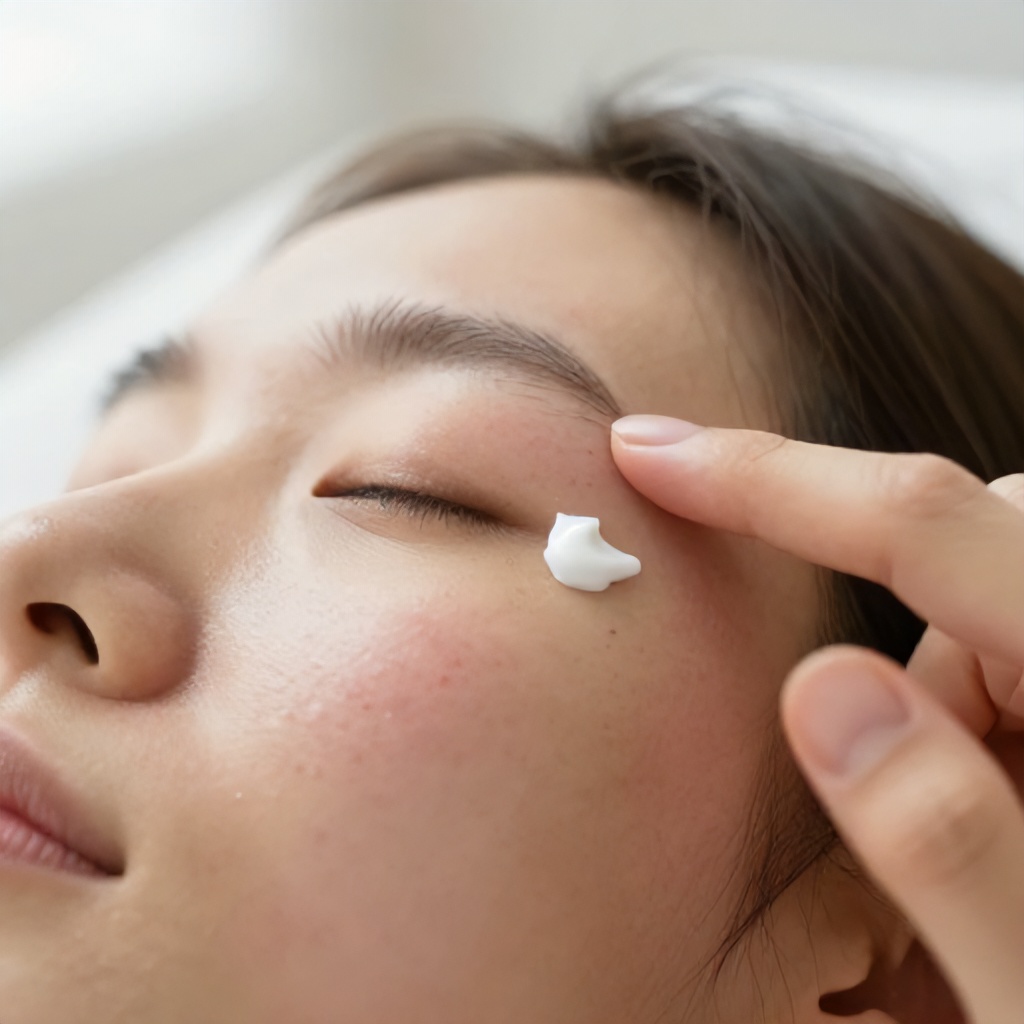
When it comes to many topical acne solutions, less is often more. A common mistake is to over-apply, thinking more product will yield faster results. This usually leads to increased dryness, redness, and skin irritation without improving effectiveness. For most anti-acne creams, a pea-sized amount is sufficient for the entire forehead area. If you’re spot treating, an even smaller amount, just enough to cover the blemish, is appropriate.

Targeting Forehead Blemishes

Decide whether you need to apply the skincare cream all over your forehead or just to specific forehead blemishes. If you have widespread breakouts and the product is designed for general application (like a retinoid), spread the pea-sized amount thinly and evenly across the entire forehead. If you’re using a targeted spot treatment for individual pimples, apply a tiny dab directly onto each blemish, avoiding surrounding clear skin to prevent unnecessary dryness.

The Gentle Touch

With clean fingertips, gently dab the skincare cream onto your forehead. Use light, upward strokes to spread it evenly. Avoid rubbing or tugging at your skin, especially if it’s inflamed. Your skin is delicate, and harsh movements can worsen irritation or even damage the skin barrier. Allow the product to absorb naturally for a minute or two before moving on to the next step in your routine. This gentle approach is crucial for sensitive skin relief and overall skin health.

Layering Other Products

If your skin health regimen involves multiple products, the order of application matters. Generally, apply thinner, active treatments first, allowing them to absorb fully. For example, if you use a serum, apply it before your anti-acne cream. After your therapeutic cream has absorbed, follow up with a moisturizer. Always apply sunscreen as the last step in your morning routine, especially since many acne treatments can increase sun sensitivity.

Post-Application Care and Routine Maintenance

Applying the cream is just one part of the equation. What you do afterward, and how consistently you maintain your routine, are equally important for achieving lasting results and managing skin concerns.

Allowing Absorption Time

After applying your topical acne solution, give it adequate time to fully absorb into your skin. This usually takes a few minutes. Rushing to apply other products or makeup immediately can dilute the active ingredients or cause them to pill, reducing their effectiveness. Patience here pays off for optimal blemish treatment.

Moisturizing for Skin Health

Many anti-acne creams, particularly those containing ingredients like benzoyl peroxide or retinoids, can be drying. Counteracting this dryness with a good, non-comedogenic moisturizer is vital. Moisturizing helps maintain your skin’s barrier function, prevents excessive skin irritation, and can actually help your skin tolerate active ingredients better. Look for a facial cream that provides hydration without feeling heavy or greasy. This step is a cornerstone of any effective skin health regimen.

Consistency is Your Ally

Forehead acne treatment is a marathon, not a sprint. Consistency is perhaps the most important factor in seeing results. Apply your skincare cream as directed, typically once or twice daily, without skipping days. It can take several weeks, sometimes even months, to notice significant improvement in skin texture and a reduction in acne breakouts. Don’t get discouraged if you don’t see immediate changes; stick with your routine.

Protecting Your Skin from Further Irritation

While undergoing forehead acne treatment, protecting your skin from external aggressors is paramount. Sun protection is non-negotiable, as many acne treatments increase sensitivity to UV radiation. Use a broad-spectrum sunscreen with an SPF of 30 or higher every morning, even on cloudy days. Reapply as needed.

Avoid harsh physical exfoliants or brushes, especially on inflamed skin. These can worsen irritation and potentially spread bacteria. Be cautious when introducing new products into your routine; patch test them first on a small, inconspicuous area of skin to check for adverse reactions or sensitive skin relief issues. This mindful approach helps prevent new dermatological issues and supports your skin’s healing process.

Common Mistakes to Avoid

Even with the best intentions, certain practices can hinder your forehead acne treatment progress or worsen skin concerns. Being aware of these common pitfalls can save you time and frustration.

One major mistake is over-applying your skincare cream. As mentioned, more product does not equate to faster results. It often leads to excessive dryness, redness, and peeling, making your skin feel worse and potentially causing you to abandon the treatment prematurely. Stick to the recommended pea-sized amount.

Picking, squeezing, or popping pimples is another detrimental habit. This can push bacteria deeper into the skin, leading to more severe inflammation, larger breakouts, and permanent scarring. Keep your hands off your face as much as possible.

Skipping moisturizer, especially when using drying anti-acne creams, is a common error. This can compromise your skin’s barrier, making it more susceptible to irritation and less able to heal. A well-hydrated skin barrier is essential for comfortable and effective blemish treatment.

Using too many active ingredients at once can overwhelm your skin. Combining multiple potent exfoliants or acne treatments without careful consideration can lead to severe skin irritation, redness, and sensitivity. Introduce new products one at a time, and consider alternating active ingredients (e.g., retinoid one night, salicylic acid the next) rather than layering them all at once. Consult with a dermatologist if you’re unsure about combining different therapeutic cream options for your problematic skin.

Exit mobile version