
Say Goodbye to Stubborn Blackheads with This Simple Home Remedy
Blackheads, those tiny, dark spots that love to set up camp on your nose, chin, and forehead, can be incredibly frustrating. You try to get rid of them, and they seem to disappear, only to reappear with alarming speed. It’s a recurring skincare battle that many of us face.

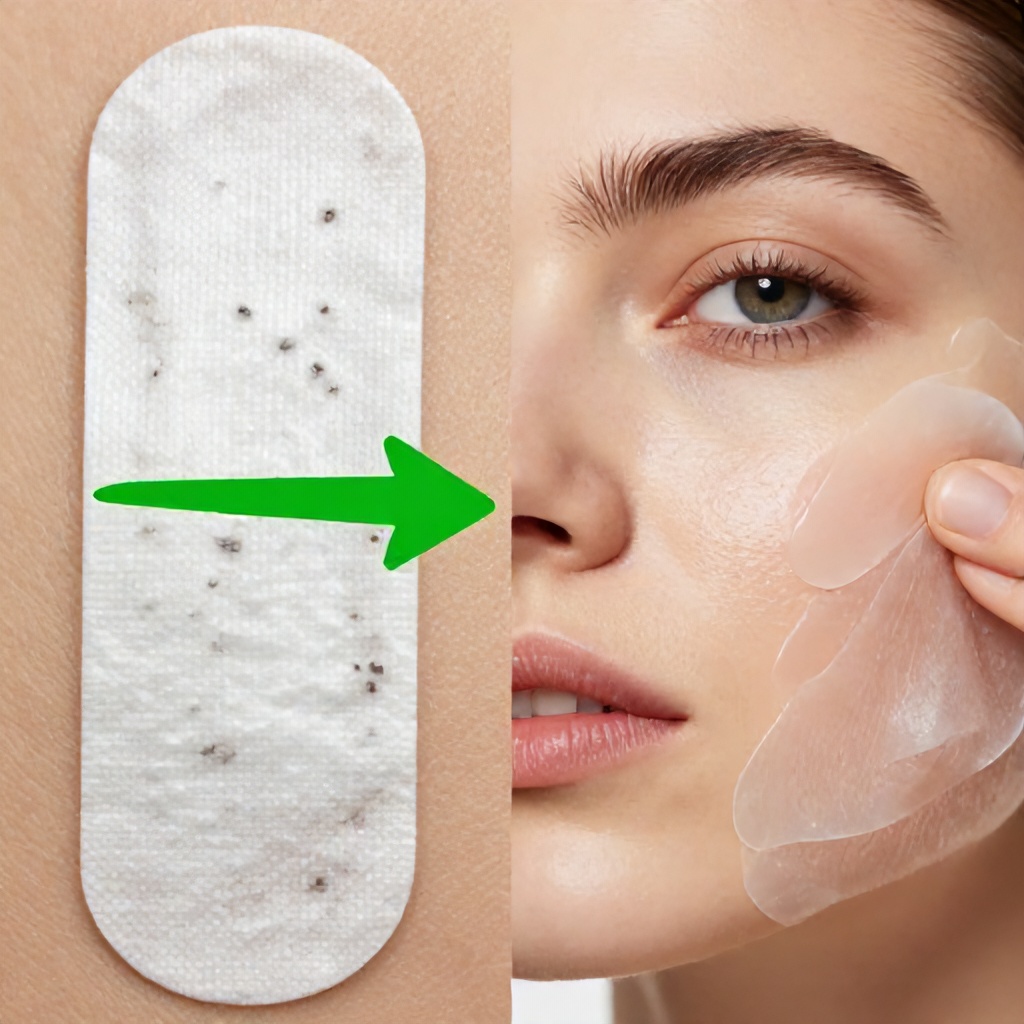
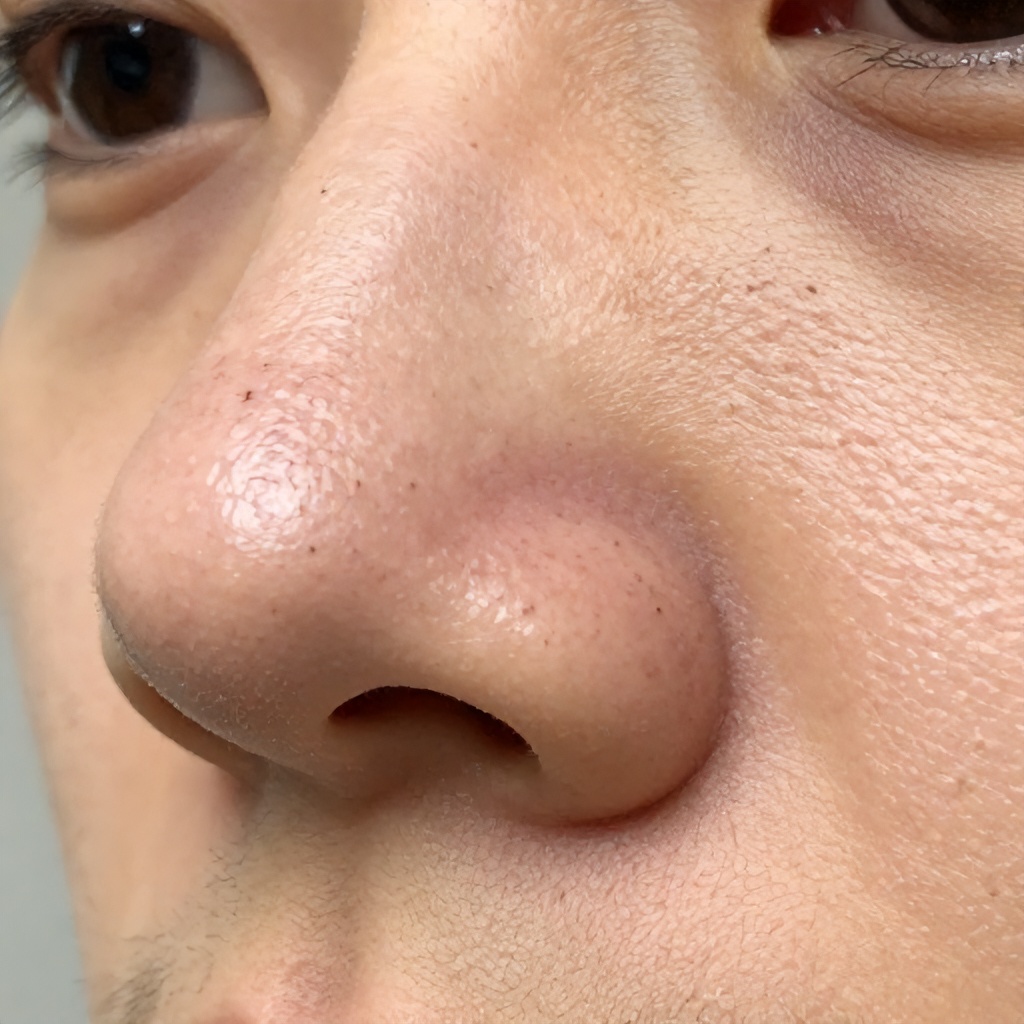
These unwelcome guests, technically known as open comedones, form when your sebaceous glands produce too much sebum, an oily substance that keeps your skin lubricated. This excess sebum mixes with dead skin cells and gets trapped in your pores. When this mixture is exposed to air, it oxidizes, turning that familiar black color. It’s not dirt, despite what it looks like!
So, how can you tackle these persistent skin impurities without resorting to harsh treatments or expensive products? The good news is, you likely have the key ingredients right in your kitchen pantry.
Why You Should Rethink Squeezing
Before we get to the solution, let’s address a common impulse: squeezing those blackheads. While it might offer a momentary sense of satisfaction, it’s a practice that can do more harm than good. Aggressively trying to extract blackheads can irritate your skin, push bacteria deeper into the pore, and even lead to inflammation. This inflammation can then escalate into a more significant, painful pimple, turning a minor blemish into a bigger problem. It can also potentially lead to scarring or enlarged pores over time.
The Two-Ingredient Powerhouse for Deep Cleansing
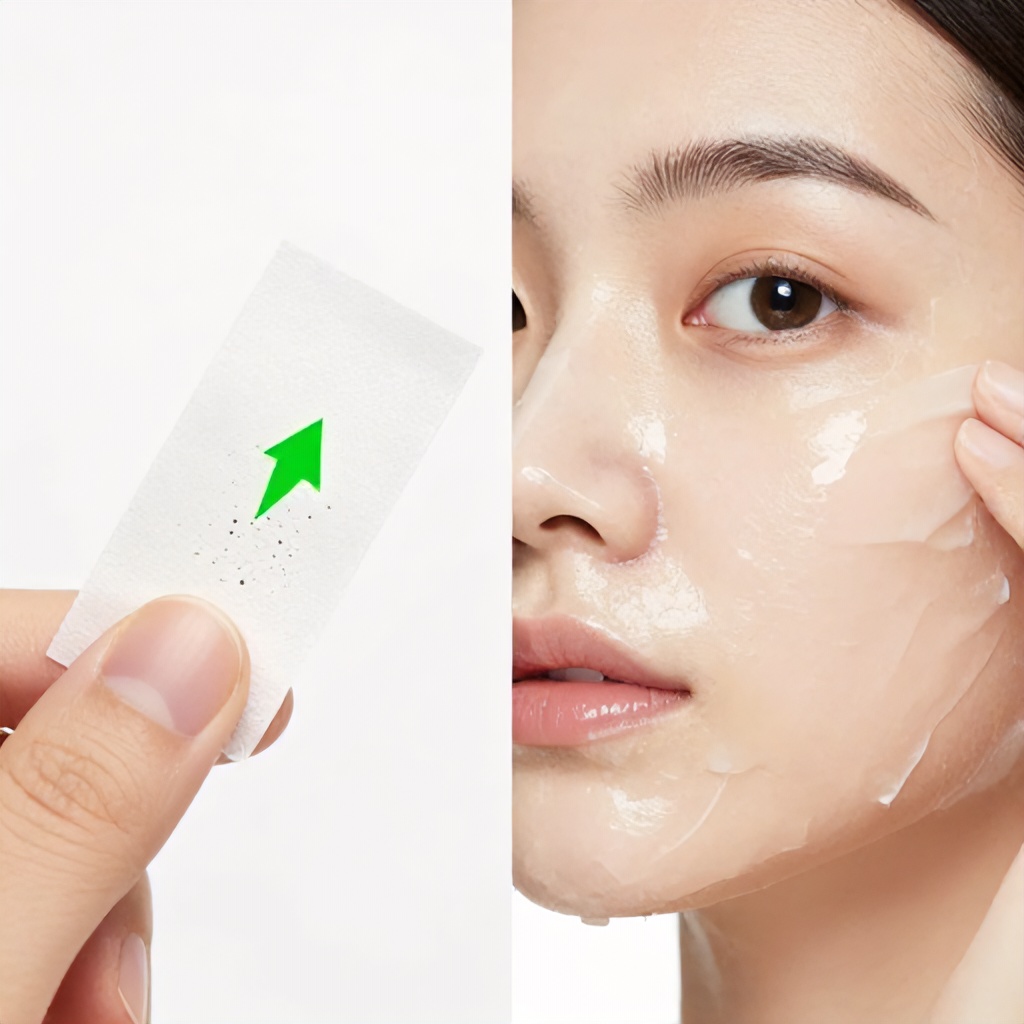
The secret to a surprisingly effective and gentle blackhead treatment lies in two common household items: milk and gelatin. This combination creates a DIY peel-off mask that works wonders for deep pore cleansing and can help minimize the appearance of pores by drawing out those stubborn blockages.
This method is a fantastic home remedy for anyone looking for a natural approach to facial care and is particularly helpful for those with oily skin prone to clogged pores.
How to Make Your DIY Blackhead Mask
Gather your supplies. You’ll need a small sachet of unflavored gelatin and about two tablespoons of milk. Any kind of milk will work, but whole milk might offer a bit more moisture.
In a small bowl, combine the gelatin powder and milk. Stir them together thoroughly until you have a smooth, lump-free mixture. You’re aiming for a consistency that’s a bit thinner than yogurt, more like a runny cream. This will ensure it spreads easily and forms a thin, effective layer on your skin.
Now, for the heating step. You can use a microwave for this. Place the bowl with the mixture in the microwave for about 30 seconds. The goal is to warm it up enough so the gelatin dissolves completely and the mixture becomes a smooth liquid, but not so hot that it will burn your skin. Always test the temperature carefully on the back of your hand before applying it to your face. You want it comfortably warm, not hot.
Applying Your Mask for Maximum Impact
Once the mask has reached a safe, warm temperature, it’s time for application. Using a clean brush or your fingertips, apply a thin, even layer of the mask to the areas of your face where you typically find blackheads. Be sure to avoid the delicate skin around your eyes and your lips. These areas are much more sensitive and can be easily irritated.
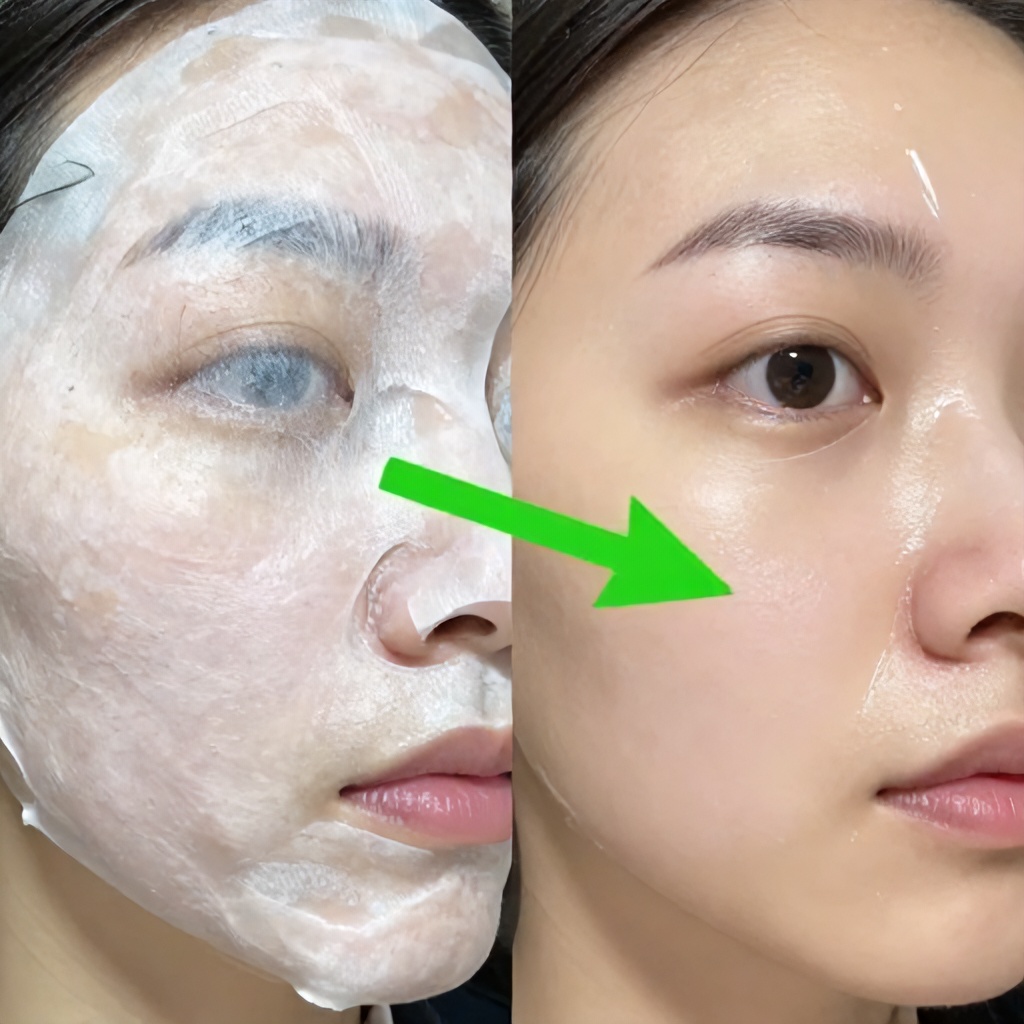
You might notice the mask starts to thicken and set as it cools. This is exactly what you want. Let the mask sit on your skin for approximately 15 minutes. During this time, it will dry and form a peelable film.
The Satisfying Reveal
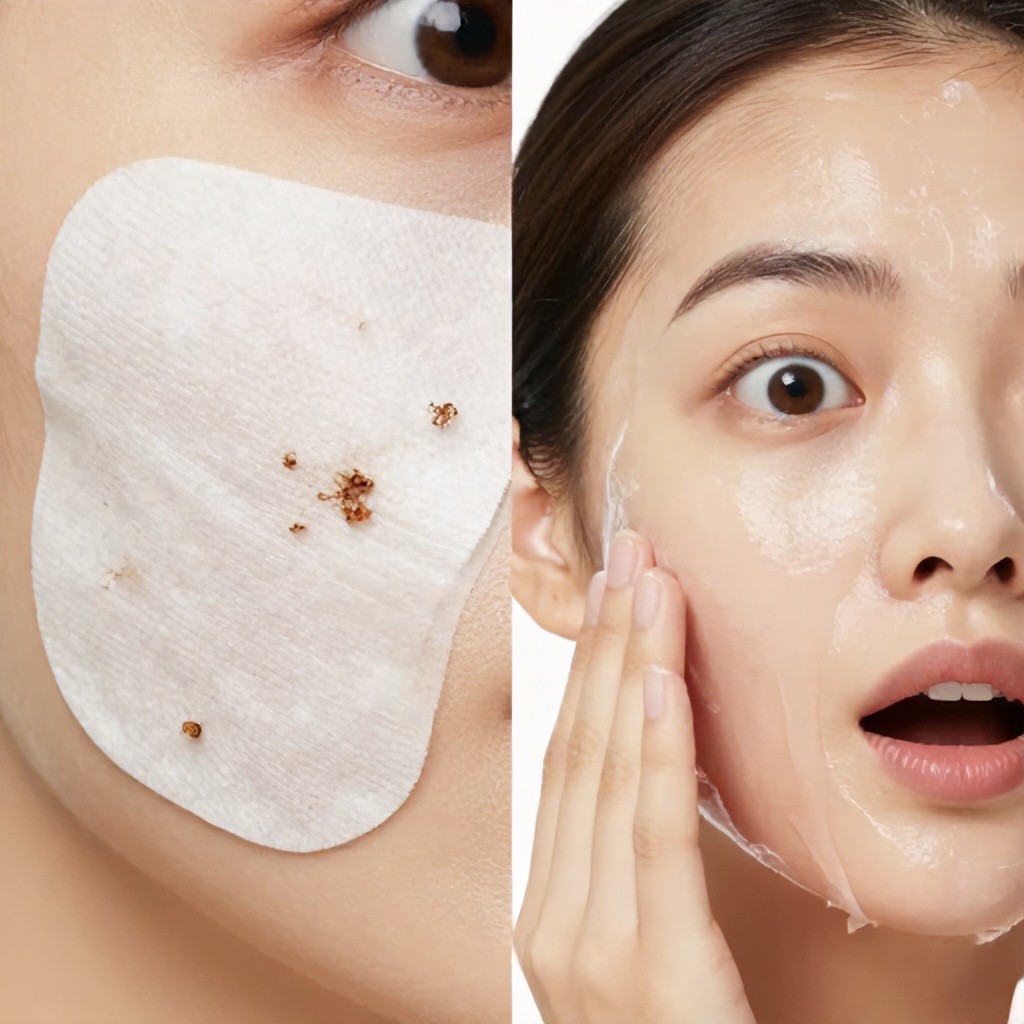
After 15 minutes, the mask should feel dry and slightly firm. Now comes the satisfying part: gently peel the mask off your skin. Start at the edges and slowly pull it away. As you remove the mask, you’ll likely see all the gunk that was trapped in your pores – the blackheads and other skin impurities – clinging to the underside of the mask. It’s a visual confirmation of the deep cleansing that has just occurred!
The effect can be quite striking, showing you exactly what was extracted from your pores. This peel-off action provides a form of physical exfoliation and helps to clear out comedones effectively.
Post-Mask Care is Key
Gelatin, while great for extraction, can have a slightly drying effect on the skin. To counteract this and keep your skin happy and hydrated, follow up with your favorite moisturizer a few minutes after removing the mask. This step is essential for maintaining skin balance and preventing your sebaceous glands from going into overdrive to compensate for dryness.
For best results and to tackle persistent blackheads, you can repeat this treatment a few times a week. With regular use, you should notice a significant reduction in the number and visibility of blackheads, leading to clearer, smoother-looking skin.
Więcej informacji
This section provides additional details related to the topic. If you have further questions about skincare or specific ingredients, this is where you’d find more in-depth answers.
Jak mogę zmienić decyzję? Co się stanie, jeśli się nie zgodzę? Co to jest uzasadniony interes? Czy muszę się zgadzać na wszystko?
This is a standard set of questions often found in privacy policies or consent forms. In the context of skincare, it might relate to how your personal information is used or if you agree to certain terms. For this article, it’s a placeholder for important user rights and information, ensuring you understand your options and the implications of your choices regarding data or consent.
Jak mogę zmienić decyzję?
This question pertains to modifying your preferences or choices. In a broader sense, it means you have the ability to alter your stance on something after initially agreeing or disagreeing. For instance, if you initially opted out of certain communications, you might later decide to opt back in.
Co się stanie, jeśli się nie zgodzę?
This addresses the consequences of refusing to give consent or agree to something. It implies that there might be limitations or different outcomes depending on your decision. For example, not agreeing to a specific service might mean you cannot access certain features.
Co to jest uzasadniony interes?
This refers to a legal basis for processing personal data. It means that an organization has a legitimate reason to process your information, provided it doesn’t outweigh your own rights and interests. This is a concept often found in data protection regulations.
Czy muszę się zgadzać na wszystko?
This is a question about the necessity of universal agreement. It highlights that you are not obligated to consent to every single request or term presented to you. You often have the right to accept or reject specific conditions, especially if they are not essential for a service you are using.