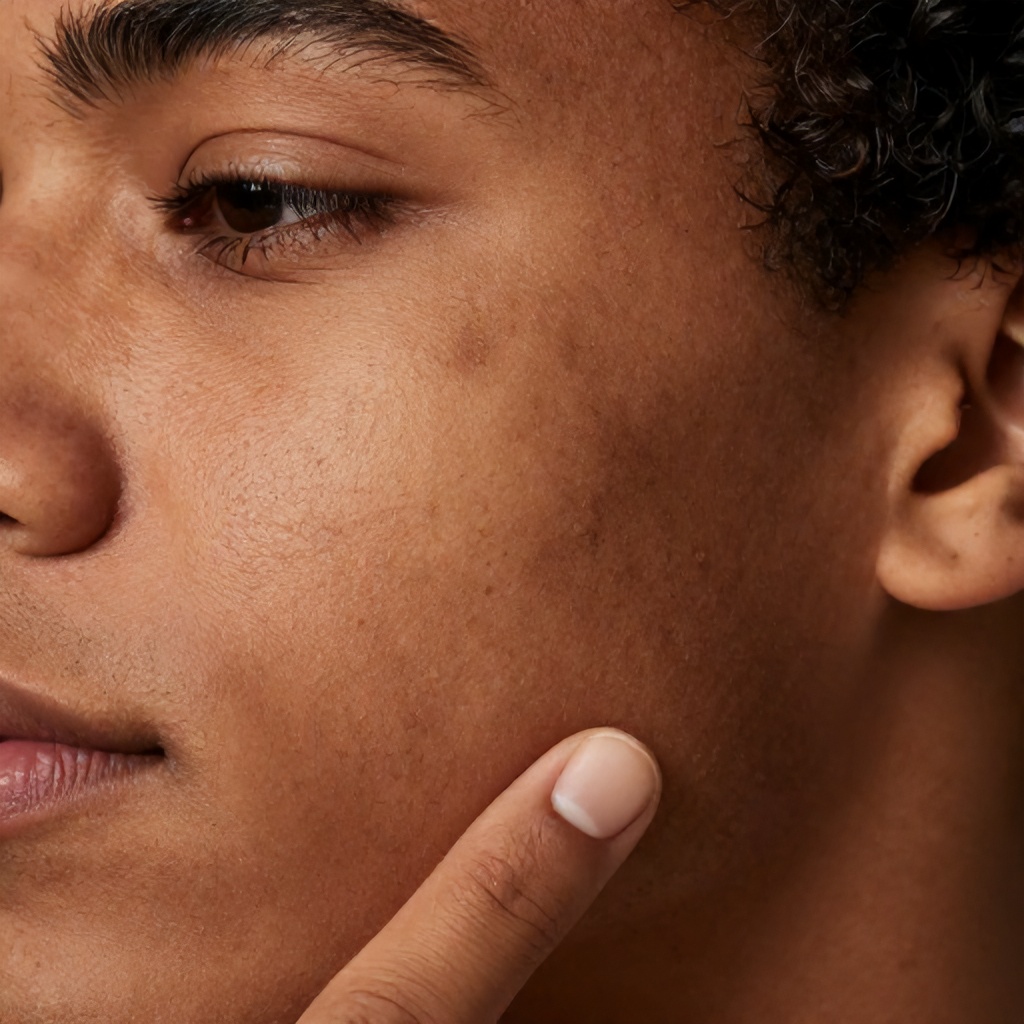
Topical skincare treatments offer an incredibly effective approach for blackhead removal, targeting these common skin imperfections right at their source. These specialized applications work directly on the skin’s surface and within the pores to clear blockages and prevent new ones from forming, leading to clearer, smoother skin.
Understanding Blackheads and Why They Appear
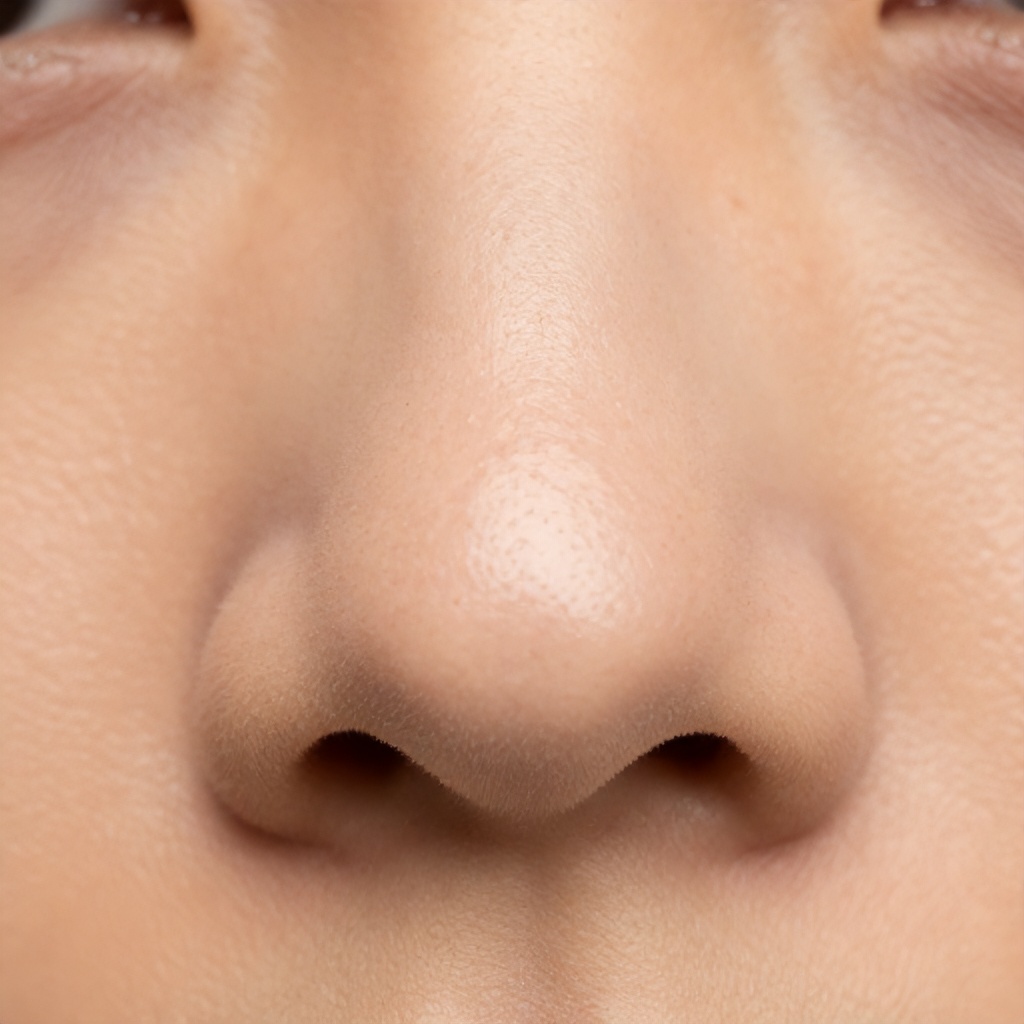
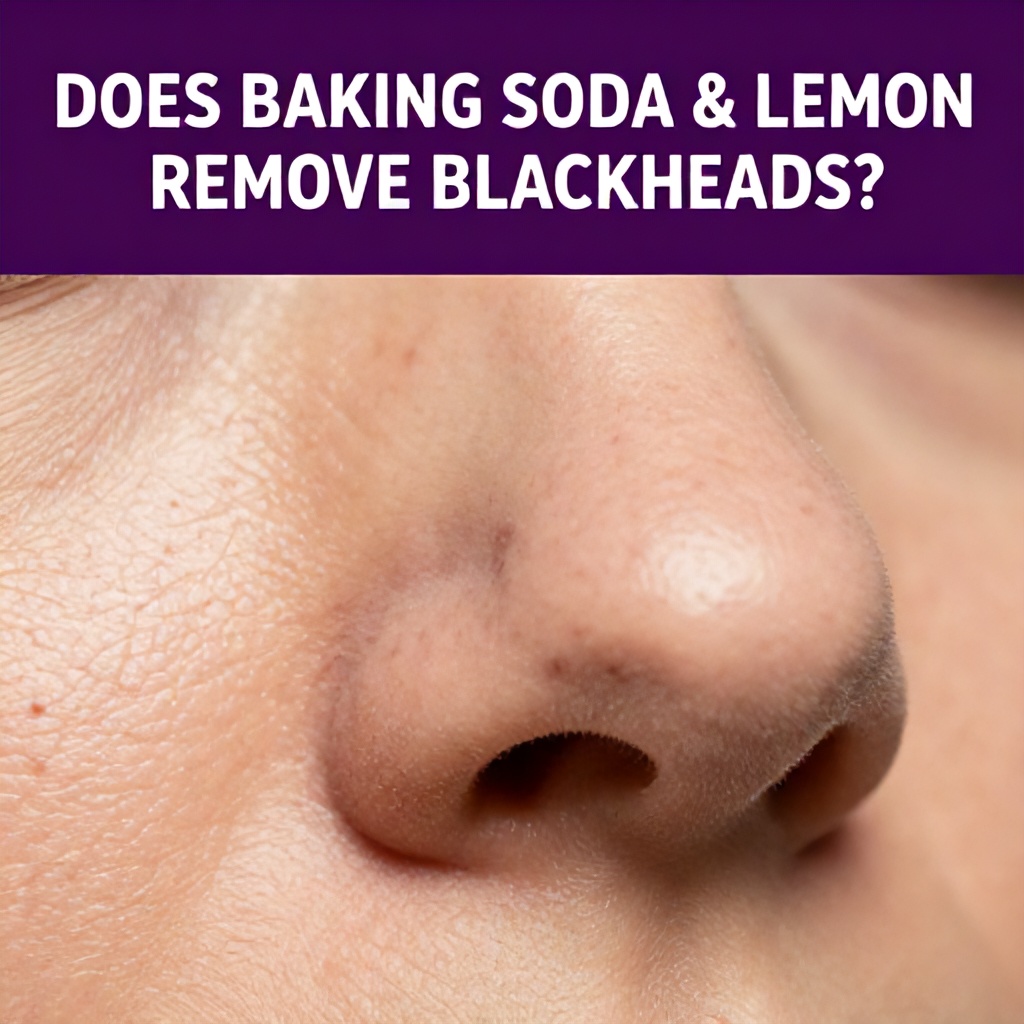
Blackheads are a type of mild acne, technically known as open comedones. They form when a hair follicle becomes clogged with a mixture of sebum (the natural oil produced by your skin) and dead skin cells. Unlike whiteheads, which are closed beneath the skin’s surface, blackheads have an opening to the air. This exposure causes the trapped sebum and dead cells to oxidize, turning a dark color – hence the name “blackhead.” They commonly appear on the nose area, forehead, and chin, but can also be found on the cheek area and other facial features.

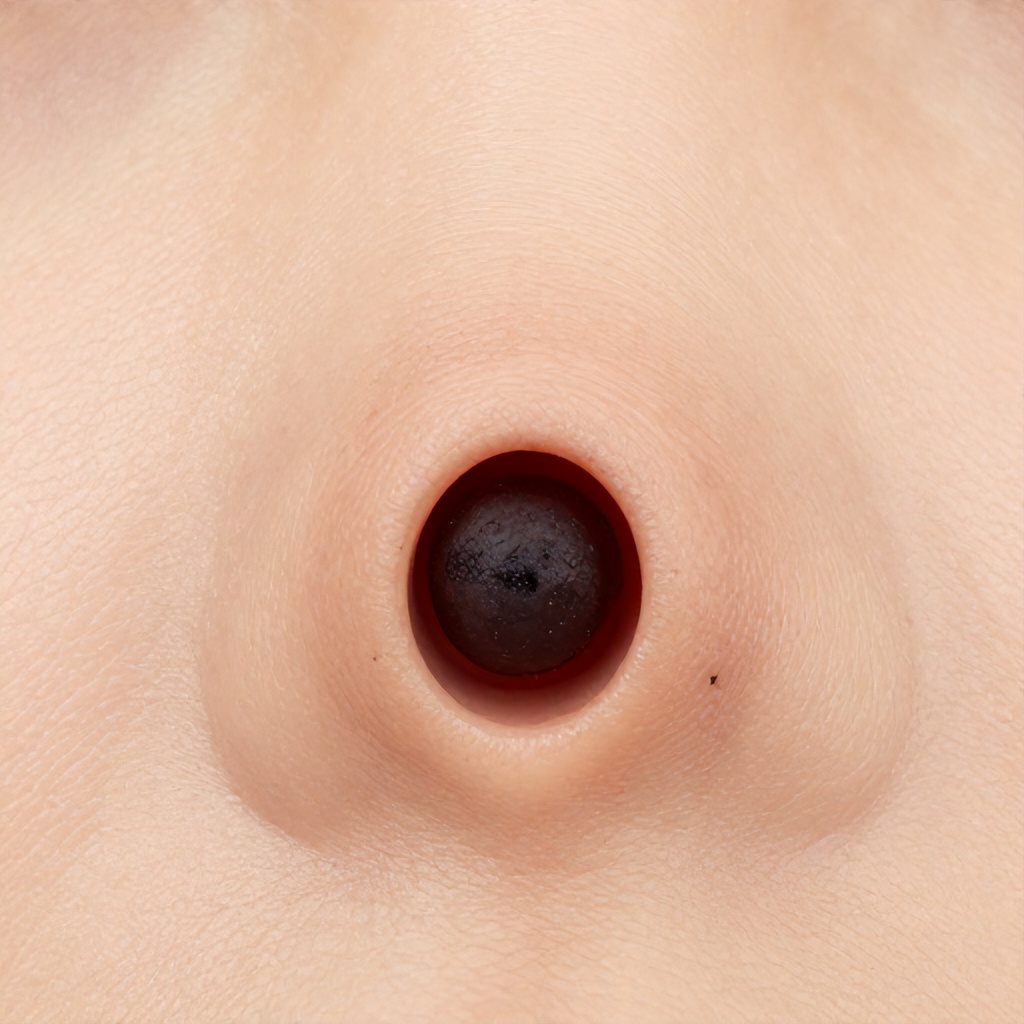
Several factors contribute to the formation of blackheads. An overproduction of sebum is a primary culprit, often influenced by hormones, especially during puberty, menstruation, or pregnancy. Inadequate exfoliation can lead to a buildup of dead skin cells that then combine with oil to clog pores. Certain cosmetic products, particularly those that are comedogenic (pore-clogging), can also exacerbate the problem. Environmental factors like humidity and pollution can play a role, as can genetics.
The Efficacy of Topical Treatments for Blackhead Removal
Topical treatments are the cornerstone of effective blackhead removal because they deliver active ingredients directly to the affected areas. This direct contact allows for targeted action, whether it’s dissolving the sticky bonds of dead skin cells, regulating oil production, or encouraging faster cell turnover. Consistent application of the right products can significantly improve skin clarity, reduce the appearance of existing blackheads, and prevent future breakouts. These skincare concerns are well-addressed by a strategic selection of topical applications.
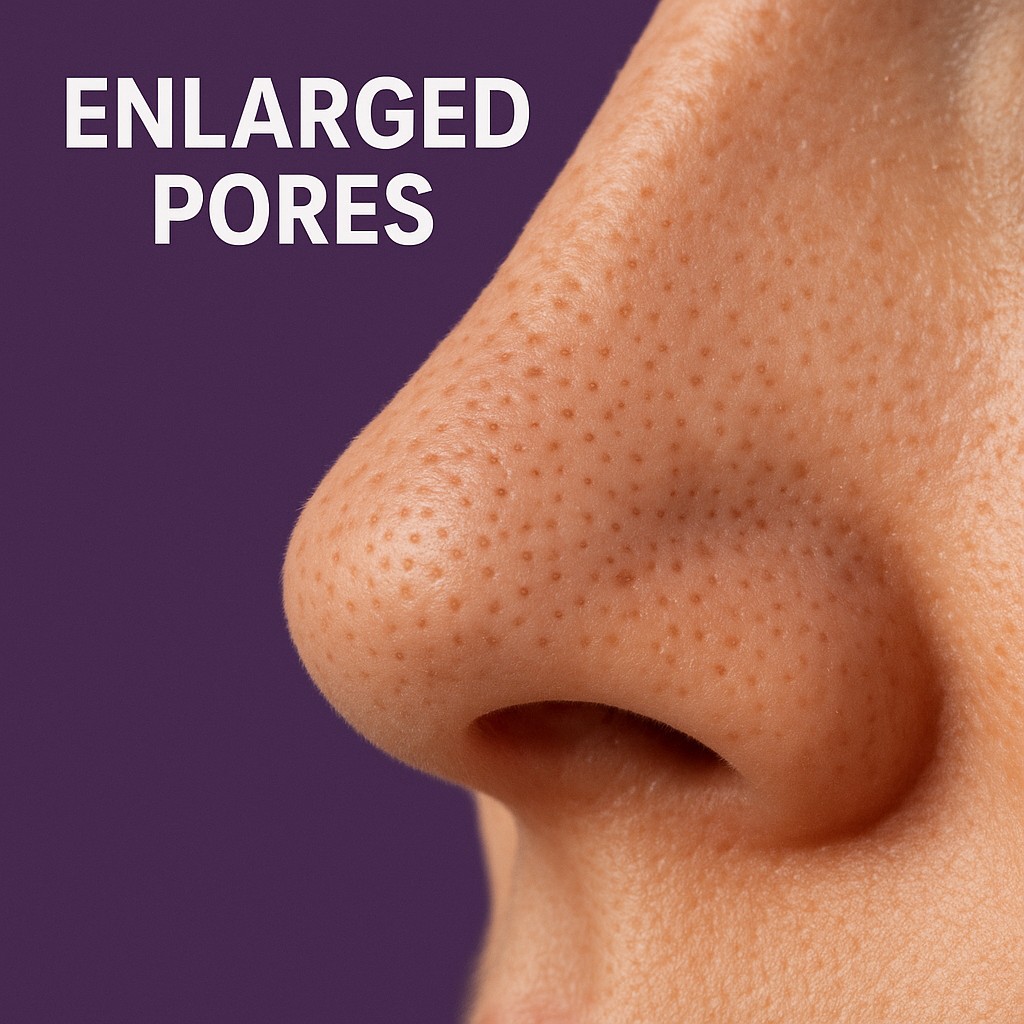
The goal of these skin treatments extends beyond just clearing current blemishes. They also work to refine the skin’s texture, minimize the look of enlarged pores, and promote overall skin health. By incorporating specific ingredients into your daily routine, you can achieve a smoother, more even complexion, effectively managing congested skin.
Essential Topical Ingredients for Targeting Blackheads
When selecting products for blackhead removal, certain ingredients stand out for their proven ability to tackle clogged pores. Understanding how each one works will help you choose the best options for your skin.
Salicylic Acid (BHA)
Salicylic acid is arguably the most celebrated ingredient for blackhead removal. As a beta-hydroxy acid (BHA), it is oil-soluble, meaning it can penetrate through the oily sebum that clogs pores. Once inside the pore, salicylic acid works to exfoliate the lining, loosening the dead skin cells and oil buildup, allowing them to be flushed out. This deep cleansing action makes it exceptionally effective for treating and preventing blackheads, especially in areas prone to oiliness like the nose area.
- How to Use: Available in cleansers, toners, serums, and spot treatments. Concentrations typically range from 0.5% to 2%. Start with a lower concentration or less frequent use if you have sensitive skin to avoid irritation.
- Benefits: Excellent for pore cleansing, reducing inflammation, and improving overall skin clarity. It’s a fantastic choice for those with oily or acne-prone skin.
Alpha Hydroxy Acids (AHAs) – Glycolic Acid and Lactic Acid
Alpha hydroxy acids, such as glycolic acid and lactic acid, are water-soluble exfoliants that work primarily on the skin’s surface. They dissolve the “glue” that holds dead skin cells together, promoting their shedding and revealing fresher, brighter skin underneath. While AHAs don’t penetrate oil like BHAs, they are excellent for improving skin texture, reducing the appearance of dark spots that can sometimes follow blemishes, and enhancing the overall radiance of the face. They can complement BHAs by keeping the skin’s surface clear, preventing dead cells from accumulating and potentially blocking pores.
- How to Use: Found in toners, serums, and masks. Glycolic acid is stronger, while lactic acid is gentler and more hydrating. Introduce them slowly, perhaps a few times a week, especially if new to chemical exfoliation.
- Benefits: Improves skin texture, reduces hyperpigmentation, and promotes a more even skin tone.
Retinoids (Retinol, Adapalene)
Retinoids, derivatives of Vitamin A, are powerful ingredients known for their ability to normalize cell turnover. This means they help your skin shed dead cells more efficiently and prevent them from accumulating and clogging pores in the first place. They also help to reduce oil production over time and promote collagen production, leading to smoother, healthier skin. Adapalene, a type of retinoid, is available over-the-counter and is particularly effective for acne and blackheads.
- How to Use: Start with a low concentration (e.g., 0.25% retinol) a few nights a week and gradually increase frequency as your skin tolerates it. Always apply to dry skin after cleansing. Sun protection is absolutely non-negotiable when using retinoids, as they increase sun sensitivity.
- Benefits: Prevents clogged pores, reduces oiliness, improves skin texture, and minimizes fine lines.
Niacinamide (Vitamin B3)
Niacinamide is a versatile ingredient that supports overall skin health. While not a primary blackhead remover like salicylic acid or retinoids, it plays a crucial supportive role. It helps to regulate sebum production, reduce inflammation, minimize the appearance of enlarged pores, and strengthen the skin barrier. By reducing excess oil and calming the skin, niacinamide creates an environment less prone to blackhead formation and can help to improve skin clarity.
- How to Use: Often found in serums and moisturizers, typically in concentrations of 2-10%. It’s generally well-tolerated and can be used daily, both morning and night.
- Benefits: Reduces oil, calms inflammation, improves barrier function, and can help with dark spots and pore appearance.
Clay and Charcoal Masks
Clay masks, often containing kaolin or bentonite clay, are excellent for absorbing excess oil and impurities from the skin. Activated charcoal also possesses strong absorbent properties, drawing out dirt and oil from pores. These masks provide a deep cleansing effect, which can temporarily minimize the appearance of blackheads and leave the skin feeling refreshed and less oily. They are a great addition to a weekly skincare treatment routine for congested skin.
- How to Use: Apply a thin layer to clean skin, leave on for 10-15 minutes (or as directed), then rinse thoroughly. Use 1-2 times a week. Avoid letting clay masks dry completely and crack, as this can be overly drying.
- Benefits: Absorbs excess sebum, detoxifies, and provides a temporary pore-refining effect.
Crafting Your Blackhead-Fighting Skincare Routine
A consistent and well-structured routine is key to seeing results from topical treatments for blackhead removal. Here’s a general framework, which you can adjust based on your skin’s needs and sensitivity.
Morning Routine
- Gentle Cleanser: Start with a mild, pH-balanced cleanser to remove any overnight buildup without stripping your skin.
- Antioxidant Serum (Optional): A Vitamin C serum can protect your skin from environmental damage and brighten your complexion.
- Lightweight Moisturizer: Even oily skin needs hydration. Choose a non-comedogenic formula.
- Sunscreen (Non-Negotiable): A broad-spectrum SPF 30 or higher is essential, especially when using exfoliating acids or retinoids, which increase sun sensitivity.
Evening Routine
- Double Cleanse (Optional but Recommended): If you wear makeup or heavy sunscreen, start with an oil-based cleanser or micellar water to break down products, followed by your gentle water-based cleanser for a thorough pore cleansing.
- Targeted Treatment: This is where your blackhead-fighting ingredients come in.
- Salicylic Acid: If using a BHA toner or serum, apply it after cleansing.
- Retinoid: If using a retinoid, apply a pea-sized amount to your entire face after cleansing and allowing your skin to dry completely (this reduces irritation). Start 2-3 times a week and increase as tolerated.
- Alternate: On nights you’re not using a retinoid, you might use an AHA product for surface exfoliation or a niacinamide serum. Avoid using strong AHAs/BHAs and retinoids on the same night unless your skin is very accustomed to them.
- Hydrating Serum (Optional): If your skin feels dry, a hyaluronic acid serum can add extra moisture.
- Moisturizer: Finish with a good moisturizer to support your skin barrier and counteract any potential dryness from active ingredients.
Weekly Treatments
- Clay or Charcoal Mask: Use 1-2 times a week for deep cleansing and oil absorption.
- Gentle Exfoliating Mask (AHA/BHA blend): If your daily routine doesn’t include a strong exfoliant, a weekly mask can provide a more intensive treatment.
Application Best Practices for Optimal Results
Getting the most out of your topical treatments involves more than just picking the right products. Proper application techniques are vital.
- Cleanse Thoroughly: Always apply active treatments to freshly cleansed skin. This ensures the ingredients can penetrate effectively without being blocked by dirt, oil, or makeup.
- Patch Test New Products: Before applying a new product to your entire face, test a small amount on an inconspicuous area (like behind your ear or on your jawline) for a few days to check for any adverse reactions.
- Layer Correctly: Apply products from thinnest consistency to thickest. Generally, this means cleanser, toner, serum, spot treatment, moisturizer, then sunscreen (in the morning).
- Be Patient and Consistent: Skincare results don’t happen overnight. It takes time for skin cells to turn over and for ingredients to work their magic. Stick with your routine for at least 4-6 weeks before evaluating its effectiveness.
- Prioritize Sun Protection: This cannot be stressed enough. Many blackhead-fighting ingredients, especially AHAs, BHAs, and retinoids, make your skin more vulnerable to sun damage. Daily, year-round sunscreen use is non-negotiable to protect your skin and prevent dark spots.
- Hydrate Your Skin: While you’re battling blackheads, it’s easy to forget about hydration. However, a well-hydrated skin barrier is a healthy skin barrier, which is less prone to irritation and can better tolerate active ingredients.
Common Pitfalls to Steer Clear Of
While topical treatments are powerful, certain habits can undermine your efforts or even worsen your skin condition.
- Over-Exfoliating: Using too many strong exfoliants (like multiple AHAs, BHAs, and retinoids) too frequently can strip your skin’s natural barrier, leading to irritation, redness, dryness, and even more breakouts. Listen to your skin and introduce actives slowly.
- Picking or Squeezing Blackheads: This is a major no-no. Manual extraction without proper technique can push bacteria deeper into the pore, cause inflammation, introduce new bacteria, and lead to post-inflammatory hyperpigmentation (dark spots) or even scarring. Leave extractions to a professional esthetician or dermatologist.
- Using Harsh Physical Scrubs: Abrasive scrubs with large, irregular particles can create micro-tears in the skin, compromising its barrier and leading to irritation and sensitivity. Opt for gentle chemical exfoliants instead.
- Skipping Moisturizer: Fear of making oily skin worse often leads people to skip moisturizer. However, depriving your skin of moisture can actually trigger it to produce more oil to compensate, exacerbating blackheads. Choose a lightweight, non-comedogenic moisturizer.
- Impatience: Expecting immediate results is unrealistic. Skin cycles take time. Give your products a fair chance to work before switching them out.
When Professional Help Becomes Necessary
For most people, a consistent topical skincare treatment regimen will significantly improve blackheads and overall skin clarity. However, there are times when professional intervention is beneficial.
- Persistent Blackheads: If your blackheads are stubborn and don’t respond to over-the-counter topical treatments after several months, a dermatologist can offer stronger prescription-strength retinoids or other medications.
- Deep or Inflamed Blemishes: If your blackheads are accompanied by more severe forms of acne like cysts or nodules, a dermatologist can provide comprehensive treatment plans.
- Professional Extractions: A licensed esthetician or dermatologist can perform safe and sterile extractions of blackheads, which is far preferable to picking at your skin at home.
Maintaining Clear Skin for the Long Haul
Achieving clear skin is a journey, not a destination. Once you’ve successfully managed your blackheads, maintaining your results requires ongoing effort and smart choices.
- Consistent Routine: Stick with your effective skincare routine, even when your skin looks good. Prevention is easier than treatment.
- Non-Comedogenic Products: Always choose makeup, sunscreen, and moisturizers labeled “non-comedogenic” or “non-acnegenic” to ensure they won’t clog your pores.
- Healthy Lifestyle: Diet, hydration, and stress management all play a role in skin health. While not direct blackhead removers, they support your skin’s overall well-being.
- Regular Cleansing: Ensure you cleanse your face twice daily to remove dirt, oil, and makeup, preventing buildup that can lead to new blackheads.
By understanding the science behind blackheads and thoughtfully incorporating the right topical treatments into your routine, you can achieve remarkable improvements in your skin’s clarity and texture. Consistent, gentle care is the most powerful tool for keeping those pesky skin imperfections at bay and enjoying a smoother, healthier complexion.