Bodyweight Exercises for Home Fitness Without Equipment

Bodyweight exercises offer an incredibly effective path to personal fitness right from your living room, requiring no special equipment and delivering impressive results for strength, endurance, and flexibility.

Why Bodyweight Training is Your Home Fitness Hero

Embarking on a journey towards better health and fitness doesn’t demand expensive gym memberships or bulky machines. Your own body, combined with a bit of space, provides everything necessary for a robust workout. This approach to home fitness is incredibly accessible, making it easy to integrate physical activity into even the busiest schedules. It’s cost-effective, eliminating the financial barriers that often deter people from starting or maintaining an exercise routine.

Beyond convenience, bodyweight training excels at building functional fitness. These are movements that mimic real-life actions, improving your ability to perform daily tasks with greater ease and reducing the risk of injury. You’re not just moving weights; you’re learning to control and strengthen your body in dynamic and practical ways. This method fosters a deep understanding of your own capabilities and limitations, helping you develop a stronger mind-muscle connection. It’s pure strength training at home, focusing on foundational movements that serve as the building blocks for all other forms of exercise.

The beauty of equipment-free exercises lies in their versatility. Whether you’re a complete beginner or an experienced athlete, there are endless variations and progressions to challenge you. This adaptability ensures your workout program remains engaging and effective over time, preventing plateaus and keeping your motivation high. It’s a sustainable way to achieve and maintain your personal fitness goals, proving that sometimes, the simplest tools are the most powerful.

Getting Started: Your At-Home Training Checklist

Before you jump into an energetic workout, a few simple preparations will ensure your session is both safe and effective. First, designate a clear, open space. A patch of floor in your living room, bedroom, or even a quiet corner will suffice. Make sure there’s enough room to extend your limbs fully without hitting furniture or walls.

Comfortable athletic wear is essential. Opt for clothing that allows a full range of motion. A supportive sports bra is a must for many, providing comfort during dynamic movements. Pair it with flexible leggings or shorts that won’t restrict your squats or lunges. Your workout gear doesn’t need to be fancy, but it should make you feel good and move freely. This contributes to a positive fitness aesthetic, making you feel ready and empowered for your session.

Hydration is another key component. Keep a water bottle nearby and sip throughout your workout. Proper hydration supports muscle function and helps regulate body temperature. Finally, don’t forget a warm-up and cool-down. A few minutes of light cardio and dynamic stretching exercises prepare your muscles for activity, while static stretches afterward aid recovery and improve flexibility training.

Essential Bodyweight Exercises for a Full-Body Workout

Building a comprehensive bodyweight workout program involves targeting all major muscle groups. These fundamental movements form the core of any effective no equipment fitness routine, helping you build strength, endurance, and overall physical activity.

Lower Body Power

Strong legs are the foundation of a powerful body. These exercises will challenge your glutes, quadriceps, and hamstrings.

  • Squats: Stand with your feet shoulder-width apart, toes pointing slightly out. Lower your hips as if sitting into a chair, keeping your chest up and back straight. Aim for your thighs to be parallel to the floor, or as low as comfortable, then push through your heels to return to the starting position. This move is fundamental for building lower body strength.
  • Lunges: Step forward with one leg, lowering your hips until both knees are bent at approximately a 90-degree angle. Ensure your front knee is directly above your ankle and your back knee hovers just above the floor. Push off your front foot to return to standing. Alternate legs or complete all reps on one side before switching. Lunges improve balance and target each leg independently.
  • Glute Bridges: Lie on your back with knees bent and feet flat on the floor, hip-width apart. Engage your core and glutes, then lift your hips off the floor until your body forms a straight line from shoulders to knees. Squeeze your glutes at the top, then slowly lower back down. This is excellent for glute activation and lower back support.
  • Calf Raises: Stand tall, with feet hip-width apart. Slowly lift your heels off the ground, rising onto the balls of your feet. Hold briefly at the top, feeling the contraction in your calves, then slowly lower your heels back down. For an added challenge, perform these on a slight elevation, like a step, to increase the range of motion.

Upper Body Strength

These moves focus on building strength in your chest, shoulders, and triceps, crucial for everyday tasks and overall upper body definition.

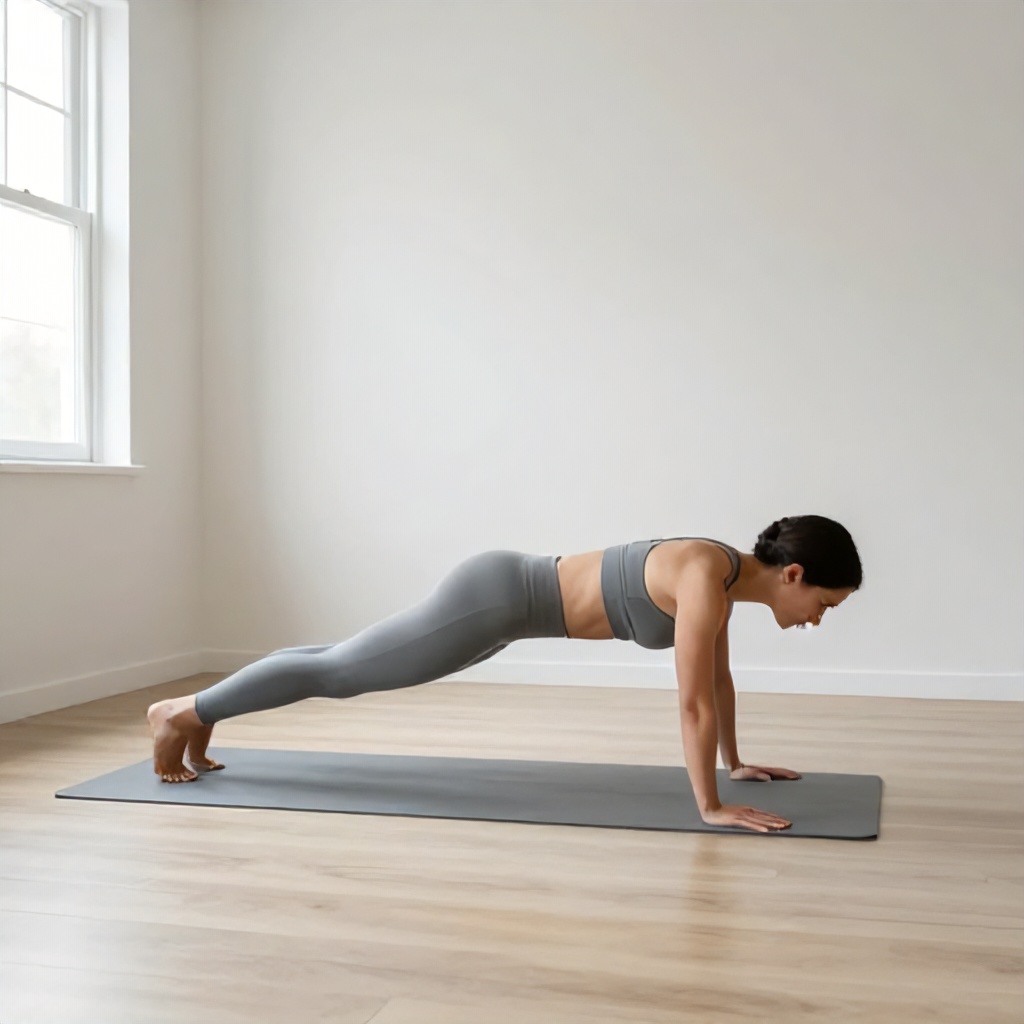
  • Push-ups: Start in a high plank position, hands slightly wider than shoulder-width apart, fingers pointing forward. Lower your chest towards the floor, keeping your body in a straight line from head to heels. Push back up to the starting position. If a standard push-up is too challenging, modify by performing them on your knees or against a wall. This classic calisthenics exercise is incredibly versatile.
  • Triceps Dips: Find a sturdy chair, bench, or even the edge of a step. Sit on the edge, place your hands beside your hips with fingers pointing forward, and slide your hips off the edge. Lower your body by bending your elbows, keeping them close to your sides, until your upper arms are parallel to the floor. Push back up using your triceps. You can adjust the difficulty by extending your legs further out.
  • Pike Push-ups: Begin in a downward dog position, forming an inverted V-shape with your body. Your hands should be shoulder-width apart, and your hips lifted high. Bend your elbows, lowering the crown of your head towards the floor between your hands. Push back up. This exercise specifically targets the shoulders, mimicking an overhead press motion.

Core Stability and Definition

A strong core is vital for posture, balance, and preventing back pain. These exercises will engage your abdominal muscles and lower back.

  • Plank: Start in a forearm plank position, forearms on the floor, elbows directly under shoulders, and body forming a straight line from head to heels. Engage your core, squeezing your glutes and bracing your abs, ensuring your hips don’t sag or lift too high. Hold this position, focusing on steady breathing. This is a powerful core stability exercise.
  • Crunches: Lie on your back with knees bent and feet flat on the floor. Place your hands lightly behind your head or across your chest. Engage your core and lift your head and shoulders off the floor, bringing your rib cage towards your pelvis. Lower with control. Focus on a controlled movement rather than speed.
  • Bicycle Crunches: Lie on your back, hands behind your head, legs lifted with knees bent at 90 degrees. Bring your right elbow towards your left knee while simultaneously extending your right leg straight. Alternate sides in a pedaling motion, keeping your core engaged throughout.
  • Leg Raises: Lie on your back, hands tucked under your lower back for support if needed. Keeping your legs straight and together, slowly lower them towards the floor without letting your lower back arch. Lift them back up to the starting position. Control is key to protect your back.
  • Bird-Dog: Start on all fours, hands under shoulders, knees under hips. Extend your right arm forward and your left leg straight back simultaneously, keeping your core tight and hips level. Hold briefly, then return to the starting position and switch sides. This improves balance and core control.

Full-Body Movers

These dynamic exercises combine multiple movements to get your heart rate up and work several muscle groups simultaneously, making for a truly energetic workout.

  • Burpees: Begin standing. Drop into a squat, place your hands on the floor, and kick your feet back into a plank position. Perform a push-up (optional), then jump your feet back towards your hands. Stand up explosively, perhaps adding a small jump at the top. Burpees are a fantastic full-body conditioning exercise.
  • Mountain Climbers: Start in a high plank position. Bring one knee towards your chest, then quickly switch, bringing the other knee forward. Maintain a steady pace, keeping your hips stable and core engaged. This is excellent for cardiovascular endurance and core strength.

Crafting Your No-Equipment Fitness Routine

Once you have a grasp of the individual exercises, the next step is to weave them into a coherent home workout program. Structure is key for consistency and progress in your bodyweight training.

Sample Beginner Routine

For those new to no equipment fitness, starting with a manageable routine three times a week, with a rest day in between, is ideal. This allows your muscles to recover and grow stronger. Always begin with a 5-10 minute warm-up of light cardio (like jumping jacks or marching in place) and dynamic stretching exercises. Conclude with 5-10 minutes of static stretches.

Here’s a simple structure for your exercise routine:

  1. Squats: 3 sets of 10-12 repetitions
  2. Push-ups (modified if needed): 3 sets of 8-10 repetitions
  3. Lunges: 3 sets of 8-10 repetitions per leg
  4. Plank: 3 sets, holding for 30-45 seconds
  5. Glute Bridges: 3 sets of 12-15 repetitions
  6. Crunches: 3 sets of 15-20 repetitions

Rest for 60-90 seconds between sets. Listen to your body. If a movement causes pain, stop and reassess your form or choose an easier modification. The goal is consistent effort, not immediate perfection.

Progressing Your Bodyweight Training

As you get stronger, your current routine might start to feel easier. That’s a sign of progress, and it means it’s time to challenge yourself further. There are several ways to advance your bodyweight training without needing any equipment:

  • Increase Repetitions and Sets: Simply do more. If you’re comfortably hitting 12 reps, try for 15 or 20. Add another set to your routine.
  • Decrease Rest Time: Shorten the break between sets. This boosts your cardiovascular endurance and makes the workout more intense.
  • Slow Down the Tempo: Perform movements more slowly, especially the lowering (eccentric) phase. For example, take 3-5 seconds to lower into a squat or push-up. This increases time under tension, stimulating more muscle growth.
  • Incorporate Advanced Variations: Move from knee push-ups to full push-ups, or from standard squats to jump squats. Try single-leg squats (pistol squats) or plyometric lunges.
  • Add Unilateral Work: Focus on one limb at a time. Single-leg glute bridges or single-arm plank variations increase difficulty and address muscle imbalances.

The key is gradual progression. Don’t try to do too much too soon. Consistent, small increases in challenge will lead to sustainable gains in your strength training at home.

Beyond the Moves: Maximizing Your Home Workout Program

While the exercises themselves are central, a truly effective home workout program extends beyond just the physical movements. A holistic approach to health and fitness will yield the best, most lasting results.

Consistency is paramount. It’s far better to do a short, effective workout three times a week than to attempt an intense session once a month. Schedule your workouts and treat them as non-negotiable appointments. This builds a habit, making physical activity a natural part of your week.

Nutrition and hydration play a massive role in how your body performs and recovers. Fuel your body with whole, unprocessed foods, and drink plenty of water throughout the day. What you put into your body directly impacts your energy levels for an energetic workout and your ability to repair muscle tissue afterward.

Mind-muscle connection is another powerful tool. Instead of just going through the motions, actively think about the muscles you’re working during each exercise. For instance, when doing a squat, consciously squeeze your glutes at the top. This enhances muscle activation and makes your workout more effective.

Don’t forget the benefits of flexibility training. Incorporate dedicated stretching exercises into your cool-downs or even on rest days. Improved flexibility can prevent injuries, enhance range of motion, and contribute to a more graceful fitness aesthetic. Consider adding some outdoor exercise to your routine too. A brisk walk or jog in the park can complement your bodyweight sessions, offering fresh air and a change of scenery.

Embracing the Journey: Consistency and Enjoyment

Your personal fitness journey with bodyweight exercises is a marathon, not a sprint. The most significant gains often come from consistent effort over time, not from extreme, short-lived bursts. Celebrate every small victory, whether it’s holding a plank for an extra ten seconds or completing an extra set of push-ups. These milestones build confidence and reinforce positive habits.

Find joy in the process. While discipline is important, true longevity in any physical activity comes from genuinely enjoying what you do. Experiment with different bodyweight training routines, try new exercise variations, or even incorporate music that motivates you. Make your workout time something you look forward to, not a chore.

Remember that health and fitness is a lifelong endeavor. It’s about building a stronger, more resilient you, both physically and mentally. With bodyweight exercises, you have an incredibly powerful, accessible tool to achieve remarkable results, all from the comfort and convenience of your own home.
Guide to Sculpting Your Body at Home with Exercise Equipment

Building a sculpted physique is entirely achievable from the comfort of your home, provided you have the right equipment and a smart approach to your workouts.

Why Equip Your Home Gym for Sculpting?

Investing in a few pieces of exercise equipment for your home gym transforms your fitness journey, allowing for consistent, effective body sculpting without the need for a traditional gym membership. The convenience of working out whenever inspiration strikes, or your schedule allows, means fewer excuses and more dedication to your physical training goals. This setup is perfect for anyone looking to build strength, enhance muscle definition, and achieve a toned physique through focused strength training.

Having your own gear at home means you control the environment, the music, and the intensity. It fosters a sense of ownership over your fitness program, making it easier to stick to a routine. This personal space becomes a dedicated zone for your body sculpting efforts, eliminating travel time and the intimidation some feel in crowded gyms. It’s an efficient way to integrate physical training into a busy life, ensuring your fitness regimen remains a priority.

Essential Equipment for Your Home Workout Guide

You don’t need a sprawling, expensive setup to sculpt your body effectively at home. A few versatile pieces of home gym equipment can provide a comprehensive fitness training experience, targeting all major muscle groups. Choosing the right tools is the first step in creating an impactful home workout guide.

Dumbbells

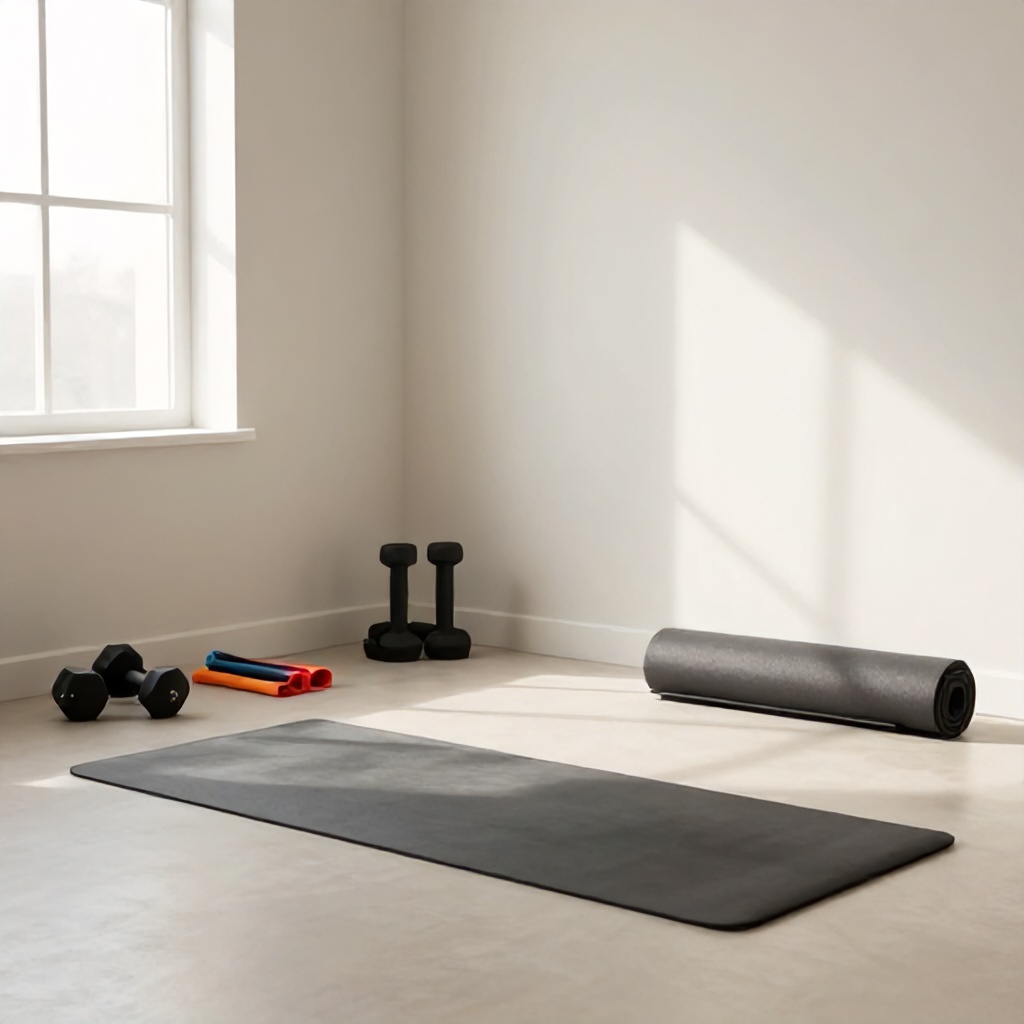
Dumbbells are perhaps the most fundamental piece of equipment for strength building and body toning. They are incredibly versatile, allowing for a wide range of exercises that target everything from your shoulders to your legs. Adjustable dumbbells are a fantastic space-saving option, offering a range of weights in a single unit. Fixed-weight dumbbells are also excellent if you have the space and prefer quick weight changes. Start with a lighter set for higher repetitions and a heavier set for compound movements to effectively sculpt your body.

Resistance Bands

These elastic bands come in various strengths, providing progressive resistance for muscle engagement. They are lightweight, portable, and excellent for adding challenge to bodyweight exercises, especially for glute and hip activation. Resistance bands are perfect for warm-ups, cool-downs, and adding an extra burn to your at-home exercises, making them a staple in any effective fitness guide.

Exercise Balls (Stability Balls)

An exercise ball, often called a stability ball, is more than just a prop; it’s a dynamic tool for core exercises, balance training, and enhancing flexibility. Incorporating a stability ball into your routine forces your stabilizing muscles to work harder, leading to improved posture and a stronger core. They can also be used to modify traditional exercises, adding an element of instability that intensifies muscle activation.

Kettlebells

Kettlebells offer a unique training experience, excellent for dynamic movements that combine strength, cardio, and flexibility. Their unique shape shifts the center of gravity, engaging more muscles during swings, squats, and presses. Kettlebells are fantastic for building explosive power and endurance, contributing significantly to a well-rounded fitness program focused on body sculpting.

Jump Rope

Often underestimated, a jump rope is an incredible tool for cardiovascular fitness and agility. It’s a low-cost, high-impact way to warm up your muscles, elevate your heart rate, and improve coordination. Just a few minutes of jumping rope can be a powerful addition to your physical training, burning calories and preparing your body for more intense strength training.

Yoga Mat

A yoga mat provides cushioning and grip for floor exercises, stretching, and stability work. It makes exercises like planks, crunches, and push-ups more comfortable and safer, protecting your joints and preventing slipping. A good mat is a small but mighty addition to your home gym equipment.

Ankle/Wrist Weights

These add a small but significant amount of resistance to bodyweight movements, intensifying exercises like leg lifts, arm raises, and walking. They are a simple way to increase the challenge as you progress, aiding in body toning and muscle endurance.

Crafting Your Body Sculpting Home Workout

A successful home workout guide isn’t just about having the right equipment; it’s about structuring your exercise routines effectively. Your fitness regimen should be balanced, progressive, and tailored to your goals. Consistency and proper form are paramount for achieving real results and avoiding injury.

Designing Your Fitness Program

Start each session with a dynamic warm-up to prepare your muscles and joints, then move into your main strength-building exercises. Conclude with a cool-down, incorporating static stretches to improve flexibility and aid recovery. Aim for 3-5 workout days per week, allowing for rest days in between to let your muscles repair and grow. Focus on progressive overload, which means gradually increasing the weight, repetitions, or sets over time to continually challenge your muscles.

The Importance of Proper Form

Correct form is non-negotiable. Poor technique not only reduces the effectiveness of an exercise but also significantly increases the risk of injury. Before adding heavy weights, master the movement patterns with lighter weights or even just your body weight. Consider watching workout demonstrations online from certified trainers to ensure you’re performing each exercise safely and efficiently. Quality over quantity is always the rule when you sculpt your body.

Key Body Sculpting Exercises with Equipment

Here are some effective at-home exercises using common equipment, designed to help you sculpt your body and build functional strength.

Dumbbell Exercises

  • Goblet Squat: Hold one dumbbell vertically against your chest, cupping the top end with both hands. Stand with feet shoulder-width apart, toes slightly out. Lower your hips as if sitting in a chair, keeping your chest up and back straight. Drive through your heels to return to the start. This targets glutes, quads, and core.

  • Dumbbell Lunges: Hold a dumbbell in each hand, arms at your sides. Step forward with one leg, lowering your hips until both knees are bent at approximately a 90-degree angle. Ensure your front knee is directly over your ankle and your back knee hovers just above the floor. Push off your front foot to return to the start. Alternate legs. This works glutes, quads, and hamstrings.

  • Bent-Over Dumbbell Rows: Hold a dumbbell in each hand, palms facing each other. Hinge at your hips, keeping your back straight and core engaged, until your torso is nearly parallel to the floor. Let the dumbbells hang down. Pull the dumbbells towards your chest, squeezing your shoulder blades together. Slowly lower them back down. This is excellent for your back muscles and biceps.

  • Dumbbell Overhead Press: Sit or stand with a dumbbell in each hand, palms facing forward, at shoulder height. Press the dumbbells straight up overhead until your arms are fully extended but not locked. Slowly lower them back to the start. This exercise builds shoulder strength and definition.

  • Dumbbell Bicep Curls: Stand with a dumbbell in each hand, palms facing forward, arms extended at your sides. Keeping your elbows tucked in, curl the dumbbells up towards your shoulders, squeezing your biceps at the top. Slowly lower them back down. This isolates and strengthens your biceps.

  • Dumbbell Triceps Extensions (Overhead): Hold one dumbbell with both hands, extending it straight overhead. Keeping your elbows close to your head, slowly lower the dumbbell behind your head by bending your elbows. Extend your arms to return to the start. This effectively targets your triceps.

  • Floor Dumbbell Chest Press: Lie on your back with knees bent, feet flat on the floor. Hold a dumbbell in each hand, palms facing each other, elbows bent at 90 degrees on the floor. Press the dumbbells straight up towards the ceiling, bringing them close together at the top. Slowly lower them back down until your elbows lightly touch the floor. This builds chest strength and definition.

Resistance Band Exercises

  • Band Glute Bridge: Place a resistance band just above your knees. Lie on your back with knees bent, feet flat on the floor, hip-width apart. Push through your heels to lift your hips off the floor, squeezing your glutes at the top. Maintain tension on the band by pushing your knees slightly outwards. Slowly lower your hips back down. This is a powerful glute and hamstring builder.

  • Band Lateral Walks: Place a resistance band around your ankles or just above your knees. Stand with feet hip-width apart, knees slightly bent. Take small, controlled steps sideways, maintaining tension on the band throughout. Walk a set distance in one direction, then return. Excellent for hip abductors and glutes.

  • Band Clamshells: Lie on your side with knees bent at 90 degrees and hips stacked. Place a resistance band just above your knees. Keeping your feet together, open your top knee away from the bottom knee, like a clamshell opening. Control the movement as you slowly close your knees. Targets outer glutes and hip stability.

Exercise Ball (Stability Ball) Exercises

  • Ball Crunches: Lie with your lower back supported by the stability ball, feet flat on the floor, hands behind your head or crossed over your chest. Engage your core and lift your upper body towards your knees, performing a crunch. Slowly lower back down. This engages your core muscles more deeply due to the instability.

  • Ball Hamstring Curls: Lie on your back with your heels and lower calves resting on top of the stability ball. Lift your hips off the floor, forming a straight line from shoulders to knees. Bend your knees, rolling the ball towards your glutes. Extend your legs to roll the ball back out. Keep your hips elevated throughout the movement. This is fantastic for hamstrings and glutes.

  • Ball Plank: Place your forearms on the stability ball, extending your legs straight back into a plank position. Keep your body in a straight line from head to heels, engaging your core intensely to maintain balance. Hold for time. This significantly intensifies a traditional plank.

Kettlebell Exercises

  • Kettlebell Swings: Stand with feet slightly wider than shoulder-width, kettlebell on the floor in front of you. Hinge at your hips, keeping your back straight, and grab the kettlebell with both hands. Hike the kettlebell back between your legs, then explosively drive your hips forward, squeezing your glutes, to swing the kettlebell up to chest height. Let it swing back down, controlling the descent with your hips. This is a full body power exercise.

  • Kettlebell Goblet Squat: Hold a kettlebell by the horns against your chest. Perform a squat as described for dumbbells, focusing on keeping your chest up and driving through your heels. The kettlebell’s weight distribution helps maintain an upright torso.

Sample Home Workout Routines

Here are a couple of exercise routines to get you started on your fitness journey. Remember to warm up for 5-10 minutes (light cardio like jumping jacks, jump rope, arm circles) and cool down with 5-10 minutes of stretching after each workout.

Beginner Full Body Workout (3 times a week)

  • Goblet Squats: 3 sets of 10-12 repetitions

  • Floor Dumbbell Chest Press: 3 sets of 10-12 repetitions

  • Bent-Over Dumbbell Rows: 3 sets of 10-12 repetitions

  • Dumbbell Overhead Press: 3 sets of 10-12 repetitions

  • Dumbbell Bicep Curls: 2 sets of 12-15 repetitions

  • Dumbbell Triceps Extensions (Overhead): 2 sets of 12-15 repetitions

  • Ball Crunches: 3 sets of 15-20 repetitions

Intermediate Strength & Toning (4 times a week, alternating A/B)

Workout A (Upper Body & Core)

  • Floor Dumbbell Chest Press: 3 sets of 8-10 repetitions

  • Bent-Over Dumbbell Rows: 3 sets of 8-10 repetitions

  • Dumbbell Overhead Press: 3 sets of 8-10 repetitions

  • Dumbbell Bicep Curls: 3 sets of 10-12 repetitions

  • Dumbbell Triceps Kickbacks (or Overhead Extension): 3 sets of 10-12 repetitions

  • Ball Plank: 3 sets, hold for 30-60 seconds

  • Resistance Band Lateral Walks: 3 sets of 10-12 steps per side

Workout B (Lower Body & Core)

  • Goblet Squats (or Kettlebell Goblet Squats): 3 sets of 8-10 repetitions

  • Dumbbell Lunges: 3 sets of 8-10 repetitions per leg

  • Kettlebell Swings: 3 sets of 12-15 repetitions

  • Band Glute Bridge: 3 sets of 12-15 repetitions

  • Ball Hamstring Curls: 3 sets of 10-12 repetitions

  • Stability Ball Reverse Crunches: 3 sets of 15-20 repetitions

Beyond the Workout: Nutrition and Recovery

While your home workout guide provides the blueprint for physical training, remember that body sculpting is a holistic endeavor. What you do outside of your workout sessions is just as important as the exercises themselves. Proper nutrition fuels your muscles, aids in recovery, and supports fat loss, which is essential for muscle definition.

Prioritize a balanced diet rich in lean protein, complex carbohydrates, and healthy fats. Protein is particularly crucial for muscle repair and growth. Hydration is another key component; drinking plenty of water supports metabolic functions and overall performance. Moreover, adequate sleep allows your body to recover and rebuild, making your efforts in strength building more effective. Listen to your body, take rest days when needed, and stay consistent with both your training and your lifestyle choices to truly sculpt your body.

Exit mobile version