
10-Minute Full Body Stretch Routine for Improved Flexibility
Flexibility is key to maintaining overall body health, improving posture, and preventing injuries. A quick and effective 10-minute full-body stretch routine can help increase your flexibility, reduce muscle tension, and leave you feeling more relaxed and energized. Whether you’re a beginner or experienced, this routine is perfect for daily use, especially after waking up or after a long day of sitting. This flexibility training can become a cornerstone of your health fitness journey.

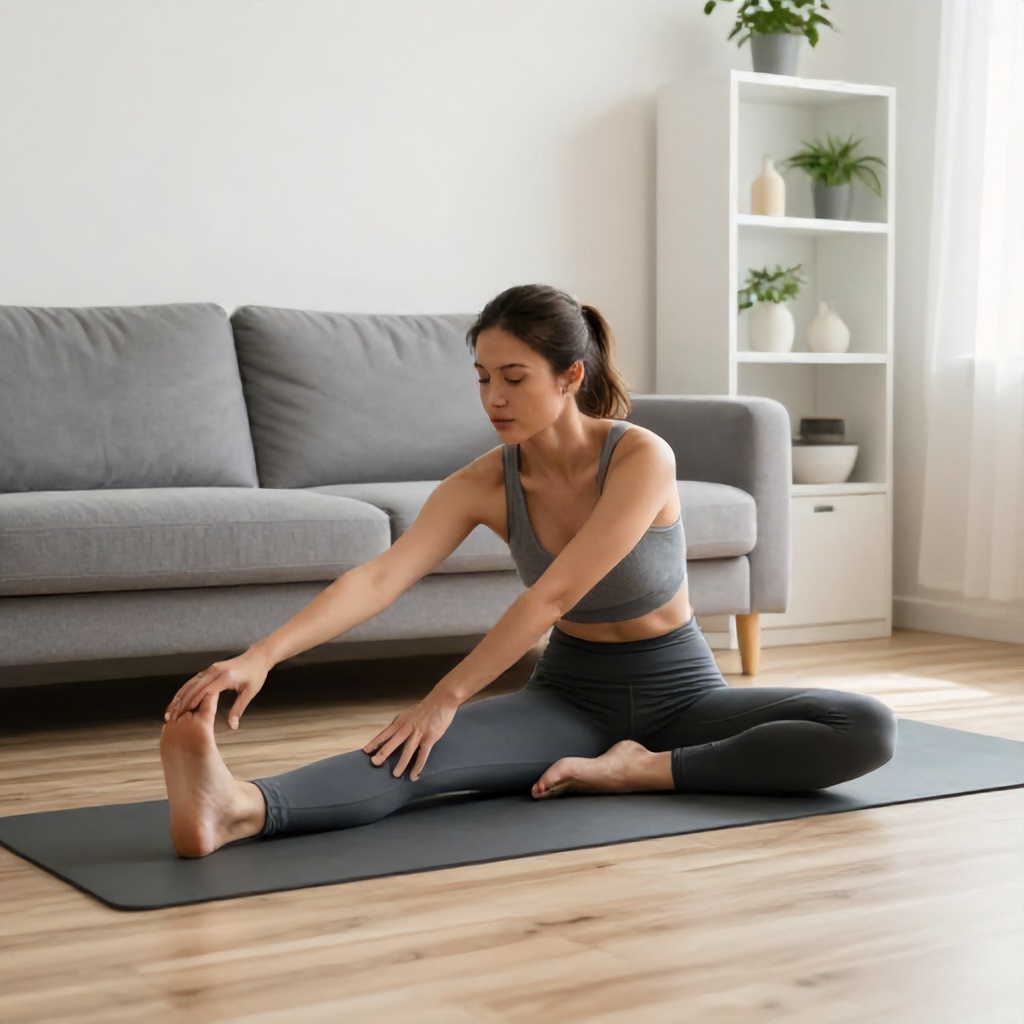
This isn’t about contorting yourself into pretzel shapes. It’s about gentle movements that coax your muscles into releasing tightness. Think of it as a daily tune-up for your body, a way to enhance your range of motion and simply feel better in your own skin. Incorporating these simple stretching exercises can make a noticeable difference in your physical well-being.
Health Fitness
04.07.2025
0
1.423
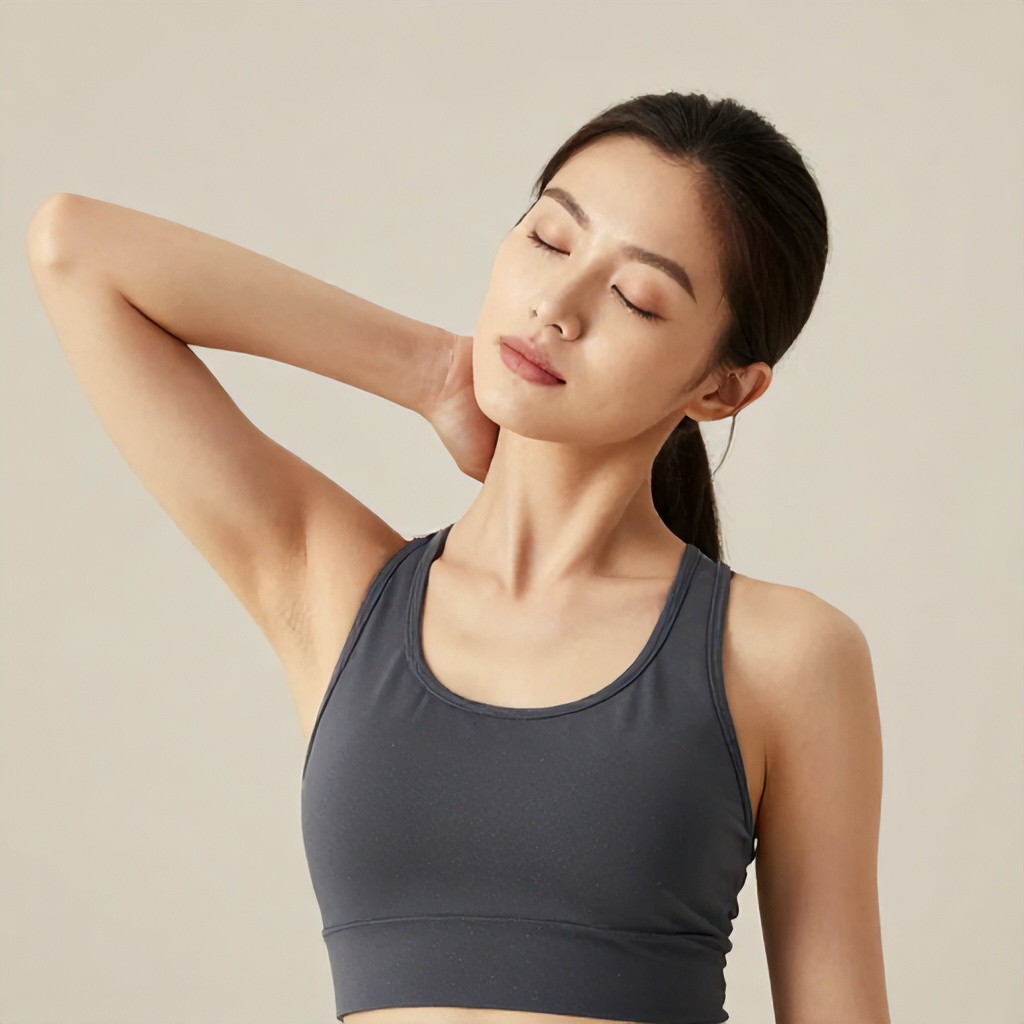
1. Neck Rolls: Gentle Release
Start with gentle neck stretches to release any tension built up overnight or from a long day of work. This helps improve flexibility and mobility in the neck area, a common spot for stiffness.
How to Do It
- Sit or stand tall with your shoulders relaxed.
- Gently tilt your head to the right, bringing your ear toward your right shoulder. Hold for 15 seconds. Feel that stretch along the left side of your neck.
- Slowly bring your head back to center.
- Now, gently tilt your head to the left, bringing your left ear toward your left shoulder. Hold for 15 seconds.
- Bring your head back to center.
- For a slightly deeper stretch, you can place your right hand on the left side of your head and gently apply a little more pressure, guiding your ear towards your shoulder. Do the same on the other side.
This simple movement is fantastic for neck mobility and can ease headaches caused by tight neck muscles.
2. Shoulder Rolls: Unwinding Upper Body Tension
Shoulder rolls help release tension in the upper back, neck, and shoulders. This stretch is perfect for reducing stiffness and increasing your range of motion in the shoulder joints. It’s a quick way to combat that feeling of being hunched over.
How to Do It
- Stand tall with your feet hip-width apart, knees slightly bent.
- Begin to roll your shoulders forward in slow, controlled circles. Imagine drawing big circles with your shoulders. Do this for 30 seconds. Focus on the movement originating from your shoulder blades.
- After 30 seconds, reverse the direction. Roll your shoulders backward for another 30 seconds. Feel your shoulder blades drawing together and then apart.
This dynamic movement helps warm up the shoulder joint and releases tightness that can accumulate from typing or carrying bags. It’s a great way to start your full body stretch.
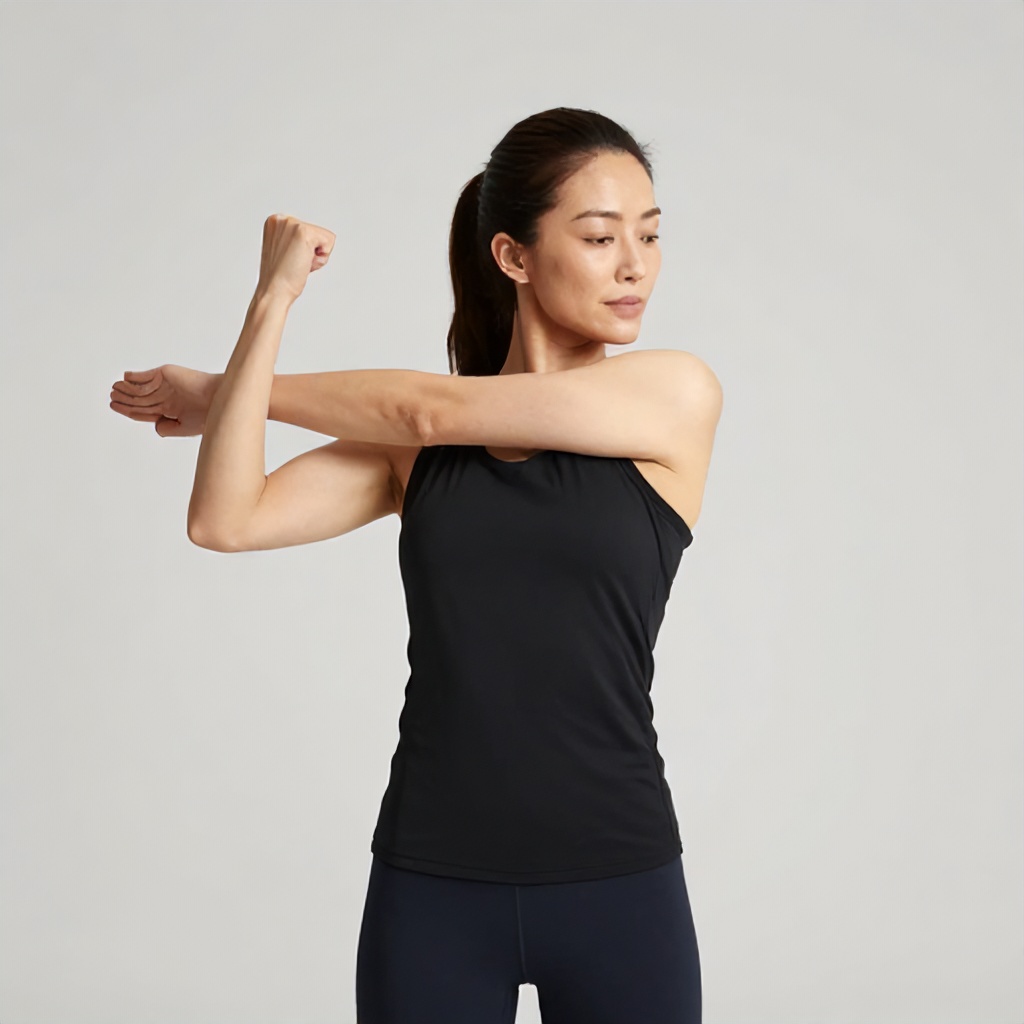
3. Chest Opener: Reclaiming Your Posture
Opening up the chest helps improve posture and release tension in the upper body. This stretch also helps counteract the effects of slouching, which many of us do throughout the day. A more open chest can make you feel more confident and breathe more deeply.
How to Do It
- Stand tall or sit upright with your hands clasped behind your back.
- Interlace your fingers and straighten your arms as much as comfortable.
- Gently lift your clasped hands away from your back and upward, opening your chest toward the ceiling. You should feel a stretch across the front of your chest and shoulders.
- Hold this position for 30 seconds, breathing deeply and relaxing into the stretch.
- If it feels good and you want a deeper stretch, you can gently lean forward slightly from your hips while keeping your chest open.
This is a wonderful stretch for anyone who spends a lot of time at a desk or looking down at their phone. It’s a key component for better posture improvement.
4. Standing Forward Fold: Reaching for Relaxation
This stretch helps increase flexibility in your hamstrings, calves, and lower back. It also promotes relaxation and is great for relieving tension, especially in the posterior chain of your body.
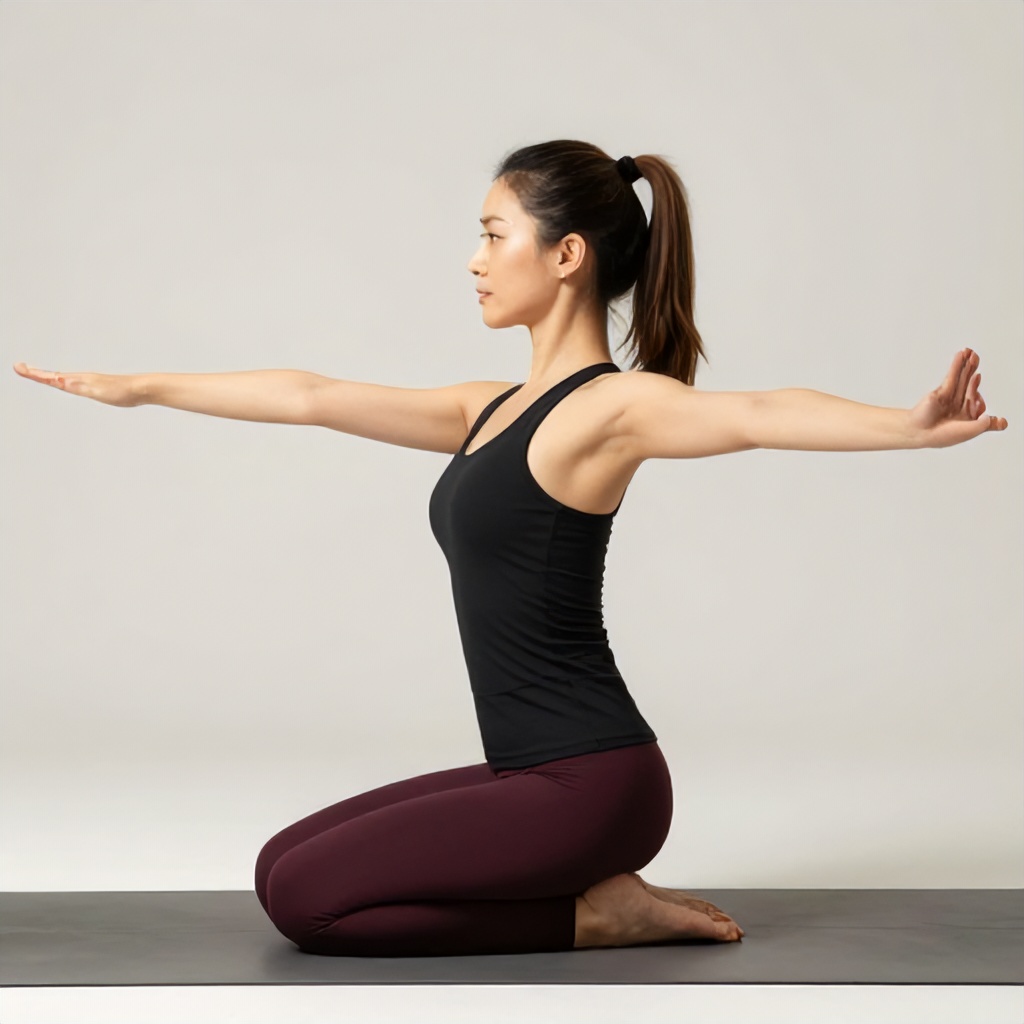
How to Do It
- Stand tall with your feet hip-width apart.
- As you exhale, slowly hinge forward at your hips, letting your head and arms hang toward the floor.
- Allow your knees to bend as much as needed. The goal isn’t to touch your toes, but to feel a gentle stretch in your hamstrings and lower back.
- Let your arms dangle or gently hold opposite elbows.
- Hold for 1 minute, breathing deeply into the stretch. Focus on releasing tension with each exhale.
If you have tight hamstrings, this can feel intense. Remember to be kind to your body and adjust the bend in your knees. This is a foundational stretch for improving lower body flexibility.
5. Cat-Cow Pose: Spinal Fluidity
A fantastic way to warm up and stretch your spine, the cat-cow pose also helps improve flexibility in the back, shoulders, and neck. It’s a dynamic movement that brings awareness to your entire spinal column. This is a staple in many daily yoga practices.
How to Do It
- Start on all fours in a tabletop position. Ensure your wrists are directly beneath your shoulders and your knees are directly beneath your hips. Your shins and the tops of your feet should rest on the floor.
- As you inhale, drop your belly towards the floor, arch your back, and lift your chest and tailbone towards the ceiling. This is Cow Pose. Gaze slightly upward.
- As you exhale, round your spine towards the ceiling, tucking your chin towards your chest and drawing your navel towards your spine. This is Cat Pose.
- Continue flowing between these two poses for 1 minute, coordinating your breath with the movement.
This movement is excellent for lubricating the spine and can help alleviate lower back pain. It’s a simple yet effective way to increase spine flexibility.
6. Downward-Facing Dog: Full Body Lengthening
This iconic yoga pose is a powerful full-body stretch. It lengthens the spine, stretches the hamstrings and calves, and strengthens the arms and shoulders. It’s a fantastic way to energize your body.
How to Do It
- From your tabletop position (hands and knees), tuck your toes under.
- As you exhale, lift your hips up and back, forming an inverted V-shape with your body.
- Press your palms firmly into the mat, spreading your fingers wide.
- Let your head hang naturally between your arms.
- You can keep a slight bend in your knees, especially if your hamstrings are tight. Work towards straightening your legs and bringing your heels closer to the floor over time.
- Hold for 30 seconds, breathing deeply.
Don’t worry if your heels don’t touch the ground initially. Focus on the length in your spine and the stretch in your legs. This pose is a cornerstone of many flexibility routines.
7. Low Lunge: Hip Flexor and Quad Stretch
This stretch targets the hip flexors and quadriceps, muscles that often become tight from sitting. Releasing this tension can significantly improve hip mobility and reduce lower back strain.
How to Do It
- From Downward-Facing Dog, step your right foot forward between your hands.
- Lower your left knee to the floor. You can place a cushion under your knee for comfort.
- Ensure your right knee is stacked directly over your right ankle.
- Gently sink your hips forward and down, feeling a stretch in the front of your left hip and thigh.
- Hold for 30 seconds.
- Step your right foot back to tabletop and repeat on the left side, stepping your left foot forward and lowering your right knee.
This is a great stretch for runners and anyone who spends a lot of time standing or walking. It’s a vital part of a comprehensive flexibility routine.
8. Seated Spinal Twist: Gentle Rotation
This pose gently twists the spine, promoting flexibility and releasing tension in the back and abdominal muscles. It’s a wonderful way to de-stress and improve digestion.
How to Do It
- Sit on the floor with your legs extended in front of you.
- Bend your right knee and place your right foot flat on the floor outside your left thigh.
- Inhale and lengthen your spine.
- Exhale and twist your torso to the right, bringing your left elbow to the outside of your right knee, or hugging your right knee with your left arm.
- Gaze over your right shoulder.
- Hold for 30 seconds, breathing deeply.
- Inhale to return to center and repeat on the other side.
This twist is excellent for releasing tension in the mid-back and can help improve your overall posture. It’s a calming addition to your stretching exercises.
9. Child’s Pose: Deep Relaxation
Child’s Pose is a resting pose that gently stretches the back, hips, and thighs. It’s a perfect way to end your routine, promoting relaxation and a sense of calm. It’s often used as a relaxation technique in yoga practice.
How to Do It
- Kneel on the floor with your big toes touching.
- Separate your knees about hip-width apart.
- Exhale and fold your torso forward, resting your forehead on the floor.
- Extend your arms forward, or rest them alongside your body with palms facing up.
- Breathe deeply and allow your body to relax completely.
- Hold for 1 minute or longer.
This pose is incredibly restorative. It allows your body to completely let go and can leave you with an energized feeling, despite being a resting pose.
10. Deep Breathing and Gentle Shakes
To finish, take a few moments to simply breathe deeply and allow your body to settle. You can gently shake out your limbs to release any remaining residual tension.
How to Do It
- Stand or sit comfortably.
- Take 3-5 deep, slow breaths, inhaling through your nose and exhaling through your mouth.
- Gently shake out your arms, legs, and even your head for about 30 seconds.
This final step helps integrate the benefits of the stretching routine and leaves you feeling refreshed and ready for your day or a restful night.
Quick Tips for Your Flexibility Routine
- Listen to your body: Never push into pain. A gentle stretch is the goal.
- Consistency is key: Aim to do this routine daily for the best results.
- Breathe deeply: Your breath is your guide. Deep breaths help muscles relax.
- Warm up slightly: If you have a few extra minutes, a light walk or some jumping jacks can prepare your muscles.
- Stay hydrated: Drinking water is essential for muscle health and flexibility.
Important Considerations
If you have any pre-existing injuries or health conditions, it’s always a good idea to consult with your doctor or a physical therapist before starting a new flexibility routine. While this routine is designed for general well-being, individual needs can vary. Proper form is more important than how deep you can stretch.
This 10-minute full body stretch routine is a simple yet powerful tool for enhancing your physical well-being. By dedicating just a few minutes each day, you can significantly improve your flexibility, reduce muscle tension, and foster better posture. Whether you’re integrating it as a morning stretch to start your day with intention or an evening stretch to unwind, this routine can become a cherished part of your yoga lifestyle and overall health fitness. It’s a proactive step towards injury prevention and a more comfortable, mobile you. Even experienced yogis can benefit from a consistent, focused stretching routine.